

TL;DR:
- Rescue dogs may display instinctive alert behaviors, but only trained service dogs provide reliable signals for safety. Understanding the difference between instinct, trained alert, signals, and responses is essential for properly interpreting your dog’s behavior. Combining professional training with tech tools and patience over months helps establish a dependable safety partnership with your rescue dog.
A shelter dog in Virginia walked up to a stranger at an adoption event in 2025 and wouldn’t leave his side. Minutes later, the man had a seizure. That story raised a question thousands of rescue dog owners ask: what is a rescue dog alert, and is my dog doing it too? The answer is more layered than most people expect. There’s a real difference between a dog that senses something and a dog that’s been trained to act on it. Understanding that difference could change how you interpret your dog’s behavior and how you keep both of you safe.
Table of Contents
- Key takeaways
- What a rescue dog alert actually means
- Instinctive alerts versus trained service dog behaviors
- Pet safety alert systems and how they fit in
- Building communication and safety with your rescue dog
- Common myths about rescue dog behavior and alerts
- My honest take on rescue dog alerts
- How Ipuppee supports rescue dog owners and alert systems
- FAQ
Key takeaways
| Point | Details |
|---|---|
| Alert vs. signal vs. response | These three terms mean different things and confusing them sets unrealistic expectations for rescue dogs. |
| Instinctive alerts are rare | Untrained rescue dogs may occasionally alert to medical events, but these incidents are not reliable or consistent. |
| Training makes alerts dependable | Only formal service dog training produces consistent, repeatable alert behaviors you can count on. |
| Tech tools fill the gap | Pet safety alert systems can work alongside a rescue dog’s natural behaviors to provide an extra layer of protection. |
| Adjustment takes three months | Most rescue dogs need up to three months before their true temperament and any alerting patterns become visible. |
What a rescue dog alert actually means
The phrase “rescue dog alert” gets used two different ways, and mixing them up causes real confusion. The first meaning refers to a rescue dog showing alerting behavior, such as pawing, staring, or barking before or during a safety event. The second refers to alert systems designed to protect pets, like window decals that notify first responders that animals are inside a home. Both matter. Neither is the same thing.
To understand the first meaning clearly, it helps to know three terms that service dog handlers often confuse:
- Alert: A warning that something is about to happen. A dog that presses a button, paws at you, or circles you before a seizure is alerting.
- Signal: A notification that something is happening right now. Think of a dog barking while you’re already mid-episode.
- Response: An action the dog takes to reduce harm. This could be fetching medication, activating a device, or lying across your legs during a fall.
Each one requires a different level of training and a different cognitive process from the dog. A rescue dog fresh out of a shelter might do any of these things spontaneously. That does not mean it’s trained to do them. What you’re seeing may be instinct, stress behavior, or coincidence.
Pro Tip: If your rescue dog seems to react before a stressful event in your home, write down the time, the behavior, and what happened afterward for at least two weeks before drawing any conclusions. Patterns reveal themselves slowly.
Properly trained medical alert dogs go through extensive, specialized programs to make their responses reliable and repeatable under pressure. A dog that alerts once, or even five times, has not been trained. The difference matters enormously when someone’s health or safety is on the line.
Instinctive alerts versus trained service dog behaviors
Here’s what makes rescue dogs genuinely fascinating. Some of them do alert without any training at all. In 2025, a 4-year-old shelter dog at a Virginia adoption event stayed fixed on a stranger moments before that person had a seizure. That’s remarkable. It’s also an anomaly.
The reality is that instinctive rescue dog alerts cannot substitute for trained service dog behavior. These moments are unpredictable, unrepeatable without reinforcement, and poorly understood even by experts. Professional trainers are clear on this: only formal training produces the consistency needed to actually rely on a dog for medical safety.
There are several reasons why instinctive alerting in untrained rescue dogs doesn’t translate to a reliable system:
- Stress masks baseline behavior. High cortisol levels in shelter environments affect a dog’s entire nervous system. What looks like heightened awareness may simply be anxiety.
- Behaviors shift during adjustment. A rescue dog in its first weeks at home is processing an enormous amount of change. Its reactions during that period don’t reflect its stable personality.
- Generalization doesn’t happen automatically. Even if a dog alerts once to a medical event, it has not “learned” to do it. The dog would need deliberate reinforcement to repeat and solidify that behavior.
- Misreading is common. Many owners see intense focus or following behavior and interpret it as purposeful alerting. Often, it’s separation anxiety or stress.
“These behaviors usually reflect extreme environmental stress, not the dog’s true nature.” — Lauren Posey, Arctic Rescue, via A-Z Animals
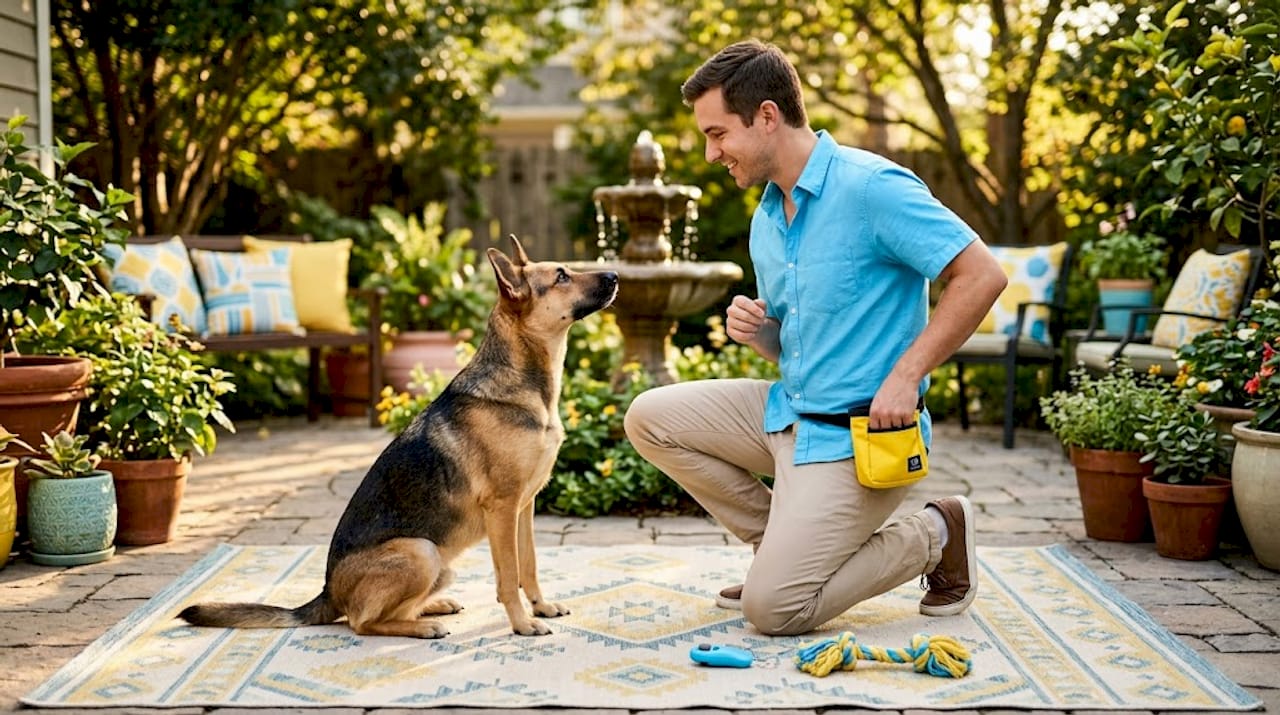
If you’re interested in training rescue dogs to develop reliable alert behaviors, the process starts with building a foundation of trust, then working with a certified trainer who specializes in service dog work. It takes time and commitment, but the results can be life-changing.
Pet safety alert systems and how they fit in
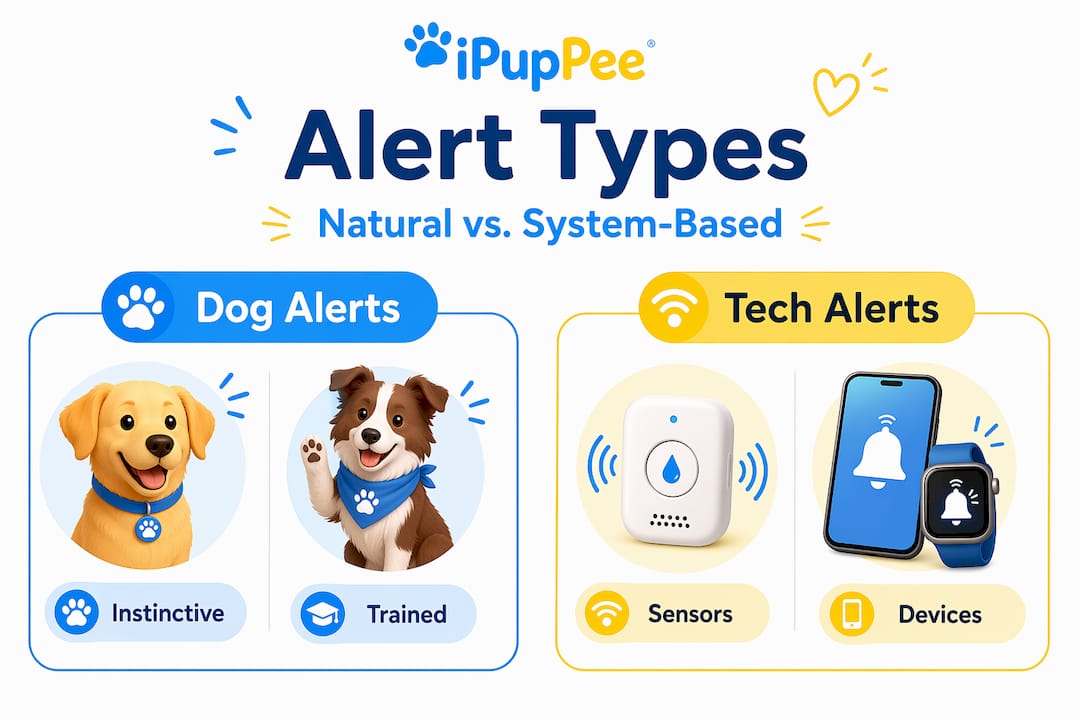
Not every rescue dog alert is about behavior. There’s an entire category of physical and tech-based alert systems designed to protect pets during emergencies, and they deserve just as much attention.
The Rescue Retriever pet safety device is one example worth knowing about. It attaches to a smoke detector and activates a strobe light when smoke is detected, while reflective window decals placed outside alert first responders to the presence of pets inside the home. These two layers work together to help firefighters locate and rescue animals faster.
Here’s a quick comparison of how canine alerts and tech-based systems each contribute to safety:
| Type | What it does | Reliability | Best used for |
|---|---|---|---|
| Trained canine alert | Warns or signals a medical or safety event | High (with proper training) | Medical alert needs, personal safety |
| Instinctive rescue dog alert | Occasional spontaneous behavior | Low and unpredictable | Not reliable for safety dependence |
| Pet fire safety devices | Notifies first responders of pets in home | High (automatic activation) | Fire emergencies, home safety |
| Window decals | Visual cue for rescue teams | Moderate (passive signal) | Emergency awareness |
Combining your rescue dog’s natural awareness with a physical alert system gives you two layers of coverage instead of one. That’s especially valuable for people who live alone, seniors, or anyone managing a health condition.
Pro Tip: Place pet safety window decals near the front door and at least one window on each floor of your home. First responders check entry points first. The faster they see the decal, the faster they act.
For more on how dogs detect emergencies and how you can set up systems to support their natural abilities, Ipuppee’s resource library covers both the behavioral and tech sides thoroughly.
Building communication and safety with your rescue dog
Recognizing alert behavior in a rescue dog is one thing. Building a system around it is another. These steps help you work with your dog’s natural tendencies while keeping expectations realistic.
- Observe without projecting. Spend the first few weeks watching your dog without assigning meaning to every behavior. Note what triggers reactions and what follows them. You’re gathering data, not drawing conclusions.
- Build trust before anything else. A dog that doesn’t feel safe won’t communicate clearly. Consistent feeding times, calm handling, and predictable routines are the foundation of every good training outcome.
- Consult a professional trainer early. If you want to develop reliable dog alert signals, bring in someone with service dog experience. Generic obedience training is not the same thing.
- Layer in tech-based safety tools. While your dog adjusts and (potentially) trains, alert devices fill the gap. They don’t replace the dog. They extend the safety net.
- Reassess at the three-month mark. After about three months, your rescue dog’s true behaviors start to stabilize. That’s the right time to evaluate what you’re seeing and decide on next steps for training.
One of the benefits of rescue dogs that often surprises new owners is how attuned these animals can become once trust is established. Many rescue dogs develop a strong sensitivity to their owner’s emotional and physical states over time. That attunement is the raw material of good alert behavior, but it still needs shaping.
Pro Tip: Work with your dog on a consistent daily schedule rather than long, irregular training sessions. Twenty minutes a day beats two hours once a week every time.
Common myths about rescue dog behavior and alerts
The biggest misconception new adopters bring home is that their rescue dog will immediately understand the household, intuitively protect the family, and possibly even alert to health events. That’s a lot to put on a dog that’s still figuring out where it sleeps.
The Rule of 3s is the most practical framework for understanding what your dog is actually experiencing after adoption:
- 3 days: The dog is overwhelmed and may shut down, hide, or refuse food. This is not its personality.
- 3 weeks: The dog starts learning the routine and testing boundaries. Behaviors that look like alerts may actually be stress responses or hypervigilance from the shelter environment.
- 3 months: Trust builds, true temperament emerges, and you start seeing who your dog really is.
Misreading early stress behaviors as intentional alerting is one of the most common mistakes new adopters make. A dog pacing near the door isn’t necessarily signaling danger. It might just need a bathroom break or be processing anxiety. Shelters often mislabel stressed behaviors like growling or hyper-alertness as personality traits, which creates unfair expectations that follow the dog into its new home.
For additional context on distinguishing real alert behavior from stress responses, Sparky Steps has practical guidance aimed at both adopters and shelter workers on reading rescue dogs accurately.
My honest take on rescue dog alerts
I’ve read enough stories and seen enough cases to say plainly: people want rescue dogs to be magical. I understand why. The story of a shelter dog that sensed a stranger’s seizure is genuinely moving. And it’s true. But I’ve also seen what happens when someone adopts a dog expecting it to perform medical alerts without any training and then blames themselves or the dog when it doesn’t work out.
What I believe is this: the instinct is real, but the reliability requires work. A rescue dog’s attunement to human emotion and physical states is often extraordinary. After years of surviving on sensitivity to human cues, many of these dogs read people better than we read ourselves. That’s not nothing. That’s actually the starting point for some of the best service dog partnerships I’ve ever come across.
But here’s what I’ve learned watching people go through this process. Patience during the adjustment period isn’t just kindness toward the dog. It’s how you get accurate information. The dog you see at week one is not the dog you’ll have at month four. Combining that patience with real safety tools, like alert devices and pet safety systems, means you’re protected while you’re still figuring each other out.
The rescue dogs that develop into genuinely reliable alert animals almost always had owners who didn’t rush the process, got professional training help early, and stayed curious rather than anxious about what the dog was communicating. That combination works.
— Andrew
How Ipuppee supports rescue dog owners and alert systems
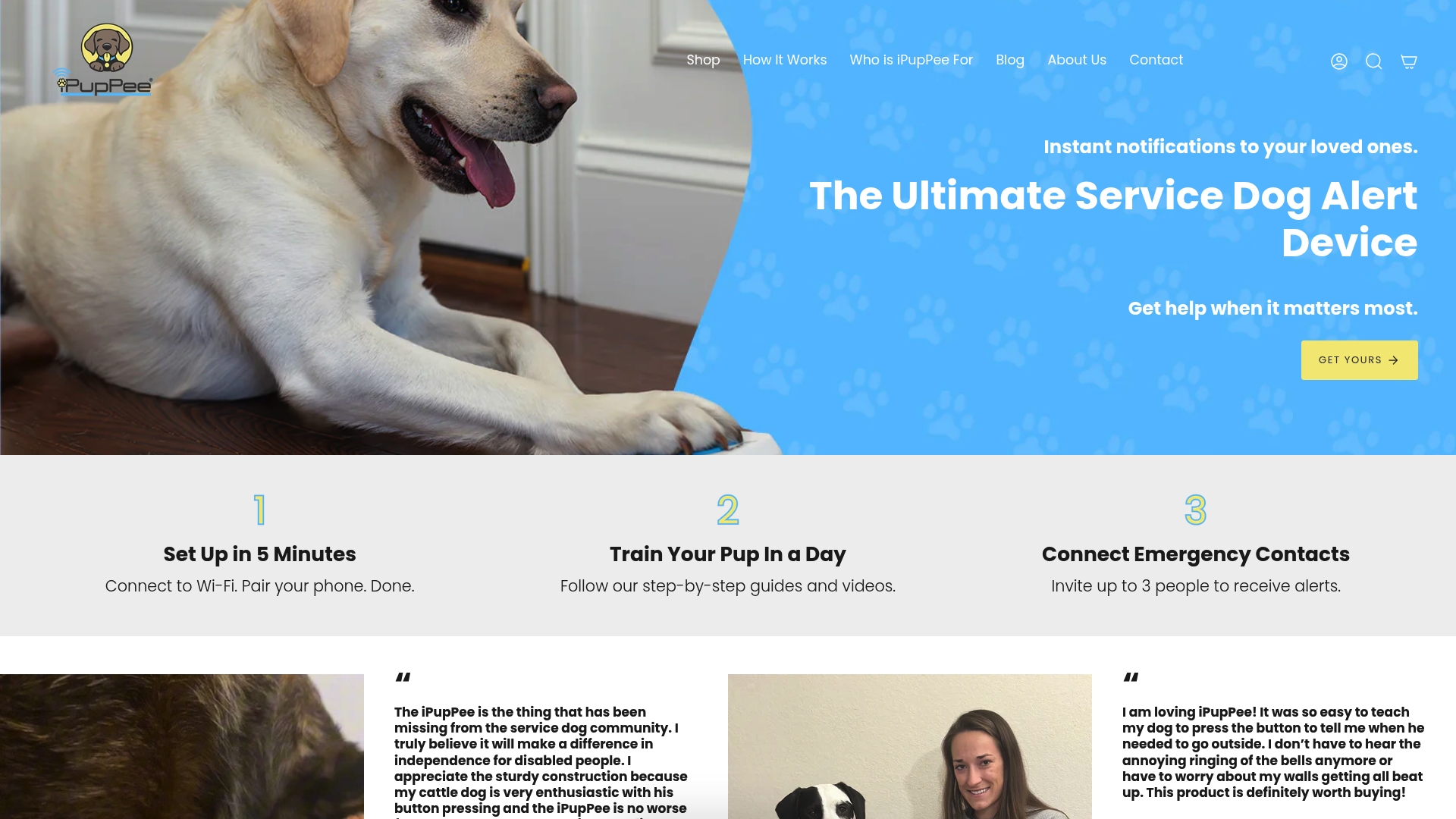
If you’ve just brought home a rescue dog and you’re trying to understand how alerts and safety systems fit together, Ipuppee was built for exactly this situation. The platform offers training guides, behavioral resources, and the iPupPee alert device, which allows dogs to communicate needs to their owners through a simple button press. For rescue dog owners navigating the early months, this kind of structured communication tool can make a real difference in building connection and safety at the same time.
Whether your dog is still in the decompression phase or you’re actively working toward trained alert behaviors, Ipuppee’s resources give you a clear path forward. Visit Ipuppee to explore the full range of tools and guides designed for rescue dog owners, service dog handlers, seniors, and anyone who wants their dog to be a genuine safety partner.
FAQ
What is a rescue dog alert?
A rescue dog alert refers either to a rescue dog showing alerting behavior (warning of a medical or safety event) or to a safety alert system designed to protect pets in emergencies. The term covers both canine signals and technology-based notification tools.
Can a rescue dog naturally alert to medical events?
Yes, but rarely. Some untrained rescue dogs have spontaneously alerted to medical events, though these cases are classified as behavioral anomalies and are not reliable enough to depend on for safety.
What’s the difference between an alert, a signal, and a response in dogs?
An alert warns of an upcoming event, a signal indicates something happening right now, and a response is a mitigating action the dog takes. Understanding these distinctions is foundational when training or evaluating a rescue dog’s behavior.
How long does it take for a rescue dog’s true behavior to show?
Most rescue dogs follow the Rule of 3s: three days to decompress, three weeks to learn the routine, and three months before their real temperament and any stable alert behaviors begin to emerge.
Do I need professional training to develop alert behaviors in my rescue dog?
Yes. Only formal service dog training produces consistent, reliable alerting. Instinctive behaviors in rescue dogs are unpredictable and should not be relied on for medical or personal safety without structured training from a certified professional.