

More than half of adopted rescue dogs face lingering effects from past trauma, shaping every step of their new journey. Adopting a rescue means working through trust issues, unique behavioral quirks, and emotional scars that standard training methods often overlook. Understanding the special training approaches needed for rescue dogs can help transform their anxiety into confidence, guiding them from a place of uncertainty to a home built on security and trust.
Table of Contents
- Defining Rescue Dog Training Methods
- Differences From Training Other Dogs
- Step-By-Step Rescue Dog Training Process
- Essential Tools And Safety Devices
- Addressing Trauma And Behavioral Challenges
- Building Trust And Lasting Communication
Key Takeaways
| Point | Details |
|---|---|
| Positive Reinforcement is Essential | Use positive reinforcement techniques to build trust and confidence, particularly for rescue dogs with trauma. |
| Customized Training Approaches Required | Adapt training methods based on the individual dog’s emotional needs and past experiences to ensure effective learning. |
| Emotional Rehabilitation is Key | Focus on not just skill acquisition but also emotional security and rehabilitation for successful integration into a new home. |
| Structured Training Process Matters | Implement a step-by-step, flexible training process that eases rescue dogs into new environments and skills at a comfortable pace. |
Defining Rescue Dog Training Methods
Training rescue dogs requires a nuanced understanding of specialized methods designed to build trust, confidence, and healthy behavioral patterns. Unlike standard dog training approaches, rescue dog training must account for potential past traumas, varied socialization experiences, and unique psychological needs. According to pokydogs, the most effective strategies center on positive reinforcement techniques that create safe, supportive learning environments.
Positive reinforcement training involves systematically rewarding desired behaviors while creating a supportive learning atmosphere. freedomservicedogs highlights that this method effectively encourages dogs to repeat positive actions through consistent rewards like treats, praise, and gentle physical affirmation. The core principles include:
- Immediate reward delivery
- Consistent positive feedback
- Creating a predictable training environment
- Building confidence through gentle guidance
Rescue dogs often require a slower, more patient training approach compared to dogs without complex backgrounds. Training methods must prioritize emotional safety and gradual skill development. This means breaking complex commands into smaller, manageable steps and ensuring each training session remains short, engaging, and stress-free.
The ultimate goal of rescue dog training is not just skill acquisition, but also emotional rehabilitation. By using compassionate, reward-based techniques, handlers can help rescue dogs overcome past challenges and develop secure, trusting relationships with their new families. Dog Rescue Training: Keys to Success for Owners & Handlers 2025 provides additional insights into creating lasting, positive training experiences that transform rescue dogs’ lives.
Differences From Training Other Dogs
Training rescue dogs requires a fundamentally different approach compared to training dogs without complex backgrounds. animalrescuekonnection emphasizes that rescue dogs often come with minimal prior training and unique behavioral challenges that demand specialized intervention strategies. Unlike puppies or dogs with consistent training histories, rescue dogs may have experienced trauma, inconsistent handling, or limited socialization that significantly impacts their learning capabilities.
The psychological profile of rescue dogs introduces several critical training distinctions. Emotional resilience becomes a primary training objective, which differs dramatically from standard obedience training. nahf highlights that rescue dogs frequently require more patience, shorter training sessions, and gentler reinforcement techniques to build trust and confidence. Key differences include:
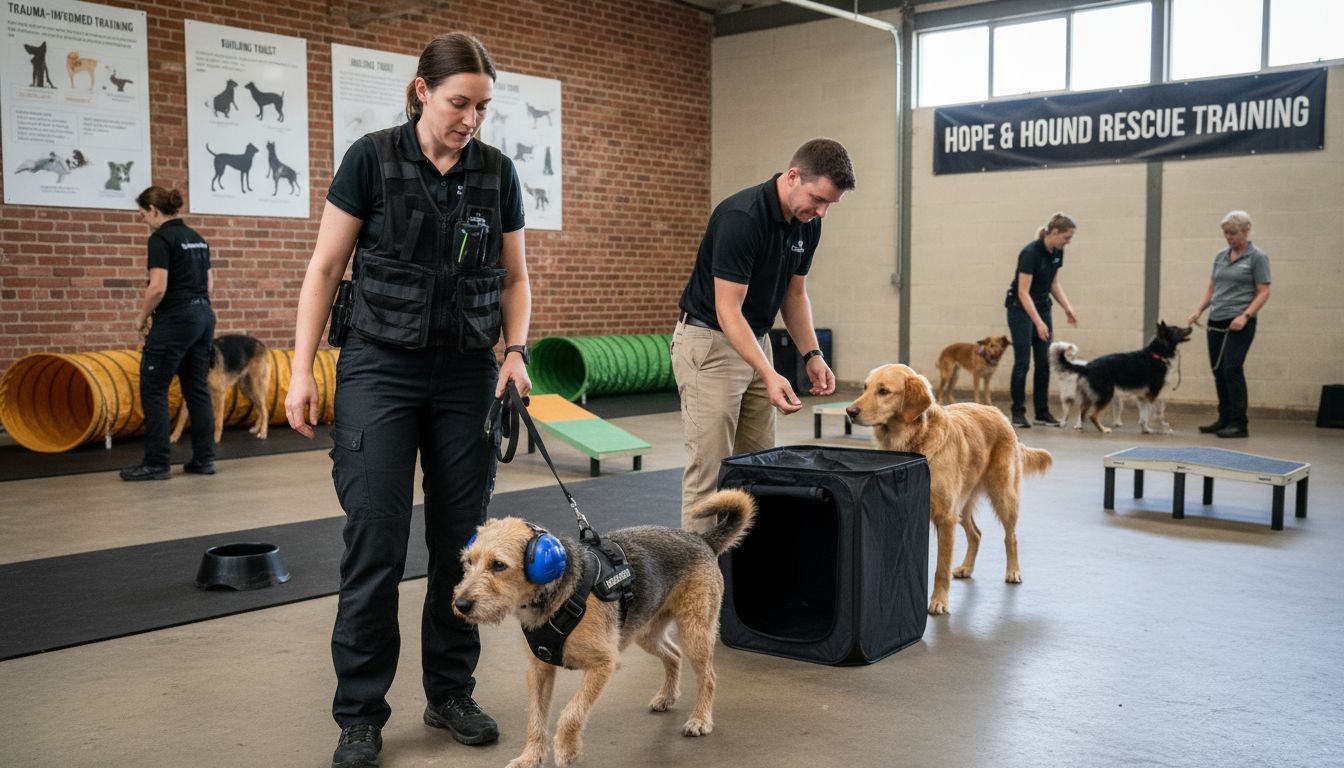
- Slower skill acquisition pace
- Greater emphasis on emotional safety
- More frequent positive reassurance
- Individualized approach based on past experiences
Additional nuanced differences emerge in how rescue dogs process commands and interactions. While typical dog training focuses on skill development, rescue dog training must simultaneously address potential anxiety, fear responses, and past negative conditioning. This means trainers must be exceptionally observant, adaptable, and prepared to modify techniques based on the individual dog’s specific emotional and behavioral history.
Ultimately, successful rescue dog training transcends traditional methods by prioritizing psychological rehabilitation alongside skill learning.
Proven Training Techniques for Dogs: Guide for Owners & Handlers 2025 offers comprehensive insights into creating supportive, transformative training experiences that help rescue dogs successfully transition into loving, stable home environments.
Step-By-Step Rescue Dog Training Process
Training a rescue dog demands a structured, compassionate approach that acknowledges their unique background and emotional needs. welfare4animals outlines a comprehensive program that breaks down the training process into manageable stages, recognizing that each rescue dog requires individualized attention and carefully paced learning.
Initial Assessment and Bonding Stage
- Create a safe, predictable home environment
- Establish consistent daily routines
- Allow the dog time to decompress and adjust
- Build trust through gentle interactions
pawsco emphasizes that positive reinforcement is crucial during these early weeks. This means focusing on rewarding desired behaviors rather than punishing unwanted actions. The core training approach should include:
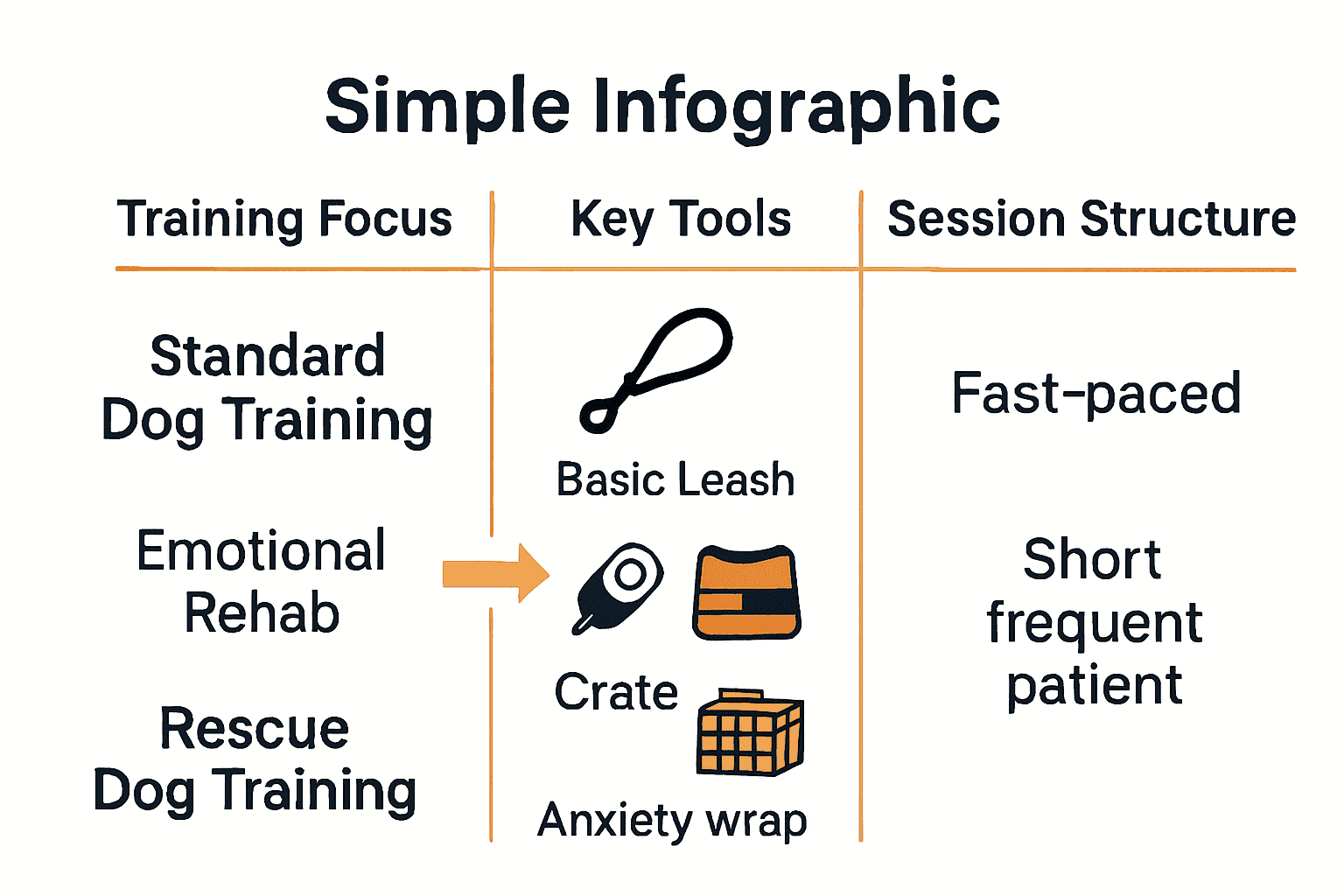
- Short, frequent training sessions (10-15 minutes)
- High-value treats as motivation
- Calm, patient verbal encouragement
- Consistent and predictable commands
As the rescue dog becomes more comfortable, training can progress to more complex behavioral and obedience skills. This gradual approach helps build the dog’s confidence and creates a strong foundation for future learning. Handlers must remain flexible, adjusting techniques based on the individual dog’s responses and comfort levels.
Rescue Dog Training 2025: Step-by-Step Success for All Owners provides additional insights into creating a supportive training environment that transforms rescue dogs into confident, well-adjusted companions. The key is patience, understanding, and a commitment to helping these resilient animals overcome their past experiences.
Essential Tools and Safety Devices
Training rescue dogs requires a strategic selection of tools that support their unique psychological and physical needs. animalrescuekonnection recommends crates as a fundamental safety device, providing rescue dogs with a secure personal space that helps them feel protected during the critical adjustment period. These crates serve multiple purposes beyond simple containment, acting as a psychological sanctuary where dogs can decompress and feel safe.
Training equipment plays a crucial role in effective communication and skill development. freedomservicedogs highlights the clicker as an invaluable training tool that enables precise behavior marking. Essential tools for rescue dog training include:
- Adjustable harnesses with secure attachments
- Long training leads for controlled socialization
- High-value treat pouches
- Noise-reduction headphones for sensitive dogs
- Soft, durable chew toys for anxiety management
Safety devices extend beyond traditional training equipment. Rescue dogs often require additional support to navigate new environments and manage potential anxiety triggers. This might include specialized identification tags, anxiety wraps, and communication devices that help owners understand their dog’s emotional state and potential challenges.
Dog Training Tools Overview: Best Choices for 2025 provides comprehensive insights into selecting the most appropriate tools for rescue dogs. The key is choosing equipment that not only facilitates training but also supports the dog’s emotional well-being and helps build a trusting relationship between the dog and its new family.
Addressing Trauma and Behavioral Challenges
pawsnhoovescolorado emphasizes that addressing trauma in rescue dogs requires a delicate, compassionate approach centered on positive reinforcement. Traumatized dogs often carry deep emotional scars that manifest through various behavioral challenges, including fear responses, anxiety, and potential aggression. Understanding these complex psychological patterns becomes crucial for successful rehabilitation and integration into a loving home environment.
Trauma-informed training strategies focus on creating a sense of safety and predictability. nahf highlights the critical importance of structured socialization to help rescue dogs overcome their limited prior experiences. Key approaches for addressing behavioral challenges include:
- Gradual exposure to new stimuli
- Consistent, gentle interaction patterns
- Identifying and avoiding specific trigger points
- Creating predictable daily routines
- Implementing calm, patient redirection techniques
Successful trauma rehabilitation requires handlers to recognize that behavioral challenges are symptoms of past experiences, not inherent character flaws. Each rescue dog will have a unique healing journey, demanding individualized attention and a deep commitment to understanding their specific emotional landscape. Patience, empathy, and consistent positive reinforcement become the primary tools for transformation.
Dog Rescue Training Challenges: Practical Solutions for Success offers comprehensive insights into navigating the complex emotional terrain of rescue dog rehabilitation. The ultimate goal is not just behavior modification, but helping these resilient animals rediscover trust, security, and the joy of human connection.
Building Trust and Lasting Communication
pawsco emphasizes that building trust with rescue dogs requires a nuanced, patient approach centered on consistent communication. These dogs often arrive with complex emotional histories that demand careful, intentional interaction strategies. Understanding their unique communication language becomes critical in establishing a foundation of mutual respect and understanding.
pawsnhoovescolorado highlights that positive reinforcement techniques are the cornerstone of effective trust-building. Key communication strategies include:
- Maintaining calm, predictable body language
- Using soft, consistent vocal tones
- Respecting the dog’s personal space
- Allowing the dog to initiate interactions
- Reading and responding to subtle behavioral cues
Successful communication with rescue dogs transcends verbal commands. It involves creating an environment of emotional safety where the dog feels secure enough to express themselves and gradually lower their protective barriers. This means paying attention to non-verbal signals, understanding stress indicators, and responding with patience and empathy.
How to Bond With Dogs: Proven Ways for Lasting Connection provides additional insights into developing deep, meaningful relationships with rescue dogs. The ultimate goal is to transform initial hesitation into genuine trust, helping these resilient animals understand that their new home is a place of safety, love, and understanding.
Unlock a Stronger Bond with Your Rescue Dog Through Innovative Communication
Training rescue dogs demands patience, trust-building, and clear communication to overcome emotional challenges and behavioral hurdles. The article highlights how positive reinforcement and gradual skill-building are essential to helping your rescue dog feel safe and confident. If you have faced the frustration of limited feedback during training or want to accelerate your dog’s progress while nurturing trust, there is a way to deepen your connection effortlessly.

Discover how the unique iPupPee device from ipuppee.com can transform your training journey with your rescue dog. This innovative alert system allows your dog to communicate easily through a simple button press, fostering safety, independence, and clearer understanding between you both. Imagine reducing stress for your rescue dog and yourself while reinforcing commands and behaviors with real-time interaction. To learn more about how iPupPee supports compassionate training and emotional rehabilitation, visit Dog Rescue Training: Keys to Success for Owners & Handlers 2025 and explore practical solutions for rescue dog training challenges at Dog Rescue Training Challenges: Practical Solutions for Success.
Begin your rescue dog’s new chapter with confidence and trust today by exploring the full range of breakthrough tools at ipuppee.com. Helping your rescue dog communicate is the first step toward lasting success.
Frequently Asked Questions
What are the best training methods for rescue dogs?
The most effective training methods for rescue dogs center on positive reinforcement techniques that create a safe, supportive learning environment, rewarding desired behaviors with treats, praise, and gentle affirmation.
How should I approach training a rescue dog with a traumatic background?
Training a rescue dog with a traumatic background requires patience, shorter training sessions, and an emphasis on emotional safety. It’s important to gradually build trust and confidence through gentle interactions and consistent positive feedback.
What tools are essential for training a rescue dog?
Essential tools for training rescue dogs include adjustable harnesses, long training leads, high-value treat pouches, noise-reduction headphones for sensitive dogs, and durable chew toys to help manage anxiety.
How can I help my rescue dog overcome anxiety?
Helping a rescue dog overcome anxiety involves creating a structured routine, providing gradual exposure to new stimuli, and using positive reinforcement techniques to reassure and encourage them during stressful situations.
Recommended
- Dog Rescue Training: Keys to Success for Owners & Handlers 2025 – iPupPee
- Rescue Dog Training 2025: Step-by-Step Success for All Owners – iPupPee
- Why Train Rescue Dogs: Essential Benefits for Owners in 2025 – iPupPee
- Dog Rescue Training Challenges: Practical Solutions for Success – iPupPee
- Agility med hund – øvelser, udstyr og sikker start