

Senior dogs visit the vet twice as often as younger dogs, requiring six monthly exams to catch health issues early. As dogs age, their bodies demand specialized attention spanning nutrition adjustments, mobility support, frequent diagnostics, and innovative communication tools. This guide walks you through expert backed strategies to enhance your senior dog’s quality of life across every dimension of care.
Table of Contents
- How to Choose the Right Senior Dog Care
- Veterinary Care Schedule and Diagnostic Testing
- Nutrition Adjustments and Feeding Tips
- Mobility Management Techniques and Devices
- Comfort and Rest Enhancements
- Communication Solutions for Senior Dogs
- Cost and Accessibility of Senior Dog Care
- Summary and Situational Recommendations
- Explore Innovative Communication Tools for Senior Dogs
- Frequently Asked Questions About Senior Dog Care
Key Takeaways
| Point | Details |
|---|---|
| Biannual vet exams detect diseases early | Wellness visits every six months catch cancer, arthritis, and cognitive decline before symptoms worsen. |
| Nutrition adjustments prevent obesity | Slower metabolism requires calorie reduction and joint supporting nutrients tailored to aging bodies. |
| Mobility aids reduce arthritis pain | Ramps, orthopedic beds, and physical therapy preserve independence and comfort. |
| Orthopedic beds outperform standard options | Memory foam and supportive designs significantly improve joint pain relief and sleep quality. |
| Communication devices enhance safety | Assistive technologies help dogs with sensory or mobility impairments express needs clearly. |
How to Choose the Right Senior Dog Care
Selecting appropriate care for your aging dog starts with understanding when they officially enter their senior years. Dogs become senior at different ages based on size, with small breeds transitioning around 9 to 13 years, medium breeds at 8 to 10 years, large breeds at 7 to 9 years, and giant breeds as early as 6 to 9 years. This timing directly influences when you need to intensify monitoring and adjust care protocols.
Once you’ve classified your dog’s senior status, establish a veterinary wellness exam schedule every six months to support early disease detection. Regular assessments of mobility, nutrition requirements, and communication capabilities form the foundation of personalized senior care. Use this criteria checklist to evaluate products and services:
- Does the solution address your dog’s specific health challenges like arthritis or cognitive decline?
- Can your veterinary team integrate recommendations into your dog’s existing care plan?
- Does the product or service fit within your budget while delivering measurable benefits?
- Is training or ongoing support available to maximize effectiveness?
- How accessible is the solution in your geographic area?
Applying these criteria helps you cut through marketing noise and focus on interventions backed by veterinary science and real world outcomes.
Veterinary Care Schedule and Diagnostic Testing
Your senior dog’s healthcare should center on proactive monitoring rather than reactive treatment. Wellness exams every 6 months should include CBC, chemistry panels, and urinalysis to establish baseline health metrics and track changes over time. These comprehensive diagnostics catch kidney disease, liver dysfunction, diabetes, and thyroid disorders before obvious symptoms appear.
During each visit, your veterinary team will conduct a thorough physical examination checking:
- Body condition score and weight trends to identify obesity or muscle wasting
- Joint mobility assessment revealing arthritis progression
- Oral health evaluation detecting painful dental disease
- Cardiovascular function including heart rate and blood pressure
- Cognitive function screening for signs of mental decline
Senior dogs face increased risks for cancer, arthritis, and cognitive decline, making vigilant monitoring essential. Watch for warning signs between appointments including limping, difficulty standing, reduced appetite, confusion, or changes in bathroom habits. Documenting these observations helps your vet adjust treatment plans quickly.
Integrating nutrition, mobility support, and senior wellness programs represents the gold standard approach. Your veterinary team guides this integration through client education, personalized recommendations, and ongoing reassessment as your dog’s needs evolve.
Nutrition Adjustments and Feeding Tips
Aging fundamentally changes how dogs process food and maintain healthy weight. Metabolism naturally slows with age, meaning your senior dog burns fewer calories performing the same activities they enjoyed as a younger adult. Without dietary adjustments, this metabolic shift leads to obesity, which compounds joint strain and accelerates arthritis pain.
Senior dog diets should prevent obesity while supporting joint health with regular 6 month nutritional reassessments. Specialized senior formulas typically reduce calorie density while increasing protein quality to preserve lean muscle mass. Look for foods enriched with:
- Omega 3 fatty acids reducing inflammation and supporting brain health
- Glucosamine and chondroitin protecting cartilage integrity
- Antioxidants combating cellular aging
- Fiber promoting digestive health and satiety
Portion control matters as much as food quality. Measure meals precisely rather than free feeding, and account for treats in total daily calorie intake. If your dog struggles with stiffness after meals, consider splitting daily portions into smaller, more frequent feedings to maintain steady energy without digestive stress.
Pro Tip: Schedule feeding times around medication administration. Many senior dogs take daily medications that work best with food, and consistent routines reduce confusion for dogs experiencing cognitive changes.
Mobility Management Techniques and Devices
Arthritis affects a significant portion of aging dogs, causing chronic pain that diminishes quality of life. Joint supplements, prescription medications, physical therapy, and home mobility aids form a comprehensive arthritis management strategy. No single intervention eliminates pain completely, but layering approaches provides meaningful relief.
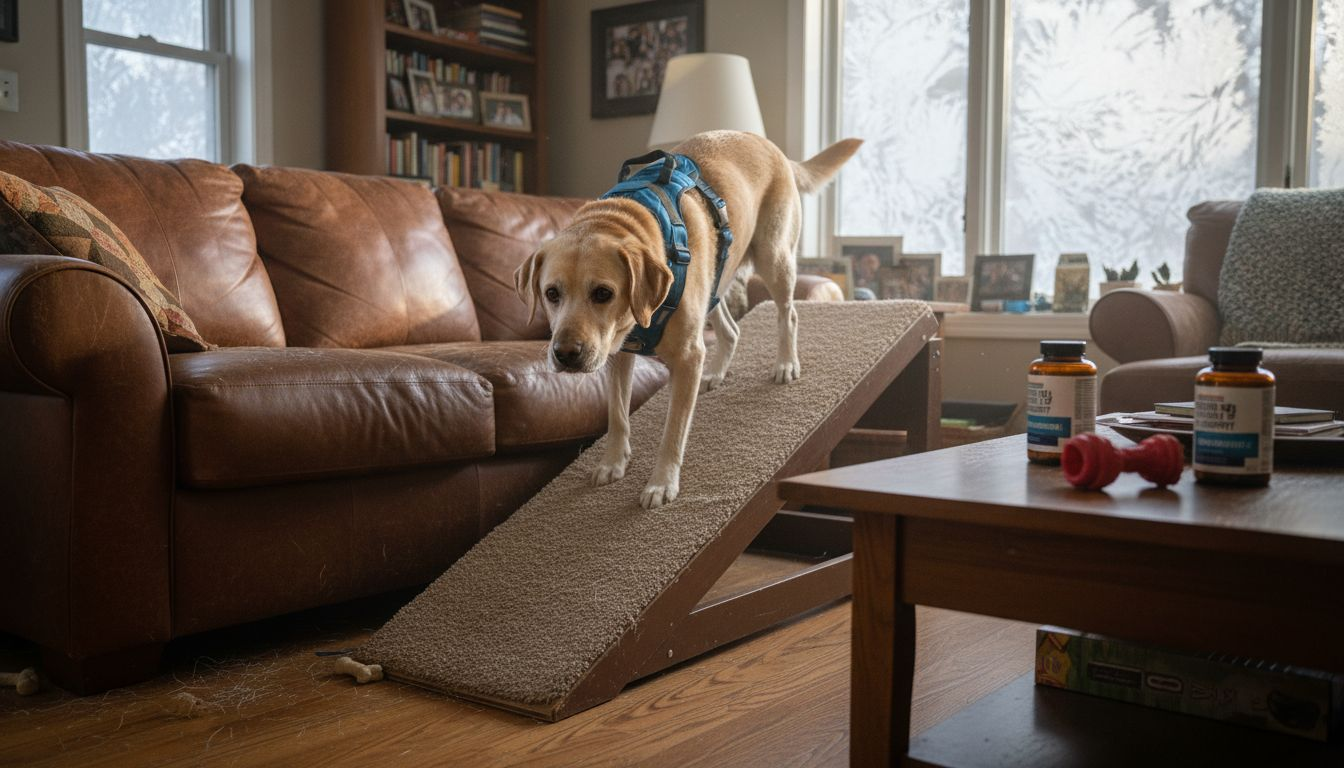
Joint supplements containing glucosamine, chondroitin, and MSM support cartilage health and reduce inflammation. While supplements take several weeks to show effects, consistent use slows arthritis progression. Prescription medications like NSAIDs deliver faster pain relief but require veterinary monitoring for side effects.
Physical therapy and controlled exercise maintain muscle strength supporting compromised joints. Low impact activities like:
- Short, frequent walks on soft surfaces instead of one long outing
- Swimming or underwater treadmill sessions eliminating joint stress
- Gentle stretching exercises your vet or rehab specialist demonstrates
- Balance and coordination games sharpening proprioception
Mobility aids for senior dogs prevent painful jumping and improve accessibility throughout your home. Ramps beside beds and vehicles eliminate the need to leap. Non slip mats on slippery floors provide secure footing. Rear support harnesses help dogs with weak hindquarters navigate stairs safely.
Pro Tip: Introduce mobility aids gradually with positive reinforcement. Let your dog explore ramps at their own pace, rewarding brave steps with treats and praise until new equipment feels normal.
Comfort and Rest Enhancements
Orthopedic beds significantly improve comfort and reduce pain compared to standard beds by conforming to joint contours and distributing weight evenly. Memory foam and supportive gel designs relieve pressure points that cause stiffness overnight. Invest in beds large enough for your dog to stretch fully without hanging off edges.
Providing multiple soft resting areas and climate conscious care reduces joint stiffness and sensitivity in senior dogs. Place beds in rooms where your family spends time so your dog stays socially engaged without walking long distances. Senior dogs feel temperature extremes more acutely, requiring heating pads in winter and cooling mats during summer heat.
| Bed Type | Joint Support | Durability | Ease of Cleaning | Best For |
|---|---|---|---|---|
| Orthopedic Memory Foam | Excellent | High | Moderate | Arthritis, hip dysplasia |
| Elevated Cot Style | Good | Very High | Easy | Temperature regulation, outdoor use |
| Bolster Cushion | Moderate | Moderate | Easy | Dogs who like head support |
| Standard Flat Bed | Low | Moderate | Easy | Mild joint issues, budget option |
Dental care impacts overall comfort more than many owners realize. Painful teeth make eating difficult and contribute to irritability. Brush your senior dog’s teeth several times weekly with pet safe toothpaste, and schedule professional cleanings as your vet recommends.
Communication Solutions for Senior Dogs
As dogs age, sensory decline and mobility challenges can frustrate their ability to communicate needs effectively. Devices like iPupPee help dogs with hearing loss, vision impairment, or movement restrictions signal when they need to go outside, want water, or require assistance. These button based systems give senior dogs agency to express themselves clearly.
Training integration for assistive communication devices requires patience and consistency. Start by associating the button with a specific need, pressing it yourself while performing the action like opening the door. Reward your dog immediately when they interact with the button, even accidentally at first. Most dogs grasp the connection within days to weeks depending on cognitive function.
Improved communication enhances safety and owner responsiveness in multiple scenarios:
- Deaf dogs can alert owners they need outside access without barking
- Dogs with mobility issues can request help before accidents occur
- Visually impaired dogs navigate routines with auditory cues
- Owners living alone gain peace of mind their dog can signal emergencies
Assistive communication devices for dogs prove particularly valuable for seniors with disabilities themselves. When both owner and dog face physical limitations, clear two way communication prevents frustration and strengthens the human animal bond during challenging life stages.
Cost and Accessibility of Senior Dog Care
Senior dog care costs average $2,555 to $4,680 yearly in the US, with expenses varying based on health complexity and care intensity. Veterinary exams, diagnostic testing, prescription medications, therapeutic diets, and mobility equipment drive the majority of costs. Dogs with chronic conditions like diabetes or cancer require significantly higher budgets.
| Expense Category | Low End Annual Cost | High End Annual Cost | Primary Drivers |
|---|---|---|---|
| Veterinary Care | $800 | $2,000 | Exams, diagnostics, dental cleanings |
| Medications | $300 | $1,200 | Pain management, chronic disease treatment |
| Special Diets | $400 | $800 | Prescription foods, supplements |
| Mobility & Comfort | $200 | $600 | Beds, ramps, harnesses |
| Miscellaneous | $855 | $1,080 | Grooming, training, devices |
Planning ahead financially helps you provide optimal care without sacrificing quality when unexpected health issues arise. Consider pet insurance while your dog is still relatively young, as many policies exclude pre existing conditions. Pet savings accounts dedicated to veterinary expenses create a buffer for emergency treatments.
Assistive devices like communication systems are increasingly accessible in US markets through online retailers and specialty pet stores. Some pet insurance policies now cover portions of assistive technology costs when prescribed by veterinarians for medical reasons. Research assistance programs offered by manufacturers and nonprofits serving disabled pet owners.
Summary and Situational Recommendations
Balancing nutrition, mobility support, comfort enhancements, and communication tools creates comprehensive senior dog care addressing physical and emotional needs. Your best approach depends on your individual dog’s health status, your household situation, and available budget.
| Care Dimension | Budget Friendly Option | Mid Range Solution | Premium Choice | Best Scenario |
|---|---|---|---|---|
| Nutrition | Quality adult food, portion control | Senior formula kibble | Prescription diet, custom meals | Dogs with specific health conditions |
| Mobility | Non slip mats, short walks | Glucosamine supplements, basic ramp | Physical therapy, custom orthotics | Moderate to severe arthritis |
| Comfort | Extra blankets, DIY ramps | Mid grade orthopedic bed | Heated orthopedic bed, multiple stations | Temperature sensitive dogs |
| Communication | Bells on door, hand signals | Basic button system | Multi button device, professional training | Sensory impairments, owner disabilities |
For dogs managing arthritis, combine joint supplements with an orthopedic bed and controlled exercise under veterinary guidance. Dogs with hearing or vision loss benefit most from structured communication systems like iPupPee paired with consistent routines. Every senior dog requires biannual veterinary exams and diet adjustments as non negotiable baseline care.
Tailor your investment to areas where your dog shows greatest need. A dog struggling with mobility gains more from ramps and physical therapy than expensive beds. A cognitively sharp dog with sensory decline thrives with communication devices supporting independence.
Explore Innovative Communication Tools for Senior Dogs
When traditional methods fall short, dog communication technology bridges gaps created by aging related sensory and mobility challenges. iPupPee offers innovative alert devices specifically designed for senior and disabled dogs who need reliable ways to express needs.
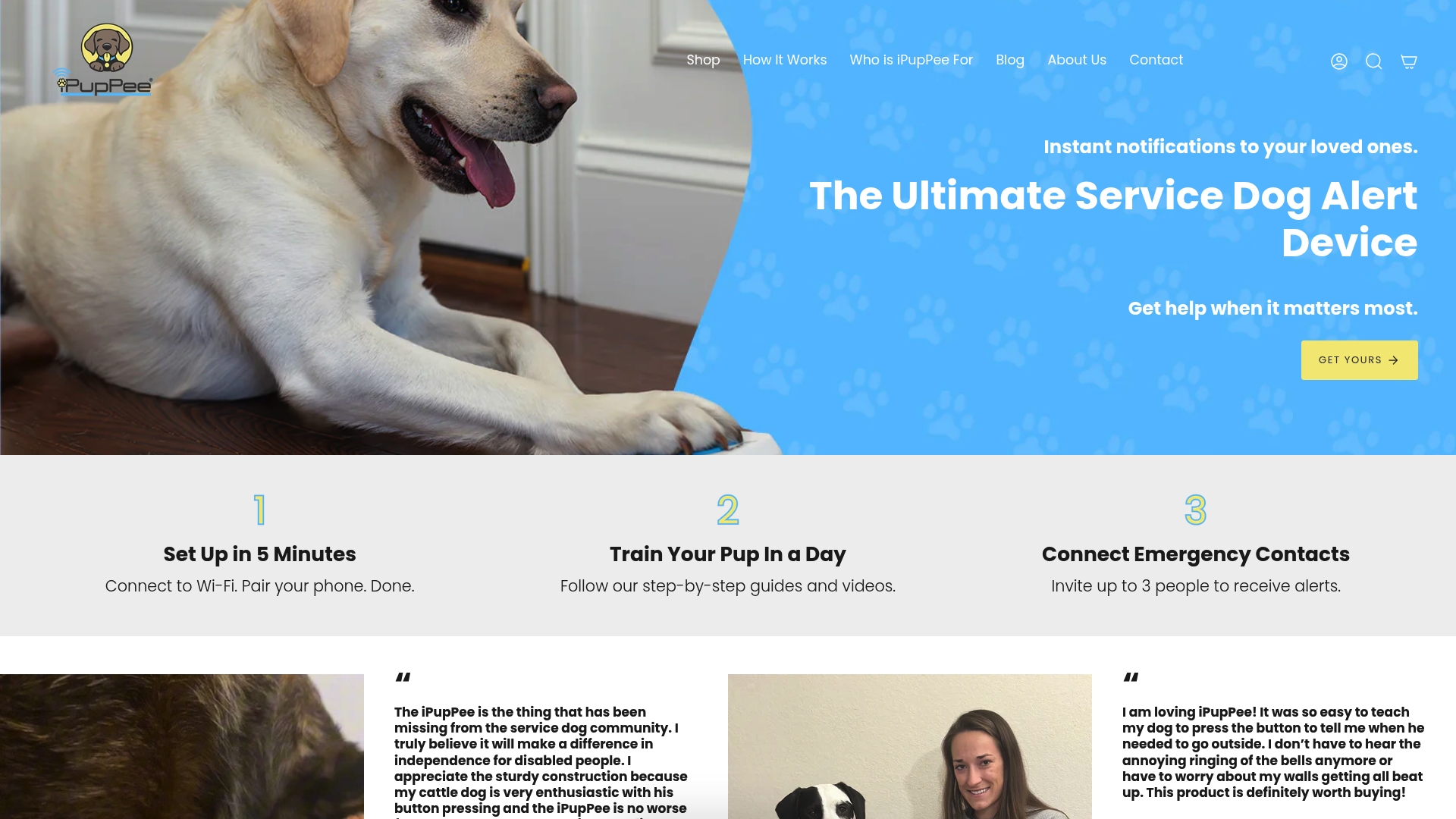
Training resources for dog communication help you maximize safety and interaction benefits from assistive devices. Step by step guides walk you through introduction, reinforcement, and troubleshooting common challenges during the learning process. Explore solutions on the iPupPee website to keep your senior dog connected, independent, and communicating clearly throughout their golden years.
Frequently Asked Questions About Senior Dog Care
How often should I take my senior dog to the vet?
Senior dogs require veterinary wellness exams every six months for comprehensive health monitoring. These biannual visits catch diseases like cancer and kidney failure early when treatment options are most effective. Regular check ups cost less than emergency care for advanced illnesses.
What types of exercise are safe for senior dogs?
Choose low impact activities like slow leash walks on soft surfaces and gentle fetch games. Swimming offers excellent cardiovascular benefits without stressing arthritic joints. Regular adapted exercise and mental activities improve strength and cognitive function in aging dogs while preventing obesity.
How do I choose the right mobility aids for my senior dog?
Assess your dog’s specific challenges by observing where they struggle most, whether climbing stairs, jumping into vehicles, or standing on slick floors. Consult your veterinarian for recommendations tailored to your dog’s size, weight, and joint condition. Ramps work well for vehicle access while harnesses provide lifting support for weak hindquarters.
How should I adjust my senior dog’s diet?
Reduce total daily calories by 10 to 20 percent as metabolism slows to prevent weight gain that stresses joints. Select foods fortified with omega 3 fatty acids and joint supporting nutrients like glucosamine. Schedule nutritional reassessments with your vet every six months to fine tune portions and formulas.
When are communication devices appropriate for senior dogs?
Consider assistive devices when your dog experiences hearing loss, vision impairment, or mobility restrictions limiting traditional communication methods. Dogs who pace anxiously unable to signal bathroom needs or those whose owners have disabilities themselves gain significant benefits. Consistent training over several weeks helps dogs master button based communication systems effectively.
Recommended
- 7 Essential Senior Dog Care Tips for Health and Happiness – iPupPee
- Senior Pet Safety: Keeping Aging Companions Secure – iPupPee
- How Dogs Help Seniors: Health, Happiness, and Independence 2025 – iPupPee
- Senior Pet Companionship: Enhancing Life for Aging Dogs – iPupPee
- Probiotice pentru Caini | PetzPark Australia - 76 grame – Protein4Life