

Caring for your dog is a joy, but mobility challenges can make simple activities feel overwhelming. You want to stay active, keep your dog lively, and strengthen your bond, yet traditional outings or fast-paced exercises may seem out of reach. The right strategies can help you meet your dog’s needs while caring for your own safety and comfort.
This list builds on methods that actually work for older adults. You will find gentle activities, safety devices, and creative communication tools—all designed to fit your abilities and support your relationship with your pet. Each idea brings you closer to enjoyable moments without added stress.
Discover practical solutions that spark connection, provide peace of mind, and let you enjoy time with your dog. You are just steps away from making life with your pet easier and more rewarding, starting now.
Table of Contents
- 1. Gentle Indoor Games for Mobility Support
- 2. Easy Outdoor Walks with Safety Devices
- 3. Interactive Pet Communication Training
- 4. Pet-Friendly Home Exercises for Seniors
- 5. Relaxing Bonding Activities for Companionship
- 6. Simple Grooming Routines for Connection
Quick Summary
| Key Insight | Explanation |
|---|---|
| 1. Engage in gentle indoor games | Indoor games like chair-based ball toss help seniors stay active and bond with dogs without risking falls or strain. |
| 2. Utilize safety devices for outdoor walks | Devices like harnesses and retractable leashes enhance safety, easing anxiety and allowing enjoyable walks with your dog. |
| 3. Implement interactive communication training | Teaching dogs to use buttons fosters clear communication, reducing anxiety and prevents accidents by allowing them to express needs. |
| 4. Perform regular, gentle grooming routines | Simple grooming enhances health and comfort while also serving as a way to strengthen your bond through consistent, caring interaction. |
| 5. Prioritize relaxing activities for companionship | Spending quiet moments together promotes emotional well-being for both seniors and dogs, underscoring the value of just being present. |
1. Gentle Indoor Games for Mobility Support
Gentle indoor games offer seniors with mobility challenges a way to stay active while having fun with their dogs. These activities build strength, coordination, and mental sharpness without the risk of falls or strain that outdoor activities might pose.
Why these games matter for you matters is simple: movement prevents stiffness, keeps your mind engaged, and deepens your bond with your dog. Your pet thrives on interaction too. When you play together indoors, you both benefit from the activity without needing to navigate outdoor obstacles or weather concerns.
Physical games adapted for elderly individuals promote mobility, mental well-being, and social interaction while maintaining hand-eye coordination and balance. The best indoor games require minimal setup and can be done from a chair, standing with support, or moving at your own pace.
Consider these safe indoor game options:
- Chair-based ball toss: Toss a soft ball back and forth with your dog from a seated position. This improves hand-eye coordination and keeps your dog entertained without requiring you to stand.
- Balloon volleyball: Gently hit a balloon back and forth while sitting. Your dog will chase it, creating engagement for both of you with zero impact on your joints.
- Bean bag toss: Drop bean bags into a bucket or low basket from your seat. This builds precision and keeps your dog involved as they watch and react.
- Seated fetch games: Toss toys a short distance from your chair, allowing your dog to retrieve them. You control the distance and effort level.
- Puzzle games with treats: Use puzzle toys where you and your dog work together to find hidden treats. This stimulates both your minds.
The key is choosing activities that let you sit or stand with stability while your dog stays engaged and active alongside you.
Start with whichever game feels most comfortable. You don’t need fancy equipment—soft balls, balloons, or household items work perfectly. Play for 10 to 15 minutes at a time, then rest. This prevents fatigue while keeping your dog happily stimulated.
Your dog reads your energy. When you’re relaxed and enjoying a game, your pet mirrors that calm focus. These games also strengthen the communication between you and your dog, creating moments of genuine connection that transcend physical ability.
Pro tip: Keep your games near natural light and clear of obstacles, and stop immediately if you feel unsteady or your dog seems confused—short, enjoyable sessions build confidence for both of you.
2. Easy Outdoor Walks with Safety Devices
Outdoor walks with your dog are wonderful for both of you, but mobility challenges make safety a priority. The right gear and devices transform walks from stressful to enjoyable, giving you confidence and control.
Safety devices aren’t just about preventing falls. They reduce anxiety about losing control of your dog, allow you to enjoy time outdoors, and give your pet the exercise and mental stimulation they need. When you feel secure, your dog senses that calm energy.
Start by assessing your personal needs. Do you need stability support? Does your dog pull hard on the leash? Are you worried about visibility or communication? Each concern has a solution.
Key safety devices and features to consider:
- Walking aids with leash attachments: Canes with built-in leash holders keep both hands stable while walking your dog. Some have adjustable heights for different terrain.
- Harnesses for better control: A properly fitted harness on your dog gives you more control than a collar alone, especially if your dog tends to lunge or pull.
- Retractable leashes with locks: These let your dog explore while you maintain control. The locking mechanism prevents sudden jerking.
- Bright clothing and reflective gear: Make yourself and your dog visible to others. Reflective vests, bright collars, and light-colored clothing help prevent accidents.
- Supportive footwear: Slip-resistant shoes with good ankle support are essential for maintaining stability on uneven surfaces.
Planning matters as much as gear. Choose times when it’s cooler and less crowded. Walk on familiar, well-maintained paths with fewer hazards. Carry water and take breaks when your body signals fatigue.
Using the right safety devices and planning ahead transforms outdoor walks from a worry into one of the best parts of your day.
Master dog safety during walks by checking your route beforehand for obstacles like rough pavement, uneven sidewalks, or congested areas. Walk at your own pace, listen to what your body tells you, and stop if you feel unsteady.
Your dog benefits from outdoor time just as much as you do. Regular walks improve their mood, behavior, and health. When you feel confident using safety devices, that confidence transfers to your dog, creating calmer, more enjoyable outings.
Pro tip: Keep your phone, ID, and a small water bottle in easily accessible pockets, and tell someone where you’re walking and when you expect to return.
3. Interactive Pet Communication Training
Imagine understanding exactly what your dog needs before problems arise. Interactive communication training using buttons and soundboards creates a bridge between you and your pet that goes beyond typical barking or body language.
This isn’t science fiction. Research into augmentive interspecies communication shows that dogs can learn to use buttons to express their needs and feelings. When your dog presses a button to say “outside” or “water,” you get clear information instead of guessing.
For seniors with mobility challenges, this is game-changing. Your dog can communicate when they need a bathroom break, are hungry, or want attention. You don’t have to constantly interpret signals or worry you’re missing something important.
How communication training works is straightforward. You start with one or two buttons associated with common needs. Your dog learns by repetition and reward. Over time, you gradually add more buttons as your dog masters each one.
Key benefits of interactive pet communication:
- Reduces anxiety: Both you and your dog feel less stressed when communication is clear.
- Prevents accidents: Your dog can tell you when they need to go outside instead of having an accident indoors.
- Strengthens bonding: Working together on training deepens your relationship and gives your dog mental stimulation.
- Improves independence: You can manage your pet’s needs without constant guessing or physical strain.
- Creates engagement: Training sessions give your dog purposeful activity and mental exercise.
Easy dog training methods for better communication focus on patience and consistency rather than force. You reward your dog when they make the connection between pressing a button and getting what they need.
Clear communication with your dog transforms daily routines from frustrating to fulfilling for both of you.
Start with the most important need for your situation. If your dog struggles with bathroom timing, begin with “outside.” If they’re a picky eater, start with “food.” One button mastered is better than five buttons confused.
Sessions should be short, around 5 to 10 minutes. Your dog learns better in brief, focused practice rather than long sessions where attention fades. Celebrate every success, no matter how small.
Your dog has always had things to communicate. Now they have the tools to do it clearly. This training transforms your pet from a dependent requiring constant interpretation into an active partner in managing daily life.
Pro tip: Keep the buttons near where your dog naturally spends time, and practice the same routine every day so your dog builds strong habits around communication.
4. Pet-Friendly Home Exercises for Seniors
Exercising with your dog turns fitness into bonding time instead of a chore. When your pet is your workout partner, you’re more likely to stay consistent and actually enjoy moving your body.
Home exercises work perfectly for seniors with mobility challenges because you control the environment. No uneven outdoor surfaces, no unpredictable crowds, and no pressure to move faster than feels comfortable.
Your dog thrives on activity too. Shared exercise routines keep your pet mentally stimulated, burn their energy, and strengthen your connection. You’re both getting healthier together.
The beauty of home exercises is adaptability. If standing is difficult, chair-based movements work just fine. If you need to rest, your dog will happily rest beside you. There’s no judgment, only companionship.
Try these pet-friendly home exercise ideas:
- Chair yoga with your dog: Perform gentle stretches from a seated position while your dog sits or lies nearby. Your pet may even join in their own way.
- Slow walking circuits: Walk around your home or yard at your pace while your dog follows. This builds endurance without strain.
- Standing marches: March in place while your dog mirrors your movements. Keep it playful and low-impact.
- Treat-based fetch from sitting: Toss treats a short distance from your chair. Your dog retrieves while you stay safe and seated.
- Dance to music: Move gently to music while your dog watches or dances alongside you. Joy and movement go hand in hand.
- Stair climbing practice: If safe, slowly climb stairs while your dog follows. This builds leg strength without leaving home.
Pet-friendly fitness trends like doga combine dog yoga with exercise, creating routines that benefit both you and your pet. These gentle approaches support cardiovascular health and joint mobility while keeping things fun.
Exercising with your dog transforms movement from something you have to do into something you want to do.
Start with just 10 to 15 minutes, three times weekly. Your body will adapt and gradually build strength. Your dog will learn to expect and anticipate exercise time, creating healthy habits for both of you.
The key is consistency over intensity. A gentle 10-minute session you do every day beats a strenuous session you avoid. When your dog depends on you for activity time, you’re more likely to follow through even when motivation wavers.
Pro tip: Schedule exercise at the same time each day so your dog knows when to expect activity, and this routine will naturally motivate you to move.
5. Relaxing Bonding Activities for Companionship
Some of the best moments with your dog don’t require activity or effort at all. Quiet, relaxing time together strengthens your bond and creates calm moments that benefit both your mental health and your dog’s well-being.
These activities are perfect for days when mobility challenges make movement difficult or when you simply need to slow down. Your dog doesn’t care whether you’re active or still. They just want to be near you.
Quiet companionship reduces stress and anxiety for both seniors and their pets. When you sit together peacefully, your nervous system calms down and your dog mirrors that relaxation. This is where deep bonding happens.
Unlike structured activities, these moments require no planning or special equipment. Just you and your dog, present together in a calm space.
Try these relaxing bonding activities:
- Sitting together quietly: Sit in your favorite chair while your dog rests beside or on your lap. No talking or distractions needed.
- Gentle hand stroking: Slowly pet your dog’s head, back, or belly while you both relax. Feel the rhythm of their breathing.
- Quiet reading time: Read while your dog naps nearby. Your presence alone provides comfort for your pet.
- Window watching together: Sit by a window with your dog and observe the world together. Point out birds or interesting sights.
- Sunset sitting: Spend quiet time outside watching the day end with your dog at your side.
- Bedside companionship: Rest in bed while your dog sleeps nearby, creating nighttime comfort and security.
Pet companionship significantly improves mental health by reducing depression, anxiety, and isolation. These relaxing activities create moments of pure connection that feed your emotional well-being.
The most meaningful moments with your dog often happen in silence, when you’re simply present together.
Your dog provides unconditional love and constant companionship. These quiet bonding activities acknowledge that presence and deepen your relationship without physical demands.
Don’t underestimate the power of doing nothing together. In our busy world, stillness is rare and valuable. Your dog teaches you how to slow down and find peace in simple togetherness.
Pro tip: Set aside 15 to 20 minutes daily for quiet bonding time, ideally at the same time each day so both you and your dog expect and anticipate this calm connection.
6. Simple Grooming Routines for Connection
Grooming your dog is more than hygiene. It’s hands-on time that deepens your bond while keeping your pet comfortable and healthy. For seniors with mobility challenges, grooming can be simplified to fit your abilities.
Regular grooming prevents skin infections, reduces shedding, and keeps your dog comfortable. When you groom your pet, you also notice health changes early like lumps, dry patches, or ear issues. This close attention strengthens your care partnership.
Gentle grooming techniques work best for both you and your dog. Short sessions sitting down beat rushed standing sessions. Your dog stays calm, and you stay safe and comfortable.
The key is adapting grooming to what works for your body. You don’t need professional groomer skills. Simple, regular care at home counts most.
Try these senior-friendly grooming routines:
- Seated brushing sessions: Sit in a chair while your dog stands or sits beside you. Brush for 5 to 10 minutes, focusing on their back and sides.
- Soft brush techniques: Use gentle, soft brushes that feel good on your dog’s skin and require minimal hand strength.
- Waterless shampoo: Apply dry shampoo while sitting, then brush it out. No bathing means no strain on your mobility.
- Nail care: Use ergonomic nail clippers designed to reduce hand strength required, or ask a groomer to handle this task.
- Ear and paw care: Gently wipe ears with soft cloths and check paw pads while seated. This takes minimal effort but shows your care.
- Dental care: Use dog toothbrushes or dental chews to support your pet’s oral health without special skills.
Pet grooming routines strengthen safety and bonding by creating predictable, comfortable interactions. When grooming becomes routine, your dog anticipates it and relaxes, making sessions easier for both of you.
Simple, regular grooming turns necessary care into meaningful connection time with your dog.
Your dog doesn’t judge your grooming skills or speed. They care that you’re touching them gently and showing attention. These moments build trust and demonstrate your commitment to their well-being.
Schedule grooming at times when you feel rested and have energy. Consistency matters more than perfection. A five-minute daily brushing beats a monthly exhausting marathon session.
Pro tip: Set up a comfortable grooming station in your favorite chair with all supplies within arm’s reach, so grooming becomes an easy, regular part of your daily routine together.
Below is a comprehensive table summarizing strategies and activities for seniors with mobility challenges to engage with their dogs, as discussed in the article.
| Activity/Strategy | Description | Benefits |
|---|---|---|
| Gentle Indoor Games | Engaging in chair-based or stationary games like ball toss and fetch. | Promotes bonding, mental activity, and physical engagement. |
| Easy Outdoor Walks with Safety Devices | Utilizing appropriate safety gear during walks with dogs. | Increases confidence and reduces mobility-related risks. |
| Interactive Pet Communication Training | Teaching dogs to use communication buttons for expressing needs. | Improves clarity, strengthens bonds, and reduces stress for both owner and pet. |
| Pet-Friendly Home Exercises | Conducting joint exercises, such as yoga or slow circuits, in a familiar indoor environment. | Encourages fitness and establishes regular healthy routines beneficial for both. |
| Relaxing Bonding Activities | Spending quiet time together through companionship exercises like petting or watching sunsets. | Enhances mental well-being, reduces stress, and strengthens emotional connection. |
| Simplified Grooming Routines | Performing mobility-friendly grooming techniques such as brushing and using waterless shampoos. | Maintains pet hygiene while fostering trust and meaningful interaction between owner and dog. |
These topics outline ways to strengthen bonds, ensure safety, and promote health for seniors and their dogs through adapted activities.
Enhance Your Senior Pet Activities with Smart Communication Solutions
Living with mobility challenges does not mean you have to miss out on the joy and connection that comes from spending time with your dog. The article highlights key concerns like maintaining safety during walks, supporting communication, and enjoying engaging activities without strain. Seniors often seek ways to strengthen bonds, encourage independence, and ensure clear calls for help or attention from their pets. That is where innovative tools become invaluable.
The iPupPee device is specifically designed to bridge the communication gap between you and your dog. Imagine empowering your dog to express their needs clearly with the simple press of a button, whether it is to go outside, ask for water, or alert you. This tool supports safer outdoor walks by reducing uncertainty and fosters interactive training sessions that enhance mental stimulation and companionship. By integrating such technology into your routine, you create reliable, joyful moments that respect your pace and physical abilities.
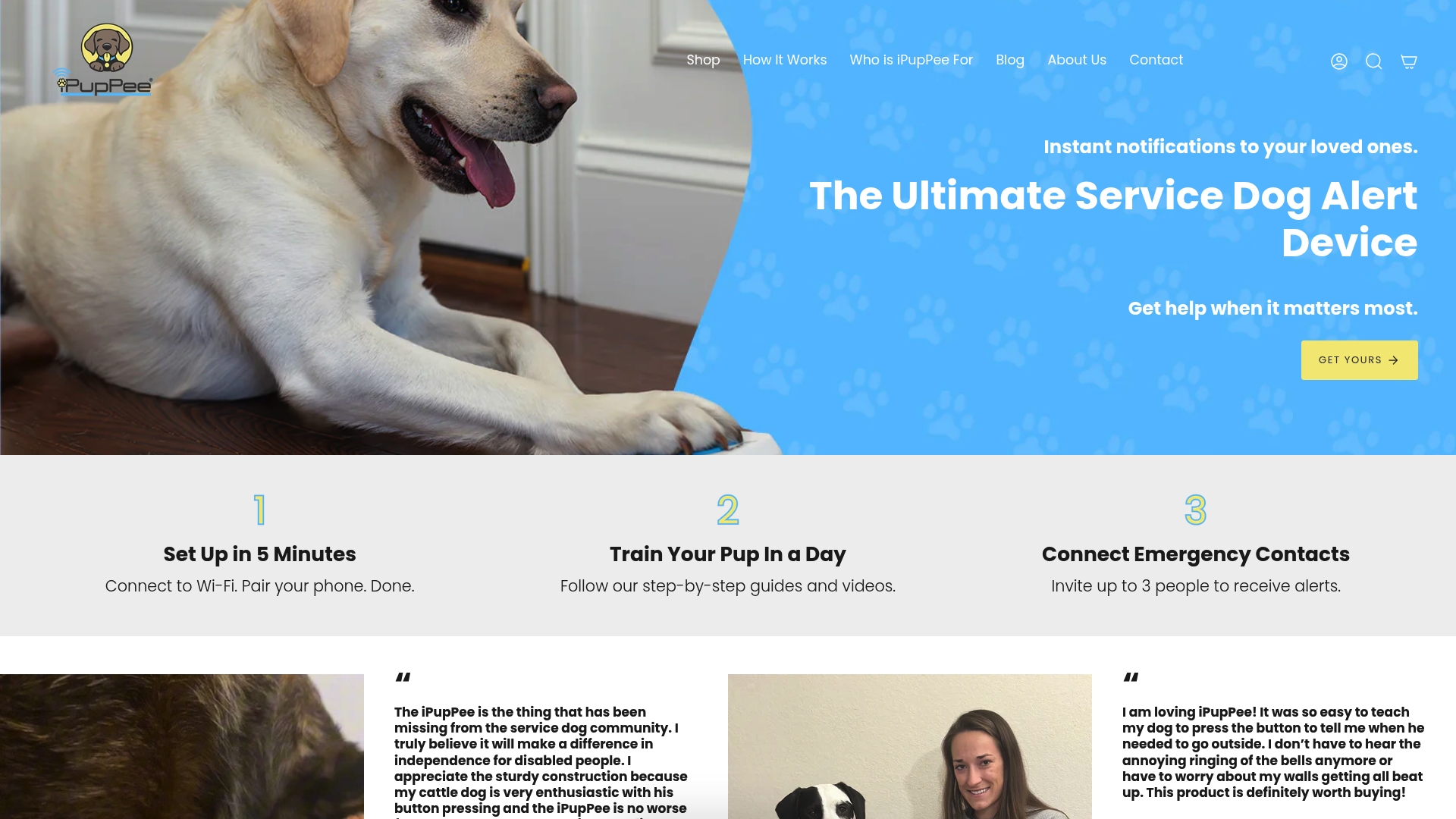
Discover how easy it is to improve your pet activities safely today. Visit iPupPee to explore detailed training guides, watch customer testimonials, and shop the communication device that transforms your daily interactions. Do not wait to experience greater independence and peace of mind alongside your furry friend.
Frequently Asked Questions
What indoor games can I play with my dog that are safe for seniors?
Gentle indoor games like chair-based ball toss or seated fetch allow seniors to engage with their dogs while remaining stable and safe. Start with a game that feels comfortable, and aim for 10 to 15 minutes of play, allowing for breaks as needed.
How can I ensure my outdoor walks with my dog are safe as a senior?
Use safety devices such as walking aids with leash attachments or supportive footwear to enhance your stability during walks. Plan your walks during cooler times and on familiar paths to minimize hazards.
What are some effective ways for my dog to communicate their needs?
Interactive pet communication training using buttons can help your dog express basic needs like “outside” or “water.” Begin with one or two buttons, reinforcing their use with positive rewards, and practice daily for clear communication.
How can I incorporate my dog into my exercise routine as a senior?
Pet-friendly exercises like chair yoga or slow walking circuits allow you to safely stay active with your dog. Aim for short sessions of 10 to 15 minutes, at least three times per week to establish a consistent routine.
What quiet activities can I do with my dog to strengthen our bond?
Engage in relaxing bonding activities like sitting quietly together or gentle hand stroking to enhance your connection with your dog. Set aside 15 to 20 minutes each day for these calming moments, which can be just as meaningful as active play.
How can I simplify grooming my dog while ensuring it remains a bonding experience?
Regular seated grooming sessions, where you brush your dog for 5 to 10 minutes, can turn into quality time together. Focus on simple techniques and schedule grooming when you feel rested to maintain consistency without stress.
Recommended
- 7 Essential Senior Pet Owner Tips for Safer, Happier Dogs – iPupPee
- 7 Essential Senior Dog Care Tips for Health and Happiness – iPupPee
- 7 Best Dog Breeds for Seniors and Safe Companionship – iPupPee
- Senior Pet Companionship: Enhancing Life for Aging Dogs – iPupPee
- 7 Essential Tips for Moving Advice for Seniors - Onyx Removals
- Mistakes to Avoid When Moving With Pets