

Use this rehoming evaluation checklist to screen adopters, prepare the dog, complete transfer paperwork, and run a safe trial handover before you ever hand over a leash. The core sequence is: screen, verify, meet, trial, transfer, follow up.
Before you post anywhere, prioritize these:
- Confirm a vet reference and call it yourself.
- Rule out obvious housing barriers (renters need landlord sign off; fenced yards need a real fence, not a hope).
- Require a home visit or video tour. An adopter who balks at this is telling you something.
Skip Facebook posts, “free to good home” listings, and rushed weekend handovers. Casual classifieds attract flippers and people who never intended to keep the dog past a week, and a rushed exchange leaves no paper trail if something goes wrong.
Key Takeaways
A rehoming placement succeeds when adopter screening, honest paperwork, and structured follow-up replace guesswork and rushed handovers.
| Point | Details |
|---|---|
| Screen before you meet | Verify vet and landlord references by phone, not just on paper. |
| Prioritize evidence-backed traits | Weigh aggression, biting history, resource guarding, and housetraining most heavily, per the Frontiers review. |
| Require a home or video check | An adopter who refuses this step is a decisive reason to pause the placement. |
| Use a written transfer agreement | Include identities, microchip ID, date, signatures, and a follow-up schedule. |
| Support the transition with tools | Ipuppee’s alert device and onboarding guides help new owners read a dog’s needs faster. |
Table of Contents
- Printable Rehoming Evaluation Checklist, Step by Step
- How Do You Screen Adopters for Red Flags?
- What Does the Evidence Actually Support?
- Preparing the Dog and Paperwork Before Handover
- Running the Meet-and-Greet and Home Visit
- Trial Placement, Transfer Agreement, and Safe Handover
- Post-Adoption Follow-Up That Actually Reduces Returns
- A Practitioner’s Note on Patience
- How Ipuppee Supports a Smoother Handover
- Frequently Asked Questions
- Sources
Printable Rehoming Evaluation Checklist, Step by Step
Work through this in order. Each stage filters out the wrong match before you invest emotional energy or shelter resources in it.
1. Pre-screen the dog before you screen anyone else.
- Confirm vaccination records, deworming history, and spay/neuter status.
- Verify the microchip is active and registered to a number you can update later.
- Note any known behavior issues honestly, in writing, before the first application arrives.
2. Review applications and run a phone screen. Look for consistency between what someone writes and what they say out loud. Ask about daily schedule, other pets, and why they want this specific dog rather than any dog.
3. Call references, not just check boxes. A rehoming playbook from KC Pet Project includes sample questions for verifying vet history and landlord permission, and it is worth adapting for your own intake form.
4. Run a meet-and-greet with real observation, not just a handshake. Watch how the applicant approaches the dog, not just whether the dog approaches them.
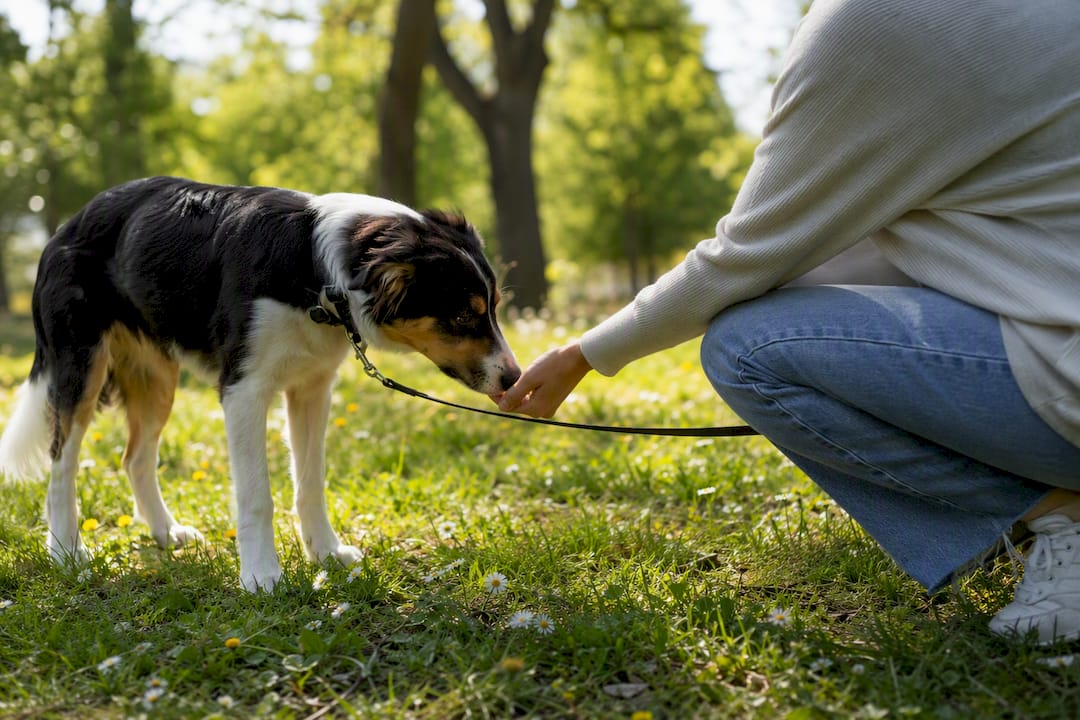
5. Do a home or video visit. Ask to see the yard, the fence line, and where the dog will sleep. Photograph gaps in fencing if you can.

6. Set a trial period with a signed transfer agreement, and hand over every document and comfort item the dog needs on day one.
Pro Tip: Ask the applicant to walk the dog on their own property during the home visit. How they handle the leash tells you more than any interview answer.
Red flags that should pause the process: refusal of a home check, vague answers about children or resident pets, or a housing situation that changed twice during the conversation.
How Do You Screen Adopters for Red Flags?
The application itself should ask about housing type, household composition, work schedule, prior pet history, and the specific reason for wanting to adopt now. Vague answers to that last question deserve a follow-up call, not a rubber stamp.
During the phone screen, verify what the application claims. Call the vet reference and ask directly: has this person kept up with routine care for past pets, and did they ever surrender one? Call the landlord, if renting, and confirm pets are actually permitted, not just tolerated informally.
Watch for these patterns:
- Multiple pet rehomes in the past two to three years with no clear explanation.
- Evasiveness about whether children or other animals live in the home.
- Refusal to allow any home visit or video walkthrough, even a short one.
- Pressure to skip paperwork or complete the handover same day.
A modest rehoming fee filters more effectively than most people expect. It is not about recovering costs. Guides on rehoming a dog responsibly consistently note that a small fee discourages flippers and people who acquire animals for resale or bait, because free animals are disproportionately targeted by exactly those groups.
What Does the Evidence Actually Support?
Most behavior checklists floating around rescue circles have never been validated. A 2021 review in Frontiers in Veterinary Science looked at organizational pre-adoption screening and found scientific support for only ten specific characteristics tied to relinquishment or safety risk: aggression toward people or other animals, biting history, resource guarding, housetraining problems, destructiveness, fearfulness, and exercise needs among them.
The review’s authors found that while these ten traits carry real evidentiary weight, most other items commonly used in pass/fail behavior tests lack strong predictive validity, and organizations may get better results investing in adopter education and post-adoption support than in exclusion.
That is a meaningful distinction for any shelter still running rigid temperament tests as a gatekeeping tool. A dog that fails an obscure test item unrelated to the ten supported traits is not necessarily unsafe. It may just be stressed in an unfamiliar room with a stranger holding a clipboard.
Preparing the Dog and Paperwork Before Handover
A clean handover starts with complete records, not a hurried goodbye. Gather everything before you meet the adopter, not the morning of.
- Vaccination history, deworming dates, and any current medications with dosing instructions.
- Microchip number and registry login information, so the new owner can update it immediately.
- A one-page care sheet covering feeding schedule, known commands, calming cues, and anything that stresses the dog.
- Familiar bedding, a favorite toy, and a few days’ supply of the dog’s current food to avoid a diet change on top of everything else.
Direct home-to-home transfers, where the dog moves straight from one household to another without an intermediate shelter stay, tend to reduce stress and cut down on the administrative gaps that hurt long-term outcomes, according to guidance from PetRescue NZ. Update the microchip registry the same day the transfer agreement is signed. It is the single most skipped step and the one most likely to matter if the dog ever goes missing.
Running the Meet-and-Greet and Home Visit
- Start neutral. A fenced park or quiet sidewalk works better than the dog’s current home, where territorial behavior can skew the read.
- Watch the human, not just the dog. Does the applicant crouch and let the dog approach, or crowd in immediately? That single choice tells you about their instincts.
- Bring resident pets or children into a second, controlled meeting if they will share the home. A calm, supervised introduction reveals more than any written answer about “kids and other pets” ever could.
- Check the physical space. Fencing height and gaps, gate latches, pool access, and toxic plants in the yard all matter more than furniture.
- Match the home to the dog’s actual needs. A high-energy dog in a small apartment with no yard and a sedentary routine is a mismatch worth flagging honestly, not glossing over.
Trial Placement, Transfer Agreement, and Safe Handover
A one to two week trial period gives both sides room to discover problems before the paperwork becomes final. Set clear, written criteria for what would end the trial early: aggression toward a resident animal, an escape attempt, or a housing detail that turns out to be false.
Your transfer agreement does not need to be long, but it needs these pieces:
- Full names and contact information for both parties.
- The dog’s description, microchip number, and date of transfer.
- Signatures from both the surrendering party and the new owner.
- An agreed schedule for follow-up check-ins.
Pro Tip: Hand over the dog in daylight, at a location both parties can reach easily, and stay for the first hour if the adopter is comfortable with that. Confirm the fee and paperwork before you leave, not after.
Post-Adoption Follow-Up That Actually Reduces Returns
A follow-up plan is not optional extra credit. It is the difference between catching a problem early and getting a dog back three months later, more stressed than before.
- Check in at 48 to 72 hours. Ask about sleeping, eating, and any signs of anxiety.
- Follow up at two weeks. This is when housetraining regressions or resource guarding around food often surface.
- Check again at one month and three months. Ask directly whether the routine described in your care sheet is holding up.
- Offer a trainer or behaviorist referral the moment an adopter mentions a behavior concern, rather than waiting for it to escalate.
- Document every conversation. If a return becomes necessary, a mediated handback with your organization involved is safer for the dog than a second casual rehoming.
A Practitioner’s Note on Patience
Every shortcut in this process, skipping the home visit, waiving the fee, rushing the paperwork, trades a few days of convenience for months of risk. The organizations that place dogs successfully are rarely the fastest. They are the ones willing to say “not yet” to an application that feels almost right. Our rehoming checklist resources reflect exactly that discipline.
How Ipuppee Supports a Smoother Handover
A dog moving into a new home cannot explain what it needs, and a new owner often cannot read the signals fast enough during those first anxious days. That gap is where placements quietly fall apart. Ipuppee’s Wi-Fi enabled alert device gives a rescue dog a direct way to signal its owner with a button press, backed by live video and two-way audio, so a new adopter gets real-time insight into a dog they have known for a week, not a year.
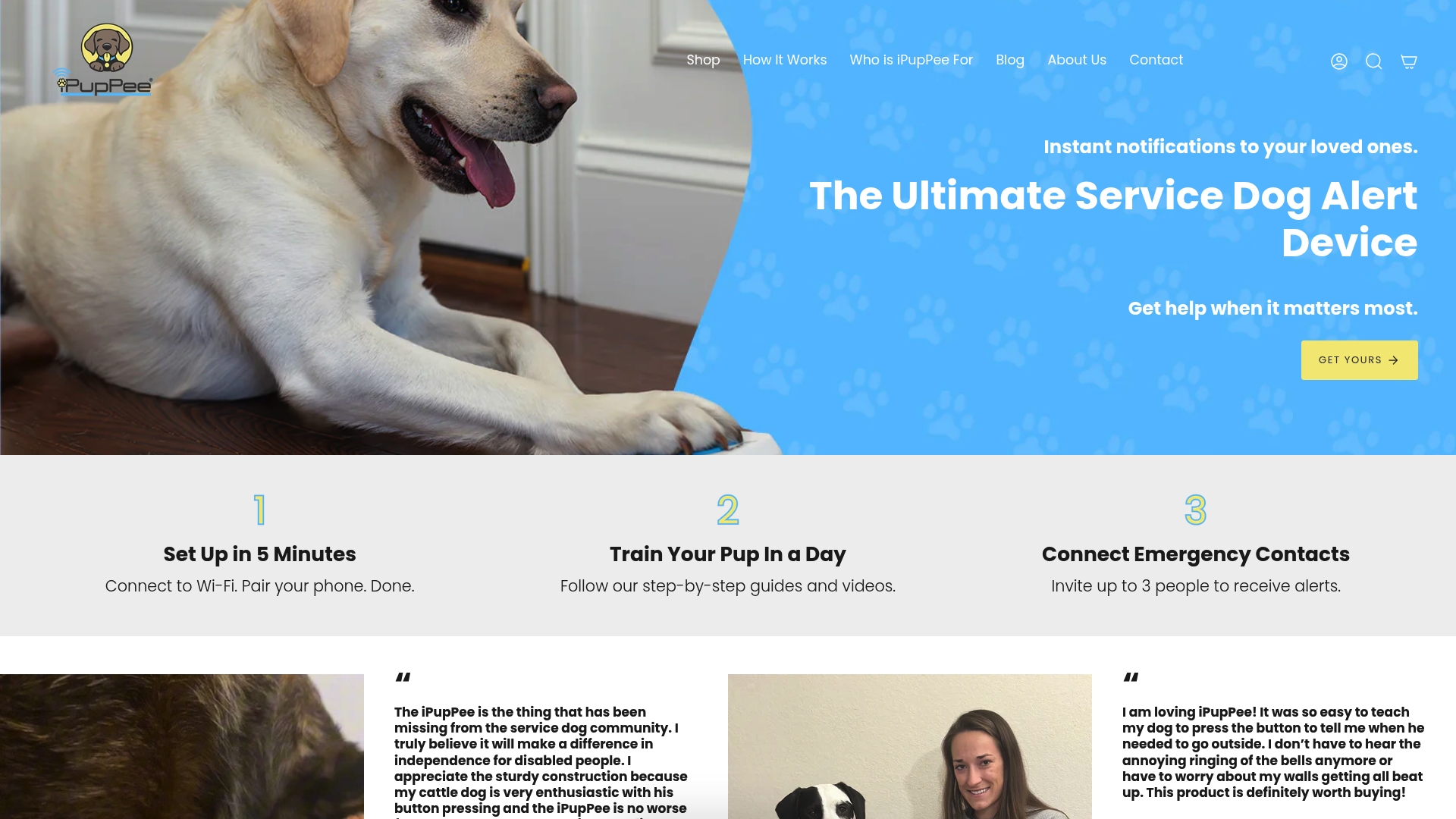
That kind of clarity matters most during the exact window this checklist covers: the trial period and the first follow-up calls. Pair the device with Ipuppee’s rescue dog behavior guidance and onboarding resources for handling rescue dogs, and a new owner has a practical head start instead of guesswork. Visit Ipuppee to see the device and training course, and give your next placement a better shot at sticking.
Frequently Asked Questions
What is the most important item on a rehoming evaluation checklist? Verifying a vet reference by phone matters most. It confirms the applicant’s actual pet care history rather than what they claim on an application.
How much should a rehoming fee be? There is no universal figure, but practitioner guides consistently recommend a modest fee rather than a free listing, since free animals draw far more interest from flippers and resellers.
Should I skip a home visit if the applicant seems trustworthy over the phone? No. A refusal to allow a home or video visit is one of the clearest red flags in the entire screening process, regardless of how the phone call went.
How long should a trial placement last? One to two weeks gives enough time to surface housetraining issues, resource guarding around food, or reactions to a resident pet, without dragging out an uncertain match.
Do behavior tests reliably predict whether a dog will be safe in a new home? Only partially. Peer-reviewed evidence supports a small set of traits, but most pass/fail test items used by shelters lack strong predictive validity, which is why post-adoption support matters as much as pre-adoption screening.
Sources
Use the KC Pet Project playbook for adopter questionnaires and transfer forms, the Bissell evaluation questionnaire for vetting partner rescues, and the Frontiers evidence review for screening criteria grounded in actual data.
- KC Pet Project rehoming playbook
- How to Rehome a Dog: A Compassionate, Step-by-Step Guide (Sidewalk Dog)