

Most american rescue organizations face the difficult reality that over 60 percent of dogs arriving from traumatic backgrounds require specialized rehabilitation beyond basic care. For pet owners and animal advocates worldwide, understanding effective rescue and rehab methods can mean the difference between survival and true healing. This guide reveals advanced approaches and cutting-edge devices that empower caregivers to support canine independence, safety, and lasting recovery.
Table of Contents
- Defining Dog Rescue And Rehabilitation
- Major Types Of Rescue Operations
- Core Steps In Dog Rehabilitation
- Legal And Ethical Requirements Worldwide
- Integrating Communication And Safety Devices
- Common Challenges And Mistakes To Avoid
Key Takeaways
| Point | Details |
|---|---|
| Comprehensive Rescue Approach | Dog rescue and rehabilitation require a holistic strategy to address both physical and psychological needs of canines from traumatic backgrounds. |
| Structured Rehabilitation Process | Implement individualized rehabilitation plans that incorporate medical treatment, behavioral modification, and ongoing assessment to support dogs’ recovery. |
| Legal and Ethical Compliance | Recognize that operating a rescue organization involves adhering to legal frameworks and ethical standards to ensure humane treatment of animals. |
| Avoid Critical Mistakes | Acknowledge common challenges, such as inadequate assessments and resource limitations, to enhance the effectiveness of rescue efforts. |
Defining Dog Rescue and Rehabilitation
Dog rescue and rehabilitation represents a comprehensive approach to supporting canines who have experienced trauma, neglect, or challenging life circumstances. This process goes far beyond simple animal welfare, focusing on holistic restoration of physical health, emotional stability, and social adaptability for dogs transitioning from difficult backgrounds. Comprehensive rehabilitation programs now incorporate scientific methodologies to address the complex needs of rescued animals.
At its core, dog rescue involves identifying, recovering, and providing immediate care for animals in distress. This might include dogs from abusive environments, abandoned pets, strays, or those surrendered by owners unable to provide proper care. Rehabilitation takes this initial intervention further by developing structured approaches to heal physical injuries, address behavioral challenges, and prepare dogs for potential adoption or integration into new family environments. The goals extend beyond mere survival to supporting dogs in achieving optimal psychological and physical wellness.
Professional rescue and rehabilitation efforts now employ sophisticated strategies drawn from veterinary science, animal behavior studies, and trauma-informed care principles. International research on rehabilitation programs demonstrates that successful interventions require multidisciplinary approaches, including:
- Comprehensive medical assessment and treatment
- Behavioral modification techniques
- Socialization training
- Psychological support and trauma recovery
- Ongoing monitoring and adaptive care strategies
Pro tip: When considering dog rescue, approach the process with patience, understanding that each dog’s rehabilitation journey is unique and requires individualized, compassionate support.
Major Types of Rescue Operations
Dog rescue operations represent a diverse and critical field encompassing multiple specialized approaches designed to save, protect, and rehabilitate canines in various challenging environments. Comprehensive global rescue research identifies several key types of rescue operations, each serving unique purposes and requiring specific training and expertise.
Urban Search and Rescue (USAR) stands as one of the most complex rescue types, involving dogs working in disaster zones like collapsed buildings, earthquake sites, and urban catastrophe areas. These highly trained dogs use advanced scent detection skills to locate trapped or injured individuals, often working alongside human rescue teams in dangerous and unpredictable environments. Their ability to navigate tight spaces and detect human presence makes them invaluable in critical emergency scenarios.
Other significant rescue operation types include:
Here is a summary comparing major types of dog rescue operations and their key characteristics:
| Rescue Type | Primary Environment | Main Skills Required | Typical Mission Examples |
|---|---|---|---|
| Urban Search & Rescue (USAR) | Disaster zones, cities | Advanced scent detection | Collapsed buildings, earthquake sites |
| Wilderness Rescue | Forests, remote terrain | Tracking, navigation | Locating lost hikers |
| Water Rescue | Lakes, rivers, oceans | Swimming, retrieval skills | Aquatic emergency response |
| Avalanche Rescue | Snowy mountains | Snow search, endurance | Avalanche victim detection |
| Tracking & Scent Detection | Urban, rural areas | Scent discrimination, focus | Missing person or suspect search |
| Disaster Response | Varied crisis sites | Flexibility, rapid deployment | Floods, fires, or large-scale emergencies |
- Wilderness Rescue: Dogs tracking lost hikers or survivors in remote terrain
- Water Rescue: Specialized canines assisting in aquatic emergencies and marine recovery missions
- Avalanche Rescue: Trained dogs detecting human survivors in snow-covered mountain regions
- Tracking and Scent Detection: Supporting law enforcement in locating missing persons or tracking criminal suspects
- Disaster Response: Providing critical support in natural and man-made emergency situations
Pro tip: When supporting rescue dog operations, understand that each dog’s specialized training represents years of dedicated preparation and an extraordinary bond between handler and canine.
Core Steps in Dog Rehabilitation
Dog rehabilitation is a comprehensive, multifaceted process that requires careful planning, professional expertise, and individualized strategies. Evidence-based rehabilitation approaches emphasize the importance of a systematic, holistic method designed to restore both physical and psychological well-being for rescued dogs.

The initial step involves a comprehensive medical and behavioral assessment, which helps professionals create a tailored rehabilitation plan. This critical phase includes detailed veterinary examinations, understanding the dog’s medical history, identifying physical limitations, and evaluating psychological trauma. Specialized veterinarians and rehabilitation experts conduct thorough screenings to develop precise intervention strategies that address each dog’s unique challenges.
Core rehabilitation steps typically involve:
- Medical Stabilization: Addressing immediate health concerns and treating existing medical conditions
- Pain Management: Utilizing therapeutic techniques to reduce physical discomfort
-
Physical Therapy: Implementing targeted exercises to rebuild strength and mobility
- Aquatic therapy
- Manual manipulation
- Strength-building exercises
- Behavioral Modification: Addressing psychological challenges through positive reinforcement
- Socialization Training: Gradually reintroducing dogs to positive social interactions
- Ongoing Assessment: Continually monitoring progress and adjusting rehabilitation strategies
Pro tip: Successful dog rehabilitation requires patience, consistency, and a compassionate approach that recognizes each dog’s individual healing journey.
Legal and Ethical Requirements Worldwide
Dog rescue and rehabilitation operations are governed by complex legal and ethical frameworks that vary significantly across different countries and jurisdictions. Comprehensive animal welfare standards establish critical guidelines that protect both rescued animals and the organizations responsible for their care, ensuring humane treatment and responsible rehabilitation practices.
These legal requirements typically encompass multiple critical dimensions, including animal protection laws, veterinary care standards, facility management regulations, and ethical treatment protocols. Organizations must navigate a complex landscape of national and regional regulations that dictate everything from housing conditions and medical treatment to behavioral rehabilitation and potential rehoming processes. Legal compliance demands rigorous documentation, transparent operational practices, and a demonstrable commitment to animal welfare that goes beyond minimal regulatory requirements.
Key legal and ethical considerations for dog rescue organizations include:
The following table highlights legal and ethical requirements for rescue organizations in different regions:
| Region | Key Animal Welfare Law | Unique Regulatory Focus |
|---|---|---|
| United States | Animal Welfare Act (AWA) | Emphasis on rehoming and facility licensing |
| European Union | EU Animal Welfare Strategy | Cross-border adoption protocols |
| United Kingdom | Animal Welfare Act 2006 | Strict shelter management standards |
| Australia | Prevention of Cruelty to Animals Acts | Mandated veterinary care in rescues |
- Veterinary Care Compliance: Meeting minimum medical treatment and health monitoring standards
- Facility Safety Regulations: Ensuring appropriate living conditions and environmental protections
- Behavioral Assessment Protocols: Implementing scientifically validated evaluation methods
- Transparent Adoption Procedures: Conducting thorough background checks and matching dogs with suitable homes
- Staff Training and Certification: Maintaining professional qualifications and ongoing education
- Financial Accountability: Maintaining clear financial records and ethical fundraising practices
- Animal Rights Protection: Guaranteeing humane treatment and preventing potential abuse
Pro tip: Always research local and national animal welfare regulations to ensure your rescue organization operates within full legal compliance and ethical standards.
Integrating Communication and Safety Devices
Technological advancements are revolutionizing dog rescue and rehabilitation through sophisticated communication and safety devices designed to enhance canine well-being and operational effectiveness. Advanced wearable electronic technologies now provide unprecedented capabilities for monitoring, tracking, and supporting dogs in complex rescue environments, bridging critical communication gaps between animals and their handlers.
Modern communication devices for rescue dogs incorporate multiple integrated functionalities that dramatically improve safety and operational performance. These sophisticated systems typically include GPS tracking, real-time health monitoring, environmental sensors, and remote communication capabilities. Such technologies enable precise location tracking, immediate health status reporting, and enhanced situational awareness, allowing handlers to make critical decisions quickly and protect their canine partners more effectively.
Key features of integrated communication and safety devices include:
- GPS Tracking: Pinpointing exact location during search and rescue missions
- Vital Sign Monitoring: Tracking heart rate, body temperature, and stress levels
- Environmental Sensors: Detecting hazardous conditions like extreme temperatures or toxic gases
- Two-Way Communication: Enabling remote command transmission and emergency signaling
- Biometric Data Collection: Providing comprehensive health and performance insights
- Durability and Waterproofing: Ensuring functionality in challenging rescue environments
- Long-Battery Life: Supporting extended operational periods
Pro tip: When selecting communication devices for rescue dogs, prioritize systems that offer robust, multi-functional capabilities while maintaining comfort and minimal interference with the dog’s natural movement.
Common Challenges and Mistakes to Avoid
Dog rescue and rehabilitation present numerous complex challenges that can significantly impact the success of rescue efforts and the long-term well-being of rescued animals. Comprehensive analysis of rescue challenges reveals that many organizations struggle with systemic issues that can compromise their ability to provide effective, compassionate care.

The most critical mistakes in dog rescue often stem from inadequate planning, insufficient resources, and a lack of comprehensive understanding of individual animal needs. Rescue teams frequently underestimate the depth of behavioral and medical challenges faced by traumatized dogs, leading to ineffective rehabilitation strategies. This can result in prolonged recovery periods, increased stress for both animals and handlers, and potentially unsuccessful placement outcomes.
Key challenges and mistakes to avoid in dog rescue include:
- Insufficient Medical Assessment: Failing to conduct thorough initial and ongoing health evaluations
- Overlooking Behavioral Trauma: Underestimating the psychological impact of past experiences
- Resource Limitations: Inadequate funding, staffing, or specialized training
- Poor Matching Processes: Inappropriate dog-to-home placements
- Lack of Individualized Care: Applying generic rehabilitation approaches
- Staff Burnout: Neglecting the emotional well-being of rescue workers
- Incomplete Documentation: Inconsistent tracking of animal progress and medical history
- Unrealistic Expectations: Setting inappropriate recovery and adoption timelines
Pro tip: Develop a holistic, patient-centered approach that prioritizes individual animal needs and recognizes that successful rehabilitation is a complex, time-intensive process.
Enhance Your Rescued Dog’s Safety and Communication Today
Dog rescue and rehabilitation require patience, compassion, and the right tools to support every stage of a dog’s healing journey. Many rescued dogs face challenges in communication and safety that can slow their progress or cause stress. The article highlights the importance of individualized care and advanced monitoring to help these dogs regain confidence and thrive in new environments. You can empower your rescue dog with innovative support that bridges communication gaps and enhances safety during rehabilitation.
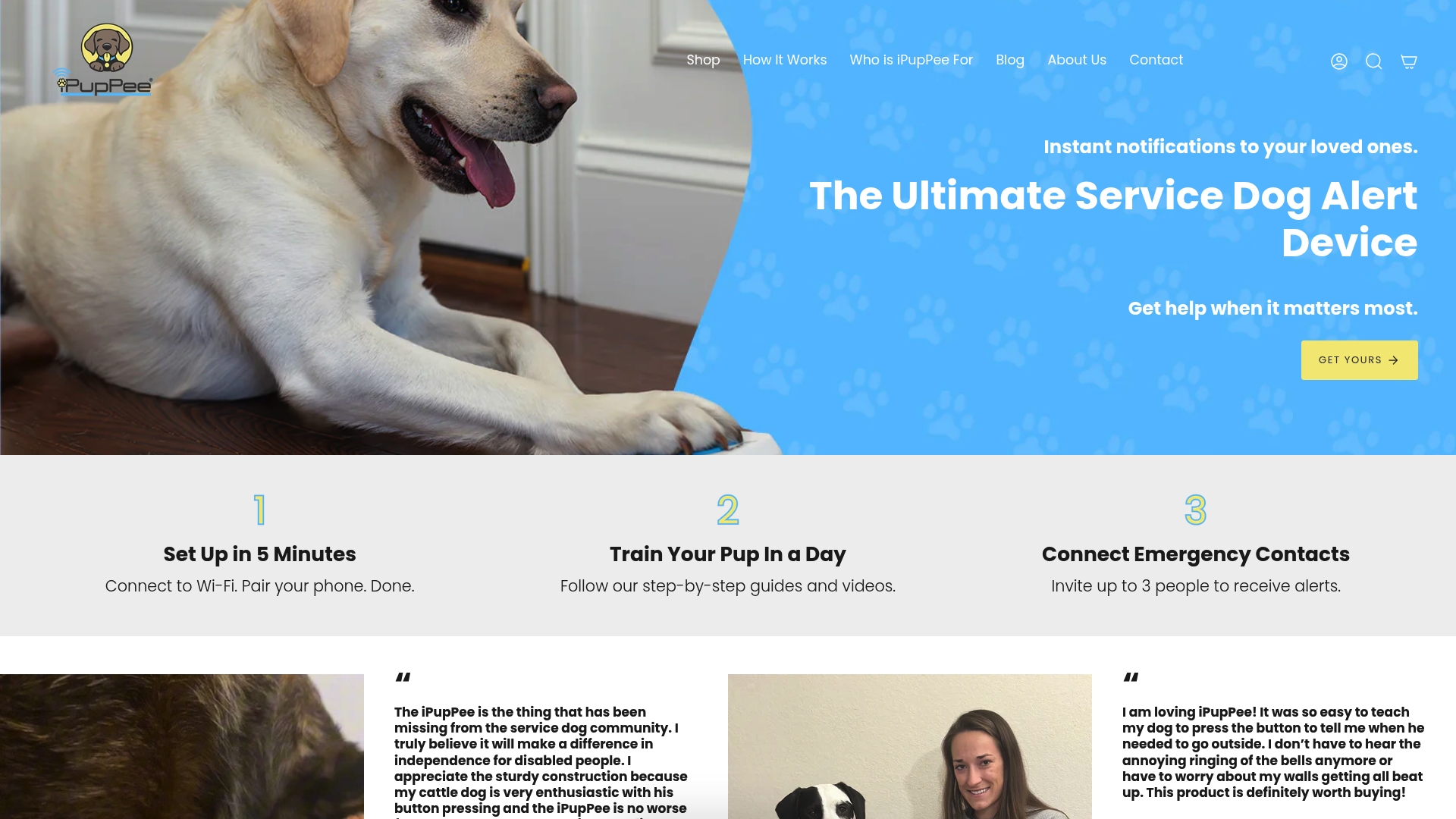
Discover how the unique iPupPee device can make a vital difference in your dog’s rehabilitation by enabling clear, simple communication between you and your dog. Whether you are a rescue dog handler or a new puppy owner focused on socialization and training, iPupPee offers a trusted way to monitor your dog’s needs and respond quickly, boosting both safety and independence. Take the next step toward a better life for your dog and explore our solutions at ipuppee.com now. Your rescued companion deserves the best care and communication support available.
Frequently Asked Questions
What is the process involved in dog rescue and rehabilitation?
Dog rescue and rehabilitation involves identifying, recovering, and providing immediate medical and behavioral care to dogs in distress, followed by a structured approach to help them heal physically and emotionally for potential adoption.
How do organizations assess the needs of a rescued dog?
Organizations typically conduct a comprehensive medical and behavioral assessment to create a tailored rehabilitation plan. This includes veterinary evaluations, understanding the dog’s medical history, and evaluating any psychological trauma.
What types of rehabilitation techniques are used for rescued dogs?
Rehabilitation techniques may include medical stabilization, pain management, physical therapy, behavioral modification, and socialization training, all aimed at restoring the dog’s overall well-being.
What are some common challenges faced in dog rescue operations?
Common challenges include insufficient medical assessments, overlooking behavioral trauma, resource limitations, poor matching processes for adoptions, and unrealistic expectations regarding recovery times.