

Many owners believe rescue dogs simply need love and patience to overcome trauma, but effective rehabilitation requires specific, evidence-backed techniques that address both behavioral and emotional needs. Without understanding core training methods like desensitization, counter-conditioning, and stress management, well-meaning owners often struggle with reactivity, anxiety, and behavioral challenges that could be prevented. This guide explains proven rehabilitation strategies to help you build safety, strengthen communication, and support your rescue dog’s well-being from shelter to home.
Table of Contents
- Key takeaways
- Understanding core methodologies in dog rescue rehabilitation
- Managing stress and reactivity: scientific approaches from shelter to home
- Training challenges and behavioral nuances in rescue dogs
- Supporting post-adoption success and reducing returns
- Enhance your rescue dog’s journey with iPupPee
- FAQ
Key Takeaways
| Point | Details |
|---|---|
| Core rehab methods | Combining safety, positive reinforcement, desensitization, and counter conditioning builds trust and supports gradual behavioral change. |
| Noncontingent reinforcement | Delivering independent rewards lowers shelter dog reactivity by creating positive associations with humans without requiring specific behaviors. |
| Fostering reduces stress | Fostering lowers stress hormones and improves rest for shelter dogs. |
| Post adoption progress | Behavior issues decrease over months, supporting long term recovery. |
| Returns reasons shift | Training shifts why dogs are returned but does not drastically reduce overall return rates. |
Understanding core methodologies in dog rescue rehabilitation
Successful dog rescue and rehabilitation starts with establishing a foundation built on safety and predictability. Rescued dogs often arrive with trauma histories that make them hypersensitive to environmental changes, sudden movements, and unpredictable human interactions. Creating a safe, predictable environment through positive reinforcement allows these dogs to begin healing by reducing their constant state of vigilance.
Positive reinforcement forms the backbone of modern rehabilitation approaches. This technique rewards desired behaviors with treats, praise, or play, encouraging dogs to repeat those actions naturally. When a rescue dog sits calmly instead of jumping, immediate positive feedback teaches them that calm behavior earns rewards. This method builds confidence without creating fear or confusion, which is critical for dogs who may have experienced punishment-based training or neglect.
Desensitization and counter-conditioning work together to address fear triggers systematically. Desensitization gradually exposes dogs to scary stimuli at low intensities, while counter-conditioning pairs those triggers with positive experiences. If your rescue dog fears strangers, you might start by having people stand far away while you offer treats, slowly decreasing distance over weeks as the dog’s comfort increases.
Rescue dogs typically present specific behavioral targets that require focused attention:
- Human-directed reactivity including barking, lunging, or cowering when approached
- Resource guarding behaviors around food, toys, or sleeping areas
- Separation anxiety manifesting as destructive behavior or excessive vocalization
- Leash reactivity toward other dogs, people, or environmental triggers
- Generalized anxiety showing as pacing, panting, or inability to settle
Combining these methodologies creates a comprehensive rehabilitation framework that addresses both immediate behavioral concerns and underlying emotional trauma. The rescue dog training guide approach emphasizes patience and consistency, recognizing that behavioral change happens gradually as trust develops between dog and owner.
Pro Tip: Track your rescue dog’s progress in a simple journal, noting triggers, successful interventions, and setbacks. This record helps you identify patterns and adjust your approach based on what actually works for your specific dog rather than generic advice.
Managing stress and reactivity: scientific approaches from shelter to home
Science has revealed powerful techniques for reducing stress and reactivity that go beyond traditional training methods. Noncontingent reinforcement reduces human-directed reactivity by delivering food rewards independent of the dog’s behavior, creating positive associations with human presence without requiring specific actions. This approach particularly benefits shelter dogs who display barrier frustration, helping them remain calm at kennel fronts and increasing their chances of adoption.
The research shows remarkable results when dogs receive response-independent food delivery during human approaches. Dogs who previously barked, jumped, or showed avoidance behaviors began staying calmly at kennel fronts, making eye contact, and displaying relaxed body language. This shift happens because the dog learns that human presence predicts good things regardless of their behavioral response, removing the pressure to perform while building positive associations.
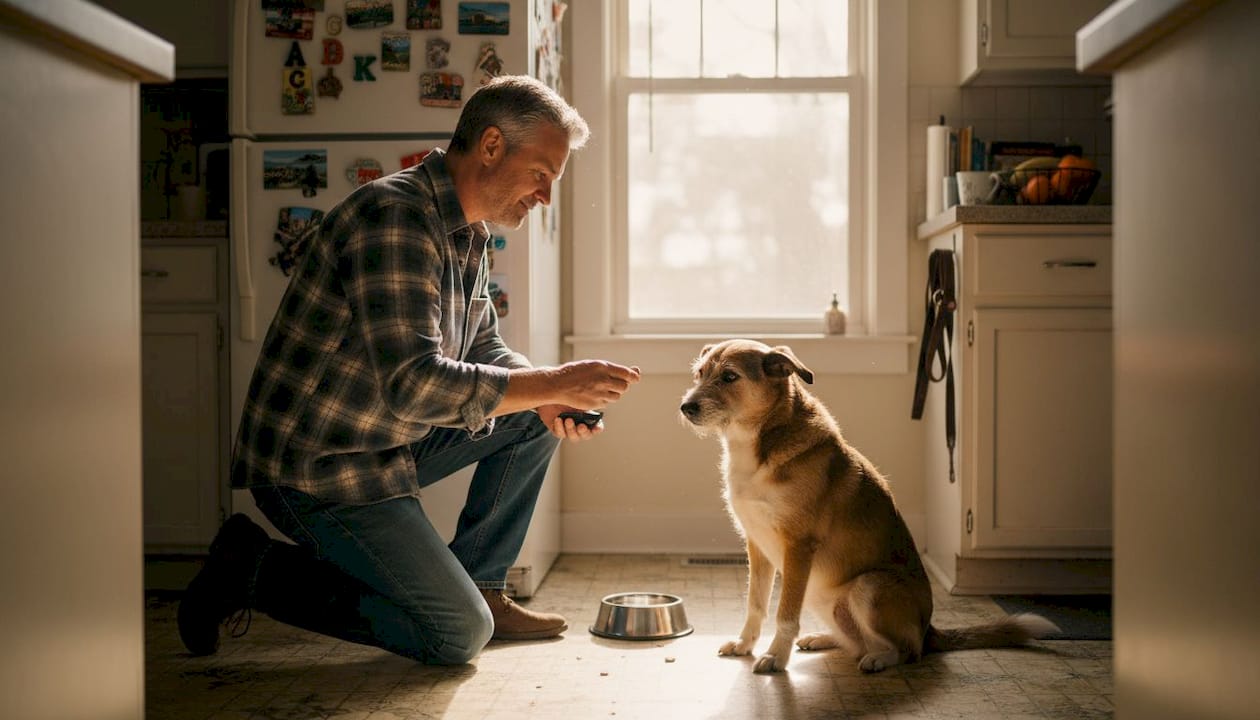
Fostering provides another scientifically validated intervention for stress reduction. Weeklong fostering reduces cortisol levels and increases resting time compared to shelter kennels, giving dogs a crucial recovery period that improves both welfare and adoptability. The home environment offers predictability, reduced noise, and individualized attention that kennels cannot replicate.
| Metric | Shelter kennel | Foster home | Change |
|---|---|---|---|
| Cortisol level | Elevated baseline | Significantly reduced | 35-40% decrease |
| Resting time | 45-55% of day | 65-75% of day | 20-30% increase |
| Stress behaviors | Frequent pacing, panting | Minimal stress signals | 60-70% reduction |
| Sleep quality | Interrupted, shallow | Deeper, consolidated | Marked improvement |
These metrics demonstrate why fostering serves as a critical bridge between shelter and permanent adoption. Dogs who spend time in foster homes arrive at their forever homes with lower baseline stress, making them more receptive to training and better able to form attachments. The reduction in stress hormones also supports immune function and overall health, addressing the physical toll of shelter environments.
Stress management directly impacts rehabilitation success because chronic stress impairs learning, increases reactivity, and delays behavioral progress. When a dog exists in constant fight-or-flight mode, their brain cannot process new information effectively or form positive associations. Reducing stress through environmental changes, fostering, and noncontingent reinforcement creates the mental space necessary for actual rehabilitation work.
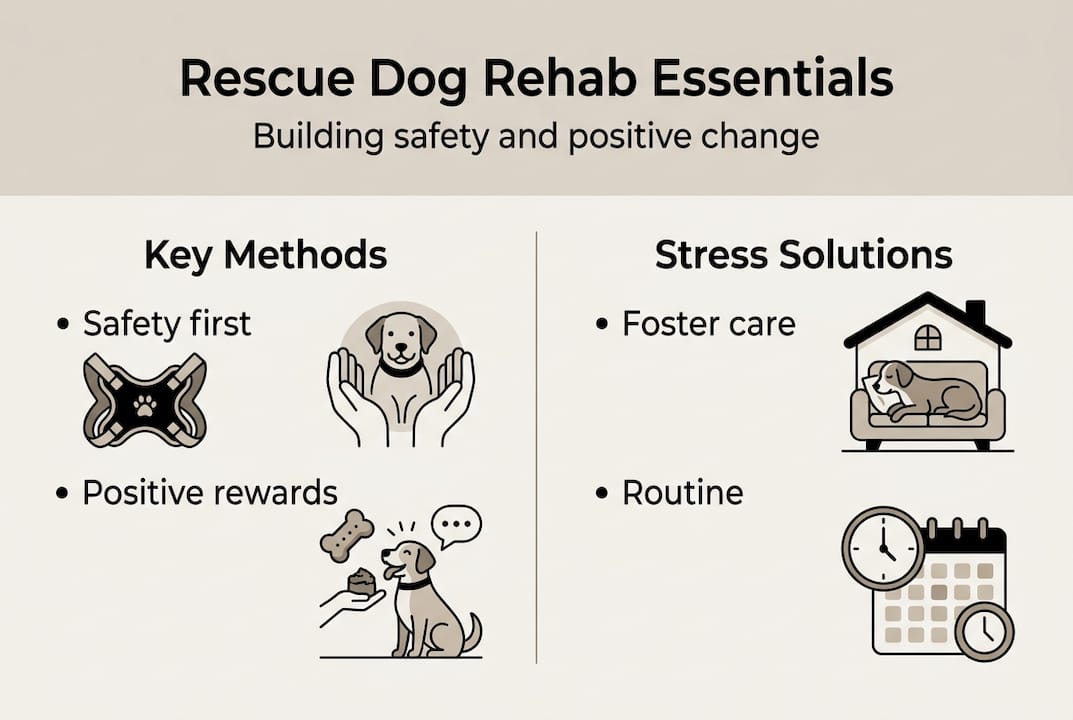
Pro Tip: If you cannot foster long-term, consider becoming a weekend foster to build trust and calm quickly in shelter dogs. Even 48-hour breaks significantly reduce stress and help dogs decompress, while understanding common behavioral issues in rescue dogs prepares you to provide targeted support.
Training challenges and behavioral nuances in rescue dogs
Rescue dogs present specific training challenges that differ from puppies raised in stable environments. Behaviors like leash pulling and grabbing predict longer shelter stays, indicating these issues significantly impact adoptability and require focused intervention. Younger dogs tend toward higher excitability, which manifests as jumping, mouthing, and difficulty settling, while older rescues may display learned behaviors from previous homes that conflict with new owner expectations.
Common challenging behaviors include:
- Leash pulling that makes walks stressful and physically demanding for owners
- Grabbing behaviors including mouthing hands, stealing objects, or resource guarding
- Excessive excitability during greetings, mealtimes, or when visitors arrive
- Counter-surfing and trash-raiding driven by food insecurity or boredom
- Door dashing and recall failures stemming from poor impulse control
These behaviors often correlate with shelter stay duration because they reduce a dog’s appeal to potential adopters and may trigger returns if not addressed pre-adoption. Understanding this connection helps rehabilitation professionals prioritize which behaviors to target first for maximum impact on adoption outcomes.
The training methodology debate centers on positive reinforcement versus balanced training approaches. Science strongly supports positive reinforcement for welfare and long-term behavioral outcomes, but some practitioners employ balanced training for severe reactivity or aggression cases.
| Training approach | Methods used | Welfare impact | Best suited for |
|---|---|---|---|
| Positive reinforcement | Rewards, marker training, environmental management | High welfare, builds confidence | Most rescue dogs, fear-based behaviors |
| Balanced training | Rewards plus corrections, tools like prong collars | Variable welfare, may increase stress | Severe aggression cases (controversial) |
| Force-free | Exclusively positive methods, no aversives | Highest welfare, slower for some issues | Dogs with trauma histories |
| Traditional | Dominance-based, physical corrections | Poor welfare, outdated science | Not recommended for rescues |
Common pitfalls in rescue dog training that owners should avoid:
- Progressing too quickly through desensitization protocols before the dog is ready
- Inconsistent rules between household members creating confusion
- Inadvertently reinforcing unwanted behaviors through attention or emotional reactions
- Comparing progress to other dogs instead of measuring individual improvement
- Skipping foundation skills like impulse control in favor of advanced tricks
The relationship between training approach and behavioral outcomes matters enormously for rescue dogs who may have experienced punishment or neglect. Using aversive methods with traumatized dogs can worsen fear, increase aggression, and damage the human-animal bond. Even when balanced training produces short-term compliance, it may create long-term emotional harm that manifests as generalized anxiety or unpredictable reactivity.
Understanding these nuances helps owners make informed decisions about dog rescue training challenges and select professionals whose methods align with current behavioral science. The goal extends beyond stopping unwanted behaviors to building a confident, resilient dog who trusts their environment and handler.
Supporting post-adoption success and reducing returns
Post-adoption support dramatically influences long-term success for rescue dogs and their families. Phone call support reduces behavior problems over time, with research showing that regular check-ins help owners troubleshoot challenges before they escalate into return decisions. When shelters or rescue organizations maintain contact during the critical first months, adopters feel supported and gain confidence in their ability to manage behavioral issues.
The data reveals an interesting pattern in return reasons. When training is provided pre or post-adoption, returns shift from behavioral causes to owner-related factors like housing changes, allergies, or lifestyle incompatibility. This suggests that training changes return reasons rather than preventing returns altogether, highlighting the importance of matching dogs to appropriate homes initially.
Behavioral improvements follow a predictable timeline post-adoption. Most dogs show initial stress during the first week as they adjust to new environments, routines, and expectations. Weeks two through eight typically bring gradual settling as dogs learn household rules and bond with family members. Significant behavioral progress becomes evident between months three and six, when dogs demonstrate reduced anxiety, improved impulse control, and stronger attachment behaviors.
Training classes after adoption offer mixed benefits. They provide structured learning environments and socialization opportunities, but research indicates they do not significantly reduce return rates. The value lies more in owner education and community building than in preventing specific behavioral problems. Classes work best when they complement individualized behavior plans rather than serving as the sole intervention.
Recommended post-adoption actions to reduce returns and support rehabilitation:
- Schedule veterinary checkup within first week to rule out medical causes of behavior issues
- Maintain consistent daily routines for feeding, walking, and quiet time
- Implement two-week decompression period with minimal visitors and low stimulation
- Establish clear household rules before the dog arrives and enforce them consistently
- Connect with trainer or behaviorist proactively rather than waiting for crisis
- Join online support communities specific to rescue dog owners for peer advice
- Document progress through photos and notes to recognize gradual improvements
Ongoing communication between adopters and rescue organizations creates safety nets that catch problems early. When adopters know they can call with questions or concerns without judgment, they are more likely to seek help before considering return. This relationship also allows rescue staff to provide tailored advice based on their knowledge of the specific dog’s history and temperament.
The dog rescue training keys to success emphasize patience and realistic expectations. Owners who understand that behavioral change takes months rather than weeks approach challenges with greater resilience. Research on shelter dog outcomes shows that program quality matters more than facility resources, reinforcing the importance of evidence-based approaches over expensive equipment or facilities.
Post-adoption support must address both behavioral and practical concerns. Financial assistance for training, veterinary care, or supplies can prevent returns driven by economic hardship. Educational resources about normal adjustment periods help owners distinguish between temporary stress behaviors and genuine problems requiring intervention. This comprehensive approach recognizes that successful adoption depends on supporting the entire family system, not just training the dog.
Enhance your rescue dog’s journey with iPupPee
Rehabilitation success depends on clear communication and safety tools that support your dog’s progress. iPupPee offers innovative solutions designed specifically for rescue dog owners who want to enhance their pet’s ability to communicate needs and maintain safety during the rehabilitation process. Our alert device helps dogs signal when they need to go outside, reducing accidents and building confidence through successful communication.

Our blog provides expert guidance on everything from building trust with fearful dogs to managing specific behavioral challenges. Whether you are working through separation anxiety, leash reactivity, or post-adoption adjustment, iPupPee resources give you practical strategies backed by current research. Visit our website to explore products and educational content that make rescue dog rehabilitation more successful and rewarding for both you and your pet.
FAQ
What are the best ways to communicate with a rescue dog?
Use calm body language, avoid direct eye contact initially, and speak in quiet, soothing tones to help fearful dogs feel safe. Observe your dog’s signals like ear position, tail carriage, and body tension to understand their emotional state. Respond gently to stress signals by giving space and rewarding calm behavior. Consistent verbal cues paired with hand signals help dogs learn commands more quickly. Dog communication for rescue techniques focus on building trust through predictable, positive interactions.
How can fostering improve a rescue dog’s rehabilitation?
Fostering reduces cortisol and increases resting time compared to shelter kennels, giving dogs critical recovery periods. The home environment provides predictability, individualized attention, and reduced noise that kennels cannot replicate. Dogs in foster care show 35-40% decreases in stress hormones and sleep 20-30% more than kenneled dogs. This stress reduction creates optimal conditions for learning and behavioral progress. Even short-term weekend fostering provides measurable benefits for shelter dog welfare.
What are common training challenges with rescue dogs?
Leash pulling and grabbing behaviors predict longer shelter stays and present significant training difficulties for adopters. High excitability, especially in younger rescue dogs, manifests as jumping, mouthing, and inability to settle during daily activities. Resource guarding, separation anxiety, and reactivity toward other dogs or people also commonly challenge owners. Consistency in training methods and patience during the adjustment period are critical to overcoming these issues. Most behavioral challenges improve significantly within three to six months with appropriate intervention.
Does post-adoption training prevent dogs from being returned?
Training shifts return reasons from behavioral issues to owner-related factors but does not dramatically reduce overall return rates. When dogs receive training, returns happen more often due to housing changes, allergies, or lifestyle incompatibility rather than behavioral problems. Owner education combined with training support improves retention more effectively than training alone. Post-adoption phone support and check-ins help owners troubleshoot challenges before they escalate. The key lies in appropriate dog-owner matching and ongoing support rather than training as a standalone solution.
Recommended
- How to handle rescue dogs: Complete guide for new owners – iPupPee
- Dog Rescue and Rehabilitation: Enhancing Lives Safely – iPupPee
- Dog Rescue Training: Keys to Success for Owners & Handlers 2025 – iPupPee
- Complete Guide to Training Rescue Dogs Basics – iPupPee
- Pet-Friendly HVAC Solutions: Healthier Homes for Pets - HVAC Service and Repair | Louisville, KY | Project Heating & Cooling