

Keeping your dog safe at home can feel overwhelming with so many hidden risks and daily distractions. Hazards can appear overnight, and even a quick walk in the yard brings its own set of challenges. As a dog owner, you want a secure environment where your pet can thrive without constant worry.
You are not alone in facing these concerns. The right actions can transform your living space into a sanctuary for your furry companion. From practical home adjustments to simple training routines, there are proven ways to minimize danger and keep your dog comfortable and protected.
Get ready to discover hands-on strategies that go beyond basic tips. These insights will give you confidence, clarity, and real-world solutions for everyday dog safety. Miss them and you might leave your canine friend exposed to avoidable risks.
Table of Contents
- Secure Your Home and Yard for Pets
- Train Dogs to Respond to Safety Commands
- Use Communication Devices for Extra Safety
- Keep Hazardous Items Out of Reach
- Provide Safe Walks with Reflective Gear
- Prepare for Emergencies and Medical Needs
- Monitor Dogs When Alone for Added Security
Quick Summary
| Takeaway | Explanation |
|---|---|
| 1. Secure your home and yard for pets | Identify and eliminate potential hazards in your home and yard to ensure your dog’s safety. Regular checks are essential to maintain a secure environment. |
| 2. Train dogs to respond to safety commands | Teaching your dog essential commands like ‘come’ and ‘stay’ using positive reinforcement can protect them during emergencies and ensure they follow instructions quickly. |
| 3. Use communication devices for added safety | Modern GPS and activity monitoring devices allow you to track your dog’s location and behavior, enhancing their protection while ensuring you’re informed of their wellbeing. |
| 4. Keep hazardous items out of reach | Prevent accidents by storing medications, cleaning supplies, and toxic foods securely, reducing the risk of poisoning or injury to your curious dog. |
| 5. Prepare for emergencies and medical needs | Create a pet emergency kit including essential supplies and information to ensure you can respond quickly during unexpected medical situations or disasters. |
1. Secure Your Home and Yard for Pets
Creating a safe environment is the foundation of responsible dog ownership. Your home and yard should be transformed into a secure sanctuary that protects your furry companion from potential hazards and unexpected risks.
Dog safety begins with comprehensive home and yard preparation. This involves systematically identifying and eliminating potential dangers that could harm your pet. Protecting pets requires strategic planning and proactive measures.
Key areas to secure include:
- Covering trash cans with lockable lids
- Moving electrical cords out of reach
- Storing toxic substances in locked cabinets
- Installing secure fencing with reliable gate latches
Yard security is especially critical. Ensure your fence has no gaps or weak points where a curious dog might escape. Check gate hinges regularly and consider adding child-proof locks to prevent accidental openings.
A well-secured home is the first line of defense in protecting your canine companion.
For indoor safety, create designated pet zones where your dog can relax without encountering dangerous items. Use baby gates to block access to potentially hazardous areas like home offices or workshops.
Pet-proofing is an ongoing process that requires regular assessment and updates as your dog grows and your home environment changes.
Pro tip: Conduct a monthly “safety sweep” of your home and yard to identify and address any new potential hazards that might have emerged.
2. Train Dogs to Respond to Safety Commands
Training your dog to respond quickly and reliably to safety commands can mean the difference between protection and potential danger. Developing a strong communication system with your canine companion helps ensure their safety in unpredictable situations.
Training dogs for essential safety skills requires consistent practice and positive reinforcement. The goal is to build a repertoire of commands that your dog understands and obeys instantly.
Critical safety commands every dog should know include:
- “Come” (recall command)
- “Stay” (stop and remain in place)
- “Leave it” (avoid potentially dangerous objects)
- “Drop it” (release something from mouth)
- “Sit” (immediate pause and focus)
Positive reinforcement techniques are the most effective way to teach these commands. Use treats rewards high praise and make training sessions short and engaging.
A well-trained dog is a safe dog. Communication can prevent dangerous situations.
Consistent training helps dogs understand boundaries and respond quickly in emergencies. Practice these commands in various environments with increasing levels of distraction to ensure reliable performance.
Repetition builds muscle memory for both you and your dog. Short daily training sessions are more effective than infrequent lengthy ones.
Pro tip: Start safety command training in a quiet environment and gradually introduce distractions to build your dog’s focus and reliability.
3. Use Communication Devices for Extra Safety
Modern technology has revolutionized pet safety with innovative communication devices that provide unprecedented monitoring and protection for dogs. These smart technologies offer pet owners peace of mind and an extra layer of security beyond traditional methods.
Advanced pet safety technologies have transformed how we protect and track our canine companions. GPS-enabled devices and smart communication tools now allow real-time monitoring and instant alerts about your dog’s location and well-being.
Key communication devices for dog safety include:
- GPS tracking collars
- Smart activity monitors
- Wireless pet cameras
- Emergency alert buttons
- Location tracking smartphone apps
Wireless monitoring creates proactive safety by allowing owners to track their dogs remotely. These devices can detect unusual behaviors potential health issues or unexpected movements that might indicate distress.
Technology bridges the communication gap between dogs and their owners ensuring constant connection and immediate response.
Choosing the right communication device depends on your specific needs. Consider factors like battery life range of connectivity and additional features such as health tracking or geofencing.
Real-time tracking prevents potential disasters by giving owners immediate information about their dog’s whereabouts and condition.
Pro tip: Research and compare different communication devices to find one that matches your dog’s specific lifestyle and your personal monitoring requirements.
4. Keep Hazardous Items Out of Reach
Every home contains hidden dangers that can pose serious risks to dogs. Preventing accidental poisoning or injury requires a proactive approach to managing household hazards and keeping potentially toxic items securely stored.
Household pet toxins create significant risks for curious and adventurous dogs. Understanding which items are dangerous is the first step in creating a safe home environment.
Common hazardous items to secure include:
- Prescription and over-the-counter medications
- Cleaning chemicals and solvents
- Toxic human foods (chocolate, grapes, xylitol)
- Household plants
- Small objects that could be choking hazards
- Automotive fluids
- Personal care products
Pet-proofing requires consistent vigilance. Dogs are naturally curious and can quickly access items left within their reach.
A moment of inattention can lead to a lifetime of regret. Secure your home to protect your furry family member.
Implement a systematic approach to hazard management. Use locked cabinets child-proof latches and high shelves to prevent dog access. Always store toxic substances in sealed containers well above ground level.
Prevention is always better than emergency treatment. Knowing potential risks helps you create a safer home environment.
Pro tip: Create a dedicated safety checklist and conduct monthly sweeps of your home to identify and eliminate potential hazards.
5. Provide Safe Walks with Reflective Gear
Night walks with your dog can be dangerous without proper visibility. Reflective gear transforms your evening strolls from risky adventures into safe and enjoyable experiences.
Safe dog walking requires strategic visibility protection for both you and your canine companion. Reflective equipment acts as a critical safety mechanism during low-light conditions.
Key reflective gear options include:
- Reflective harnesses
- Light-up collars
- Reflective leashes
- Safety vests for dogs
- Clip-on LED lights
- Reflective ankle/wrist bands for handlers
Visibility is your best defense against potential nighttime accidents. Bright colors and reflective materials can be seen from significant distances by drivers and pedestrians.
A visible dog is a safe dog. Reflective gear is not a fashion statement but a critical safety tool.
When selecting reflective gear consider material durability comfort and coverage area. Some advanced products combine multiple reflective elements for maximum protection.
Strategic visibility prevents potential tragedies by ensuring your dog remains noticed in challenging lighting conditions.
Pro tip: Choose reflective gear with 360-degree reflection and multiple bright colors to maximize your dog’s visibility during night walks.
6. Prepare for Emergencies and Medical Needs
Emergency preparedness is not just a recommendation for dog owners its an absolute necessity. Being ready can mean the difference between chaos and controlled response during unexpected medical situations or disasters.
Emergency preparedness for pets requires strategic planning and comprehensive resource management. Your dog depends on you to navigate unpredictable circumstances safely.
Essential components of a pet emergency kit include:
- Sturdy pet carrier
- One-week supply of medications
- Copies of veterinary records
- Vaccination documentation
- Bottled water
- Non-perishable food
- First aid supplies
- Familiar comfort items
Medical preparedness saves lives by ensuring quick and effective response during critical moments.
Your emergency plan is your dog’s lifeline when unexpected situations arise.
Create a comprehensive document with your veterinarian’s contact information emergency contact numbers and your dog’s medical history. Store this information digitally and in physical form where it can be quickly accessed.
Advance planning prevents panic during high-stress scenarios that demand immediate action.
Pro tip: Update your pet’s emergency kit every six months and review your evacuation plan annually to ensure all information and supplies remain current.
7. Monitor Dogs When Alone for Added Security
Dogs are social creatures who can experience significant stress when left alone. Understanding how to make solo time safe and comfortable is crucial for responsible pet ownership.
Minimizing separation anxiety requires strategic planning and thoughtful preparation. Modern technology and training techniques can help dogs feel secure during alone time.
Effective monitoring strategies include:
- Installing pet cameras
- Using interactive digital monitors
- Providing mental stimulation toys
- Creating comfortable confined spaces
- Leaving background noise like radio or television
- Implementing gradual alone time training
Technology bridges emotional distance by allowing real-time pet observation and interaction.
A monitored dog is a secure dog. Isolation does not mean abandonment.
Consider professional services like dog walkers or daycare if your schedule prevents frequent home visits. These options provide additional socialization and movement for dogs during extended alone periods.
Proactive monitoring prevents behavioral issues and supports your dog’s emotional well-being.
Pro tip: Start with short alone periods and gradually increase duration to help your dog build confidence and comfort with independent time.
Below is a comprehensive table summarizing strategies and considerations for ensuring the safety and well-being of pets as outlined in the article.
| Core Area | Topic | Actions | Outcomes |
|---|---|---|---|
| Secure Environment | Home and yard safety | Identify and address hazards such as unsecured trash cans and accessible chemicals | A safe primary environment for pets |
| Training | Safety command training | Teach commands like “Stay” and “Leave it” using positive reinforcement | Reliable responses to commands, enhancing safety |
| Monitoring | Usage of technology | Implement GPS collars, cameras, and tracking apps | Increased ability to oversee and respond to situations remotely |
| Hazard Management | Household hazard control | Store medicines, toxic foods, and cleaning supplies in secure areas | Prevention of accidental ingestion or harm |
| Enhanced Visibility | Reflective gear usage for nighttime outings | Utilize reflective harnesses, collars, and leashes | Improved visibility and reduced risks during night walks |
| Emergency Preparedness | Development of a pet-specific emergency kit | Include essential items like medical records, first aid, and food | Enhanced response capabilities during emergencies |
| Left Alone Comfort | Develop strategies to minimize separation anxiety | Use pet cameras, provide engaging toys, and establish home routines | Improved emotional well-being and reduced stress for pets |
Enhance Your Dog’s Safety with Innovative Communication Solutions
Ensuring your dog’s safety goes beyond secure homes and trained commands. The article highlights the challenge of maintaining constant communication and real-time monitoring for your furry friend. If you want to prevent emergencies and keep your dog protected at all times, leveraging smart safety technology is key. The pain points like emergency preparedness, monitoring dogs when alone, and responding to safety commands all point to a need for reliable communication tools that put you and your dog on the same page.
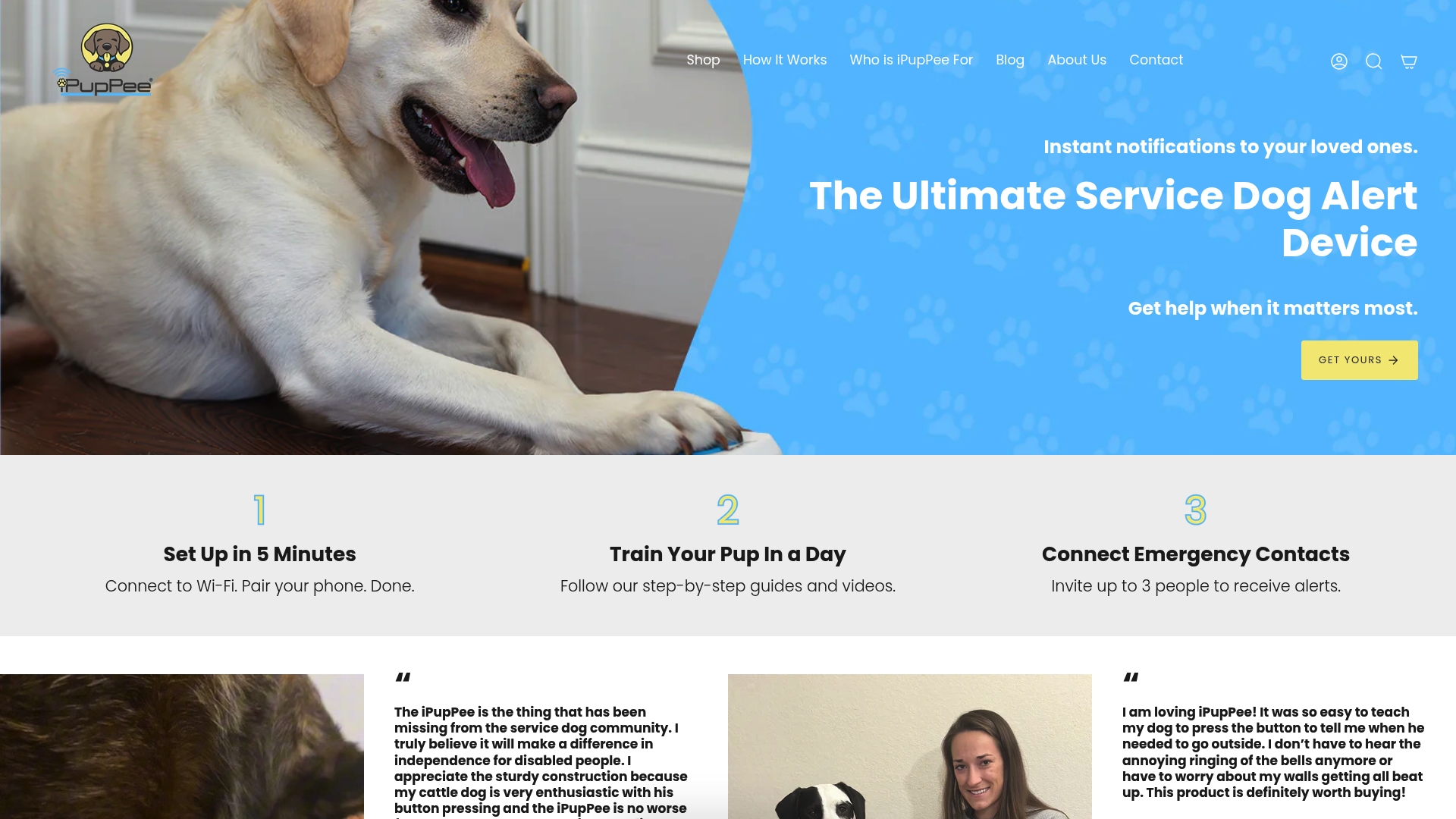
Take control of your dog’s safety with the unique iPupPee alert device designed to simplify communication between you and your dog through an easy-to-use button press. Whether you are a service dog handler, a new puppy parent, or caring for a rescue, this device supports your dog’s independence and enhances your peace of mind. Visit ipuppee.com today to explore effective training instructions and read real customer testimonials, so you can provide your pet a safer, smarter life starting now.
Frequently Asked Questions
How can I secure my home and yard for my dog?
To secure your home and yard, begin by eliminating potential hazards such as toxic substances and unsecured trash. Regularly check your fencing for gaps and install child-proof locks on gates. Conduct a safety sweep at least once a month to identify new risks.
What essential safety commands should I train my dog to respond to?
Essential safety commands include “Come,” “Stay,” “Leave it,” “Drop it,” and “Sit.” Prioritize consistent, positive reinforcement training sessions daily, keeping them short and engaging to help your dog learn more effectively.
What types of communication devices can help keep my dog safe?
Consider using GPS tracking collars, smart activity monitors, and wireless pet cameras to enhance your dog’s safety. These devices allow for real-time monitoring and alerts regarding your dog’s location and health, helping you respond quickly in emergencies.
How can I prevent my dog from accessing hazardous items in my home?
To prevent your dog from reaching hazardous items, store medications, cleaning supplies, and toxic foods in locked cabinets or high shelves. Regularly review and update your safety checklist to ensure all potential risks are secured.
What are the best practices for walking my dog safely at night?
Utilize reflective gear like harnesses, leashes, and LED accessories to enhance visibility during nighttime walks. Choose gear that reflects light from multiple angles, and make it a habit to ensure your dog is fully equipped before every walk.
How do I prepare for emergencies involving my dog?
Create a pet emergency kit that includes supplies like food, medications, and a first aid kit. Update this kit every six months and ensure you have copies of your dog’s medical records easily accessible in both digital and physical forms.
Recommended
- Complete Guide to Pet Owner Safety Guidelines – iPupPee
- The Essential Guide to the Importance of Pet Safety – iPupPee
- 8 Essential Dog Safety Training Tips Every Owner Should Know – iPupPee
- How to Improve Dog Safety at Home and Outdoors 2025 – iPupPee
- Pets As Christmas Gifts? Expert Explains How To Respond - Womanedit.com
- Pet Food Intolerance Test For Dogs | UK Food Intolerance | Blog