

Over 60 percent of american households share their home with a dog, yet many owners overlook common risks that can threaten both human and canine safety. Accidents often happen where you least expect them, turning everyday routines into emergencies if you are unprepared. By understanding how to create a safer environment and practicing proactive habits, you can protect yourself and your furry companion from preventable dangers at home, outside, and during travel.
Table of Contents
- Secure Your Home For Dog And Owner Safety
- Use Proper Leashes And Harnesses Outdoors
- Train Your Dog For Reliable Recall And Commands
- Recognize And Avoid Common Outdoor Hazards
- Utilize Communication Devices For Emergency Alerts
- Practice Safe Car Rides And Travel Habits
- Prepare An Emergency Kit For You And Your Dog
Quick Summary
| Key Message | Explanation |
|---|---|
| 1. Conduct a home safety assessment | Get down to your dog’s eye level to identify hazards like cords, toxic plants, and choking risks. |
| 2. Choose the right leash and harness | Use leashes and harnesses suited to specific environments to ensure safety and control during walks. |
| 3. Train for reliable recall | Utilize positive reinforcement to teach commands that ensure safety and enhance communication with your dog. |
| 4. Recognize outdoor hazards | Be aware of wildlife, trash, and environmental risks to keep your dog safe during outdoor activities. |
| 5. Prepare an emergency kit for you and your dog | Create a kit with essential supplies for both you and your dog to ensure safety during emergencies. |
1. Secure Your Home for Dog and Owner Safety
Creating a safe environment for both you and your dog requires careful planning and proactive measures. Dogs are naturally curious creatures who explore their surroundings with enthusiasm, which means potential hazards can lurk in unexpected places throughout your home.
Start by conducting a comprehensive “dog level” home assessment. This means getting down to your dog’s eye view and scanning your living space for potential risks. Electrical cords, small objects that could be choking hazards, and accessible toxic substances are primary concerns. Carefully review home safety guidelines to systematically identify and eliminate potential dangers.
Practical safety steps include securing electrical cords by using cord covers or routing them behind furniture, storing household chemicals in locked cabinets with childproof latches, and removing toxic plants from areas your dog can reach. The American Animal Hospital Association recommends treating your home environment as a potential minefield of pet risks.
Specific zones requiring extra attention include kitchen counters, trash areas, and storage spaces. Use sturdy trash cans with tight fitting lids, install cabinet locks, and create designated safe zones where your dog can relax without encountering potential threats. Remember that prevention is always more effective than managing an emergency situation after an accident occurs.
Pay special attention to small spaces where dogs might hide or get stuck. Block off narrow gaps behind appliances, secure loose floorboards, and ensure your dog cannot access potentially dangerous areas like laundry rooms or home workshops. A few strategic barriers and thoughtful modifications can dramatically reduce risks and create a secure environment for both you and your furry companion.
2. Use Proper Leashes and Harnesses Outdoors
Choosing the right leash and harness is more than a simple accessory selection it is a critical safety strategy for protecting both you and your dog during outdoor adventures. Different environments and activities require specific equipment designed to provide maximum control and comfort.
Leash Selection Matters. Not all leashes are created equal. For urban walking, a standard 4 to 6 foot leash provides optimal control in busy areas. Wider leashes distribute pressure more evenly and reduce strain on both you and your dog. Explore comprehensive safety recommendations to match your specific walking environment and dog breed.
Harnesses offer significant advantages over traditional collar attachments. They distribute walking force across the chest and shoulders, reducing neck strain and providing better control for dogs that tend to pull. Look for harnesses with reflective strips for enhanced visibility during early morning or evening walks, which can prevent accidents in low light conditions.
Local regulations often mandate specific leash requirements. Leash laws vary by location, but most public spaces require dogs to remain leashed to ensure community safety. Always keep your dog within a controllable distance and be prepared to manage unexpected interactions with other animals or people.
Consider specialized harnesses for different activities. Water activities require flotation harnesses with handles for quick rescue, while hiking demands rugged designs with additional attachment points for gear. Matching your harness to your specific outdoor activity can significantly enhance both safety and enjoyment for you and your furry companion.
3. Train Your Dog for Reliable Recall and Commands
Training your dog for reliable recall and commands is not just about obedience its about creating a critical safety network that could potentially save your dogs life in unpredictable situations. Communication between you and your dog forms the foundation of trust and protection.
Consistent Training Techniques are paramount for developing strong communication. Professional trainers recommend starting with basic commands like sit, stay, and come using positive reinforcement strategies. Master essential training fundamentals by breaking complex behaviors into smaller achievable steps and rewarding progress consistently.
Reliable recall requires dedicated practice in progressively challenging environments. Begin training in quiet spaces with minimal distractions, gradually introducing more complex scenarios. Use high value treats and enthusiastic verbal praise to make responding to commands more appealing than exploring potential dangers. The goal is creating an automatic response where your dog sees you as the most interesting thing in their environment.
Practical Training Strategies include developing a specific recall word or sound distinct from everyday conversation. Avoid using your dogs name repeatedly during training, which can lead to desensitization. Practice recall exercises multiple times daily in short engaging sessions. Randomize rewards to maintain your dogs motivation and prevent predictable patterns.
Professional dog training classes offer structured environments to develop these critical skills. Consistent training builds communication and mutual understanding between you and your dog. Remember that training is an ongoing process requiring patience, persistence, and genuine connection with your furry companion.
4. Recognize and Avoid Common Outdoor Hazards
Outdoor adventures with your dog can quickly turn dangerous without proper awareness and preparation. Understanding potential environmental risks is crucial for protecting your furry companion from unexpected threats that might seem harmless at first glance.
Wildlife Encounters require strategic management and awareness. Different regions host unique animal populations that could pose risks to your dog. Explore comprehensive urban dog safety strategies to understand regional specific wildlife concerns. Always maintain visual contact and keep your dog close in areas known for predators like coyotes, rattlesnakes, or aggressive wild animals.
Trash and chemical exposure represent significant hidden dangers in outdoor environments. Securing yard spaces involves more than simple fence maintenance. Ensure garbage containers have tight fitting lids, store chemicals in locked areas, and create clear boundaries that prevent your dog from accessing potentially toxic substances. Some common household chemicals can cause severe reactions or long term health complications if accidentally ingested.
Practical Prevention Strategies include carrying a basic first aid kit designed specifically for dogs during outdoor excursions. Learn to recognize signs of potential toxic exposure such as excessive drooling, sudden lethargy, or unusual behavior. Professional pet care organizations recommend maintaining a calm demeanor and seeking immediate veterinary assistance if you suspect your dog has encountered a hazardous substance.
Environmental awareness extends beyond immediate physical threats. Consider temperature variations, ground surface temperatures, potential allergens, and seasonal risks like tick or mosquito populations. Your vigilance can transform outdoor experiences from potentially dangerous encounters into safe and enjoyable adventures for both you and your canine companion.
5. Utilize Communication Devices for Emergency Alerts
In an unpredictable world, having reliable communication devices can mean the difference between a potential crisis and a managed situation for dog owners. Modern technology offers innovative solutions to keep both pets and their humans safe during unexpected emergencies.
Emergency Communication Strategies are critical for proactive pet protection. Explore comprehensive emergency alert systems that allow immediate communication and tracking. GPS enabled devices with panic buttons can help owners quickly locate their dogs or signal for help during challenging scenarios like natural disasters, medical emergencies, or unexpected separation.
Practical Device Selection involves understanding specific features that support different emergency scenarios. Key dog alerts help owners respond quickly to potential threats. Look for devices with multiple communication channels including cellular networks, bluetooth connectivity, and emergency broadcast capabilities. Some advanced systems offer temperature monitoring, health tracking, and direct veterinary communication protocols.
Emergency preparedness extends beyond technological solutions. Professional pet care organizations recommend creating a comprehensive emergency kit that includes communication devices, medical information, and essential supplies. Your emergency plan should integrate technological tools with traditional safety strategies, ensuring multiple layers of protection for your canine companion. Consistency in training your dog to respond to these devices can significantly enhance their effectiveness during high stress situations.
6. Practice Safe Car Rides and Travel Habits
Car travel with dogs requires more than casual preparation it demands strategic planning and understanding of potential safety risks. Your vehicle can quickly transform from a transportation method to a potentially dangerous environment without proper precautions.
Vehicle Safety Fundamentals involve creating a controlled and secure space for your dog. Explore comprehensive travel guidance to understand the nuanced requirements of safe pet transportation. Invest in crash tested restraints or crates that prevent your dog from becoming a projectile during sudden stops or accidents. Secured dogs are significantly less likely to experience serious injury during unexpected driving situations.
Temperature management is critically important during car travel. Preventing car related heat risks requires understanding how quickly vehicle interiors can become dangerous. Even with windows partially open, car temperatures can escalate rapidly, potentially causing heat stroke within minutes. Always ensure adequate ventilation, carry water, and plan frequent stops during warm weather travel.
Strategic Travel Preparation includes creating a dedicated travel kit with essentials like water, collapsible bowls, first aid supplies, and familiar comfort items. Practice short trips to help your dog acclimate to vehicle travel, using positive reinforcement to create a calm association with car journeys. Regular breaks, proper hydration, and maintaining a consistent comfortable temperature will transform car travel from a potential stress event into an enjoyable shared experience.
7. Prepare an Emergency Kit for You and Your Dog
Emergency preparedness is not about anticipating disaster it is about ensuring survival and comfort during unexpected challenges. A comprehensive emergency kit can mean the difference between chaos and controlled response when critical situations arise.
Essential Kit Components go far beyond basic supplies. Explore emergency preparedness strategies that address both human and canine needs. Your emergency kit should include a minimum five day supply of specialized items tailored to your dogs specific health requirements. This includes prescription medications, medical records, vaccination documentation, and copies of identification tags.
Preparing emergency supplies requires strategic thinking and comprehensive planning. Pack non perishable food specifically designed for dogs, bottled water, portable water and food bowls, a manual can opener, and sealed plastic bags for waste management. Include a comprehensive first aid kit with pet specific medical supplies like gauze, antiseptic wipes, tweezers, and any specialized medications your dog might require.
Practical Storage Strategies involve keeping your emergency kit in a readily accessible location known to all household members. Consider creating multiple kits one for home, one for vehicle, and a portable version for quick evacuation. Include comfort items like a familiar blanket or toy to help reduce your dogs stress during potentially traumatic situations. Update the kit every six months to ensure medication freshness and replace expired supplies.
Below is a comprehensive table summarizing the safety tips and strategies for dog owners discussed throughout the article.
| Aspect | Details | Key Actions |
|---|---|---|
| Home Safety | Identify risks like electrical cords, choking hazards, and toxic substances. | Conduct a dog-level assessment; secure cords, lock chemicals, remove toxic plants. |
| Outdoor Gear | Leashes and harnesses are crucial for control. | Select leashes based on activity, use harnesses for better control and reduced strain. |
| Dog Training | Reliable recall and commands enhance safety. | Use consistent training with positive reinforcement and practice in various environments. |
| Outdoor Hazards | Awareness of wildlife and chemical risks is critical. | Keep garbage secured, learn to recognize toxic exposure signs, and carry a first aid kit. |
| Emergency Devices | Communication tools are vital during crises. | Use GPS devices for tracking, integrate with traditional safety strategies. |
| Car Travel | Ensure a safe travel environment for dogs. | Use crash-tested restraints, manage temperature, practice short trips. |
| Emergency Kit | Comprehensive kits are essential for crises. | Include 5-day supply of necessities, medical records, and comfort items. |
Enhance Your Dog’s Safety with Innovative Communication Solutions
The article “7 Essential Dog Owner Safety Tips for Every Situation” highlights key challenges every dog owner faces such as securing your home, training reliable recall, and managing outdoor hazards. These situations require clear communication and quick response to protect your furry friend and yourself. When safety matters most, having a reliable way to communicate with your dog can drastically reduce stress and prevent emergencies from escalating.
Empower your safety efforts with the iPupPee device designed specifically for dog owners who want dependable, hands-free communication and quick emergency alerts. The iPupPee turns complex situations into manageable ones by enabling your dog to send alerts with a simple button press. Whether at home or outdoors, this device supports better control and peace of mind, matching perfectly with the safety strategies recommended in the article.
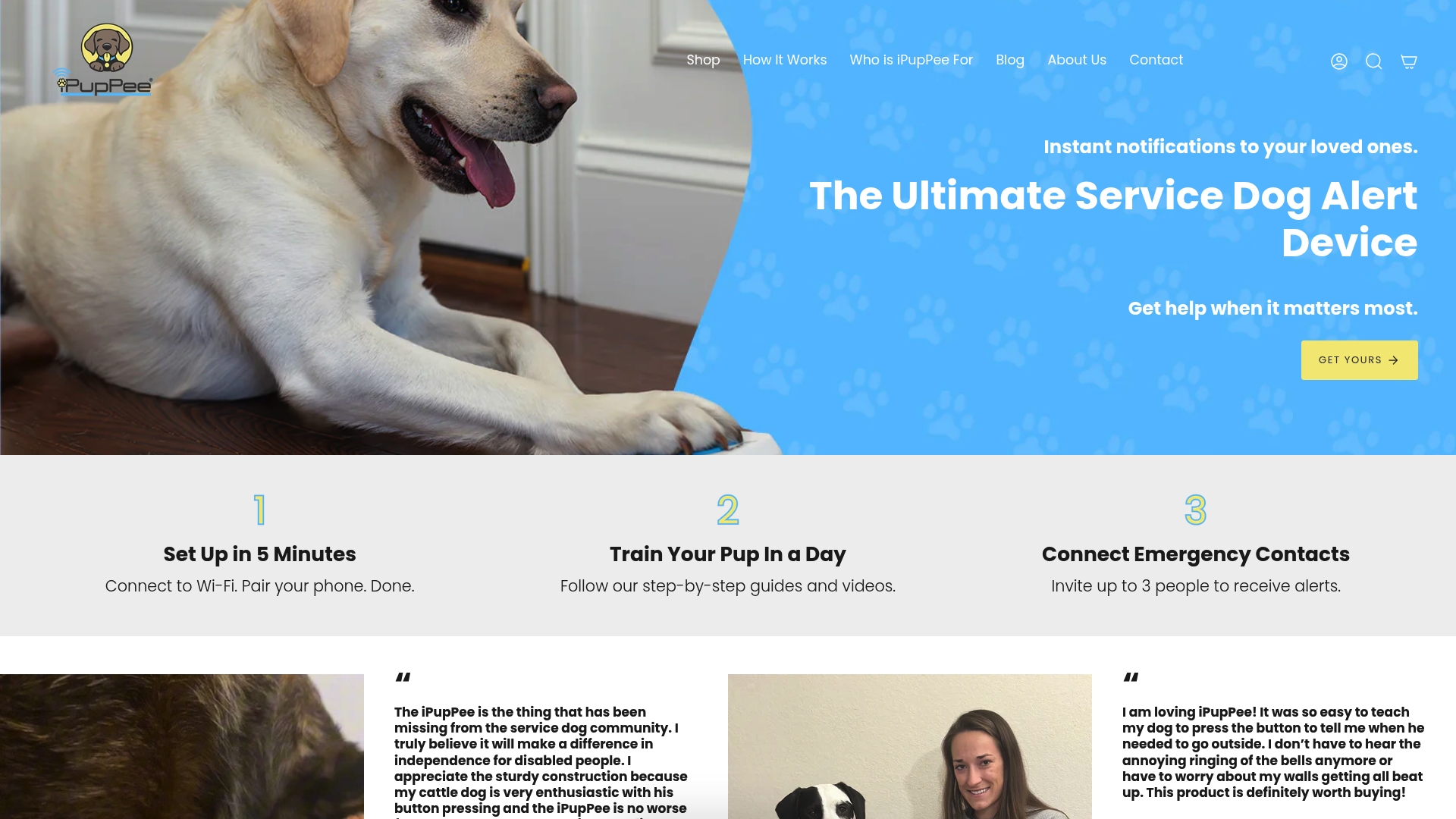
Don’t wait until an emergency happens. Take control now by exploring how innovative safety and communication technology can complement your dog training and outdoor precautions. Visit iPupPee official site to learn more about the device’s features and benefits or discover training tips at how to teach dogs basic commands. Leverage the knowledge shared in dog safety at home to create a safer environment supported by technology. Act now to strengthen your bond, improve safety, and enjoy more confident adventures with your canine companion.
Frequently Asked Questions
How can I secure my home to keep my dog safe?
To secure your home for your dog, conduct a thorough assessment from your dog’s eye level. Identify and remove potential hazards like electrical cords, toxic substances, and choking risks. Use childproof locks for cabinets and secure loose items to create a safer environment.
What type of leash should I use for walking my dog?
For walking your dog, choose a 4 to 6-foot standard leash for optimal control in busy areas. Consider wider leashes to distribute pressure evenly, and always match the leash type to your walking environment and your dog’s behavior for best results.
What commands should I focus on when training my dog for safety?
Focus on basic commands such as sit, stay, and come, as they are critical for your dog’s safety. Implement consistent training sessions using positive reinforcement techniques to encourage compliance. Aim to practice multiple times a day to reinforce these essential commands effectively.
What outdoor hazards should I be aware of when with my dog?
Be aware of potential hazards like wildlife encounters, garbage exposure, and toxic substances in outdoor environments. Always keep your dog leashed and within sight, and carry a basic first aid kit while recognizing signs of toxic exposure. Prioritize environmental awareness to ensure safe outdoor experiences.
How can communication devices enhance my dog’s safety during emergencies?
Using communication devices helps you maintain contact with your dog during emergencies, ensuring quick responses. Look for GPS-enabled devices with panic buttons and multiple communication methods to enhance emergency preparedness and tracking.
What should I include in an emergency kit for my dog?
An emergency kit for your dog should include at least a five-day supply of food, water, and any necessary medications, as well as medical records and identification tags. Regularly check and update the kit every six months to ensure all supplies are current and ready for use.
Recommended
- 8 Essential Dog Safety Training Tips Every Owner Should Know – iPupPee
- Top Safety Tips for Dog Owners: Essential Guidance for 2025 – iPupPee
- How to Improve Dog Safety at Home and Outdoors 2025 – iPupPee
- The Importance of Dog Safety: What Every Owner Should Know in 2025 – iPupPee
- 7 viktige ting hunder ikke bør spise: Lær å beskytte din hund — Dr-Clauder Norge
- Food Safety at Home: Complete Preventive Guide - Dietium