

The most useful dog safety equipment for owners and service-dog handlers is a set of fit-tested restraints, visibility and cooling tools, a compact outing kit, and a vetted communication device like iPupPee. One caveat worth stating plainly: gear reduces risk, but it does not replace your judgment. A non-crash-tested harness, an oversaturated cooling vest, or ill-fitting boots can all create problems rather than prevent them.
The core categories to cover:
- Crash-rated car restraint or crate for vehicle travel
- Sized harness for walks and service tasks
- Life jacket for any water activity
- Cooling gear (vest, pad, or spray bottle) for heat
- LED collar or clip-on light for low-visibility conditions
- ID tag and microchip for identification
- Compact first-aid and hydration kit for outings
- Communication/alert device (iPupPee) for service-dog handlers and owners who need remote signaling
Cornell University warns that excess saltwater ingestion causes tremors, disorientation, and seizures, so fresh water access is non-optional near beaches. Dogster’s summer guidance reinforces that no piece of equipment substitutes for avoiding peak heat and watching for early signs of lethargy or heavy panting.
Pro Tip: Before any outing, run a two-finger check under every strap. If you can’t fit two fingers, it’s too tight; if you can fit four, it’s too loose.
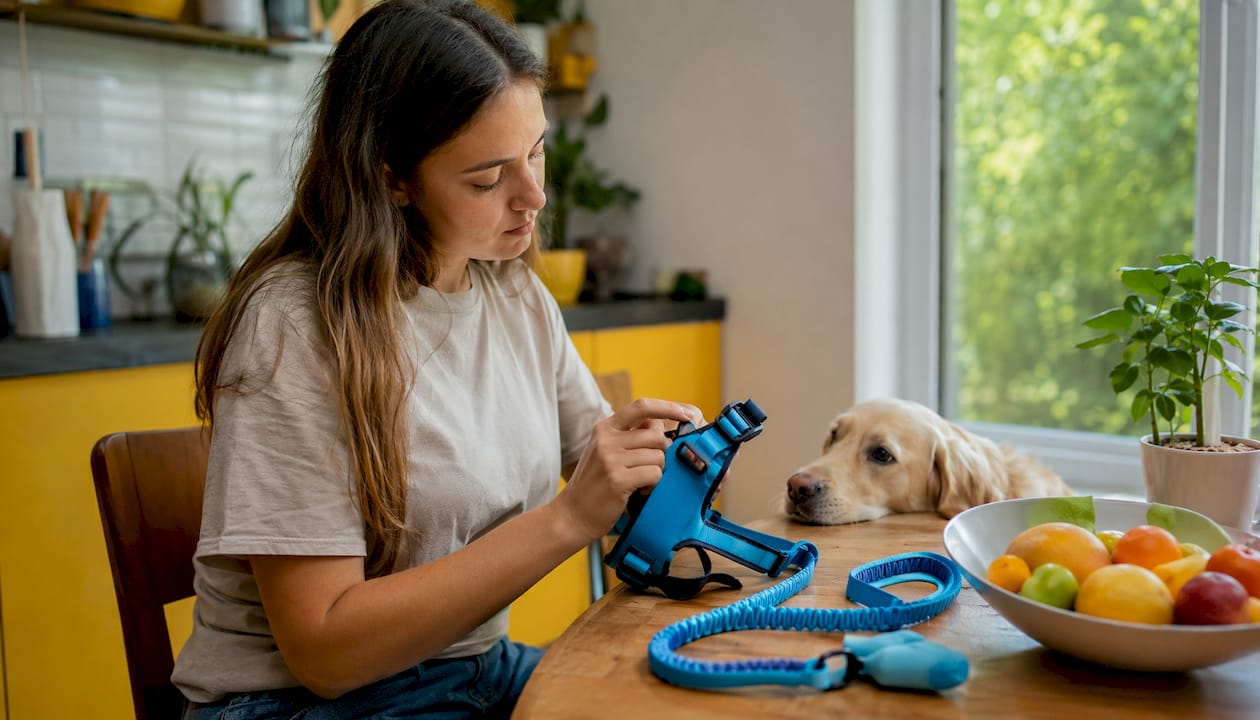
Table of Contents
- What types of dog safety equipment do you actually need?
- How do you choose safe dog gear without getting burned?
- What goes in a compact dog outing safety kit?
- How to fit, install, and maintain your dog’s safety gear
- What U.S. laws and safety limits apply to dog gear?
- Why iPupPee stands out for service-dog handlers
- What does dog safety equipment cost?
- Where to buy vetted dog safety gear in the U.S.
- How do tech communication devices for dogs compare?
- Key Takeaways
- The gear is only as good as the handler behind it
- Ready to add a communication device to your safety setup?
- Useful sources for further reading
What types of dog safety equipment do you actually need?
The right gear depends entirely on your scenario. Here’s how the categories map to real use cases.
| Category | Primary Use Case | Key Spec to Check |
|---|---|---|
| Crash-tested car harness or crate | Road travel | Center for Pet Safety certification |
| Standard walking harness | Daily walks, service tasks | Correct sizing, chew-resistant webbing |
| Life jacket / buoyancy suit | Boating, swimming, kayaking | Weight limit, handle placement |
| Cooling vest or pad | Hot-weather hikes, summer outings | Saturation time, breathable fabric |
| Paw boots | Hot pavement, rough terrain, snow | Measured fit, non-slip sole |
| LED collar or clip-on light | Night walks, low-visibility areas | Battery life, IP water resistance |
| ID tag + microchip | All outings | Current contact info |
| First-aid and hydration kit | Every outing | ASPCA-recommended items |
| Communication/alert device | Service-dog handlers, seniors, owners living alone | Battery life, mounting options |
A few distinctions matter more than most buyers realize. A standard walking harness and a crash-tested car harness are not interchangeable. Standard harnesses can fail in a collision, while certified options from programs like the Center for Pet Safety’s testing protocol are built to absorb impact forces. For water, a life jacket with a top-mounted handle lets you lift a panicked dog out of the water quickly. Cooling vests work briefly but can saturate and trap heat once the absorbent layer is fully wet, so they’re a short-term tool, not a long-haul solution. Studies suggest voluntary head dunking in water cools dogs more effectively than wet towels or ice packs.
For service-dog handlers, a communication device sits at the top of the priority list. It’s the category most general gear guides skip entirely, and it’s where iPupPee fills a specific gap.
How do you choose safe dog gear without getting burned?
Start with your primary use case. Service-dog handlers should prioritize communication and alert devices first, then restraint and visibility. Recreational owners usually start with a car restraint and work outward.
Checklist for evaluating any piece of dog safety gear:
- Car harnesses and crates: Look for crash-test certification. A harness that passed a sled test at a recognized lab is not the same as one that’s merely “safety-rated” in marketing copy.
- Sizing and fit: Measure your dog’s girth and neck before ordering. Sizing charts vary by brand.
- Materials: Chew-resistant webbing for harnesses; breathable, non-toxic fabric for cooling gear. For chemical cooling products, check EPA safety classifications.
- Electronics (GPS, alert devices): Confirm the IP rating for water resistance and the stated battery life under real-use conditions, not lab conditions.
- Cooling vests: Voluntary head dunking in shallow water has shown stronger cooling results than wet towels or ice packs in some studies. A vest is a supplement, not a primary cooling strategy.
- Boots: Ill-fitting boots cause sores and require a gradual break-in period. Measure paw width at the widest point.
- Warranty and return policy: Gear that fails in the field is worse than no gear. A 30-day return window is a minimum.
Temperature threshold: Veterinarians report that overheating risk increases noticeably at 77°F (25°C), and hot pavement can burn paws well before the air temperature feels dangerous to you.
Pro Tip: For crash-test claims, ask the seller for the specific test protocol and lab name. “Crash-tested” without a named certification body is a marketing phrase, not a safety standard.
What goes in a compact dog outing safety kit?
A practical kit covers hydration, first aid, identification, and device power. The ASPCA recommends these core items for any outdoor outing:
- Collapsible water bowl and fresh water
- Gauze, antiseptic wipes, and a tick remover
- Spare leash and collar
- Visible, current ID tag
- Small towel (cooling and drying)
- Spray bottle or cooling pad for heat signs
- LED collar or clip-on light
- Spare battery or power bank for electronics
- Communication/alert device, fully charged
For emergency preparedness, add your vet’s number and a 24-hour emergency clinic contact saved in your phone. If you’re heading to a park or trail, check the outdoor safety guide for location-specific hazards before you go.
When heat signs appear (heavy panting, slowing down, seeking shade), move to a cool spot, offer water, and use the spray bottle on paws and belly first. Switch to a crate in the car if your dog is showing any distress; an unsecured dog in a moving vehicle is a hazard to everyone.
Update microchip registration and ID tag contact info at least once a year, or any time you change your phone number.
How to fit, install, and maintain your dog’s safety gear
Getting the gear is step one. Making sure it actually works is the part most owners skip.
- Harness sizing: Measure girth behind the front legs. The harness should allow two fingers under every strap with no slack beyond that.
- Car restraint installation: Thread the seatbelt through the designated loop, click it in, and give the harness a firm tug. It should not slide more than an inch.
- Life jacket fit: Buckle all straps, then lift the dog by the top handle. The jacket should support the dog’s full weight without riding up over the head.
- Boot sizing and break-in: Measure paw width at the widest point. Start with five-minute indoor sessions, then short outdoor walks before any long outing. Watch for limping or excessive paw lifting.
Inspection checklist (run monthly and before any major outing):
- Check seams and stitching for fraying
- Test all buckles and clips for full engagement
- Look for corrosion on metal hardware
- Inspect foam flotation for compression or water absorption
- Check battery contacts on electronic devices for corrosion
- Replace cooling vest foam if it no longer rebounds after compression
Cooling vests and flotation foam degrade over time. A vest that soaked through last summer may trap heat this summer. Store fabric gear away from direct sunlight and moisture; UV exposure breaks down webbing faster than regular use does.
Pro Tip: Introduce boots or vests over several short sessions rather than on the day of a long hike. Dogs that are stressed by unfamiliar gear move differently, which increases injury risk.
What U.S. laws and safety limits apply to dog gear?
At least 23 U.S. states plus the District of Columbia enforce tethering restrictions that limit how long a dog may be tied outside.
That figure has direct implications for anyone using tethered outdoor setups or long tie-outs as a substitute for fencing. Tethering rules vary by jurisdiction, so check your state’s animal welfare statutes and your local ordinance before setting up any outdoor tethered system.
A few other legal and safety points worth knowing:
- Car restraint laws: No federal standard currently mandates dog restraints in vehicles, but some states have distracted-driving provisions that can apply. Airlines have their own crate and carrier requirements, which vary by carrier and route.
- Non-crash-tested harnesses: Using a standard walking harness as a car restraint is a common mistake. In a collision, it can fail and become a projectile.
- Cooling vest limits: Vests provide short-term relief. Once saturated, they can trap heat rather than release it.
- Water hazards: Cornell warns that cyanobacteria (toxic algae) in warm, stagnant water can cause collapse or convulsions. Avoid murky water and seek immediate veterinary care if a dog shows neurological signs after swimming.
- Seawater ingestion: Salt-driven brain-cell shrinkage from drinking seawater can cause seizures. Carry fresh water to beaches and offer it frequently.
For local tethering rules and animal welfare regulations, your state’s department of agriculture or animal welfare office is the primary source.
Pro Tip: Before traveling across state lines with your dog, spend ten minutes on that state’s department of agriculture website. Leash laws, tethering rules, and park restrictions differ more than most owners expect.
Why iPupPee stands out for service-dog handlers
Most gear guides cover restraints and life jackets. Almost none address what service-dog handlers and owners living alone actually need most: a reliable way for their dog to signal them.
iPupPee is a communication and alert device built around a simple button-press mechanism. The dog presses the button; the handler receives an alert. For handlers managing mobility limitations, seniors living independently, or owners who need their dog to signal a routine need (like a bathroom alert), that loop closes a gap that no harness or life jacket touches.
What to know about iPupPee before buying:
- Designed for service-dog handlers, new puppy owners, and rescue dogs in training
- Training guides and videos are available directly from ipuppee.com
- Suitable for handlers who need independence-supporting communication, not just physical restraint
- Setup follows a straightforward sequence: unbox, charge, run basic button-press training sessions, then build to handler-dog pairing in real scenarios
For working-dog handlers, pairing a communication device with a solid feeding and activity schedule helps dogs learn when to expect signaling opportunities, which speeds up training.
What does dog safety equipment cost?
Rough price ranges by category, based on current U.S. retail:
| Category | Typical Price Range |
|---|---|
| Communication/alert device (iPupPee) | See ipuppee.com for current pricing |
Building a complete kit across all categories runs $200–$600 for most owners. Service-dog handlers who prioritize communication devices and a crash-tested restraint can cover the highest-impact categories for under $250.
Where to buy vetted dog safety gear in the U.S.
Brick-and-mortar: PetSmart and Petco carry harnesses, life jackets, and basic first-aid kits. Staff can help with sizing, which matters more than most online guides acknowledge.
Online specialty retailers: Chewy and Amazon carry a wide range, but filtering for crash-tested or certified products requires reading product descriptions carefully. Look for the specific certification name, not just “safety-tested.”
Direct from brand: For communication devices and training-focused gear, buying directly from the brand’s website (like ipuppee.com) gives you access to training resources, warranty support, and accurate product specs that third-party listings sometimes omit.
Veterinary clinics: Some clinics stock or recommend specific cooling and first-aid products. Worth asking at your next visit, especially for brachycephalic breeds or dogs with heat sensitivity.
How do tech communication devices for dogs compare?
Beyond iPupPee, the category of dog communication and alert technology includes a few distinct approaches:
| Device Type | How It Works | Best For | Key Limitation |
|---|---|---|---|
| Button-press alert (iPupPee) | Dog presses button; handler receives alert | Service-dog handlers, seniors, owners needing routine signals | Requires training investment |
| GPS tracker (e.g., Fi, Whistle) | Real-time location via app | Escape-prone dogs, outdoor adventures | Subscription cost; no two-way communication |
| Smart collar with activity monitor | Tracks movement, sleep, calories | Health monitoring, activity tracking | No alert or communication function |
| Bark/sound detector | Alerts owner to vocalization | Remote monitoring | Passive; dog must vocalize to trigger |
Button-press devices like iPupPee are the only category where the dog actively initiates communication. GPS trackers are reactive (you find the dog after it’s gone); activity monitors are passive. For handlers who need their dog to signal a specific need, the button-press approach is the only one that puts the dog in control of the loop.
Key Takeaways
The most effective dog safety setup combines a crash-tested restraint, sized and inspected gear for each activity, a compact outing kit, and a communication device matched to your specific handler-dog use case.
| Point | Details |
|---|---|
| Crash-test certification matters | Only car harnesses with a named certification (e.g., Center for Pet Safety) reliably protect in a collision. |
| Cooling gear has a time limit | Cooling vests saturate and can trap heat; voluntary water access, such as head dunking, often cools dogs more effectively than towels or ice packs. |
| Tethering laws apply in 23+ states | At least 23 U.S. states plus D.C. restrict tethering; check local ordinances before using outdoor tie-outs. |
| A complete kit costs $200–$600 | Prioritize crash-tested restraint and communication device first; add categories based on your activities. |
| Ipuppee fills the communication gap | For service-dog handlers and owners needing alert signals, iPupPee is the only category where the dog initiates contact. |
The gear is only as good as the handler behind it
Most dog safety articles stop at “buy this harness, pack this kit.” What they understate is the training and routine that make gear actually work.
A crash-tested harness that’s never been properly installed is just an expensive accessory. A communication device that the dog hasn’t been trained to use is a button on a shelf. The owners I’ve seen get the most from tools like iPupPee are the ones who treat the training phase as seriously as the purchase. They run short sessions, build the behavior gradually, and check the device before every outing the same way a pilot checks instruments before takeoff.
The other thing worth saying plainly: technology in this space is genuinely useful, but it works best when it’s layered on top of good handler judgment, not used as a substitute for it. A GPS tracker doesn’t replace a secure fence. An alert device doesn’t replace reading your dog’s body language. The gear is the backup system, not the primary one.
Ready to add a communication device to your safety setup?
If you’ve worked through the checklist in this article and the gap you still need to fill is communication, iPupPee is worth a close look. It’s built specifically for service-dog handlers, seniors, and owners who need their dog to signal a need clearly, not just be tracked or monitored.
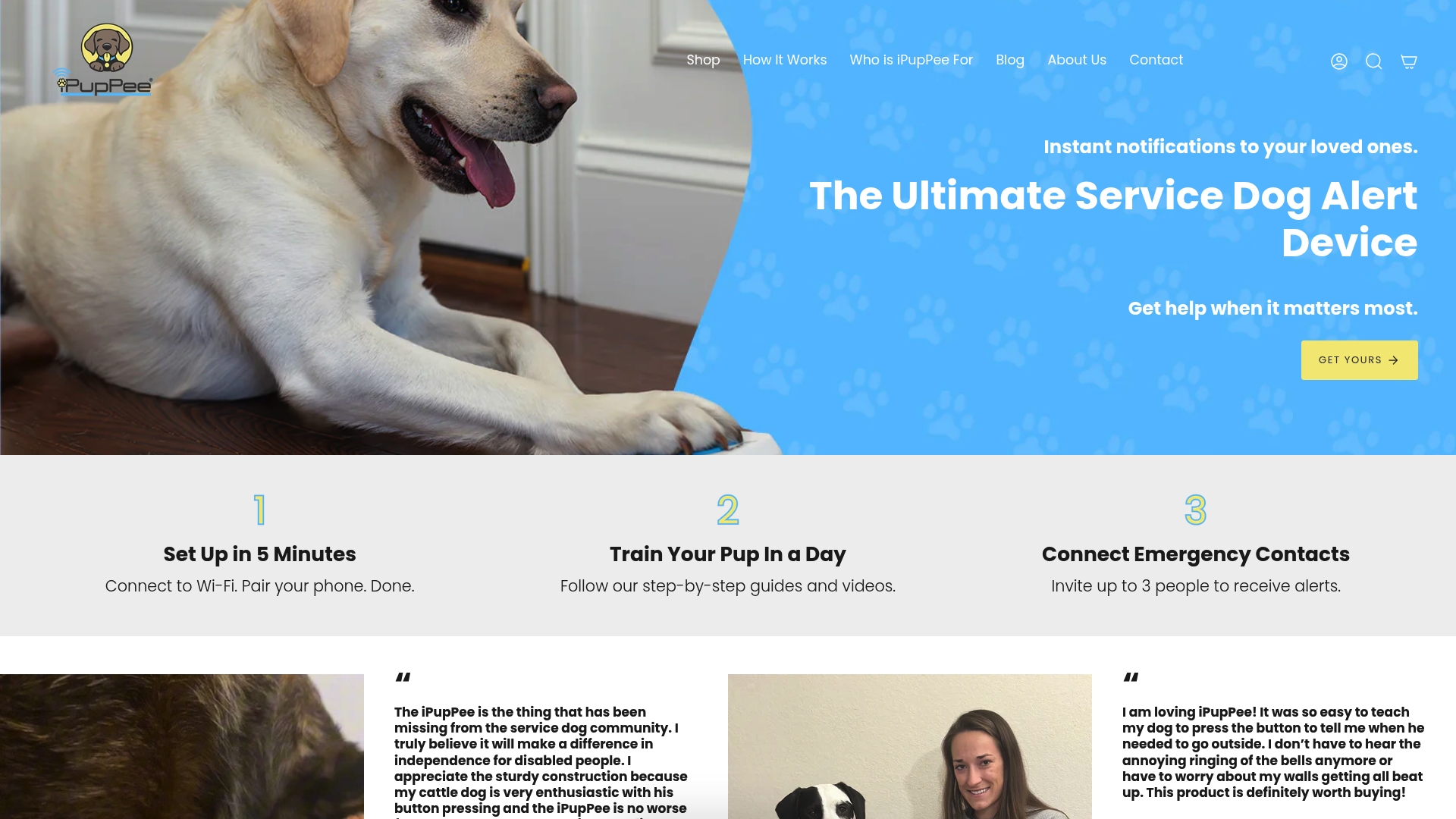
Before you buy, confirm these five things: battery life under your typical daily use conditions, water resistance rating, available mounting or wearing options, return and warranty policy, and whether training resources are included. All of those details are available at ipuppee.com.
Then go back to the evidence-based checklist earlier in this article and run the device against it the same way you would any other piece of safety gear. If it fits your use case and passes the checklist, you have your answer.
Useful sources for further reading
- Cornell University College of Veterinary Medicine — Summer Safety Tips: Covers heat risks, saltwater hazards, and toxic algae. Start here for water and heat emergencies.
- Dogster — Summer Safety Tips for Dogs: Veterinary-sourced guidance on heat management and the limits of safety gear. Good for understanding when to stay home rather than gear up.
- Dogster — Can Dogs Live Outside?: Contains the tethering restriction data (23 states + D.C.). Check this before setting up any outdoor tethered system.
- ASPCA Pet Insurance — 8 Things You Can Do to Keep Your Dog Safe Outdoors: Practical safety-kit item list. Use this as your packing checklist baseline.
- BBC Future — How to Keep Dogs Safe and Cool in Hot Weather: Covers cooling vest limitations and the evidence on voluntary water dunking. Read before buying a cooling vest.
- USA Today — How to Keep Pets Safe During a Heat Wave: Veterinary heat-wave guidance including the 77°F threshold. Useful for timing outdoor activities.
- PetPlace — Outdoor Dog Safety 101: Covers hydration, shade, vaccination, and parasite prevention as part of a complete outdoor safety approach.
- Ipuppee — Dog Safety Outdoors: Essential Tips: Brand-authored guidance on outdoor safety and gear selection, with training context for communication devices.
This article is general information, not professional veterinary or legal advice. Confirm current local tethering laws and heat-risk guidance with your veterinarian or your state’s animal welfare office for your specific situation.