

Managing a service dog is much more than simply sharing your life with a loyal companion. For disabled individuals across North America, these highly trained dogs are essential partners, giving vital support and greater independence every day. Understanding dog safety for service dog owners is important because the stakes include legal protections, daily communication, and the well-being of both handler and dog. This guide highlights practical strategies and key safeguards to help you protect your working canine and yourself in any situation.
Table of Contents
- Defining Dog Safety for Service Dog Owners
- Types of Risks and Accident Prevention
- Home and Public Safety Routines Explained
- Integrating Safety Devices for Communication
- Legal Requirements and Owner Responsibilities
- Common Mistakes and How to Avoid Them
Key Takeaways
| Point | Details |
|---|---|
| Service Dogs are Professional Partners | Service dogs undergo specialized training to perform tasks related to their handler’s disabilities and require unique safety protocols. |
| Understanding Legal Rights is Essential | Service dog owners must know the legal protections afforded to them under the Americans with Disabilities Act and ensure compliance with public safety standards. |
| Safety Routines Enhance Well-Being | Establishing safety routines at home and in public helps prevent accidents and ensures the comfort of both dogs and people. |
| Communication Devices Improve Control | Utilizing specialized communication devices can enhance the safety and independence of service dog handlers, ensuring effective interaction in various situations. |
Defining Dog Safety for Service Dog Owners
Service dogs play a critical role in supporting individuals with disabilities, offering more than companionship - they provide essential assistance and independence. Legally defined by the ADA, these highly trained working animals perform specific tasks directly related to a handler’s disability, such as guiding the visually impaired, alerting individuals with hearing impairments, or providing seizure response.
Understanding dog safety for service dog owners involves recognizing the unique responsibilities and legal protections these working animals possess. Unlike typical pets, service dogs undergo extensive specialized training to ensure they can reliably perform critical tasks while maintaining professional behavior in various public environments. Their training focuses on three primary safety dimensions:
- Task Performance: Executing specific disability-related assistance without distraction
- Public Interaction: Maintaining calm and controlled behavior in crowded or stimulating settings
- Handler Protection: Anticipating and mitigating potential risks to their handler
Service dog behavior guidelines emphasize that these animals are not just pets, but professional working partners who require distinctive safety protocols. This means handlers must proactively manage their dog’s environment, health, and interactions to maintain optimal performance and well-being.
Pro tip: Always carry documentation verifying your service dog’s status and training to ensure smooth access and understanding in public spaces.
Types of Risks and Accident Prevention
Understanding the various risks associated with dog interactions is crucial for preventing accidents and ensuring the safety of both humans and dogs. Dog bite statistics reveal millions of incidents occur annually, with many requiring medical attention and highlighting the importance of proactive safety measures.
Risks can be categorized into several critical areas that dog owners and handlers must carefully manage:
- Environmental Hazards: Potential dangers in physical surroundings
- Behavioral Triggers: Situations that might provoke aggressive responses
- Health-Related Risks: Medical conditions that could impact dog behavior
- Human Interaction Challenges: Misunderstandings between dogs and people
Children are particularly vulnerable to dog-related accidents. Recognizing dog body language helps prevent potential bite situations, as dogs often communicate discomfort through subtle physical cues before escalating to aggressive behavior. Understanding these signals is essential for creating safe interactions.
Pro tip: Always supervise interactions between children and dogs, teaching both parties to respect personal boundaries and recognize warning signs of stress or potential aggression.
Home and Public Safety Routines Explained
Establishing consistent safety routines is fundamental for responsible dog ownership, both at home and in public spaces. Community dog ownership etiquette requires proactive management of behavior, ensuring the safety and comfort of both the dog and surrounding individuals.
Key safety routines for dog owners include multiple critical components:
-
Home Safety Protocols
- Securing yard boundaries
- Creating designated safe zones
- Preventing unauthorized exits
-
Public Interaction Management
- Maintaining controlled leash behavior
- Respecting personal space
- Monitoring dog’s emotional state
-
Emergency Preparedness
- Creating comprehensive evacuation plans
- Assembling emergency supply kits
- Maintaining updated identification documents
Disaster preparedness for pets involves strategic planning that goes beyond basic training. Owners must develop comprehensive strategies that address potential emergency scenarios, ensuring their dogs remain protected and can be quickly transported if necessary.
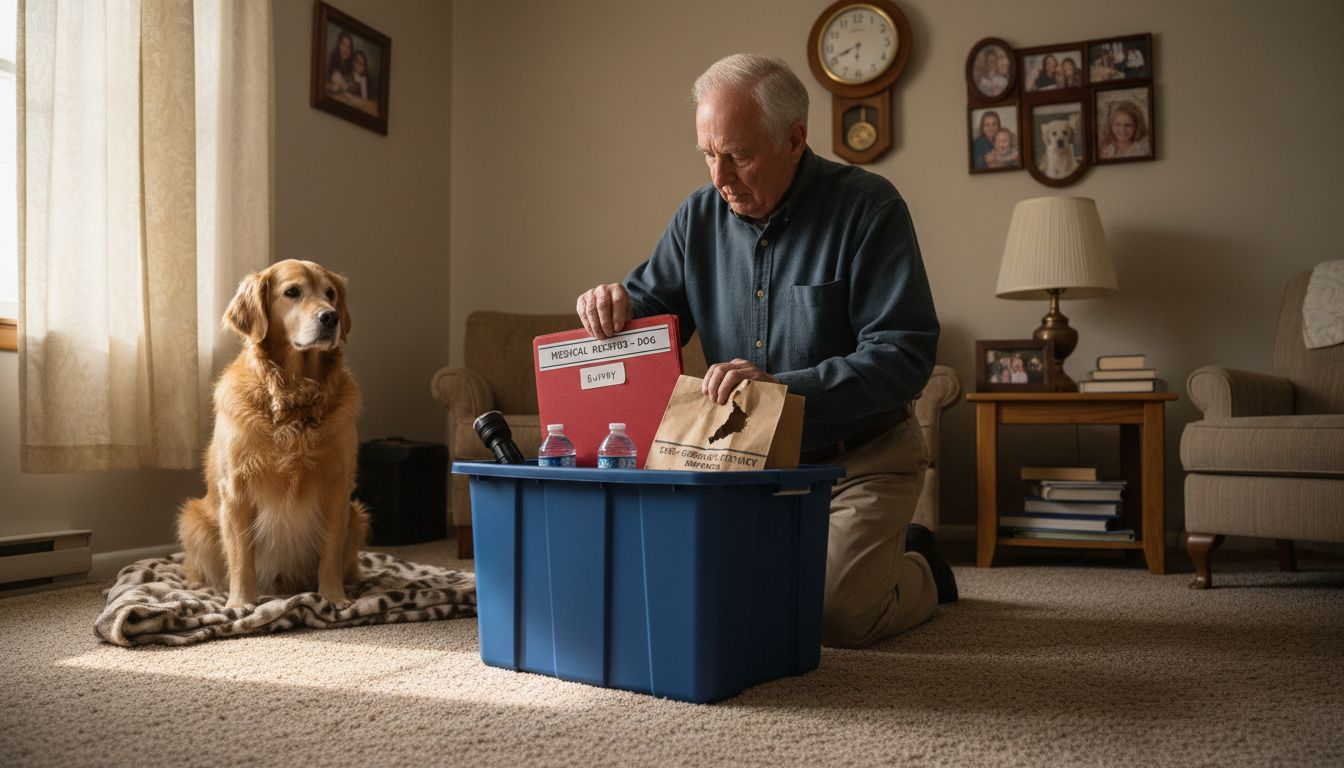
Pro tip: Create a dedicated emergency folder with your dog’s medical records, identification photos, and contact information for quick access during unexpected situations.
Here’s a summary comparing home and public safety routines for dog owners:
| Safety Focus Area | Typical Home Routine | Typical Public Routine |
|---|---|---|
| Boundary Security | Secure fences, locked gates | Controlled leash handling |
| Stress Management | Safe zones, reduced noise | Monitoring dog’s body language |
| Emergency Prep | Medical records accessible | Quick identification available |
| Social Etiquette | Visitor introductions | Respecting personal space |
Integrating Safety Devices for Communication
Communication devices play a critical role in enhancing the safety and independence of service dog handlers. Service dogs work effectively with assistive technologies to create comprehensive support systems that address individual needs and improve overall quality of life.
Key communication safety devices for service dog handlers include:
-
Physical Control Mechanisms
- Specialized harnesses
- Custom tethering systems
- Adaptive leash configurations
-
Electronic Communication Tools
- Alert buttons
- Wireless communication devices
- GPS tracking systems
-
Sensory Interaction Devices
- Vibration-based communication aids
- Sound-responsive alert systems
- Touch-sensitive interaction tools
Effective communication strategies ensure handler control in various environments, particularly when traditional tethering methods are not feasible. Handlers must develop alternative communication techniques that maintain safety and responsiveness, utilizing voice commands, hand signals, and technological interventions.
Pro tip: Regularly practice and test communication devices to ensure seamless interaction between handler and service dog in diverse scenarios.
Legal Requirements and Owner Responsibilities
Service dog legal protections establish crucial guidelines for handlers, ensuring both disability support and public safety. The Americans with Disabilities Act (ADA) provides comprehensive framework for understanding the rights and responsibilities of service dog owners across various public environments.
Key legal requirements for service dog owners include:
-
Access Rights
- Unrestricted entry to public spaces
- Protection from discrimination
- Reasonable accommodation in workplaces
-
Handler Responsibilities
- Maintaining dog’s behavioral control
- Ensuring public safety
- Performing specific disability-related tasks
-
Documentation Considerations
- No mandatory certification required
- Verbal explanation of dog’s purpose
- Demonstration of task-specific training
Service dog laws protect handler independence while establishing clear expectations for public interactions. These regulations recognize that service animals are working companions, not typical pets, and require specialized legal considerations that balance individual needs with community safety.
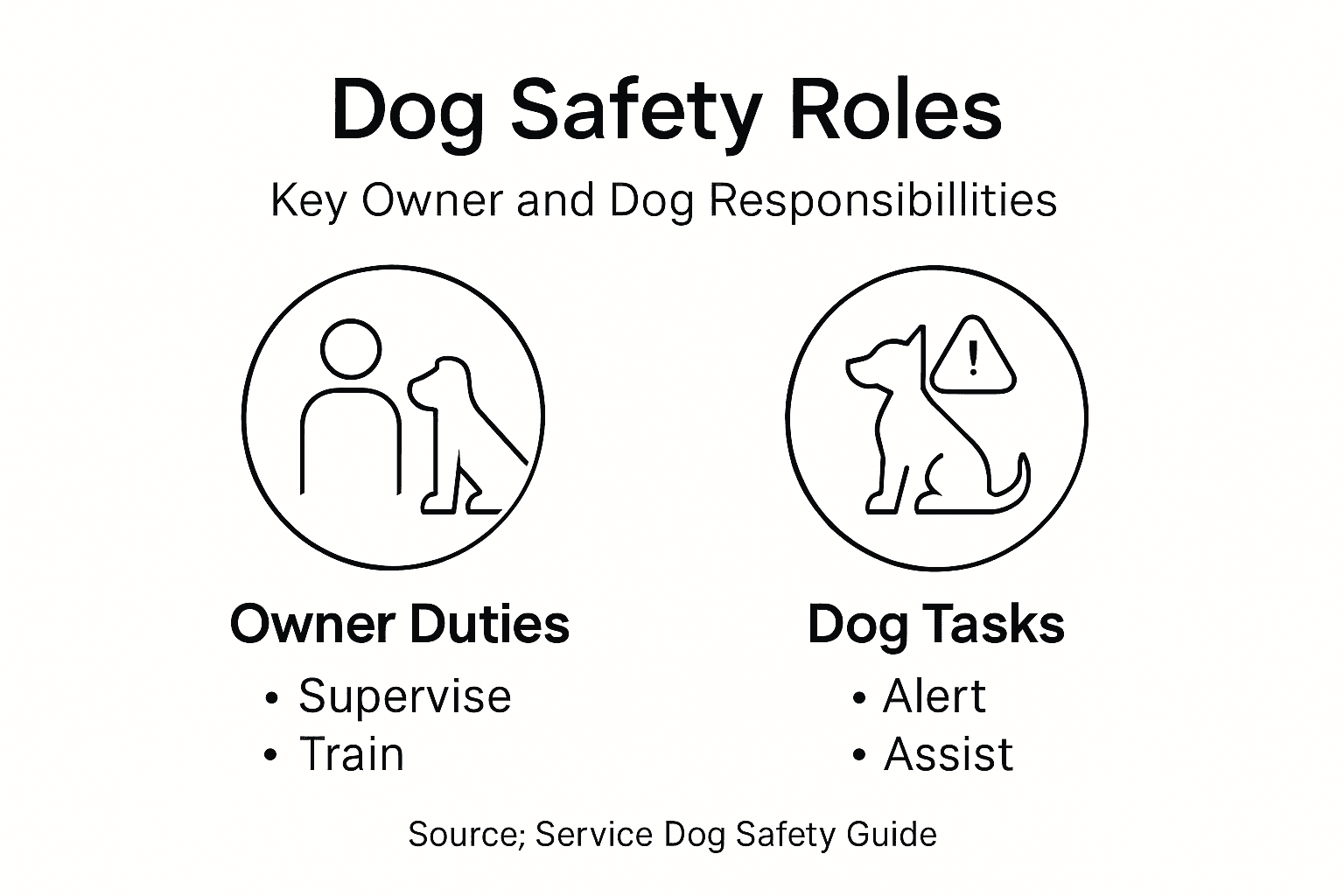
Pro tip: Always carry a concise, clear explanation of your service dog’s specific tasks to help educate and inform others about your legal rights.
Below is a reference table outlining key legal requirements and practical owner responsibilities:
| Category | Legal Requirement | Owner Responsibility |
|---|---|---|
| Access Rights | Allowed entry to public spaces | Ensure dog’s calm behavior |
| Documentation | No certification needed | Explain task upon request |
| Safety | Protection from discrimination | Maintain handler and public safety |
| Task Expectation | Must perform disability tasks | Demonstrate task proficiency |
Common Mistakes and How to Avoid Them
Service animal legal misunderstandings frequently create challenges for handlers, potentially compromising their independence and public access rights. Recognizing and proactively addressing these common errors is crucial for maintaining smooth interactions and preserving the working relationship between service dogs and their handlers.
Most frequent mistakes service dog owners encounter include:
-
Training Deficiencies
- Inconsistent command responses
- Lack of public space socialization
- Insufficient task-specific skill development
-
Legal Misconceptions
- Misunderstanding access rights
- Improper documentation preparation
- Failing to control dog in public spaces
-
Communication Challenges
- Not explaining dog’s specific tasks
- Becoming defensive during interactions
- Inadequate preparation for public questioning
Service dog preparedness requires comprehensive understanding of both legal protections and practical responsibilities. Handlers must balance maintaining their dog’s professional working status while educating the public about service animal roles and capabilities.
Pro tip: Develop a concise, confident 30-second explanation about your service dog’s specific tasks to help smooth public interactions and prevent misunderstandings.
Enhance Dog Safety and Communication with iPupPee
Protecting your beloved service dog or pet goes beyond basic care. This article highlights crucial safety routines, legal responsibilities, and the importance of clear communication between handler and dog to prevent accidents and ensure well-being. If managing task performance, public interaction, and emergency preparedness feels overwhelming, there is a solution designed to simplify your daily challenges while strengthening your bond.
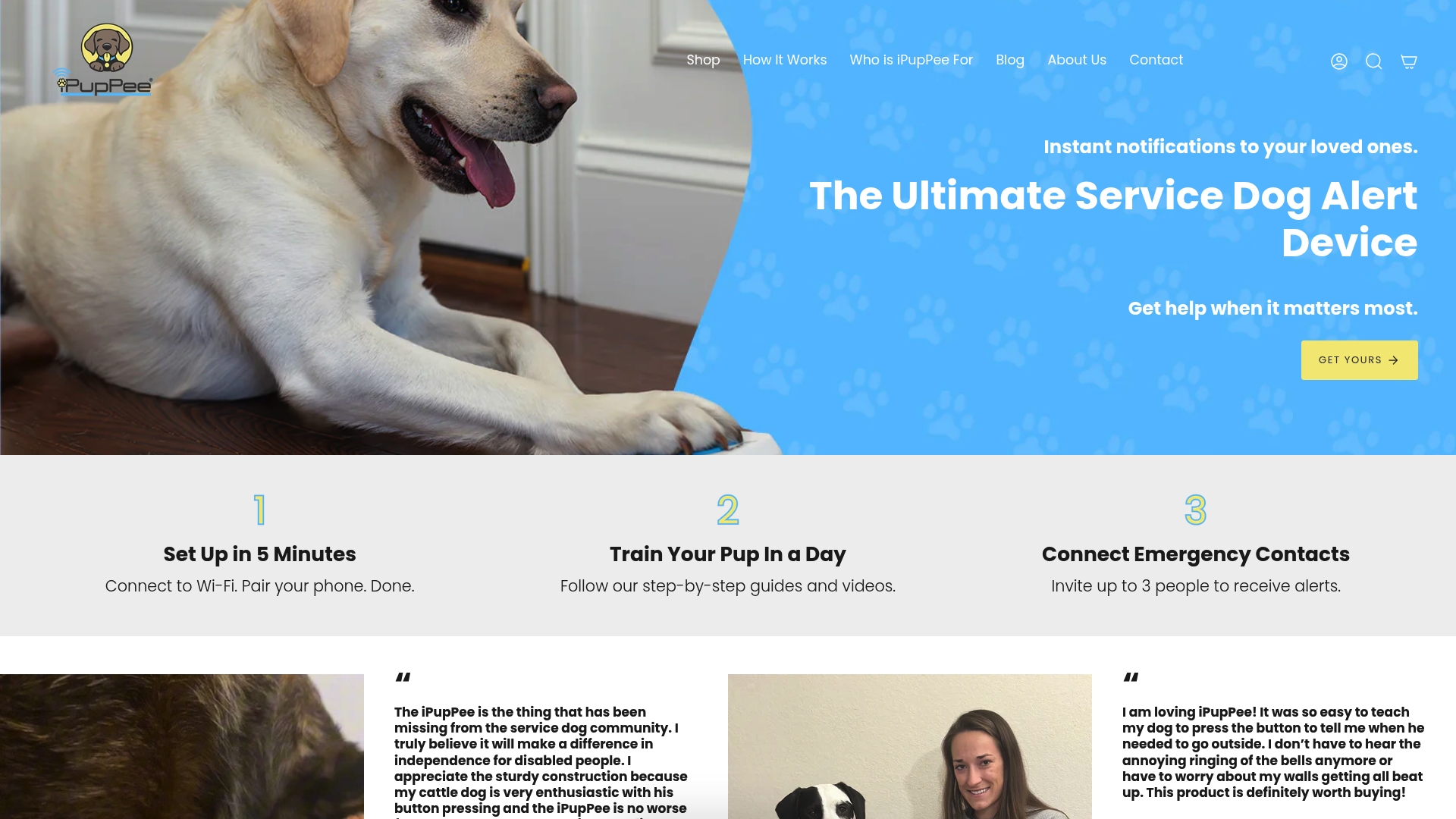
Discover the innovative iPupPee alert device created specifically to assist service dog owners, disabled individuals, and pet parents who need reliable communication tools. This simple button press device helps your dog signal you clearly and promptly, supporting safer environments both at home and in public settings. Visit our website now to learn how iPupPee enhances safety and independence with easy-to-use technology.
For an in-depth look into behavior guidance and training resources, explore our informative service dog behavior guide. Take the vital step today toward peace of mind and improved communication with your service dog or pet by accessing trusted solutions at https://ipuppee.com.
Frequently Asked Questions
What are the key responsibilities of service dog owners for safety?
Service dog owners must ensure their dog’s calm behavior in public, perform specific disability-related tasks, and proactively manage their environment to maintain safety for both the dog and the public.
How can I recognize potential risks during dog interactions?
Understanding dog body language is essential. Look for signs of discomfort such as tucked tails, avoidance, or stiff body posture to prevent aggressive situations, especially around children.
What safety routines should be established for dogs at home and in public?
Key safety routines include securing boundaries at home, maintaining controlled leash behavior in public, monitoring the dog’s emotional state, and having emergency plans and medical records ready for quick access.
How can communication devices enhance the safety of service dog handlers?
Communication devices, such as specialized harnesses and electronic alert systems, improve safety by ensuring effective control and interaction between the handler and service dog, particularly in diverse environments.