

Short answer: pets reliably lift your mood in the moment, but they do not guarantee lasting happiness. A large meta-analysis of 21 studies found no overall link between pet ownership and lower depression risk, while controlled trials show direct animal contact measurably calms anxiety within minutes. The people most likely to benefit are those who pair a pet with real social connection and routine, not those expecting an animal to fix loneliness on its own.
TL;DR:
- Direct interaction with animals temporarily reduces anxiety and boosts mood, but owning a pet alone does not guarantee long-term happiness.
- Dog owners benefit most from routines and social opportunities created by walking and outdoor activities, whereas cat ownership shows minimal or negative effects.
- Short-term mood improvements are mainly driven by physical contact and social catalysis, not the presence of pets without additional human connection.
- Structured animal-assisted therapy in clinical settings offers more consistent mental health benefits than casual pet ownership.
- Managing pet-related costs and caregiving stress is essential, as financial strain and emotional burden can outweigh any mood advantages.
Table of Contents
- Do Pets Make You Happier? What the Strongest Studies Find
- How Do Pets Affect Mood? The Mechanisms Behind the Numbers
- Which Pet Owners Benefit Most From Having a Pet?
- When Pets Don’t Make You Happier: The Real Downsides
- How to Get the Mental Health Benefits of Pets Without the Downsides
- A Realistic Take on Pets and Happiness
- A Practical Way to Reduce the Stress of Pet Ownership
- Sources
- FAQ
Do Pets Make You Happier? What the Strongest Studies Find
The honest answer is: it depends which study you read, and that inconsistency is itself the finding. A systematic review and meta-analysis covering 21 studies and 159,322 participants found pet ownership overall was not significantly associated with depression risk. But the breakdown by animal type tells a more interesting story.
- Overall pet ownership: no significant link to depression (odds ratio 1.03)
- Cat ownership: modestly associated with higher depression prevalence (odds ratio 1.06)
- Dog ownership: no significant association either way (odds ratio 0.93)
The pattern isn’t as simple as “dogs good, cats bad.” A separate review of 54 studies on pets and quality of life broke down just as unevenly: 17 studies found positive effects, 19 found mixed results, 13 found no impact, and 5 found pets made things worse. The authors point to a real problem: researchers measure “happiness” differently across studies, sample sizes vary wildly, and most designs are cross-sectional snapshots that can’t establish cause and effect.
That last point matters more than it sounds. Someone already struggling with depression may be less likely to walk a dog daily or maintain a litter box, which could explain associations researchers mistake for pets causing mood problems. Meanwhile, a controlled study on university students sidestepped that bias entirely by randomly assigning direct dog interaction versus watching dog videos. Students who touched and played with a real dog showed significantly larger drops in anxiety and improved mood than those who just watched footage. Short-term, controlled, causal, and clear.
The takeaway: immediate mood boosts from animal contact are well supported. Durable, life-changing happiness from simply owning a pet is not.
How Do Pets Affect Mood? The Mechanisms Behind the Numbers
Three separate pathways explain why pets sometimes help and sometimes don’t move the needle at all.
- Social catalysis. Dogs get you outside, and outside means running into neighbors, other dog walkers, and casual conversation you wouldn’t otherwise have. This is likely the strongest driver behind whatever benefit dog ownership shows, since dogs increasing human-to-human contact appears to matter more than the dog itself.
- Biological response. Physical contact with an animal, petting, eye contact, even just proximity, triggers oxytocin release and can lower cortisol and blood pressure. The NIH’s overview of pet-related health research confirms this effect, but it’s typically short-lived and tied to the interaction itself, not a permanent baseline shift.
- Behavioral structure. Feeding schedules, walks, and vet visits impose routine. Routine supports mental health independent of the animal, which is why the caregiving itself often does more work than most owners realize.
Pro Tip: If you want the mood boost without committing to ownership, seek out short, direct interaction, petting a friend’s dog or visiting a shelter, rather than passive exposure like watching pet videos. The research shows the difference is real, not just intuitive.
Which Pet Owners Benefit Most From Having a Pet?
Not every pet, and not every owner, gets the same payoff. The evidence splits fairly cleanly by animal type and life circumstance.
Dog owners see the clearest benefit, but it’s tied to behavior, not species alone. Daily walks force outdoor time and casual social contact, both of which independently support mood. Strip out the walking and the social contact, and the dog-specific advantage largely disappears.

Cat owners face a murkier picture. Some analyses report a small elevated depression prevalence among cat owners, though researchers are careful to note this is likely correlation, not causation. People managing depression may gravitate toward lower-maintenance pets like cats precisely because a dog’s needs feel unmanageable during a hard stretch. The pet isn’t causing the depression; it may be a marker of it.
Older adults and clinical populations show some of the most convincing evidence. Animal-assisted therapy reviews report consistent positive outcomes for depression, anxiety, and certain neurological conditions when animal interaction happens in structured, supervised settings, think therapy dog visits in a hospital ward, not casual pet ownership. That distinction between structured therapeutic contact and everyday ownership is one people frequently miss. For seniors specifically, the routine and companionship a pet provides can meaningfully offset isolation, provided physical care demands stay manageable.

People living alone get a real loneliness reduction from a pet, but researchers warn against over-relying on that substitute. A pet can ease isolation in the short term while quietly reducing your motivation to seek out human connection, which is the trade-off worth watching.
When Pets Don’t Make You Happier: The Real Downsides
Pet ownership carries costs that rarely make it into feel-good headlines. Vet bills, food, grooming, and unexpected medical emergencies add financial pressure that can outweigh any mood benefit, especially for owners already stretched thin. Behavioral problems, chewing, barking, house-training setbacks, add daily stress rather than relieve it.
- Caregiving burden can exceed what a busy schedule or limited income can absorb
- Grief after a pet’s death is a well-documented, often underestimated source of acute emotional pain
- Reverse causality muddies the data: happier, healthier people may simply be more likely to adopt and keep pets in the first place
- Some research on lonely individuals warns that leaning on a pet as a primary source of comfort can backfire, deepening isolation rather than easing it
The meta-analysis finding a modest link between cat ownership and higher depression prevalence (odds ratio 1.06) is a useful reminder: correlation in pet research usually points to who ends up owning which animal, not a mood penalty the animal inflicts. Pet ownership without adequate time, money, or emotional bandwidth tends to add stress rather than relieve it, and that’s true regardless of species.
How to Get the Mental Health Benefits of Pets Without the Downsides
You don’t need to adopt to test whether animal contact helps you. Try these steps in order before committing to full ownership:
- Start with low-commitment exposure. Volunteer at a shelter, foster short-term, or visit a friend’s pet regularly to see how you respond to real interaction, not the idea of it.
- Match the animal to your actual life. Consider your available time, housing situation, and finances honestly before choosing a species or breed. A high-energy dog in a small apartment with a demanding job is a setup for stress, not joy.
- Build in structure. Regular walks, scheduled feeding, and social meetups with other pet owners reliably produce more benefit than passive ownership.
- Keep human support in the loop. Pair pet interaction with therapy or social contact when you’re managing anxiety or depression; don’t ask an animal to replace clinical care.
- Watch for warning signs. If a pet’s care is consistently costing you sleep, money you don’t have, or peace of mind, that’s a signal the arrangement needs adjusting, not evidence that pets in general don’t work for you.
Pro Tip: Track your mood for two weeks before and after regular pet interaction, whether it’s your own animal or volunteer time at a shelter. Patterns show up faster than memory alone can capture.
A Realistic Take on Pets and Happiness
The evidence doesn’t support the industry’s favorite line that pets cure loneliness or depression outright. What it supports is narrower and, frankly, more useful: pets create repeated opportunities for calm, connection, and structure, and what you do with those opportunities determines the outcome. Trial interactions before committing. Pair pet ownership with human relationships and professional care when you need it, don’t substitute one for the other.
— Andrew
A Practical Way to Reduce the Stress of Pet Ownership
One consistent theme across the research is that caregiving uncertainty, not knowing if your dog is in distress, whether they’ve wandered off, or how to read their signals, adds real stress that can cancel out the mood benefits pets are supposed to provide. Reliable communication changes that equation.
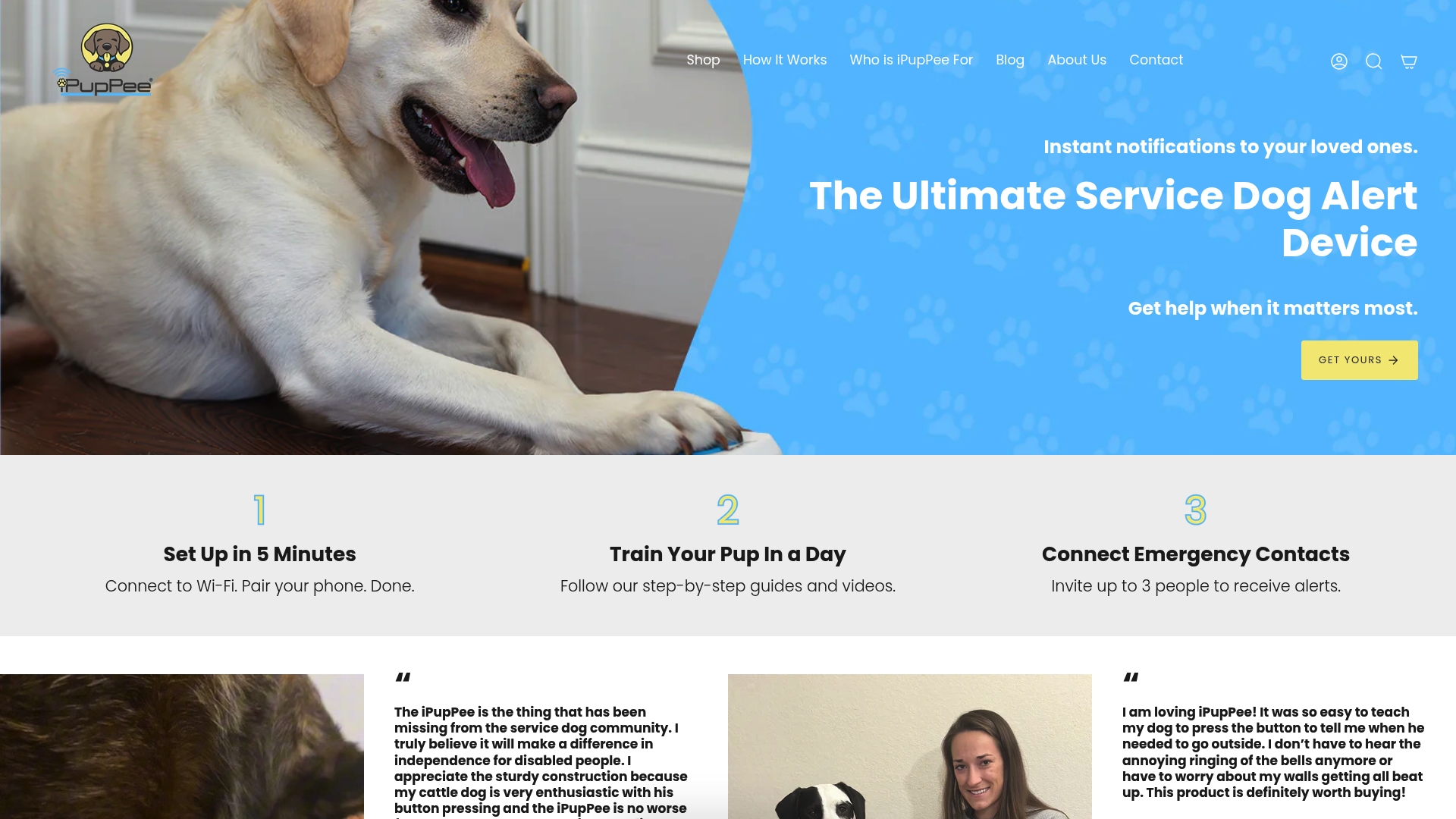
The alert device lets your dog send you a direct Wi-Fi notification with live video and two-way audio, so instead of guessing what’s wrong, you know. It’s designed to help pet owners needing a clearer safety net and does not require a monthly subscription. Pair it with the Psychology & Training Course if you want a structured way to understand your dog’s behavior and build the kind of predictable routine the research says actually supports well-being. Neither is a substitute for mental health treatment, but both can take real uncertainty off your plate. Visit the iPupPee product page to see if it fits your situation.
This article is general information, not a substitute for advice from a qualified doctor. Consult a qualified healthcare professional about your own circumstances before acting on anything here.
Sources
- Pet ownership and risk of depression: a systematic review and meta-analysis - PMC
- The Power of Pets — NIH
FAQ
Are People Without Pets Happier Than Pet Owners?
The large meta-analysis found no significant difference in depression risk between pet owners and non-owners overall, though cat ownership showed a slight association with higher depression prevalence. Happiness differences come down more to individual circumstances than to owning a pet at all.
Is a Pet Good for Depression?
It can help in the short term, especially through direct interaction that lowers anxiety and lifts mood, but it isn’t a reliable long-term treatment on its own. Animal-assisted therapy shows the clearest benefits when structured and supervised, not from casual ownership alone, and it works best alongside professional care, not instead of it.
Why Do People With ADHD Often Connect Well With Animals?
Animals offer immediate, nonjudgmental engagement and a built-in routine, both of which can appeal to people who struggle with structure or social unpredictability. The caregiving demands of a pet, feeding times, walks, play, create external accountability that some people find easier to follow than self-imposed schedules.
Do Dog Owners or Cat Owners Report Higher Happiness?
Dog owners tend to show a clearer link to positive outcomes, largely because dog walking increases physical activity and casual social contact. Cat ownership shows more mixed results, with some data pointing to a modest association with higher depression prevalence, though this likely reflects who chooses lower-maintenance pets rather than cats causing the mood difference.
Can a Pet Replace Human Social Connection?
Pets can ease loneliness, but relying on one as your only source of comfort carries real risks of increased isolation over time. The strongest results come from pets that catalyze more human contact, through dog parks, training classes, or walking groups, rather than substituting for it entirely.