

TL;DR:
- Pet companionship helps improve mental and physical health through biological and emotional bonding. Consistent, active engagement strengthens the benefits, including stress reduction and social connection. However, positive outcomes depend on genuine motivation and the quality of the human-animal relationship.
Pet companionship is defined as the sustained emotional and social bond between humans and animals that measurably improves psychological, physical, and social health. The benefits of pet companionship extend well beyond simple affection. Research links pet ownership to reduced cortisol, increased oxytocin, lower loneliness scores, and greater physical activity. The American Heart Association and the National Institutes of Health both recognize animal interaction as a factor in cardiovascular and mental health outcomes. Whether you own a dog, cat, or therapy animal, the science behind bonding with pets is specific, replicable, and worth understanding.
How does pet companionship reduce stress and improve mental health?

Pet companionship reduces stress through direct biological changes in the brain and body. Canine-assisted therapy produces a moderate effect size of g ≈ −0.67 for anxiety and stress reduction in university populations. That number means the effect is clinically meaningful, not just statistically detectable.
The mechanism is more specific than most people realize. Stroking an animal activates C-tactile afferents, a class of nerve fibers that project directly to the insular cortex, the brain region responsible for emotional regulation and homeostasis. This response happens without any conscious effort or cognitive processing. The calming effect is physical, not just psychological.
At the neurochemical level, dog ownership links to reduced cortisol and increased oxytocin, dopamine, and serotonin. These are the same neurotransmitters targeted by many antidepressant and anti-anxiety medications. Pets trigger them through touch, play, and eye contact rather than pharmacology.
Animal-assisted therapy (AAT) extends these benefits into clinical settings. AAT reduces psychiatric symptoms including anxiety and depression and improves social interaction across diverse populations. Hospitals, rehabilitation centers, and university counseling programs now integrate AAT as a structured intervention.
Key mental health mechanisms include:
- Cortisol reduction: Physical contact with pets lowers the primary stress hormone within minutes.
- Oxytocin release: Human-dog interaction releases oxytocin in both the human and the dog, reinforcing the bond bidirectionally.
- Dopamine and serotonin increase: Play and positive interaction with pets elevate mood-regulating neurotransmitters.
- Tactile calming: Stroking activates nerve pathways that reduce anxiety independent of any verbal or cognitive input.
Pro Tip: Static contact, like simply resting your hand on a dog, activates calming nerve pathways just as effectively as active petting. You do not need to engage in high-energy play to get the stress-relief benefit.
What are the social and emotional benefits of owning a pet?
Pets provide unconditional emotional support without judgment, evaluation, or expectation. That quality makes them uniquely effective at meeting the human need for connection, especially when social relationships feel complicated or exhausting.
Dog ownership in older adults is independently associated with lower emotional loneliness scores in multicenter studies. Emotional loneliness, the feeling of lacking a close confidant, is distinct from social loneliness and is harder to address through group activities alone. Dogs fill that specific gap by offering consistent, reliable presence.
Pets also function as social lubricants. Pets reduce the cognitive load of initiating social contact, making it easier for anxious individuals to meet neighbors, start conversations, and expand their social networks. A dog on a leash in a park is a conversation starter that requires no social skill to deploy.
“The psychological benefits of pets derive largely from their role as unconditional emotional supporters and social facilitators. In a modern, often disconnected world, that role is not trivial. It is foundational to well-being for millions of people.”
The emotional benefits are strongest when the relationship is genuinely reciprocal. Owners who invest in understanding their pet’s needs, moods, and communication signals report deeper satisfaction and greater emotional payoff. The bond works in both directions.
Specific social and emotional advantages include:
- Reduced isolation: Pets give socially anxious individuals a low-pressure reason to engage with others.
- Sense of purpose: Caring for an animal creates daily structure and a feeling of being needed.
- Unconditional affection: Pets respond to presence and tone, not performance or status.
- Touch and physical connection: Regular physical contact with a pet satisfies the human need for tactile bonding, which is often unmet in adults living alone.
Physical health advantages linked to pet ownership
Dog owners engage in more regular physical exercise than non-owners. That pattern is consistent across age groups and geographic settings. The combination of physical activity and positive social bonding from dog walking lowers cardiovascular risk factors including blood pressure, resting heart rate, and triglyceride levels.
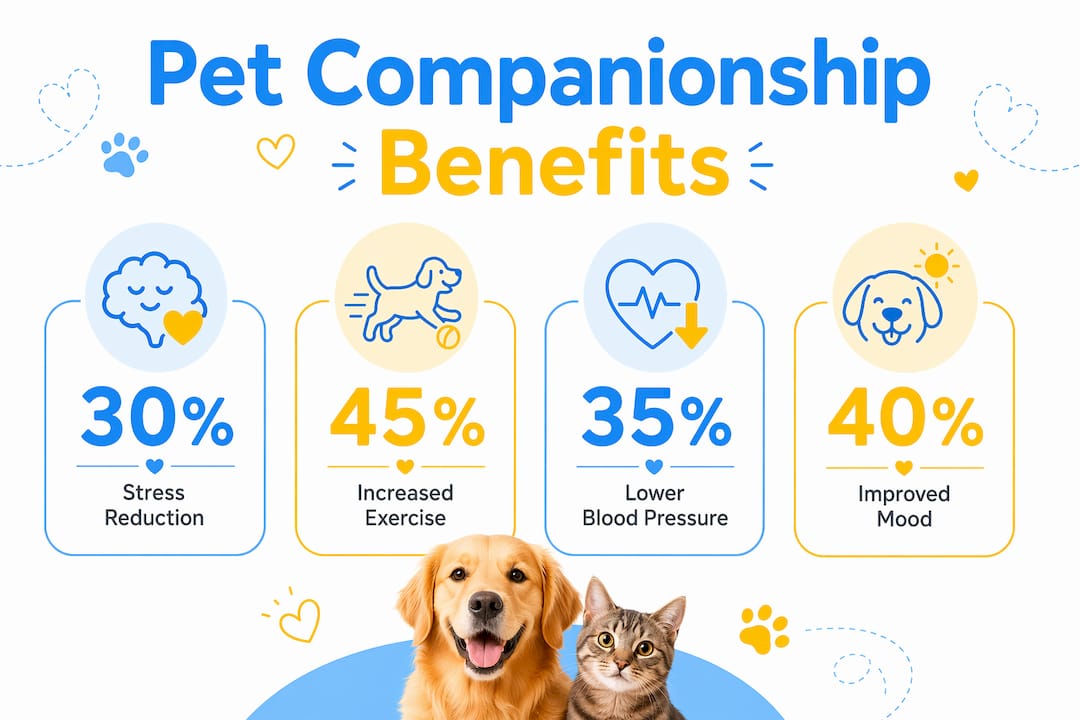
Petting an animal reduces blood pressure and heart rate within minutes. The physical and neurochemical benefits of dog ownership include measurable changes in biomarkers associated with cardiovascular health. The American Heart Association has noted the association between pet ownership and reduced heart disease risk, though it stops short of calling it causal.
Early exposure to pets also shapes immune development. Children raised with dogs or cats show differences in gut microbiome composition and lower rates of certain allergies. The effect is strongest when exposure begins in the first year of life.
| Physical benefit | Mechanism | Population most affected |
|---|---|---|
| Lower blood pressure | Tactile interaction reduces sympathetic nervous system activity | Adults, older adults |
| Increased physical activity | Dog walking creates daily exercise obligation | Dog owners of all ages |
| Improved microbiome diversity | Early animal exposure shapes gut bacteria | Infants and young children |
| Reduced heart rate | Oxytocin release during pet interaction calms cardiovascular response | Adults under chronic stress |
Pro Tip: A 20-minute walk with a dog counts toward the 150 minutes of moderate aerobic activity per week recommended by the American College of Sports Medicine. The dog makes the habit stick because it is not optional.
Considerations and limitations of pet companionship research
Not every study on pet ownership shows clear benefits. Quasi-experimental research finds no significant average causal effect of pet acquisition on mental health, life satisfaction, or loneliness under controlled assumptions. That finding does not cancel out the positive evidence. It means the benefits are not automatic.
Selection bias is the core problem in observational pet research. People who choose to get pets differ from those who do not in ways that are hard to measure, including personality, social support, and baseline health. Those differences can make pet owners look healthier than they actually are because of the pet.
Instrumental burdens of pet care, including time, cost, and daily responsibility, can offset the emotional benefits when owners lack genuine intrinsic motivation. A person who gets a dog because they feel they “should” rather than because they genuinely want one is less likely to experience the well-being gains.
Key limitations to keep in mind:
- Causation vs. correlation: Most positive findings come from observational studies, not randomized trials.
- Individual variation: Benefits depend heavily on the quality of the human-animal bond, not just the fact of ownership.
- Care burden: Financial stress, time constraints, and health limitations can make pet ownership a net negative for some people.
- Pet type matters: Most research focuses on dogs and cats. Evidence for other species is thinner and less consistent.
The honest conclusion is that pet companionship benefits are real but conditional. They depend on the right match between person, pet, and life circumstances.
How to maximize the benefits of bonding with your pet
The depth and quality of the human-animal bond determines how much emotional benefit you actually receive. Passive coexistence with a pet produces far weaker effects than active, engaged interaction.
- Prioritize daily tactile contact. Spend at least 10–15 minutes each day in direct physical contact with your pet. Stroking, grooming, and calm holding all activate the nerve pathways that reduce stress.
- Engage in active play. Play sessions increase dopamine and serotonin for both you and your pet. Fetch, tug, or puzzle toys count. The activity type matters less than the shared engagement.
- Learn your pet’s communication signals. Dogs and cats communicate through posture, ear position, and vocalization. Recognizing these signals deepens the bond and makes interactions more rewarding for both parties.
- Incorporate your pet into social activities. Take your dog to pet-friendly spaces, community events, or outdoor markets. The social facilitation effect is strongest when pets are present in public settings.
- Seek structured support when needed. If you are interested in the therapeutic benefits of animal interaction but cannot own a pet, volunteer with a local animal shelter or inquire about AAT programs at hospitals or counseling centers.
Pro Tip: Consistency matters more than duration. A 10-minute daily interaction produces stronger bonding effects than a single 70-minute session once a week. Routine is what builds trust with animals.
Key Takeaways
The benefits of pet companionship are real, measurable, and multi-dimensional, but they depend on the quality of the bond, genuine motivation, and a good match between pet and owner.
| Point | Details |
|---|---|
| Stress reduction is biological | Stroking pets activates C-tactile afferents and raises oxytocin, dopamine, and serotonin within minutes. |
| Emotional loneliness decreases | Dog ownership independently lowers emotional loneliness scores, especially in older adults. |
| Physical health improves | Regular dog walking increases exercise, lowers blood pressure, and supports cardiovascular health. |
| Benefits are not automatic | Quasi-experimental studies show no guaranteed causal effect; motivation and bond quality determine outcomes. |
| Active engagement amplifies gains | Daily tactile contact and play produce stronger well-being effects than passive pet ownership. |
What the research actually tells us about pets and happiness
I have spent years reading the research on human-animal bonds, and the finding that surprises most people is this: getting a pet does not automatically make you healthier or happier. The studies that show dramatic benefits are almost always observational. They capture people who already had the personality, social support, and lifestyle to benefit from a pet. The pet did not create those conditions. It amplified them.
What I find genuinely compelling is the neurochemical evidence. The fact that stroking a dog activates the same nerve pathways that regulate emotional homeostasis, without any conscious thought required, tells you something important. The body responds to animal contact at a level that bypasses the overthinking that undermines so many other mental health interventions.
The bidirectional nature of the bond also matters more than most articles acknowledge. Dogs release oxytocin when they interact with their owners too. This is not a one-way transaction where the human extracts comfort from an animal. It is a genuine relationship, and like all genuine relationships, it requires investment to pay off.
My honest advice: if you are considering a pet for mental health reasons, ask yourself whether you want the animal itself, not just the benefits it might bring. The advantages of pet ownership are real, but they flow from the relationship, not from the act of acquisition. Get the pet because you want to care for it. The well-being gains will follow.
— Andrew
Ipuppee and the pet-owner bond
Caring for a pet well means more than feeding and walking. It means communicating, staying connected, and building the kind of trust that makes the bond genuinely rewarding for both of you.
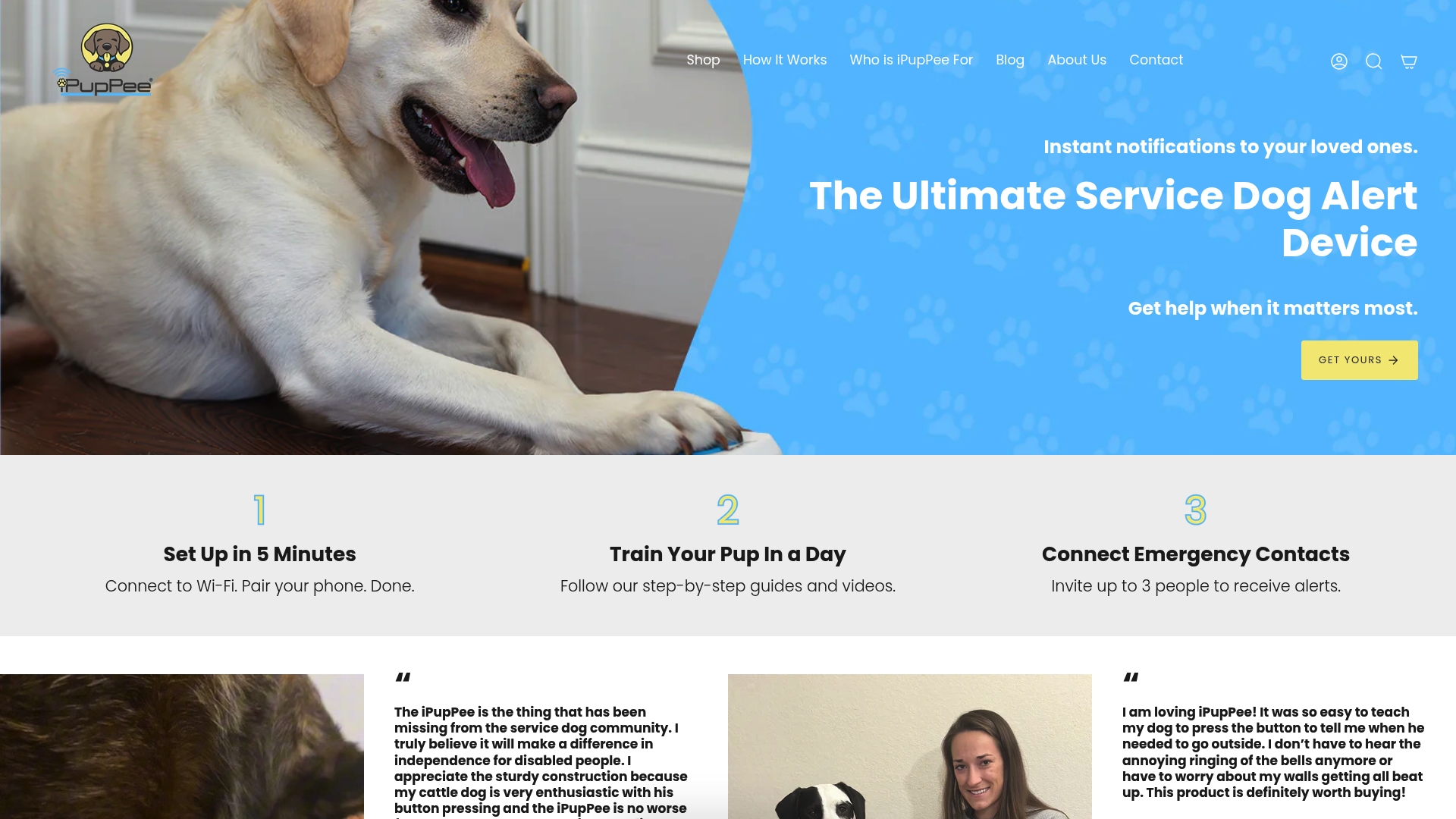
Ipuppee was built around that idea. The iPupPee alert device gives dogs a way to communicate directly with their owners through a simple button press, which is especially valuable for service dog handlers, seniors, and people living alone. Stronger communication means a stronger bond, and a stronger bond is where the real benefits of pet companionship live. Visit Ipuppee to learn more about tools and resources designed to deepen the connection between you and your dog.
FAQ
What are the main benefits of pet companionship?
Pet companionship reduces stress, lowers emotional loneliness, increases physical activity, and triggers neurochemical changes including oxytocin and serotonin release. These effects are strongest when the human-animal bond is active and reciprocal.
How do pets improve mental health specifically?
Pets reduce cortisol and increase mood-regulating neurotransmitters through touch and play. Canine-assisted therapy shows a moderate effect size of g ≈ −0.67 for anxiety reduction in clinical and university settings.
Do pets actually reduce loneliness?
Dog ownership is independently associated with lower emotional loneliness scores in older adults, according to multicenter research. The effect is specific to emotional loneliness, the feeling of lacking a close confidant, rather than general social isolation.
Are the health benefits of pet ownership guaranteed?
No. Quasi-experimental studies find no guaranteed causal benefit from simply acquiring a pet. Benefits depend on the quality of the bond, the owner’s intrinsic motivation, and whether care burdens are manageable within the owner’s lifestyle.
What type of pet interaction produces the most benefit?
Daily tactile contact and active play produce the strongest well-being effects. Stroking activates C-tactile afferents that calm the nervous system, while play elevates dopamine and serotonin. Consistency across short daily sessions outperforms infrequent long interactions.