

More than 40 million American adults struggle with anxiety, but many find that the simple presence of a dog changes everything. Emotional support and clear communication become vital for those living alone or with disabilities when stress takes hold. Discover science-backed ways service dogs create comfort, improve mental well-being, and help American pet owners regain peace of mind in daily life.
Table of Contents
- How Dogs Reduce Anxiety Explained
- Understanding Service Dogs and Emotional Support
- Key Science Behind The Calming Effect
- Training Dogs For Anxiety Support
- Risks, Misconceptions, And Legal Rights
Key Takeaways
| Point | Details |
|---|---|
| Dogs Help Reduce Anxiety | Interactions with dogs stimulate oxytocin release and decrease cortisol levels, helping to alleviate anxiety symptoms. |
| Service Dogs vs. Emotional Support Animals | Service dogs are specially trained for specific tasks, while emotional support animals provide general comfort with less legal protection. |
| Neurobiological Benefits | Engagement with dogs can enhance brainwave patterns associated with relaxation and boost mood-stabilizing neurotransmitters. |
| Structured Training for Support | Effective anxiety support dogs require comprehensive training that focuses on emotional recognition and specific tasks to address anxiety. |
How Dogs Reduce Anxiety Explained
Dogs are not just loyal companions, but powerful allies in managing anxiety through complex neurobiological mechanisms. Recent scientific research reveals that interactions with dogs trigger profound physiological changes that directly combat anxiety symptoms. These interactions stimulate the release of oxytocin, often called the “bonding hormone,” while simultaneously reducing cortisol, the primary stress hormone.
The psychological benefits extend far beyond simple companionship. When humans engage with dogs, significant neurochemical shifts occur that help regulate emotional responses. Experimental studies demonstrate that time spent actively interacting with dogs—whether playing, walking, or simply sitting together—correlates strongly with decreased anxiety levels. Interestingly, these benefits are not dependent on prior dog ownership or specific physical interactions, but rather on the quality of engagement.
Key mechanisms by which dogs reduce anxiety include:
- Providing unconditional emotional support
- Creating predictable, comforting routines
- Offering physical touch that releases stress-reducing hormones
- Encouraging physical activity and outdoor engagement
- Interrupting negative thought patterns through playful interactions
Pro Tip: Start with short, structured interactions with a dog to build comfort and maximize anxiety-reducing benefits, such as brief daily walks or calm sitting sessions.
Understanding Service Dogs and Emotional Support
Service dogs and emotional support animals represent two distinct categories of assistance animals with different legal standings and functional purposes. Federal guidelines from the Americans with Disabilities Act clearly distinguish between these two types of support animals, highlighting critical differences in their training, legal protections, and public access rights.
A service dog is specifically trained to perform precise tasks for individuals with disabilities, including physical, sensory, psychiatric, intellectual, or mental health conditions. These highly skilled animals undergo extensive training to assist their handlers with specific needs, such as guiding visually impaired individuals, alerting to seizures, or providing stability for mobility-impaired persons. Comparative research across multiple jurisdictions reveals that service dogs have comprehensive legal protections, including access to public spaces, transportation, and workplace accommodations.
Key distinctions between service dogs and emotional support animals include:
- Training Requirements
- Service Dogs: Extensive, task-specific training
- Emotional Support Animals: No specific training mandated
- Legal Access Rights
- Service Dogs: Broad public access rights
- Emotional Support Animals: Limited legal protections
- Disability Assistance
- Service Dogs: Direct task performance for specific disabilities
- Emotional Support Animals: Provide general emotional comfort
Pro Tip: Consult local disability support organizations and legal resources to understand the specific rights and requirements for service dogs in your region.
Here’s a side-by-side comparison of service dogs and emotional support animals for quick reference:
| Criteria | Service Dogs | Emotional Support Animals |
|---|---|---|
| Specialized Training | Required, for tasks and assistance | Not required, focuses on comfort |
| Legal Access | Allowed in most public spaces | Restricted; mainly housing and flying |
| Handler Requirements | Must have qualifying disability | Emotional need, no disability needed |
| Examples of Support | Guide for blind, seizure alerts | Alleviate general emotional distress |
Key Science Behind the Calming Effect
The profound impact of dogs on human stress reduction goes far beyond simple companionship, rooted in complex neurobiological mechanisms. Cutting-edge neurological research utilizing electroencephalography (EEG) has revealed that interactions with dogs directly influence brainwave patterns, specifically increasing alpha and beta waves associated with relaxation and enhanced cognitive focus.
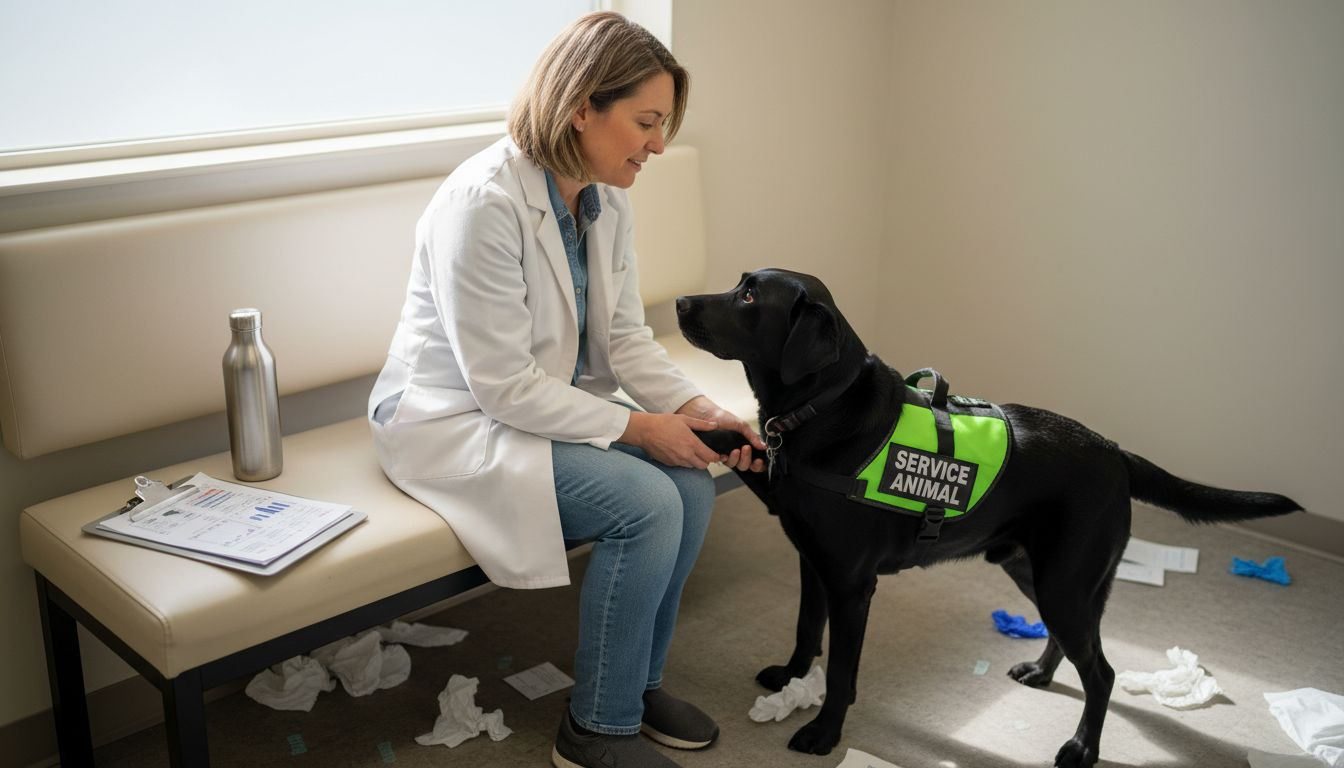
At the physiological level, dogs interact with human stress response systems in remarkably sophisticated ways. Researchers from the University of Denver’s Institute for Human-Animal Connection have discovered that canine interactions modulate two critical stress pathways: the hormone-based HPA axis and the rapid-response sympathetic-adrenal-medullary (SAM) axis. This dual-pathway intervention suggests dogs provide a more nuanced and powerful biological buffer against anxiety than previously understood.
Key neurobiological mechanisms of dog-induced stress reduction include:
- Oxytocin release, promoting bonding and emotional regulation
- Cortisol level reduction
- Increased production of mood-stabilizing neurotransmitters
- Activation of parasympathetic nervous system
- Enhanced alpha and beta brainwave patterns
Pro Tip: Consider scheduling regular, structured interactions with dogs to systematically leverage their natural stress-reduction capabilities.
This summary shows key scientific findings about how dogs can reduce anxiety:
| Scientific Finding | Effect on Humans | Evidence Type |
|---|---|---|
| Increased oxytocin | Promotes relaxation and bonding | Hormone measurement |
| Lower cortisol | Reduces physical stress symptoms | Blood/saliva testing |
| Alpha/beta brainwave boost | Enhances mental calm and focus | EEG and brain scans |
| Neurotransmitter stabilization | Balances mood and anxiety levels | Neurological research |
Training Dogs for Anxiety Support
Training dogs to provide effective anxiety support requires a comprehensive and scientifically structured approach that goes beyond basic obedience. Comprehensive research from veterinary and psychological domains highlights the critical importance of developing specialized training protocols that address both the dog’s capabilities and the specific needs of individuals experiencing anxiety.
The process of preparing dogs for anxiety support involves multiple layers of training and assessment. Systematic reviews of canine-assisted therapy programs demonstrate that successful anxiety support dogs must master a complex set of skills, including emotional attunement, task-specific interventions, and consistent behavioral regulation. These dogs learn to recognize subtle stress signals, provide grounding techniques, and create a sense of safety for their handlers.
Key components of anxiety support dog training include:
- Emotional recognition and response skills
- Stress mitigation techniques
- Deep pressure therapy
- Interrupting anxiety cycles
- Providing physical comfort
- Task-specific disability support
- Consistent behavioral control
- Adaptability to different environments
Pro Tip: Work with professional trainers specializing in psychiatric service dog training to develop a structured, evidence-based training program tailored to specific anxiety support needs.
Risks, Misconceptions, and Legal Rights
Navigating the complex landscape of service and support animals requires a clear understanding of legal distinctions and common misconceptions. Authoritative resources from the ADA National Network emphasize that many widespread beliefs about service animals are fundamentally incorrect, particularly regarding certification, identification, and public access requirements.
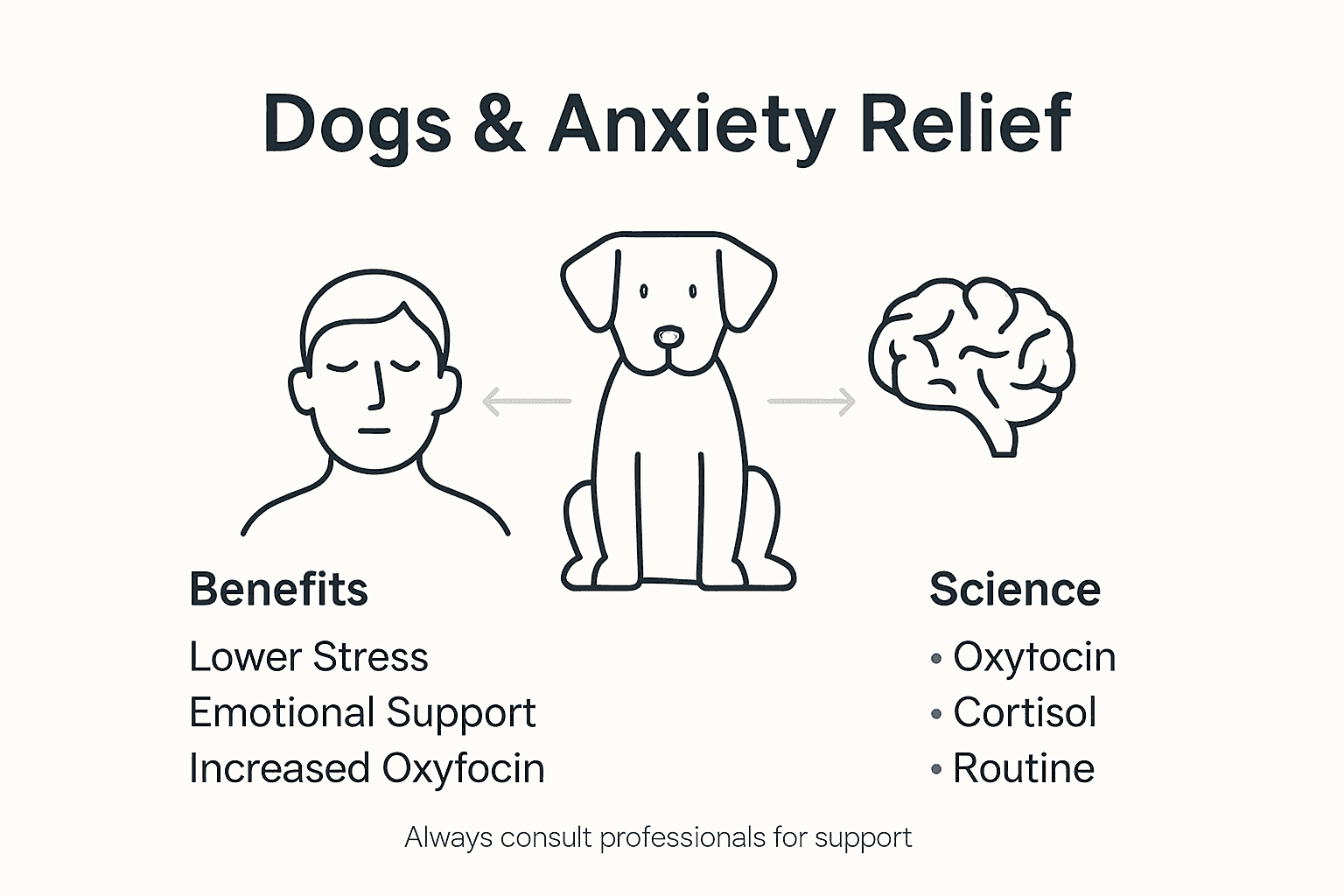
Emotional support animals and service dogs occupy distinctly different legal categories, with critical implications for handlers and the public. Comprehensive analysis from psychological research reveals numerous myths that can lead to misunderstandings about legal rights, animal welfare, and appropriate public interactions. These misconceptions can potentially harm individuals who genuinely rely on assistance animals.
Common risks and misconceptions include:
- Believing all service dogs must wear identifying vests
- Assuming service animals require formal federal certification
- Misunderstanding public access rights
- Service dogs have broader legal protections
- Emotional support animals have limited access
- Confusing service dog roles with therapy or companion animal functions
- Misrepresenting an animal’s legal status
Pro Tip: Consult official ADA guidelines and local disability support organizations to understand the precise legal rights and responsibilities associated with service and support animals.
Enhance Anxiety Support with Intelligent Dog Communication
Managing anxiety can be challenging, especially when relying on dogs as emotional anchors and service companions. This article highlights how dogs provide crucial emotional support through complex mechanisms like oxytocin release and stress reduction. However, maximizing these benefits requires clear communication and reliable safety measures between you and your dog to build trust and consistency.
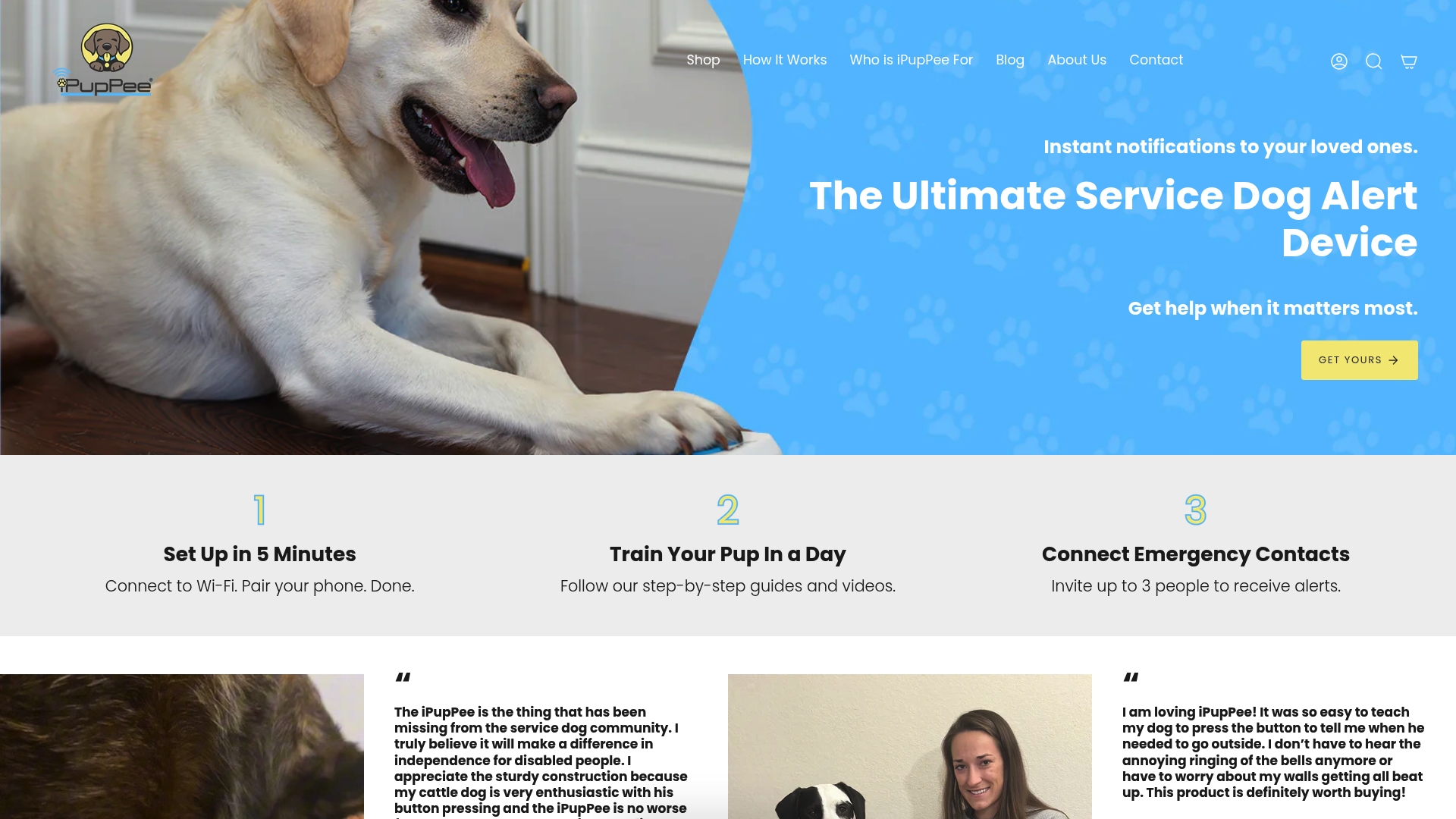
Discover how the innovative iPupPee device helps bridge communication gaps for service dogs and anxiety support animals. With simple button-press alerts, it empowers dogs to express their needs clearly, enhancing emotional regulation, safety, and independence for handlers living with anxiety. Start strengthening your dog’s role in your wellbeing today by exploring our training instructions and usage tips designed to complement the essential support your dog already provides. Feel confident knowing you and your dog have a smart system supporting your mental health every step of the way.
Frequently Asked Questions
How do dogs help reduce anxiety?
Dogs help reduce anxiety by triggering the release of oxytocin, which promotes bonding and emotional regulation, while also lowering cortisol levels, which are associated with stress. Engaging in activities with dogs can lead to changes in brainwave patterns that enhance relaxation and focus.
What is the difference between a service dog and an emotional support animal?
A service dog is trained to perform specific tasks for individuals with disabilities, such as guiding visually impaired individuals or providing mobility support. In contrast, an emotional support animal provides general emotional comfort but does not have specific training requirements or the same public access rights as service dogs.
Can all dogs help with anxiety, or are specific breeds better suited for this role?
While all dogs can offer companionship and emotional support, specific breeds may be better suited for anxiety support due to their temperament, trainability, and disposition. Individual dog personalities and training also play crucial roles in their effectiveness as anxiety support animals.
What are the key components of training a dog for anxiety support?
Key components of training a dog for anxiety support include emotional recognition, stress mitigation techniques, consistent behavioral control, and adaptability to various environments. Training should focus on helping the dog recognize signs of anxiety and providing comforting behaviors to their handler.