

TL;DR:
- A consistent daily routine with positive reinforcement helps new dogs build trust and develop good behavior. Preparing supplies, booking the vet, and establishing a predictable schedule reduce anxiety and prevent common challenges. Short training sessions and gradual socialization foster confidence and safety for puppies and adult dogs alike.
A step-by-step routine for new dog owners is the single most effective tool for raising a confident, healthy, and well-behaved dog. Consistency in daily structure reduces anxiety, speeds up housetraining, and builds the trust that makes obedience possible. The American Animal Hospital Association (AAHA) recommends scheduling your dog’s first vet visit within 72 hours of bringing them home. That appointment sets the baseline for everything that follows, from vaccinations to behavioral guidance.
What does a step-by-step routine for new dog owners look like?
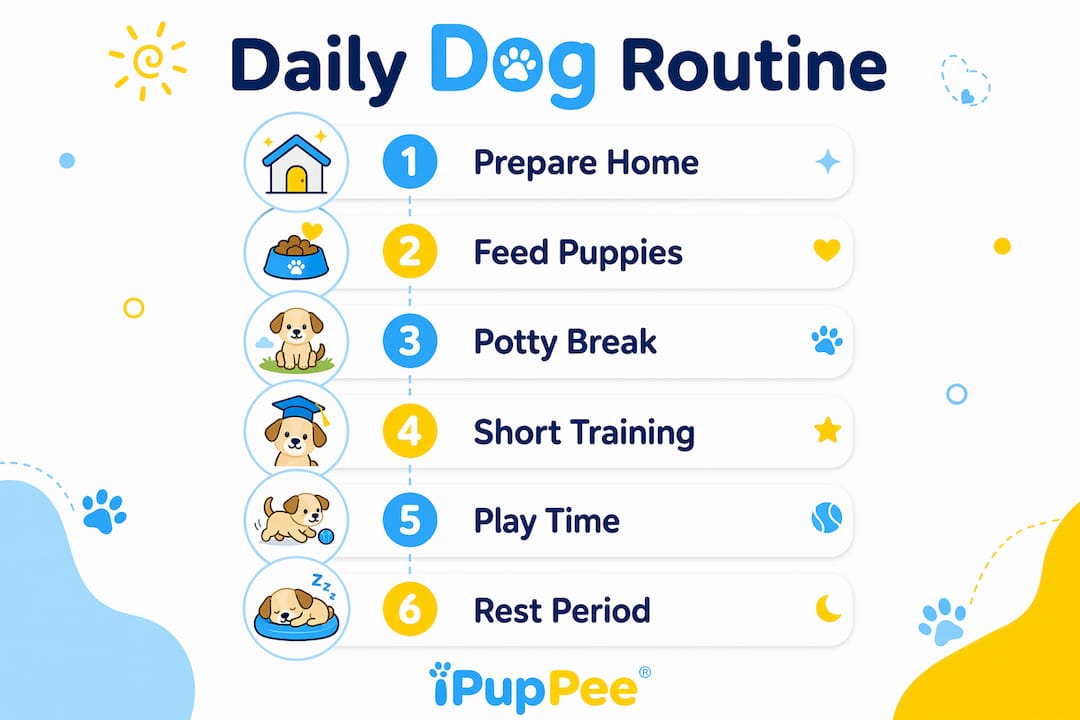
A new dog owner’s daily routine is a structured sequence of feeding, potty breaks, training, play, and rest repeated at consistent times every day. Predictability is the core principle. Dogs are creatures of habit, and a predictable 24-hour routine reduces anxiety and helps puppies learn faster. Without structure, even a well-tempered dog becomes confused and harder to train.
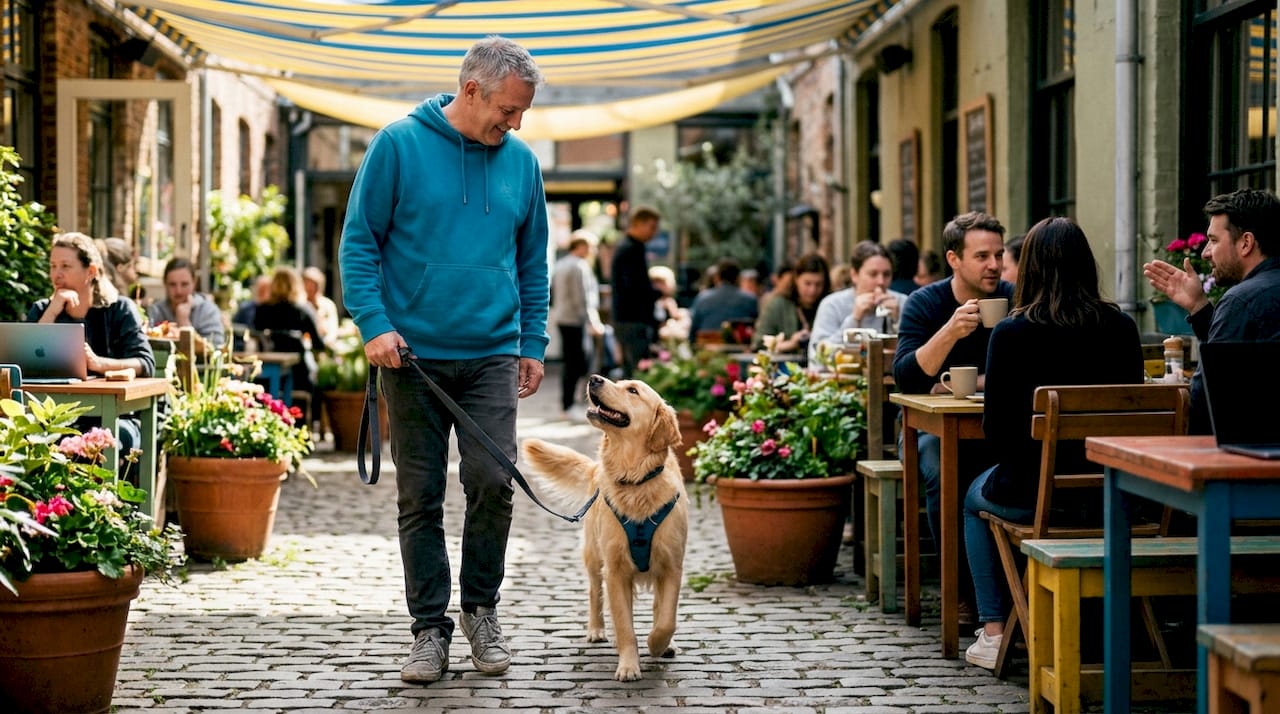
The routine starts before your dog arrives. Preparation, scheduling, and a clear understanding of what each day should look like are the three pillars of a successful new dog owner guide. Get those right, and the first week becomes manageable instead of chaotic.
How should you prepare before bringing your dog home?
Preparation is not optional. Walking in the door with a new puppy and no supplies, no safe space, and no vet appointment booked is the fastest route to a stressful first week. Every item on your pet owner checklist serves a specific function in the daily routine.
| Supply | Purpose |
|---|---|
| Food and water bowls | Establishes fixed feeding stations for routine |
| Collar and leash | Required for safe outdoor potty breaks and walks |
| Crate | Provides a den-like safe space and supports housetraining |
| Puppy-proofed playpen | Limits unsupervised access and prevents accidents |
| Chew toys | Redirects destructive chewing behavior |
| Enzymatic cleaner | Removes accident odors to prevent repeat marking |
| Vet records folder | Organizes vaccination history and health paperwork |
Set up a confined, puppy-proof area before your dog arrives. This space should contain the crate, water bowl, and a few toys. Limiting your dog’s access to the whole house in the first week prevents accidents and reduces overstimulation. Crate training works best when you introduce it with positive association: feed meals inside the crate with the door open before ever closing it.
Book the vet appointment before pickup day, not after. AAHA guidelines are clear that the first vet visit should happen within 72 hours. That window covers baseline health checks and gets immunizations started through 16 weeks.
Pro Tip: Pack a “day one bag” the night before pickup. Include food, a leash, a collar, a small toy, and your vet appointment confirmation. A calm, prepared arrival sets the tone for the entire first week.
How do you build a consistent daily dog care schedule?
A daily dog care schedule works when it runs on fixed times, not approximations. Puppies under 12 weeks need a potty break every 30–60 minutes while awake. That frequency drops as they age, but the timing triggers stay the same: immediately upon waking, 10–15 minutes after eating, and after every play session.
A sample daily schedule for a puppy owner looks like this:
- 6:30 AM Potty break immediately upon waking, before anything else.
- 7:00 AM First meal in the crate with the door open.
- 7:15 AM Potty break within 15 minutes of finishing food.
- 7:30 AM Short play session (10–15 minutes) in the puppy-proof area.
- 8:00 AM Morning nap in the crate (puppies need 18–20 hours of sleep per day).
- 11:00 AM Potty break, second meal, another short play session.
- 12:00 PM Nap.
- 3:00 PM Potty break, brief training session (3–5 minutes), calm play.
- 5:30 PM Third meal, potty break within 15 minutes.
- 7:00 PM Evening play and socialization time.
- 9:00 PM Final potty break before bed.
- Overnight One or two potty breaks for puppies under 12 weeks.
Adult dogs follow the same structure with fewer meals (twice daily) and longer gaps between potty breaks. The key is that the schedule repeats at the same times every day. Dogs read time through biological cues, and a consistent schedule trains those cues quickly.
Pro Tip: Consistency beats perfection. Missing a scheduled potty break by 20 minutes is fine. Skipping it entirely is not. Aim for the same window each day rather than the exact minute.
What are the best training and socialization steps to add to the routine?
Training sessions should be short, frequent, and positive. Puppies handle 3–5 minutes per session, while adult dogs can sustain 5–10 minutes. Run 2–3 sessions per day, spaced out across the schedule above. Longer sessions cause mental fatigue and reduce retention.
The three commands to teach first
Start with sit, come, and stay. These three commands cover the most common safety situations and build the foundation for every advanced behavior. Teach one command at a time. Move to the next only when the current one is reliable in a low-distraction environment.
Reward timing is the most overlooked variable in beginner training. Reward within 1–2 seconds of the correct behavior. A delay of even three seconds breaks the connection between the action and the treat. A clicker or a short marker word like “yes” acts as a bridge, signaling the exact moment the dog did the right thing before the treat arrives. This technique, called bridging, is especially useful when training at a distance.
How socialization fits into the daily routine
Socialization is not the same as forced play. Socialization means controlled exposure where the dog observes new sounds, people, and other animals from a safe distance, with the owner as the anchor. Forcing a puppy into a group of dogs before they are ready creates fear, not confidence. The importance of dog socialization lies in building positive associations gradually.
A phased socialization approach works like this:
- Week 1: Let your dog observe the home environment without visitors or new animals.
- Week 2: Introduce calm, familiar adults one at a time. No rushing or loud greetings.
- Week 3: Brief outdoor exposure to street sounds, cars, and foot traffic from a distance.
- Week 4: Controlled, on-leash meetings with one calm, vaccinated dog.
Always let your dog retreat if they show signs of stress. Ears back, tail tucked, and yawning are all stress signals. Forcing through those signals teaches the dog that their communication does not work, which erodes trust.
How do you handle the common mistakes and challenges in the first weeks?
The first weeks of dog ownership include sleep deprivation, accidents, and moments of doubt. These are normal. The owners who succeed are not the ones who avoid problems. They are the ones who respond to problems calmly and consistently.
The most common mistakes new owners make include:
- Inconsistent cue words. Using “down,” “off,” and “no” interchangeably for the same behavior confuses your dog. Training drift is the term for this gradual inconsistency. Pick one word per behavior and use it every time, without exception.
- Punishing accidents. Punishment after the fact does not teach the dog what went wrong. It teaches them to fear you. Clean up accidents with an enzymatic cleaner and adjust your supervision schedule.
- Skipping supervision. Puppies need constant indoor supervision or confinement. An unsupervised puppy in a new home will find trouble within minutes.
- Training in distracting environments too soon. A puppy that cannot sit reliably in the kitchen is not ready to practice in a park. Build the behavior in a quiet space first, then add distractions gradually.
- Expecting too much too fast. Forcing interaction or obedience in the first week causes stress and setbacks. The first week is for decompression and observation, not performance.
Pro Tip: If your dog shows fear or aggression that does not improve within two weeks, contact a certified professional trainer or veterinary behaviorist. Early intervention is far easier than correcting an established fear response.
Night duty is the part of the new dog owner guide that no one talks about enough. Puppies under 12 weeks cannot hold their bladder through the night. Rotating night potty breaks between household members prevents burnout. If you live alone, set an alarm for a 2:00 AM or 3:00 AM break for the first few weeks. It gets easier fast. Most puppies sleep through the night by 16 weeks with consistent crate training. For more guidance on avoiding common training mistakes, Ipuppee’s blog covers the most frequent beginner errors in detail.
Key Takeaways
A consistent daily routine built on trust, predictability, and positive reinforcement is the most reliable path to a well-adjusted, obedient dog.
| Point | Details |
|---|---|
| Prepare before arrival | Set up a safe space, buy supplies, and book the vet within 72 hours of bringing your dog home. |
| Fix the daily schedule | Use consistent times for meals, potty breaks, play, and sleep to reduce anxiety and speed learning. |
| Keep training sessions short | Puppies need 3–5 minutes per session; adults need 5–10 minutes, repeated 2–3 times daily. |
| Socialize through observation | Introduce new experiences gradually and let your dog retreat when stressed. |
| Stay consistent with cues | Use one word per command from day one to prevent confusion and speed up behavior learning. |
What I’ve learned about trust, routine, and the first weeks with a new dog
Most new owners focus on obedience. They want their dog to sit, stay, and come on command as fast as possible. That instinct is understandable, but it gets the order wrong. Trust comes before obedience. A dog that sees you as a safe base will follow your lead naturally. A dog that is confused or anxious will not retain training no matter how many sessions you run.
The owners I have seen struggle most are the ones who treat the first week as a training sprint. They push commands, invite guests over, and take the puppy to the dog park before the dog has had time to decompress. The result is a stressed dog that shuts down or acts out, and an owner who thinks they have a “difficult” dog.
The routine is not just about logistics. It is about communication. Every consistent potty break, every calm meal, every short training session tells your dog: “I am predictable. You are safe here.” That message, repeated dozens of times a day, builds a relationship that makes everything else easier. Patience in the first month pays dividends for the next decade.
— Andrew
Ipuppee resources to support your new dog routine
Getting a new dog routine right from day one takes the right information and the right tools.
Ipuppee offers a growing library of guides covering puppy care essentials, daily scheduling tips, and safety advice built specifically for new dog owners. Whether you are setting up your first crate, working through housetraining, or figuring out when to start socialization, the resources at Ipuppee give you clear, practical answers without the guesswork. The iPupPee alert device also supports owners who need an extra layer of communication and safety at home, particularly those managing a dog’s needs independently.
FAQ
When should I schedule my dog’s first vet appointment?
Schedule the first vet visit within 72 hours of bringing your dog home. This appointment establishes baseline health and starts the vaccination schedule through 16 weeks.
How often does a puppy need a potty break?
Puppies under 12 weeks need a potty break every 30–60 minutes while awake, plus immediately after waking, eating, and playing. Frequency decreases as bladder control develops.
How long should a training session be for a new puppy?
Keep puppy training sessions to 3–5 minutes each, repeated 2–3 times per day. Short, frequent sessions match a puppy’s attention span and produce faster learning than long, infrequent ones.
What is the biggest training mistake new dog owners make?
Training drift, using different words for the same command, is the most common mistake. Consistent vocabulary from day one produces faster learning and less confusion.
How do I socialize my new dog safely?
Socialization works through controlled exposure, not forced interaction. Let your dog observe new people, sounds, and animals from a safe distance, and always allow them to retreat if they show signs of stress.