

The workflow that actually cuts accidents is layered by time, not by task: a two-minute daily scan, a weekend home check, a monthly mobility review, and a veterinary exam every six months. Three fixes carry most of the risk reduction: secure your flooring, fix access points like stairs and furniture, and set up a basic monitoring or alert routine so problems get caught before they become emergencies.
TL;DR:
- Regular, short observation routines are crucial because monthly gait checks and logs enable early detection of mobility declines.
- Implementing simple physical home modifications, like non-slip rugs and contrast strips on stairs, can significantly reduce fall risks for aging pets.
- Using alert devices is most effective when placed near sleeping areas and trained regularly to ensure prompt response during nighttime or emergency situations.
- Biannual wellness exams are essential to address evolving health issues before they lead to accidents or severe decline.
- Most safety improvements only work if owners maintain a layered routine of observation and adjustment, not just one-time fixes.
Table of Contents
- Building Your Accident Prevention Workflow for Senior Pets
- Fixing Flooring, Lighting, and Access at Home
- Mobility Aids and Handling That Reduce Falls
- Managing Accidents Indoors With Dignity
- Monitoring, Alerts, and a Backup Care Plan
- How Alert Devices and Training Fit Into the Workflow
- What This Workflow Gets Right (and What Most Advice Misses)
- Where a Device Fits Into Your Prevention Plan
- Sources
Building Your Accident Prevention Workflow for Senior Pets
Most owners either do too much at once and burn out, or do nothing until something breaks. The fix is a workflow with a rhythm your pet’s aging body can keep up with, one that gets easier to maintain because each layer is short and specific.
Daily (2 minutes, morning and evening)
- Clear walking paths of shoes, cords, and toys before your pet gets up.
- Check that rugs and mats haven’t shifted overnight.
- Confirm where your pet is before you stand up quickly or open a door.
- Stick to a toileting schedule, especially first thing in the morning and right before bed.
Weekly (10 minutes, pick one day)
- Re-secure rugs with tape or grip pads, and test that ramps and gates are still stable.
- Check bedding for dampness or wear and inspect litter box edges for height issues.
- Replace traction pads or rugs that have gone slick with wear.
Monthly (15 minutes)
- Watch your pet rise from a lying position and walk a short distance, noting hesitation or favoring one side.
- Take a short video or two photos for comparison over time.
- Check nails, paw pads, and between toes for cracking, overgrowth, or swelling.
- Add a one-line note to a running log: appetite, energy, any stumbles.
Every six months
- Book a wellness exam, which the AAHA’s senior care guidelines recommend for every aging dog and cat to catch problems while they’re still manageable.
That log matters more than owners think. A single line, once a month, turns into a timeline your vet can actually use, instead of a vague “he’s been kind of off lately.”
Fixing Flooring, Lighting, and Access at Home
Most senior-pet injuries happen on the same three surfaces: hardwood, tile, and stairs. The fixes are unglamorous but effective, and clinics that specialize in senior pet care consistently point to the same short list of changes.
- Pull up loose throw rugs entirely, or replace them with low-profile, non-slip runners along the paths your pet walks most, food bowl to door, bed to water.
- Add motion-sensor nightlights near stairs, hallways, and the litter box or bathroom stops. Vision loss makes shadows and low light far more dangerous for older pets than most owners realize.
- Use a stair or hazard gate anywhere your pet could take a fall, and add contrast strips or tape to the edge of each step so aging eyes can judge distance better.
- For furniture or raised thresholds, a ramp with a gentle slope and a flat landing at the top works better than a steep incline that forces a jump-like motion.
- Raise feeding bowls and litter boxes slightly, and place both within a short walk of the sleeping area so your pet isn’t crossing the whole house to eat or eliminate.
Pro Tip: Test any new ramp or rug yourself in socks first. If it feels remotely slick or unstable under your own feet, it’s worse for a pet with weaker joints and less sensation in its paws.
A home safety checklist built for aging humans covers a lot of the same territory, lighting, clutter, fall zones, which makes sense: an aging body’s risks don’t change much between species.
Mobility Aids and Handling That Reduce Falls
A harness with a handle across the back, sometimes called a support harness, gives you a grip point for steadying your dog on stairs or slick floors without grabbing at the collar or scruff. Slings work for dogs who need more support through the hips. Toe grips add traction on hardwood for dogs who slide, and boots help both traction and paw protection for pets with reduced sensation. Low-entry beds cut the height a stiff-jointed pet has to climb.
Fit matters as much as the gear itself.
- Check that a harness doesn’t chafe under the front legs or across the chest after 10 minutes of wear.
- Make sure support points sit over bone, not soft tissue, so weight distributes properly.
- Lift from under the chest and hindquarters together, never by the collar or a single limb.
- Skip sudden lifts. Count out loud, “one, two, up,” so your pet can brace.
Pro Tip: When loading a pet into a car, use a ramp or lift them fully rather than letting them attempt a half-jump. That’s one of the most common moments for a senior dog to reinjure a hip or knee.
If your pet resists weight bearing, yelps during normal movement, or seems to be declining fast, that’s a signal to ask your vet about referral to rehabilitation or physical therapy rather than managing it with gear alone.
Managing Accidents Indoors With Dignity
An indoor accident isn’t a training failure in a senior pet. It’s usually a body or brain telling you something changed.
- Clean immediately with an enzymatic cleaner, following detailed karpittisztitas kutyaszor ellen lepesrol lepesre instructions, since ammonia-based products can actually encourage repeat marking in the same spot.
- Use washable, waterproof bed covers and absorbent pads in sleeping areas so cleanup takes minutes, not an ordeal.
- Rule out medical causes before assuming it’s just age: urinary tract infections, kidney changes, and cognitive decline all cause house soiling and are treatable or manageable once identified.
- Shift to more frequent, shorter potty breaks, and reward successful outdoor elimination with a small treat immediately after.
None of this needs to feel like a defeat. It’s a maintenance task, the same as refilling water bowls, once you build the habit around it.
Monitoring, Alerts, and a Backup Care Plan
Set up a simple emergency file: current medications, allergies, your vet’s contact information, and written authorization for a backup caregiver to access your home and make decisions if you’re not reachable.
- Keep a running photo or short video log, even 15 seconds a week, to catch gait or toileting changes before they become obvious.
- Motion sensors can flag unusual inactivity or repeated trips to one area of the house.
- Simple alert buttons let a pet signal a need without you having to be in the room.
- Fall-detection monitoring adds a layer for pets with a history of collapse or seizure.
- Line up a backup caregiver in advance, and leave written instructions where a sitter or emergency responder would find them.
A practical guide to safe pet ownership for seniors makes a similar point: the plan only works if someone else can execute it without you walking them through it live.
How Alert Devices and Training Fit Into the Workflow
An alert device doesn’t replace the daily scan or the vet visit, it closes the gap between them. When a senior dog needs a bathroom break at 2 a.m. or struggles to get up and can’t reach you, a button press or motion alert turns a slow, uncertain wait into an immediate response.
- Set the device near the sleeping area so a groggy, stiff-jointed pet doesn’t have to travel far to use it.
- Train the behavior in short, low-pressure sessions tied to an existing routine, like the last potty break of the night.
- Give backup caregivers a one-line script: “Alert means she needs to go out or is stuck, check on her within a few minutes.”
- Log alert activity alongside your monthly notes to spot patterns, more nighttime alerts can be an early sign of kidney or bladder changes worth mentioning at the next exam.
Devices and monitored alert systems exist specifically to close that response gap when an owner is asleep, in another room, or simply not fast enough on their own.
What This Workflow Gets Right (and What Most Advice Misses)
Most senior-pet advice treats prevention as a one-time home makeover: buy a ramp, add a rug, done. That’s backward. Aging isn’t a single event, it’s a slope, and a static fix from six months ago stops matching the pet in front of you. The workflow that actually works is the one built to repeat, not the one built to be perfect once.

The conventional wisdom also overweights big purchases and underweights observation. A $200 orthopedic bed does nothing if nobody notices the dog is suddenly reluctant to use the stairs to get to it. The monthly gait check and the one-line log are the least glamorous parts of this system and probably the most useful, because they’re what actually gets a vet involved before a fall happens instead of after.
If you only adopt one habit from this entire piece, make it the daily two-minute scan. Everything else, ramps, monitoring, biannual exams, works better layered on top of a routine where you’re already paying attention.
— Andrew
Where a Device Fits Into Your Prevention Plan
If your workflow has a gap around nighttime alerts or moments when you’re not in the room, that’s exactly what a pet alert device can help with. Such a device can let your dog send a direct alert with live video and two-way audio, so instead of guessing whether that noise was nothing or a fall, you can check in immediately from wherever you are.
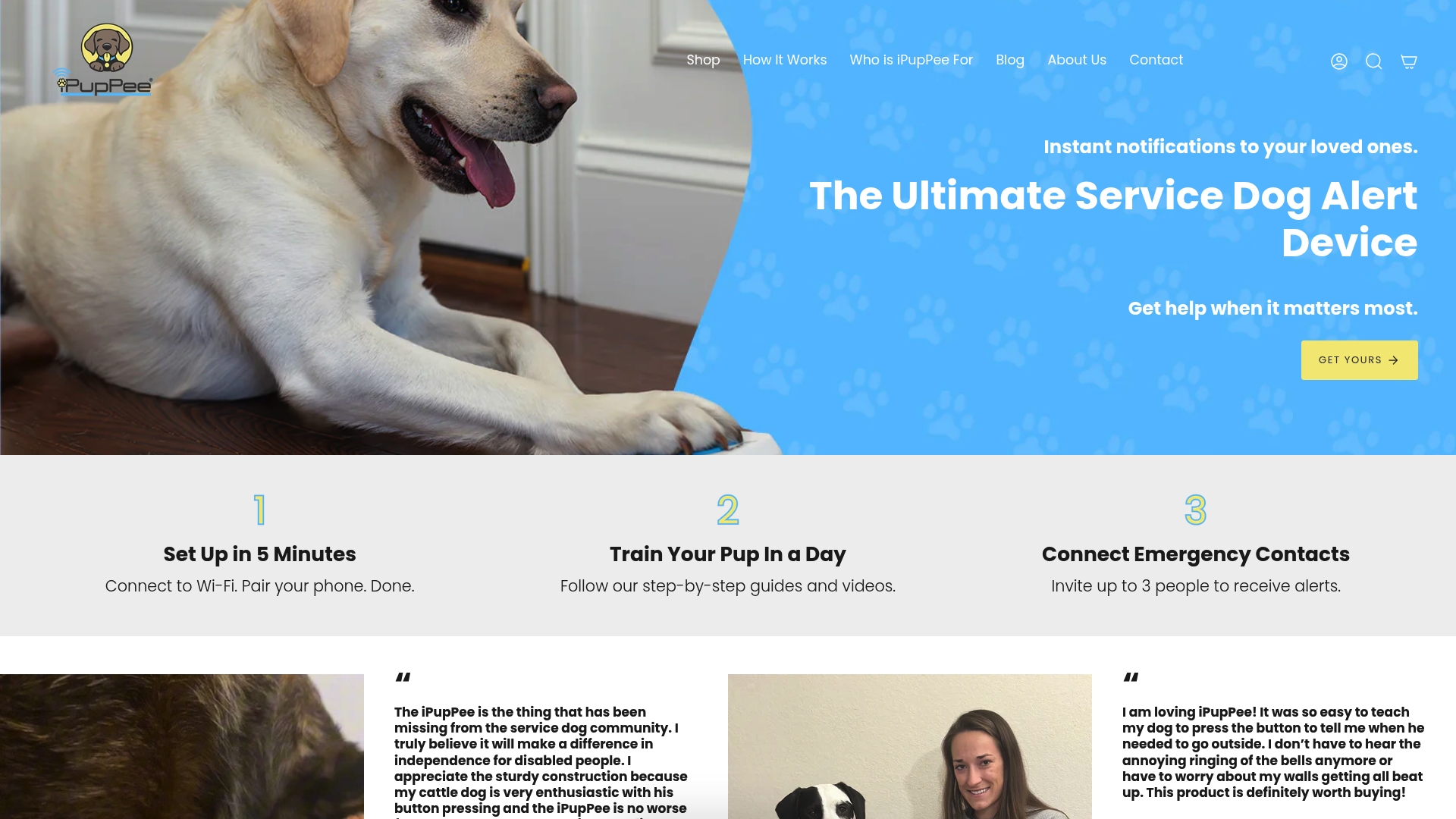
Before buying anything, ask three questions: can your specific pet learn a simple button press with short training sessions, do you have a backup caregiver who’d also get the alert, and does your home layout let you place the device somewhere your pet can reach without extra effort. Training materials often walk through exactly that setup, and full device details and training resources are available on the landing page if you want to see whether it slots into the routine you’re already building.