

TL;DR:
- Pet independence involves training dogs to comfortably spend time alone, reducing separation anxiety and behavioral issues. Building this skill gradually with positive reinforcement and a well-designed environment supports long-term psychological health. Consistent routines, early intervention, and respecting welfare limits are essential for fostering genuine pet autonomy.
Pet independence is defined as a dog’s ability to spend time alone comfortably, manage its own stress responses, and self-regulate behavior without constant human presence. Enabling this capacity is one of the most direct ways to reduce separation anxiety, prevent destructive habits, and improve your dog’s long-term psychological health. The good news: it’s a skill you can build systematically, and the science behind it is clear. Whether you have a new puppy, a rescue dog, or a service animal, understanding why pet independence matters changes how you train, how you set up your home, and how you respond when your dog struggles.
Why enable pet independence for your dog’s mental health
Pet independence is not about leaving your dog to fend for itself. It’s about teaching your dog that being alone is safe, predictable, and temporary. Dogs that lack this skill develop separation anxiety, a condition that triggers destructive behavior, excessive vocalization, and physiological stress responses that compound over time.
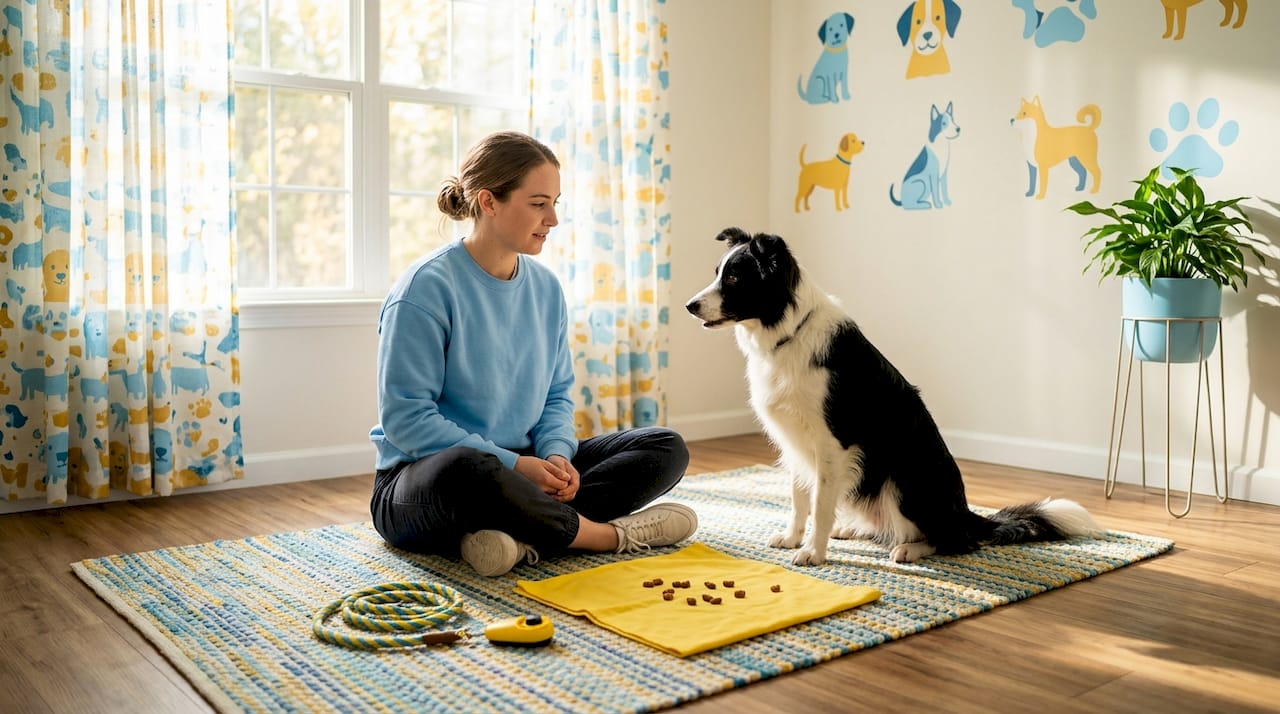
The behavioral signs of separation anxiety are hard to miss: chewing furniture, scratching doors, eliminating indoors, or barking for extended periods after you leave. These are not acts of defiance. They are panic responses from a dog that has never learned to self-regulate. Separation anxiety is a stressful condition that often requires professional intervention if left untreated, which is why early independence training matters so much.
The physiological case is equally compelling. Research published in MDPI Animals shows that enrichment and predictable routines directly support healthy cortisol regulation in dogs. Lower cortisol means a calmer, more resilient animal. Dogs that have been trained to handle alone time show measurably lower stress markers than those left without preparation or structure.
The benefits of pet independence extend beyond the dog. Owners who have trained their dogs to self-manage report less guilt when leaving the house, fewer emergency calls to neighbors, and a more stable daily routine. Independence training is an investment that pays off for both ends of the leash.
Pro Tip: Watch for subtle stress signals before they escalate. Yawning, lip licking, pacing, and refusing food are early indicators that your dog is approaching its stress threshold. Adjust training pace before these behaviors appear, not after.
Key stress signals to monitor during independence training:
- Excessive panting or drooling when you prepare to leave
- Destructive behavior concentrated near exits (doors, windows)
- Loss of appetite during or after alone time
- Hyperactive or frantic greetings when you return
- Repetitive behaviors like circling or tail chasing
What are the safest methods to build pet autonomy?
The most effective approach to building pet autonomy is a stepwise progression that respects your dog’s current stress threshold and only extends alone time when calm behavior is reliable. Purina’s guidance recommends starting with short absences of just a few minutes, then gradually increasing duration as the dog demonstrates it is coping well. Jumping from five minutes to four hours in a week is a common mistake that sets training back significantly.
Here is a practical progression for building independence safely:
- Start at two to five minutes. Leave the room, not the house. Return before your dog shows any stress. Reward calm behavior with a treat or quiet praise.
- Increase to ten to fifteen minutes. Use a puzzle feeder or Kong toy to give your dog a positive association with your absence. Leave without ceremony.
- Move to thirty minutes. Practice departures that mimic your real routine: pick up keys, put on shoes, and step outside. Return calmly.
- Build toward one to two hours. Only extend duration when the previous increment is consistently calm across multiple sessions.
- Respect the four-hour ceiling. The Mira foster program, which trains service dogs, limits alone time to a maximum of four hours per day for puppies and requires mandatory socialization sessions. This is a welfare standard worth applying to all dogs, not just service animals.
Positive reinforcement is the only method that works long term. Training commands like “sit,” “stay,” and “place” build confidence and security in dogs during alone time by giving them a clear behavioral framework. Never use the crate as punishment. A crate should be a den, a place your dog chooses to rest, not a consequence it dreads.
Avoid dramatic departures and reunions. Long goodbyes signal to your dog that leaving is a significant emotional event, which amplifies anxiety. Calm, matter-of-fact exits and returns teach your dog that your absence is routine, not alarming. You can find a detailed walkthrough of this process in Ipuppee’s step-by-step alone time guide.
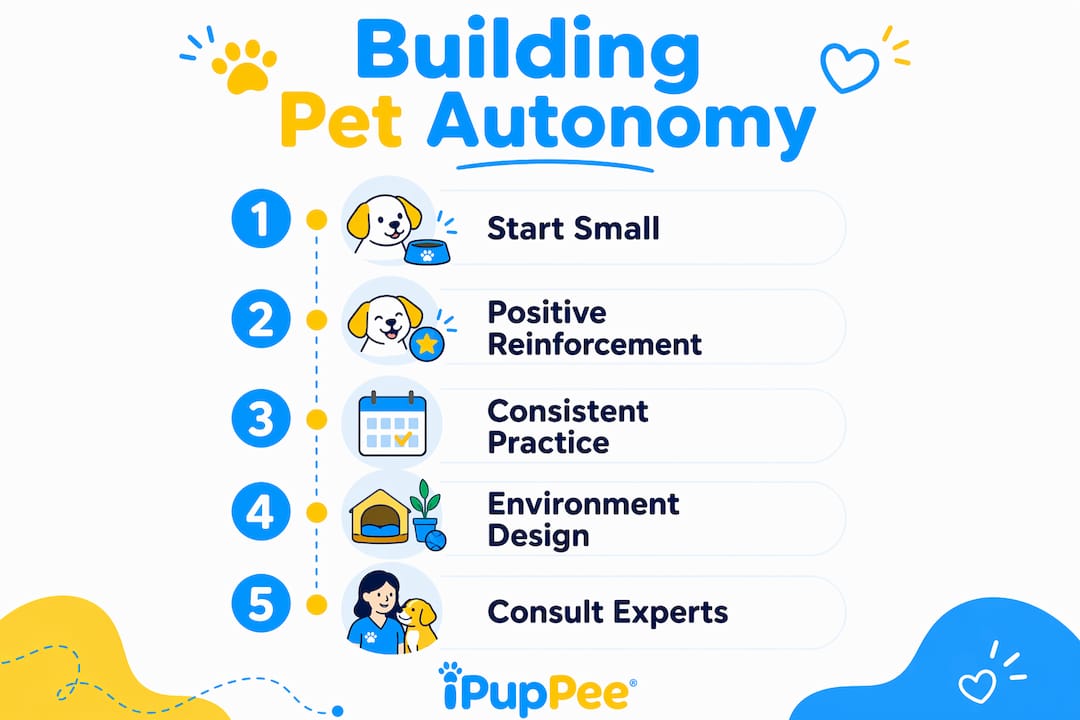
Pro Tip: Consistency beats intensity every time. Two ten-minute training sessions daily produce better results than one long session per week. Dogs learn through repetition in low-stress conditions, not through extended exposure to discomfort.
How does environment design support pet independence and safety?
The physical space your dog occupies during alone time directly shapes its ability to cope. A well-designed environment reduces boredom, prevents unsafe behavior, and signals to your dog that this space is calm and predictable. Environmental enrichment, including puzzle feeders, chew toys, and sniff mats, gives dogs a constructive outlet for mental energy that would otherwise fuel anxiety.
A PeerJ study on shelter dog welfare found that weeklong fostering reduced urinary cortisol and increased resting behavior compared to shelter confinement. The key difference was not just human contact but the stability, predictability, and enrichment of the foster environment. Dogs in low-noise, consistent settings learned to rest rather than merely tolerate absence. This finding has direct implications for how you design your home environment.
The table below compares the welfare outcomes of two contrasting environments, based on the PeerJ research findings:
| Environment type | Noise level | Enrichment | Cortisol outcome | Rest behavior |
|---|---|---|---|---|
| Shelter confinement | High, unpredictable | Minimal | Elevated | Low |
| Foster home | Low, consistent | Moderate to high | Reduced | Significantly increased |
One underappreciated factor is your own stress level. Research from MDPI Animals confirms that caregiver stress affects pet cortisol, meaning a tense owner produces a tenser dog. Managing your own anxiety around departures, staying calm, and maintaining a consistent routine all contribute to your dog’s ability to regulate its own stress response.
Pet-proofing your home is equally important. Remove chewable hazards, secure trash cans, and block access to rooms where your dog could injure itself. Ipuppee’s guide on keeping pets safe indoors covers the practical steps in detail. A safe environment is not just about preventing accidents. It’s about giving your dog the freedom to explore and rest without triggering anxiety from unexpected hazards.
What mistakes undermine independence training?
The most damaging mistake owners make is moving too fast. Extending alone time before a dog is ready does not build resilience. It builds fear. Dogs that are pushed past their stress threshold during training associate being alone with panic, which makes every subsequent session harder. The welfare limits set by programs like Mira exist precisely because independence is a developmental process with guardrails, not a destination you can rush toward.
Common pitfalls that undermine the importance of pet self-sufficiency:
- Abrupt confinement without preparation. Shutting a dog in a crate or room without prior acclimation creates immediate stress, not independence.
- Ignoring early stress signals. Owners who push through yawning, pacing, or refusal to eat during training sessions worsen anxiety and create behavioral problems that are harder to reverse.
- Dramatic departures and reunions. Emotional goodbyes and excited returns teach dogs that your absence is a crisis worth panicking over.
- Skipping enrichment. A dog left alone with nothing to do will find something to do, and it will rarely be something you approve of.
- Neglecting professional help. Separation anxiety that involves self-injury, prolonged vocalization, or complete refusal to eat requires a veterinary behaviorist or certified trainer, not just more practice.
Pro Tip: If your dog’s anxiety does not improve after two to three weeks of consistent gradual training, consult a certified applied animal behaviorist (CAAB) or a veterinarian with behavioral expertise. Early professional intervention prevents the condition from becoming entrenched.
Promoting independence in pets also means recognizing that some dogs have underlying anxiety disorders that training alone cannot resolve. In those cases, behavioral medication prescribed by a veterinarian can make training possible by lowering the dog’s baseline stress enough to learn.
Key takeaways
Pet independence is built through gradual training, environmental design, and consistent positive reinforcement, and skipping any one of these three elements significantly slows progress.
| Point | Details |
|---|---|
| Start small and build slowly | Begin with two to five minute absences and only extend duration when calm is reliable. |
| Environment shapes outcomes | Enrichment, low noise, and predictable routines reduce cortisol and increase resting behavior. |
| Respect welfare limits | Cap alone time at four hours maximum, especially for puppies and dogs in early training. |
| Avoid dramatic departures | Calm, matter-of-fact exits and returns teach dogs that absence is routine, not alarming. |
| Seek help when needed | Persistent separation anxiety requires a certified behaviorist or veterinarian, not just more repetition. |
The part most owners get wrong about independence training
I have seen a lot of well-meaning dog owners treat independence training as a one-time task rather than an ongoing relationship with their dog’s emotional capacity. They do two weeks of crate training, declare victory, and then wonder why their dog falls apart when the routine changes.
What I have learned from watching this play out repeatedly is that independence is not a fixed state. It fluctuates with your dog’s age, health, recent experiences, and even your own stress levels. A dog that handled four hours alone perfectly last month may struggle after a move, a new family member, or a change in your schedule. That is not a training failure. It is biology.
The owners who get this right treat independence training as a permanent background practice, not a phase. They keep enrichment fresh, maintain consistent departure routines, and pay attention to their dog’s signals even after the “training period” is over. They also understand that independence and connection are not opposites. A dog that feels securely attached to you is actually better equipped to handle alone time than one that has been left to figure it out on its own.
The research from MDPI Animals on caregiver stress influencing pet cortisol stuck with me because it reframes the whole conversation. Your dog’s ability to be independent is partly a reflection of your own calm. That is not a guilt trip. It is a practical tool. If you are anxious about leaving, your dog reads that. Work on your own departure routine as deliberately as you work on your dog’s.
Ipuppee’s dog independence training guide covers the skill-building side of this well, and I recommend it as a starting point for owners who want a structured framework rather than guesswork.
— Andrew
Build real independence with Ipuppee’s training resources
If you are ready to move beyond trial and error, Ipuppee has built a structured path for exactly this challenge.
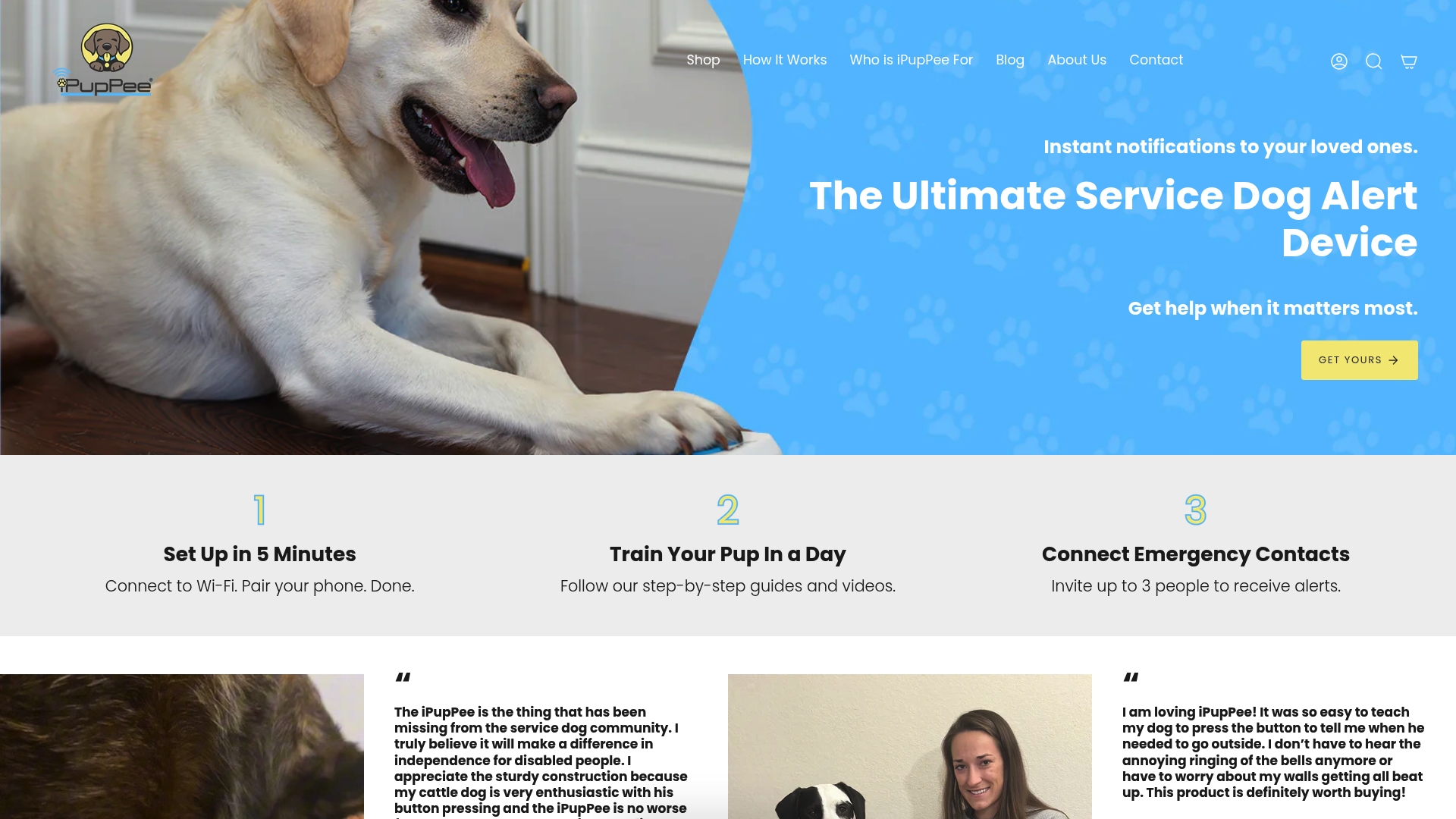
The Psychology and Training Course from Ipuppee gives dog owners a research-grounded framework for building genuine independence, covering canine psychology, step-by-step alone-time training, enrichment strategies, and how to read and respond to your dog’s stress signals. It is designed for real owners with real schedules, not just professional trainers. Whether you are starting with a new puppy or working through an established anxiety pattern, the course provides the structure that makes consistent progress possible. Ipuppee also covers the full picture of dog independence benefits across their blog for owners who want to go deeper.
FAQ
Why is pet independence important for dogs?
Pet independence allows dogs to manage alone time without panic or destructive behavior, reducing separation anxiety and supporting long-term psychological health. Dogs with strong independence skills show lower cortisol levels and more stable temperament across changing routines.
How long can I leave my dog alone during training?
Welfare guidelines from programs like Mira cap alone time at four hours per day for puppies, and most behaviorists recommend building toward that ceiling gradually rather than starting there. Always base duration on your dog’s demonstrated calm, not a fixed schedule.
What is the fastest way to build pet autonomy?
The fastest method is also the most counterintuitive: go slower than you think you need to. Gradual acclimation starting with very short absences and building only when calm is reliable produces faster long-term results than pushing a dog past its threshold.
Can enrichment toys really reduce separation anxiety?
Yes. Puzzle feeders, Kong toys, and sniff mats give dogs a constructive mental outlet during alone time, which reduces the boredom-driven behaviors that mimic and reinforce anxiety. Enrichment works best when introduced before your dog reaches its stress threshold, not as a last-resort distraction.
When should I get professional help for my dog’s anxiety?
Seek a certified applied animal behaviorist or veterinarian with behavioral expertise if your dog shows self-injury, prolonged vocalization, or complete appetite loss during alone time after two to three weeks of consistent gradual training. Early professional intervention prevents separation anxiety from becoming a deeply entrenched pattern.