

TL;DR:
- Automated pet alerts provide real-time notifications using sensors and AI to monitor pets’ health and behavior.
- They reduce owner anxiety, catch health issues early, and manage pet comfort efficiently through connected smart devices.
Automated pet alerts are real-time notification systems that use AI, smart sensors, and connected devices to monitor your pet’s behavior, health, and environment and send you actionable updates the moment something changes. Pet owners who rely on manual check-ins miss warning signs that automated systems catch within seconds. The case for why automate pet alerts comes down to three things: faster response times, earlier health detection, and a measurable drop in owner anxiety. Ipuppee builds its entire product philosophy around this principle, recognizing that consistent, data-driven communication between pets and owners is the foundation of safe, independent pet care.
Why automate pet alerts: the core safety and health case
Automated pet alerts solve a problem that manual monitoring cannot. 62% of pet owners feel anxious leaving their pets alone during work hours. That anxiety is not irrational. Without real-time updates, a pet in distress can go unnoticed for hours.
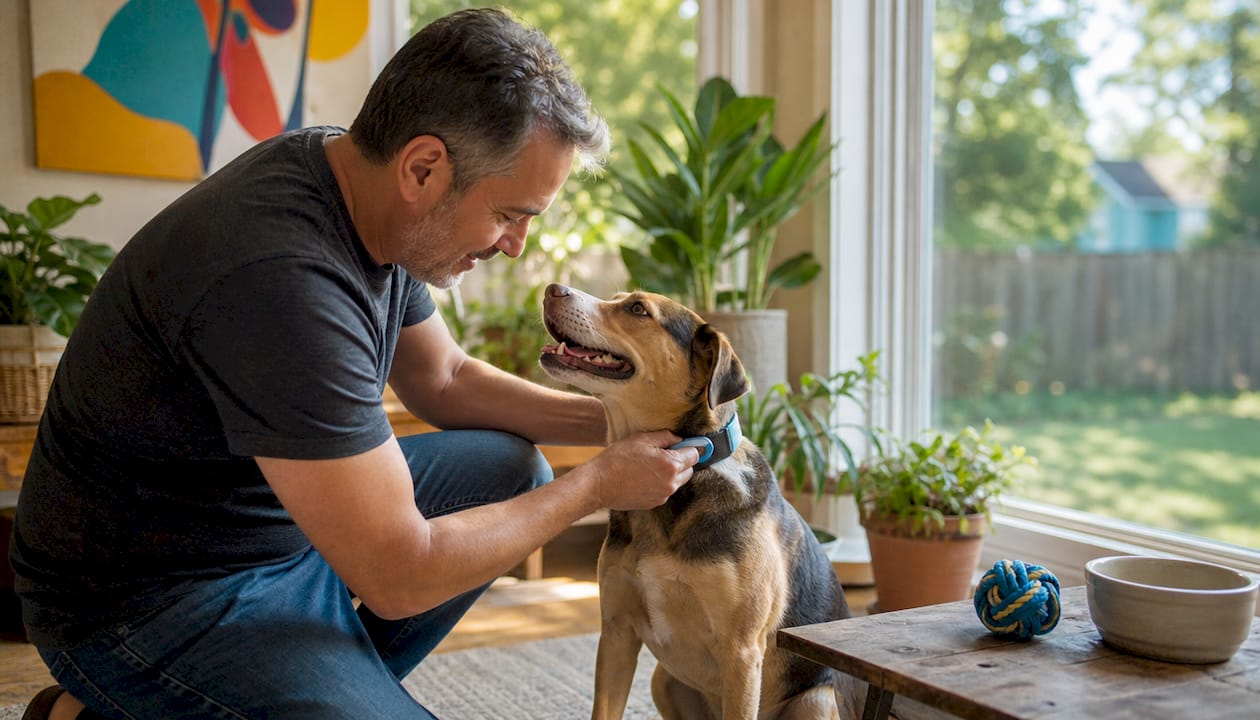
The benefits of automated pet alerts extend well beyond owner peace of mind. Proactive health monitoring systems reduce late-stage illness cases by roughly 35%, enabling early intervention before a minor symptom becomes an emergency vet visit. That single statistic reframes automation from a convenience into a genuine health tool.
Automated systems also manage physical comfort without owner input. Smart feeders deliver meals on schedule, climate sensors trigger HVAC adjustments when a room gets too warm, and motion detectors flag unusual stillness that could signal injury or illness. Each of these interventions happens in the background, without requiring you to check an app manually.
The financial case is equally clear. Smart home pet automation typically pays for itself within two to three years by cutting food waste, reducing energy use, and avoiding costly emergency vet visits. Automation is not an expense. It is a long-term investment in your pet’s health.
Key safety benefits at a glance
- Real-time alerts for unusual behavior, stillness, or distress signals
- Automated feeding and hydration schedules that prevent missed meals
- Environmental monitoring for temperature, air quality, and humidity
- Early health anomaly detection before symptoms become emergencies
- Instant notifications to your phone, regardless of your location
What technologies power automated pet alert systems?
The reliability of any automated pet alert system depends on the technology underneath it. Three layers work together: sensing, processing, and communication.
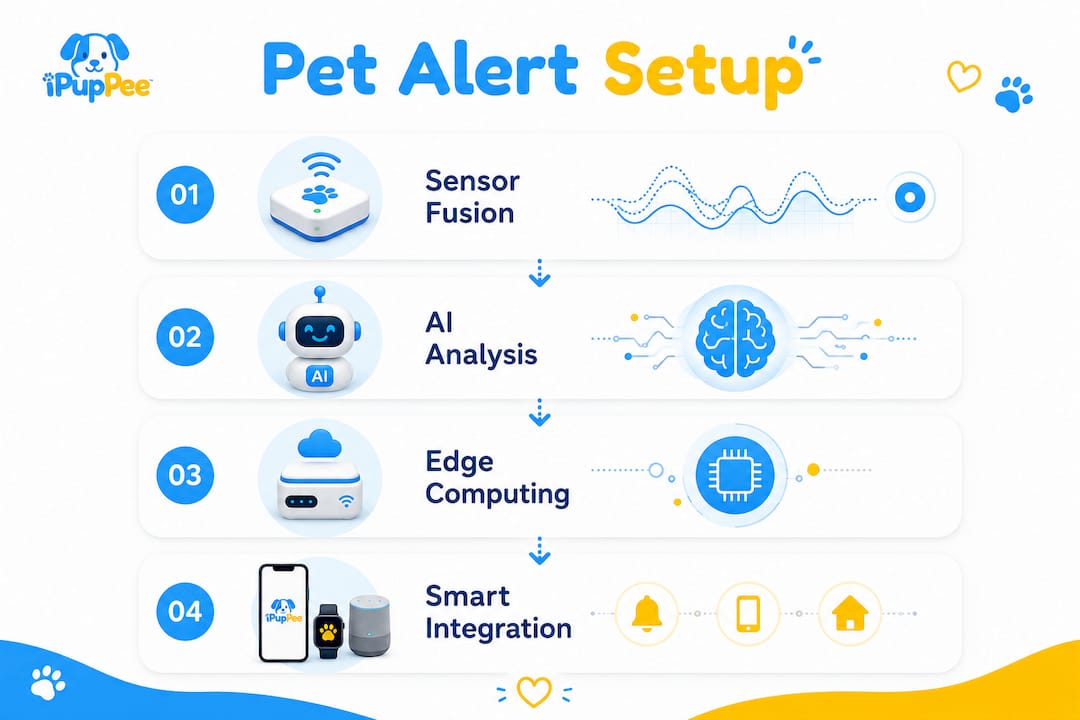
Multi-sensor fusion is the most important concept to understand. A single motion sensor generates false positives constantly. A system that combines cameras, motion sensors, and environmental monitors creates high-confidence alerts by cross-referencing data from multiple sources before sending a notification. If the camera sees movement but the environmental sensor shows no temperature change and the collar shows a normal heart rate, the system stays quiet. That cross-referencing is what separates a useful alert from noise.
AI-driven behavioral recognition takes multi-sensor data and applies pattern analysis. These systems learn your pet’s normal routine, including when they eat, sleep, and move. Any deviation from that baseline triggers an alert. AI-driven behavioral recognition reduces false alerts by approximately 70% compared to motion-only systems. That reduction matters because alert fatigue is the primary reason pet owners disable monitoring systems.
Local processing, sometimes called edge computing, keeps data analysis on the device rather than sending everything to a cloud server. Local processing on devices like Matter-compatible hubs or Home Assistant platforms enhances reliability during internet outages and protects sensitive behavioral data from excessive cloud upload. For pet owners who care about privacy, this is a non-negotiable feature.
Smart home integration ties everything together. When a pet alert system connects to your thermostat, lighting, and smart feeder, a single trigger can set off a coordinated response. A temperature spike alert can automatically lower the thermostat, close smart blinds, and send you a notification, all within seconds.
How to set up and optimize automated pet alerts
Setting up pet alert automation correctly from the start prevents the most common failure mode: a system that gets ignored because it sends too many irrelevant notifications.
- Choose compatible devices. Select sensors, cameras, and hubs that support open protocols like Matter. Matter-compatible devices communicate with each other regardless of brand, which prevents you from being locked into a single ecosystem.
- Establish your pet’s behavioral baseline. Run the system for one to two weeks without acting on alerts. Let the AI learn your pet’s normal patterns before you rely on its recommendations.
- Configure a tiered alert structure. Tiered alert systems using “info,” “warning,” and “urgent” categories prevent alarm fatigue and improve your responsiveness to genuine emergencies. An “info” alert might note that your dog skipped a meal. An “urgent” alert means the system detected a fall or prolonged stillness.
- Customize thresholds for your specific pet. A greyhound’s resting heart rate differs from a Labrador’s. Personalized baselines for individual pets outperform generic alert thresholds because they filter out normal variation that would otherwise trigger false alarms.
- Test your fail-safes before relying on the system. Simulate an alert scenario, confirm your phone receives the notification, and verify that any automated responses (thermostat, feeder) activate correctly.
Pro Tip: Set a weekly 10-minute review of your pet’s behavioral log. Patterns that look normal day-to-day often reveal gradual changes over weeks, and catching those early is exactly what automation is designed to help you do.
Common challenges and how automation supports pet independence
Manual monitoring has a fundamental flaw: it only works when you are watching. Most pet owners check a camera feed a few times a day at best. Automated alerts watch continuously, which means they catch the 3 AM restlessness or the midday refusal to eat that a manual check would miss entirely.
Separation anxiety is one of the most common behavioral problems in dogs, and it gets worse when owners are away for long stretches. Two-way audio and treat dispensing features measurably reduce separation anxiety and related destructive behaviors. Hearing your voice through a speaker or receiving a treat from a dispenser gives your dog a real-time signal that you are present, even when you are not physically there.
Routine is the other major factor. Automation built around predictable routines for feeding, lighting, and temperature significantly reduces pet anxiety and destructive behaviors. A dog that eats at the same time every day, in the same lighting conditions, with the same ambient temperature, experiences far less stress than one whose schedule shifts with its owner’s unpredictable workday.
Multi-pet households benefit from automation in a different way. Tracking two or more animals manually is genuinely difficult. Automated systems log each pet’s activity separately, flag when one animal is eating another’s food, and alert you when the quieter pet in the household shows a behavioral change that would otherwise go unnoticed.
Pro Tip: For multi-pet households, label each sensor or camera with the pet’s name in your app. When an alert fires, you will know immediately which animal needs attention rather than spending time figuring it out.
- Continuous monitoring catches issues that periodic manual checks miss
- Two-way audio and treat dispensers reduce separation anxiety in real time
- Predictable automated routines lower stress and destructive behavior
- Separate activity logs for each pet in multi-animal households
- Remote access lets you respond to alerts from anywhere with a phone signal
Key Takeaways
Automating pet alerts is the most reliable way to protect your pet’s health, reduce your anxiety, and build a consistent care routine that works even when you are not home.
| Point | Details |
|---|---|
| Early health detection | Proactive monitoring reduces late-stage illness cases by roughly 35%, enabling faster intervention. |
| Reduced false alerts | AI-driven behavioral recognition cuts false alerts by approximately 70% compared to motion-only systems. |
| Tiered notifications | Using “info,” “warning,” and “urgent” alert levels prevents alarm fatigue and improves response rates. |
| Personalized baselines | Alerts calibrated to your specific pet’s normal behavior outperform generic threshold settings. |
| Long-term cost savings | Smart pet automation typically pays for itself within two to three years through avoided vet visits and reduced waste. |
What I have learned from watching automation change pet care
The most common objection I hear from pet owners is that automation feels impersonal. The idea is that a sensor cannot replace the judgment of someone who knows their animal. That objection misses the point entirely.
Automation does not replace your judgment. It gives you better information to act on. The owners I have seen benefit most from automated alerts are not the ones who handed everything over to a system. They are the ones who used the data to become more attentive, not less. They noticed that their dog’s activity dropped two weeks before a vet visit confirmed early arthritis. They caught a pattern of nighttime restlessness that turned out to be a dietary issue. The system flagged it. The owner acted on it.
The other thing I have noticed is that generic alerts are nearly useless. A system that sends a notification every time your cat moves is a system you will mute within a week. The pet owners who trust AI monitoring are the ones who took the time to set personalized baselines and tiered alerts. That setup investment, usually a few hours, is what separates a system that works from one that collects dust.
My honest recommendation: start with one device, one pet, and one alert category. Learn what normal looks like for your animal before you add complexity. Automation built incrementally, based on your pet’s actual behavior, will serve you far better than a full system installed all at once and never tuned. The pet alert system overview at Ipuppee is a good starting point if you want a clear picture of what a well-designed system looks like before you commit.
— Andrew
Ipuppee’s approach to reliable pet alert automation
Pet owners who want a system that works from day one, without months of configuration, have a clear option in Ipuppee. Ipuppee’s platform is built around the principle that pet alerts should inform you without overwhelming you, delivering the right notification at the right moment.
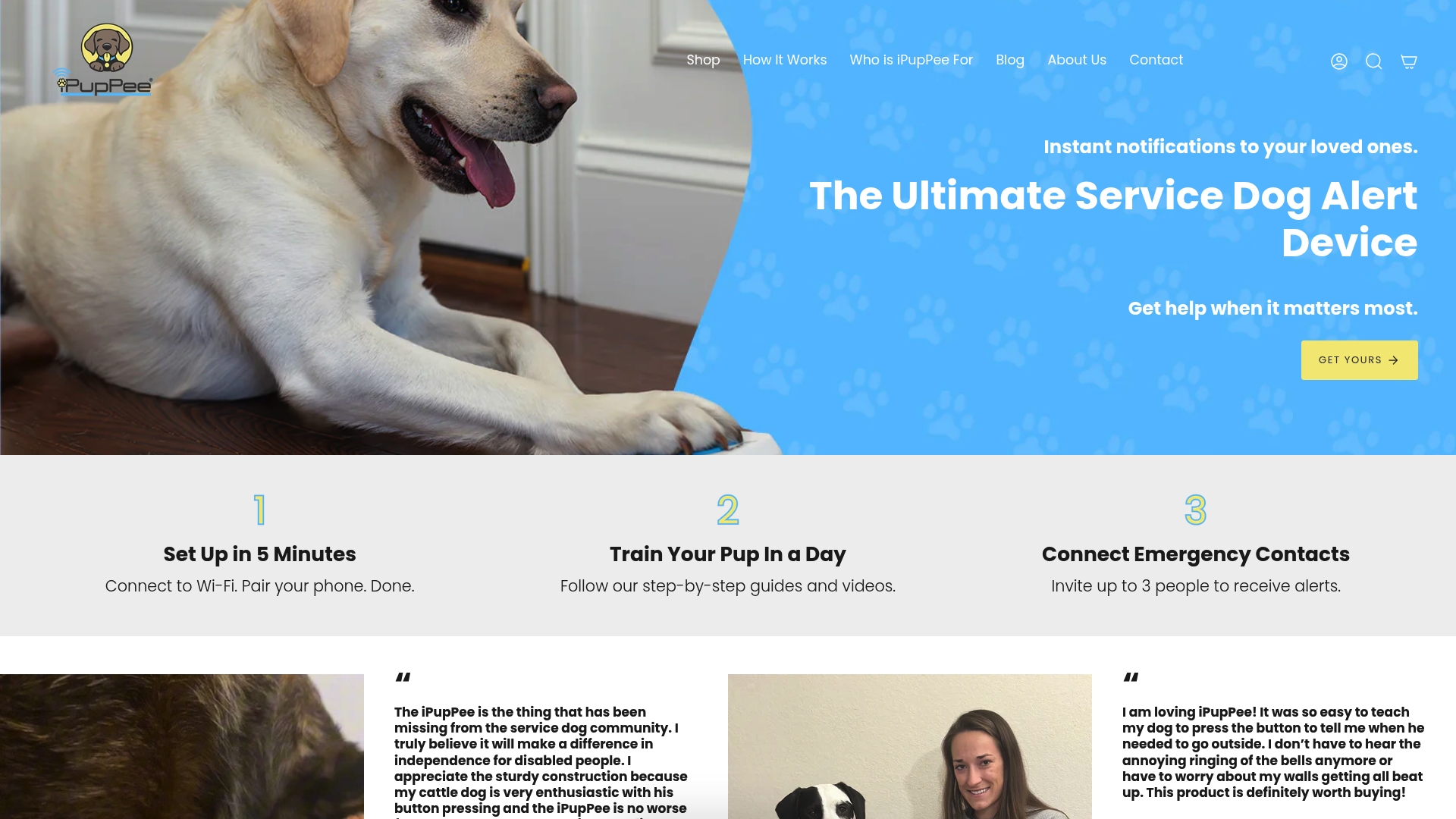
Ipuppee integrates communication, safety monitoring, and behavioral alerts into a single system designed specifically for pet owners who need reliability, whether they are managing a service dog, a new puppy, or a senior pet with health needs. The setup process is straightforward, and the alert system is fully customizable to your pet’s individual behavior. Pet owners who want to understand how smart home tech supports pet safety can explore Ipuppee’s resources to find the right starting point. Visit Ipuppee to see how the system works and configure your first automated alert today.
FAQ
Why automate pet alerts instead of checking manually?
Automated pet alerts monitor your pet continuously, catching behavioral changes and health anomalies that periodic manual checks miss. Manual monitoring only works when you are actively watching, which leaves long gaps in coverage.
How do automated pet alerts reduce false notifications?
AI-driven behavioral recognition reduces false alerts by approximately 70% compared to motion-only systems by learning your pet’s normal patterns and only flagging genuine deviations. Multi-sensor fusion adds a second layer of verification before any notification is sent.
What is a tiered alert system for pets?
A tiered alert system categorizes notifications as “info,” “warning,” or “urgent” based on severity. This structure prevents alarm fatigue and helps pet owners respond appropriately to each type of event.
Can automated alerts help with separation anxiety in dogs?
Two-way audio and treat dispensing features measurably reduce separation anxiety and related destructive behaviors by giving dogs real-time signals of their owner’s presence. Predictable automated routines for feeding and lighting also lower stress significantly.
How long does it take for smart pet automation to pay for itself?
Smart home pet automation typically pays for itself within two to three years by reducing food waste, lowering energy costs, and avoiding expensive emergency veterinary visits.