

TL;DR:
- A dog-safe home involves removing hazards, installing barriers, and actively supervising to protect pets. Regular safety checks, proper containment, and room-specific precautions help prevent accidents and keep dogs safe. Ongoing vigilance and adapting safety measures as your dog grows or circumstances change are essential for long-term safety.
A dog-safe home is defined as a living space where hazards are removed, safe comforts are provided, and the environment actively supports your dog’s physical and behavioral well-being. Knowing how to create a dog-safe home means going beyond putting away a few chew toys. It requires a systematic approach to hazard removal, smart product choices, and ongoing supervision. Resources like the ASPCA Animal Poison Control Center (888-426-4435) and the Pet Poison Helpline (855-764-7661) exist because household dangers are real and common. This guide gives you a room-by-room plan to protect your dog from day one.
What tools do you need to dog-proof your home?
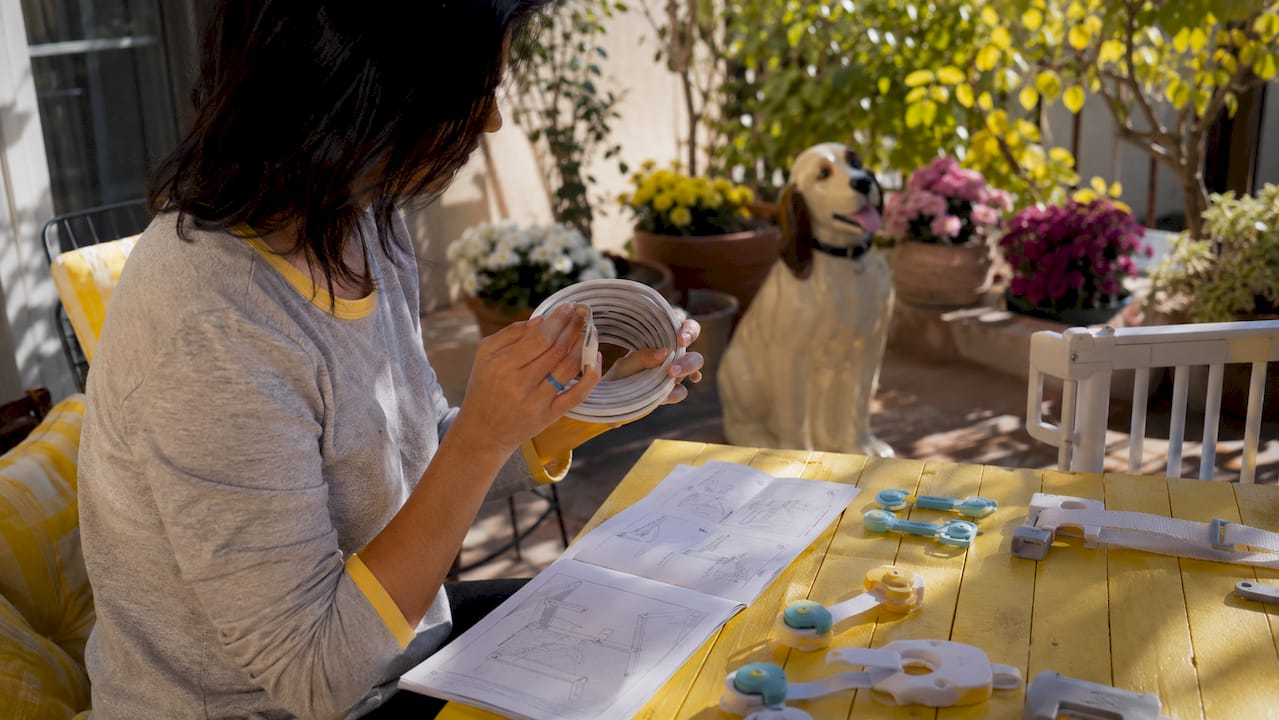
Dog-proofing your home starts with having the right gear before your dog ever explores a new space. The right products close off hazards faster than any amount of supervision alone.
Physical barriers and containment:
- Baby gates (pressure-mounted or wall-mounted) to block stairs, kitchens, and off-limit rooms
- Dog crates sized for your breed as a safe retreat and overnight management tool
- Cabinet locks and drawer latches to secure cleaning supplies and medications
- Locking trash can lids to prevent garbage access
- Chew-proof cord tubing (split loom or spiral wrap) to protect electrical cables
Comfort and engagement:
- Orthopedic or washable dog beds placed in low-traffic areas
- Durable chew toys like Kong rubber toys or Nylabone products to redirect chewing behavior
- Puzzle feeders to reduce boredom-driven destruction
Cleaning and emergency supplies:
- Enzyme-based cleaners like Nature’s Miracle or Rocco & Roxie to fully eliminate urine and feces odors. These cleaners break down organic matter at the molecular level, which prevents your dog from returning to the same spot.
- ASPCA and Pet Poison Helpline numbers saved in your phone
Pro Tip: Before your dog arrives, walk through every room with a basket and collect anything smaller than a golf ball. Small items like dental floss, hair ties, and razors can cause choking or internal damage even when approved chew toys are present.
| Product Category | Recommended Items | Primary Purpose |
|---|---|---|
| Barriers | Baby gates, crates | Block access to hazards |
| Cord protection | Chew-proof tubing | Prevent electrical injuries |
| Cabinet security | Cabinet locks, locking trash bins | Secure toxic substances |
| Cleaning | Enzyme-based cleaners | Eliminate odors, prevent re-soiling |
| Emergency contacts | ASPCA, Pet Poison Helpline | Rapid response to poisoning |
How to dog-proof your home room by room
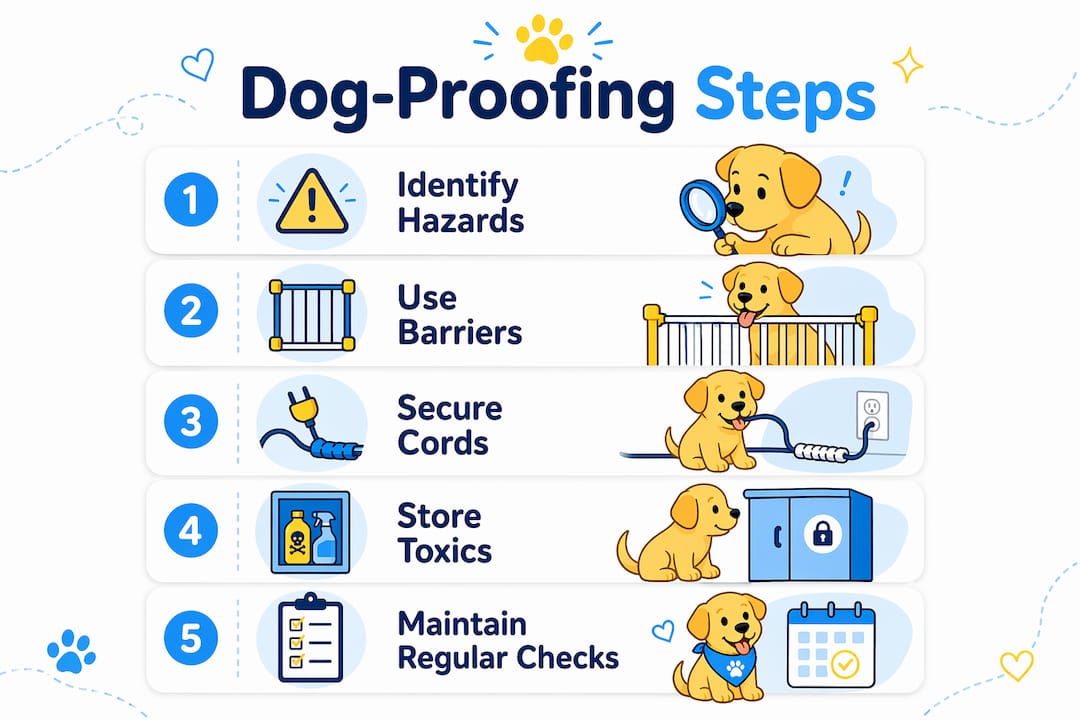
A room-by-room approach is the most reliable method for creating a secure pet environment. Each room presents different risks, and addressing them separately prevents gaps in your safety plan.
Kitchen and dining areas
The kitchen holds the highest concentration of hazards in any home. Start by installing cabinet locks on all lower cabinets that store cleaning products, trash bags, or food items. Secure your trash can with a locking lid, since garbage contains dangerous items dogs will actively seek out. Keep countertops clear of toxic foods like grapes, onions, chocolate, and anything sweetened with xylitol. A dog that can jump or counter-surf needs a baby gate across the kitchen entrance when you are cooking.
Living room and bedrooms
Electrical cords are the primary threat in living spaces. Secure all cords with chew-proof tubing and route them behind furniture where possible. Remove or elevate small decorative items, remote controls, and charging cables. In bedrooms, keep laundry off the floor and close closet doors. Dogs are attracted to worn clothing because of your scent, and swallowed fabric causes serious intestinal blockages.
Bathrooms
Close toilet lids at all times. Small dogs and puppies can fall in and struggle to get out. Store medications, vitamins, and supplements in a locked cabinet, not on a counter or in a bag on the floor. A single dropped pill can become a veterinary emergency within minutes. Keep razors, cotton swabs, and hair ties in closed drawers.
Outdoor spaces
Your yard needs the same level of attention as your interior. Check your fence line for gaps, loose boards, or areas where a dog could dig under. Remove or fence off toxic plants like azaleas, sago palms, and foxglove. If you have a pool, install a pool fence or a dog ramp so your dog can exit safely if they fall in. For more detail on keeping dogs contained outdoors, the Ipuppee guide on preventing dog escapes covers barrier strategies that work.
Pro Tip: Crouch at dog eye level in each room to spot hazards you would miss standing up. Dangling blind cords, forgotten coins under the couch, and exposed wire ends become obvious from that angle.
Using gates and crates effectively
Baby gates work best when placed consistently, not moved around. Pick permanent locations that match your household flow. Crates should be introduced positively with treats and meals inside so your dog sees them as a safe space, not a penalty. A crate-trained dog has a reliable retreat when guests arrive or when you cannot supervise directly.
| Area | Top Hazard | Fix |
|---|---|---|
| Kitchen | Toxic foods, trash | Cabinet locks, locking trash bin |
| Living room | Electrical cords | Chew-proof tubing, cord management |
| Bathroom | Medications, toilet | Locked cabinet, closed lid |
| Bedroom | Small items, fabric | Clear floors, closed closets |
| Yard | Escape routes, toxic plants | Fence inspection, plant removal |
What are the most dangerous hazards for dogs at home?
The most dangerous household hazards for dogs fall into four categories: toxic foods, toxic chemicals, electrical hazards, and physical temptations. Knowing the specific items in each category lets you neutralize them before an accident happens.
Toxic foods to remove from dog reach:
- Grapes and raisins (can cause kidney failure)
- Chocolate (theobromine toxicity)
- Onions and garlic (damage red blood cells)
- Xylitol, found in sugar-free gum, peanut butter, and baked goods (causes rapid blood sugar drop)
- Macadamia nuts and avocado
These common toxic foods are found in most kitchens. The risk is not just leaving food out. It is also in flavored medications, certain vitamins, and packaged snacks stored in low cabinets.
Chemical hazards:
Household cleaners containing ammonia, bleach, and phenols are hazardous to dogs. Pet-safe alternatives from brands like Seventh Generation or Method exist for most cleaning tasks. Store all original-formula cleaners in locked cabinets regardless of whether you switch brands.
Electrical and physical hazards:
Puppies and young dogs chew cords out of curiosity, not malice. Anchor heavy furniture like bookshelves and televisions to the wall to prevent tip-over injuries. Keep blind cords tied up and out of reach. Small non-food items including dental floss, rubber bands, and coins are swallowing risks that rarely show symptoms until a blockage is already forming.
Pro Tip: Do a monthly sweep of your home’s floor perimeter. Items migrate under furniture over time, and what was a clear floor in January may have a collection of hazards by March.
How do you maintain a dog-safe home long term?
Dog-proofing is not a one-time task. Adult dogs develop new habits, rescue dogs bring unknown behaviors, and seasonal changes introduce new risks. Maintaining a pet-friendly living space means building regular safety checks into your routine.
Ongoing safety practices:
- Inspect the home from dog eye level every 1–2 months to catch new hazards
- Reassess gate and crate placement when you rearrange furniture or renovate
- Check outdoor fencing after storms or heavy rain that may loosen boards
- Update your approach when a dog ages, since senior dogs may need ramps instead of stairs
Supervision is the most critical safety factor in any dog-safe home. No amount of physical barriers replaces watching your dog during high-risk periods like meals, playtime with children, or when guests bring unfamiliar bags and belongings inside. Prevention is consistently more effective than correction after an incident.
Crates serve as safe retreats, not punishment. A dog comfortable in a crate can be safely contained when you are away, reducing the risk of unsupervised access to hazards. Pair crate time with positive reinforcement so your dog enters willingly.
Pro Tip: When you bring home new furniture, appliances, or seasonal decorations, do a fresh hazard scan before letting your dog explore. New items introduce new risks, from packaging materials to unstable surfaces.
Seasonal changes deserve specific attention. Holiday decorations like tinsel, ornament hooks, and poinsettias are toxic or physically dangerous. Summer brings pool risks and lawn chemicals. Winter introduces antifreeze, which has a sweet taste dogs find attractive and is acutely toxic in small amounts. Treating safety as an ongoing process, not a setup checklist, keeps your dog protected as life changes.
Key takeaways
A dog-safe home requires removing specific hazards, installing physical barriers, and maintaining active supervision as the single most reliable protection for your pet.
| Point | Details |
|---|---|
| Start with the right tools | Use baby gates, cabinet locks, chew-proof tubing, and enzyme-based cleaners before your dog arrives. |
| Dog-proof room by room | Each space has distinct risks; address the kitchen, bathroom, living areas, and yard separately. |
| Know the toxic items | Grapes, xylitol, chocolate, bleach, and medications are the most common household threats to dogs. |
| Supervision beats barriers | Physical safeguards reduce risk, but direct supervision remains the most effective safety measure. |
| Treat it as ongoing | Reassess your setup every 1–2 months and after any change to your home or your dog’s behavior. |
The part most dog owners get wrong
Most people dog-proof once and consider it done. That is the mistake I see most often, and it is the one that leads to preventable emergencies.
When I first set up my home for a rescue dog, I spent a weekend locking cabinets and routing cords. I felt prepared. Three months later, she had figured out how to nudge open the cabinet under the sink, and I had not noticed because I stopped checking. The setup I built for week one was not the setup she needed at month three.
The other thing I see constantly is over-restriction that creates its own problems. Blocking every room, crating for too many hours, and removing all stimulation produces an anxious, frustrated dog. That dog is more likely to find creative ways around your barriers, not less. The goal, as the folks at NJ Dog Training put it well, is smart barriers that let dogs thrive, not a locked-down house.
My practical advice: pick three or four high-impact changes and do them well. Locking the trash, securing cords, and storing medications properly will prevent the majority of household emergencies. Then build from there. A dog-safe home is a living system. It changes as your dog changes, and the owners who stay curious about it are the ones whose dogs stay safe.
— Andrew
How Ipuppee supports safer homes for dogs
Creating a safe home for your dog is easier when you have the right resources behind you. Ipuppee specializes in products and guidance designed for dog owners who take their pet’s safety seriously, from service dog handlers to new puppy parents and seniors living with dogs.
The Ipuppee blog covers pet-friendly home tips that go beyond the basics, with practical advice on building spaces where dogs feel secure and owners feel confident. For those with service dogs or dogs that need specialized safety support, the Ipuppee service dog resources page offers tools and products built for real-world home and public safety needs. If you are ready to take your dog’s safety setup to the next level, Ipuppee is a strong place to start.
FAQ
What makes a home dog-safe?
A dog-safe home has hazards removed, physical barriers in place, and active supervision as a daily practice. The combination of locked cabinets, secured cords, and safe zones covers the majority of household risks.
Which foods are most dangerous for dogs at home?
Grapes, raisins, chocolate, onions, garlic, and anything containing xylitol are the highest-risk foods found in most kitchens. Keep all of these stored in locked or elevated cabinets out of your dog’s reach.
Do adult dogs need the same dog-proofing as puppies?
Yes. Adult and rescue dogs develop new behaviors and curiosity that create fresh risks, so dog-proofing your home applies at every life stage, not just the puppy phase.
How often should i inspect my home for dog hazards?
Inspect your home from dog eye level every 1–2 months and after any change to furniture, seasonal decorations, or your dog’s behavior patterns.
What should i do if my dog ingests something toxic?
Call the ASPCA Animal Poison Control Center at 888-426-4435 or the Pet Poison Helpline at 855-764-7661 immediately. Do not wait for symptoms to appear before calling.