

Over 70 percent of households own at least one pet, yet many overlook the crucial steps that keep both animals and people safe. Effective safety guidelines go beyond food and shelter, focusing on routines that protect everyone in the home. By understanding what true pet safety means, you can reduce risks, prevent injuries, and build a stronger bond between your pet and your family.
Key Takeaways
| Point | Details |
|---|---|
| Holistic Safety Approach | Effective pet ownership involves a comprehensive strategy that prioritizes physical safety, health protection, and behavioral management. |
| Environmental Protocols | Implement home and outdoor safety measures, such as securing toxins and using appropriate leashes, to ensure the safety of pets and their surroundings. |
| Legal Obligations | Pet owners must adhere to legal responsibilities including proper registration, vaccination, and management of their pet’s behavior to mitigate liability risks. |
| Service Dog Considerations | Special care and training are essential for service dogs to meet the unique needs of seniors and comply with legal protections. |
Table of Contents
- Defining Pet Owner Safety Guidelines
- Types Of Safety Measures For Pet Owners
- Essential Home And Outdoor Safety Protocols
- Special Considerations For Service Dogs And Seniors
- Legal Responsibilities And Liability Risks
Defining Pet Owner Safety Guidelines
Responsible pet ownership transcends basic care and enters the realm of comprehensive safety management. According to the Global Alliance of Pet Food Associations, pet safety encompasses a holistic approach that includes understanding long-term commitments, providing proper nutrition, ensuring preventive veterinary care, maintaining regular exercise, implementing consistent training, and guaranteeing pets behave safely around humans and other animals.
At its core, pet owner safety guidelines are strategic protocols designed to protect both the animal and the humans in their environment. These guidelines involve multiple critical components:
- Physical Safety: Preventing injuries through proper training, supervision, and environment management
- Health Protection: Maintaining regular veterinary checkups, vaccinations, and preventative care
- Behavioral Management: Understanding and addressing potential aggressive or anxious behaviors
- Communication: Establishing clear communication channels between pet and owner, potentially through safety training tools
The ultimate goal of these guidelines is creating a harmonious, secure relationship where both pet and owner can thrive with mutual understanding and respect. Safety isn’t just about preventing negative outcomes but proactively creating positive, supportive interactions that enhance the bond between humans and their animal companions.
Types Of Safety Measures For Pet Owners
Pet owner safety encompasses a diverse range of strategies designed to protect both animals and their human companions. From technological solutions to behavioral interventions, these measures create comprehensive protection systems that address multiple potential risks.
Key safety measures include:
-
Physical Containment: Using electronic boundary technologies like pet fences to prevent animals from wandering into dangerous areas. According to research, pet fences provide an invisible yet effective method of keeping pets within safe zones without physical barriers.
-
Health Monitoring: Regular veterinary checkups, tracking vaccinations, and maintaining preventative health records
-
Identification Systems: Microchipping, collar tags, and digital tracking devices to quickly locate pets if they get lost
-
Behavioral Training: Implementing consistent training protocols to reduce aggressive or unpredictable behaviors
Technological innovations have revolutionized pet safety, offering owners unprecedented methods of monitoring and protecting their animal companions. Digital tracking, smart collars, and communication devices now provide real-time insights into a pet’s location, health status, and potential risks. These tools transform traditional safety measures from reactive to proactively preventative approaches.
Essential Home And Outdoor Safety Protocols
Ensuring pet safety requires a comprehensive approach that addresses both home and outdoor environments. According to the Global Alliance of Pet Food Associations (GAPFA), responsible pet ownership hinges on preventive veterinary care, proper nutrition, and consistent behavior management to maintain safety in all settings.
Home Safety Protocols involve creating secure, pet-friendly spaces:
- Removing toxic plants and chemicals
- Securing electrical cords and small objects
- Creating designated safe zones
- Installing pet gates and barriers
- Maintaining comfortable temperature and humidity levels
Outdoor Safety demands equally strategic preparations. Dog walking guidelines emphasize the critical importance of using appropriate leashes and harnesses tailored to a dog’s age and breed. These recommendations aren’t just suggestions—they’re essential safety measures that protect both the animal and surrounding community.
Training plays a pivotal role in safety protocols. Dogs must learn basic commands, understand boundaries, and respond consistently to verbal and physical cues. This training transforms potential risks into manageable interactions, whether navigating busy streets, encountering other animals, or exploring new environments. The goal isn’t just control—it’s creating a harmonious relationship built on mutual understanding and respect.
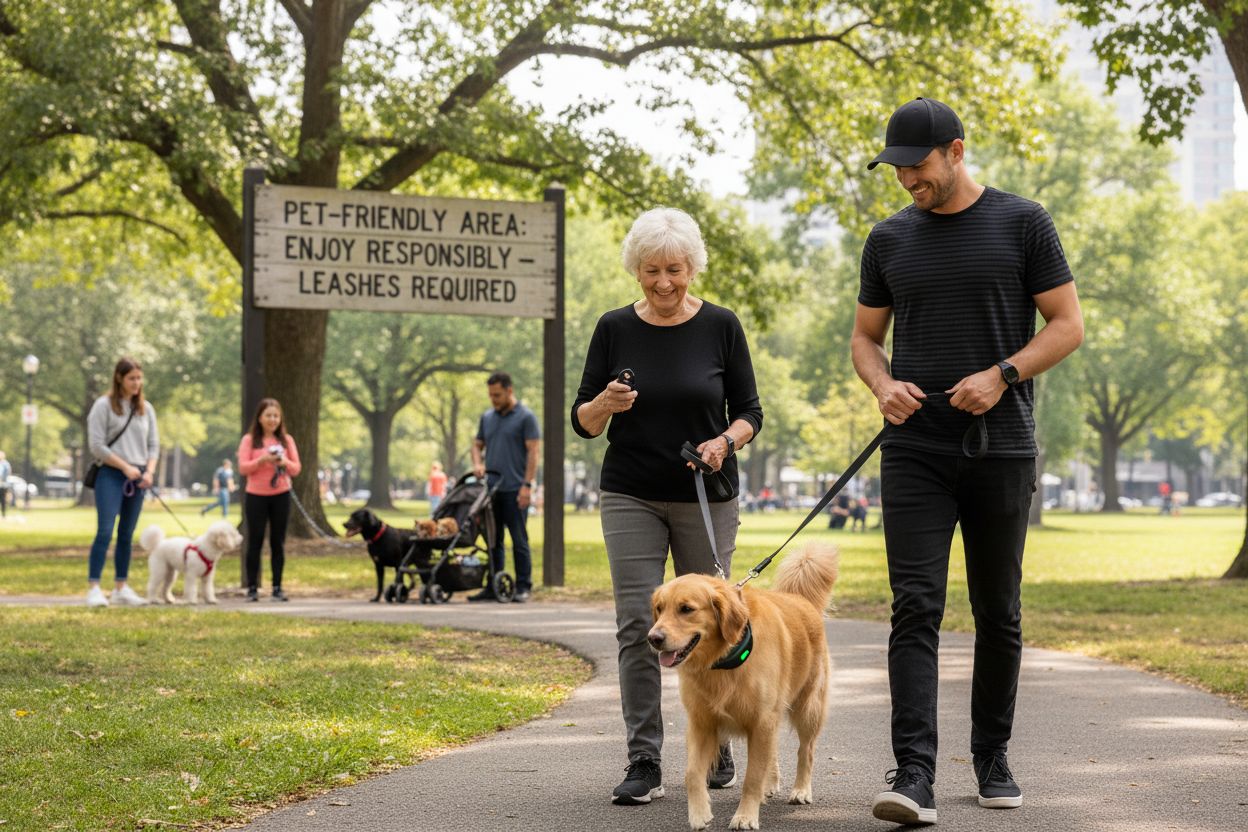
Here’s a summary of essential home and outdoor safety protocols for pet owners:

| Protocol Area | Key Measures | Main Goals |
|---|---|---|
| Home Safety | Remove toxins Secure cords Create safe zones Install gates |
Prevent injuries Avoid poisoning Provide comfort |
| Outdoor Safety | Use leashes Proper harness Follow walking guidelines |
Prevent escapes Ensure public safety Promote control |
| Training | Teach commands Establish boundaries Consistent cues |
Mitigate risks Foster trust Enhance obedience |
Special Considerations For Service Dogs And Seniors
Service dogs and senior pet owners represent a unique intersection of companionship, assistance, and legal responsibility that demands specialized safety considerations. Some countries, including France, Germany, and Switzerland, have legally recognized dogs as sentient beings—a critical perspective that elevates the understanding of service animals beyond mere property.
Key Considerations for Service Dogs and Senior Handlers:
- Enhanced medical and mobility support
- Specialized training for specific assistance needs
- Legal protection and public access rights
- Comprehensive health monitoring
- Adaptive equipment and communication tools
Understanding how service dogs assist seniors requires recognizing their multifaceted roles. These animals are not just companions but critical support systems that enable independence and safety. According to legal guidelines, service dog handlers have specific rights and responsibilities, including maintaining the dog’s health, behavior, and public conduct.
The relationship between seniors and service dogs transcends traditional pet ownership. It’s a symbiotic partnership where mutual care, respect, and communication are paramount. Proper training, regular health assessments, and understanding legal protections ensure these remarkable animals can continue providing essential support while maintaining their own well-being and quality of life.
Legal Responsibilities And Liability Risks
Pet ownership extends beyond emotional companionship into a complex landscape of legal obligations and potential liabilities. Understanding these responsibilities is crucial for protecting both the animal and the owner from potential legal complications.
Key Legal Responsibilities for pet owners include:
- Ensuring proper animal registration and vaccination
- Maintaining control and preventing potential harm to others
- Providing adequate nutrition and medical care
- Using appropriate restraints during public interactions
- Addressing potential aggressive behaviors
According to international legal frameworks, pet owners can face significant consequences for negligence. Comprehensive legal guidelines for pet ownership highlight that different jurisdictions impose varying levels of strict liability. For instance, some legal systems treat pet-related incidents as direct owner responsibilities, meaning financial and potential criminal repercussions could arise from an animal’s actions.
Navigating these legal landscapes requires proactive management. This involves not just understanding local regulations, but implementing robust safety protocols, maintaining proper insurance, and consistently training and monitoring your pet’s behavior. The goal is creating a safe environment that minimizes risks for both the animal and surrounding community, ultimately protecting yourself from potential legal challenges.
Transform Your Pet’s Safety and Communication At Home
Keeping your pet safe goes far beyond the basics. As highlighted in our complete guide, responsible pet ownership means combining physical safety, reliable health monitoring, and strong communication. Many pet owners struggle with real concerns like managing their dog’s behavior, ensuring their pet’s safety when alone, or communicating urgent needs especially for seniors or individuals with disabilities. These challenges can be stressful and worrying every single day.
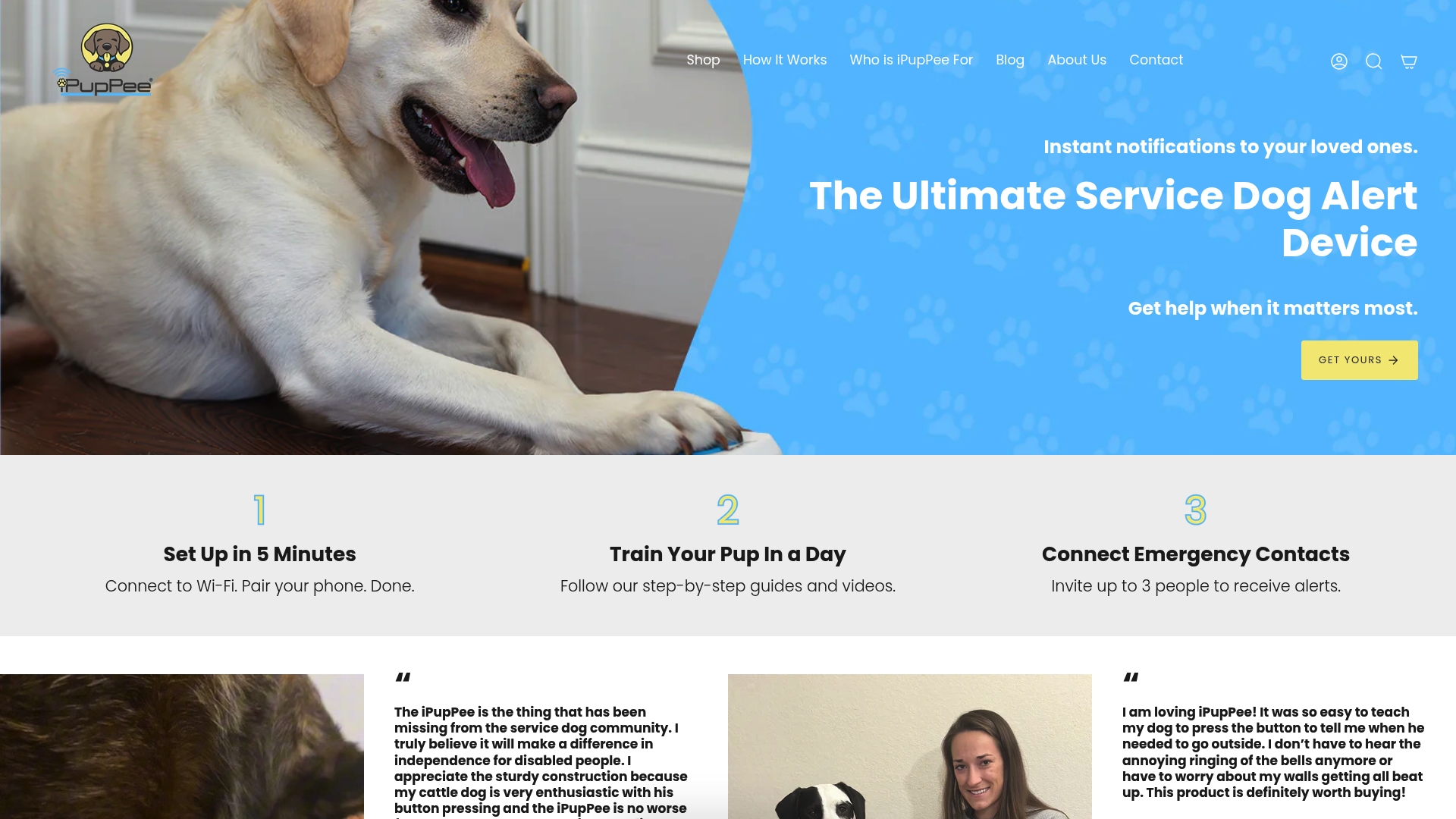
With the innovative iPupPee device, you can bridge the gap between your dog and your daily safety needs. Our easy-to-use communication button empowers your dog to alert you in real time, giving you peace of mind if you live alone, rely on a service dog, or want to act fast in any emergency. The iPupPee system directly supports the goals shared in our guide such as proactive safety routines, improved behavior training, and creating true independence for both you and your pet. See how our solutions for service dog owners and seniors have already transformed lives. If you’re ready to take your safety and your dog’s communication to the next level, visit iPupPee.com now and discover resources, tips, and real testimonials that prove it works. Take action while safety is top of mind—give your dog a stronger voice and build a safer, happier bond today.
Frequently Asked Questions
What are the key components of pet owner safety guidelines?
Pet owner safety guidelines include physical safety measures, health protection through regular veterinary care, behavioral management to address issues, and effective communication between pet and owner.
How can I create a safe home environment for my pet?
To create a safe home environment, you should remove toxic plants and chemicals, secure electrical cords, create designated safe zones, install pet gates, and maintain comfortable living conditions for your pet.
What outdoor safety measures should I take for my dog?
Outdoor safety measures include using appropriate leashes and harnesses, following safe walking guidelines, and ensuring your dog is trained to respond to commands to prevent escapes or encounters with other animals.
What legal responsibilities do pet owners have regarding their pets?
Pet owners are legally responsible for proper animal registration, vaccination, maintaining control to prevent harm, providing adequate care, and addressing aggressive behaviors to avoid legal complications.
Recommended
- Top Safety Tips for Dog Owners: Essential Guidance for 2025 – iPupPee
- How to Improve Dog Safety at Home and Outdoors 2025 – iPupPee
- Urban Dog Safety Tips 2025: Protect Your Pet in the City – iPupPee
- The Importance of Dog Safety: What Every Owner Should Know in 2025 – iPupPee
- Ready in 5 Steps - QuigPro, Inc.
- Understanding Home Safety Check: Ensuring Your New Home Is Safe | Chicago Home Inspect LLC