

Staying safe, independent, and healthy at home can become much harder as you get older. Everyday tasks that once seemed easy now pose new challenges, especially if you’re living with mobility issues, hearing or vision changes, or medical conditions. It’s easy to feel overwhelmed or uncertain about which solutions actually make a difference in your life.
Service dogs offer more than companionship. They’re specially trained to help seniors maintain their independence, assist with daily routines, and provide vital alerts during emergencies. By combining targeted dog skills with effective devices and routines, you can unlock a new level of security and control at home.
Get ready to discover practical insights that show you how service dogs, smart accessories, and tailored training can support your wellbeing. Every tip ahead is designed to help you understand, choose, and fully benefit from a service dog partnership—so you can face each day with greater confidence.
Table of Contents
- 1. Understanding How Service Dogs Support Seniors
- 2. Key Features to Look for in Service Dog Devices
- 3. Training Service Dogs for Emergency Alerts
- 4. Using Communication Devices Like the iPupPee
- 5. Creating a Safe Home Environment for Service Dogs
- 6. Maintaining Independence With Service Dog Assistance
- 7. Building a Daily Routine for Senior and Dog Wellbeing
Quick Summary
| Takeaway | Explanation |
|---|---|
| 1. Service dogs perform specific tasks for seniors | They assist with mobility, alertness, and medical needs, tailored to a senior’s unique challenges. |
| 2. Reliability is crucial in service dog equipment | Devices must function consistently to ensure safety; poor equipment can lead to accidents. |
| 3. Create a safe home environment for the service dog | Remove hazards and provide adequate space for your dog to perform its tasks effectively. |
| 4. Daily routines enhance wellbeing for seniors and dogs | Structured schedules improve predictability and reduce anxiety, fostering better communication and trust. |
| 5. Emergency alert training saves lives | Teaching dogs to recognize and respond to medical emergencies provides seniors with an invaluable safety net. |
1. Understanding How Service Dogs Support Seniors
Service dogs are specially trained animals that perform specific tasks designed to help seniors maintain their independence and navigate daily life with confidence. Unlike regular pets, these dogs undergo rigorous training to respond to their handler’s unique needs, whether that involves mobility assistance, fall prevention, or medical alert capabilities.
The relationship between a senior and a service dog goes far deeper than companionship alone. Service dogs assist seniors by performing tailored tasks that directly address individual disabilities and challenges. A service dog might guide someone with vision impairment through crowded environments, alert a hearing impaired individual to important sounds like doorbells or smoke alarms, or provide physical support to someone struggling with balance and mobility. These aren’t one-size-fits-all capabilities. Each dog learns a custom set of behaviors based on what their handler actually needs to accomplish each day.
For seniors living alone or managing multiple health conditions, the psychological benefits matter just as much as the physical tasks. Having a trained service dog nearby reduces anxiety about falling, provides motivation to stay active, and creates a sense of security that allows many older adults to remain in their own homes longer. The dog becomes both a practical tool and an emotional anchor, improving overall quality of life in ways that extend far beyond the specific tasks it performs.
The training process takes significant time and investment. Most service dogs require 18 to 24 months of specialized training before they’re ready to work with their handler. During this period, trainers teach the dog to ignore distractions, respond reliably to commands in any environment, and understand the specific medical or mobility alerts relevant to their future handler. This extensive preparation ensures that when a senior relies on their service dog, that reliance is backed by consistent, dependable training.
What makes service dogs different from emotional support animals or therapy dogs is the task-based work they perform. A service dog doesn’t just make someone feel better. It actively prevents accidents, alerts to medical emergencies, retrieves items, opens doors, or steadies someone during movement. These are concrete actions that directly improve safety and independence. This distinction matters because it’s what makes service dogs eligible for legal protections and public access rights that other animals don’t have.
Pro tip: When evaluating whether a service dog might help you or a senior in your care, focus on specific daily challenges rather than general loneliness, since service dogs are trained for particular tasks and disabilities, not for emotional support alone.
2. Key Features to Look for in Service Dog Devices
Service dog devices and accessories aren’t just nice additions to have. They’re critical tools that extend your dog’s ability to perform tasks and keep you safe in different environments. Knowing what features matter most helps you invest in equipment that actually works for your specific situation.
The foundation of any good service dog device is reliability. Your service dog’s equipment needs to perform the same way every single time you use it, whether you’re at home, in a grocery store, or navigating a crowded public space. A harness that works 95 percent of the time is not good enough when you’re depending on your dog to steady you during movement or alert you to a medical change. Equipment failure in a critical moment can mean the difference between safety and a serious accident. This is why you should only choose devices from manufacturers who test their products rigorously and stand behind them with solid warranties.
Ease of use ranks right up there with reliability. If a device is complicated to put on, adjust, or operate, you’re less likely to use it consistently, and your service dog may become confused about when the device signals they should perform their task. Look for equipment with intuitive designs that don’t require a manual every time you want to use it. Straps should be simple to fasten, buttons should be positioned where you can reach them naturally, and any display or indicator should be immediately readable at a glance. For seniors especially, this matters enormously. Fumbling with complicated equipment when you need help quickly defeats the purpose entirely.
Durability is another non-negotiable feature. Your service dog works hard every day, and their equipment takes that same beating. Quality materials that resist wear and tear will save you money in the long run and ensure your dog’s gear stays functional when you need it most. Look for reinforced stitching, weather resistant materials, and components designed specifically for the rigors of daily service work. A harness that frays after three months of use is a poor investment, no matter the initial price.
The ability to facilitate clear communication between you and your dog is crucial. Some devices provide visual or auditory feedback to your dog, helping them understand exactly when to perform a task. Others include dog alert device usage features that allow you to signal your dog in situations where verbal commands might not work. This two-way communication creates a stronger bond and more reliable task performance.
Under legal frameworks like the Americans with Disabilities Act, service dog equipment must also support your rights and your dog’s function in public spaces. This means devices should be recognizable as legitimate service equipment rather than decorative accessories, and they should enhance your dog’s ability to perform their trained tasks without putting either of you at risk. The right equipment actually expands where you can safely go and what activities you can participate in.
When you’re evaluating specific devices, consider how they integrate with your daily routine. A communication button works differently than a medical alert sensor, and both serve different purposes. Some seniors benefit most from devices that provide safety alerts to family members. Others prioritize equipment that helps their dog signal them about environmental changes. Your choice should reflect your actual needs, not just what sounds impressive in marketing materials.
Pro tip: Test any device with your service dog in a controlled environment before relying on it in critical situations, and practice using it until both you and your dog respond automatically and correctly.
3. Training Service Dogs for Emergency Alerts
Emergency alert training transforms a service dog from a helpful companion into a literal lifesaver. This specialized training teaches your dog to recognize specific changes in your body or behavior that signal a medical crisis, then respond with predetermined actions that can prevent serious harm or get help quickly.
The foundation of emergency alert training starts with the dog learning to detect patterns. Some dogs train to recognize the early signs of a seizure by noticing subtle changes in their handler’s movement, scent, or electrical activity in the body. Others learn to alert when blood pressure drops dangerously, when blood glucose levels change critically, or when a panic attack begins. The remarkable part is that dogs can often sense these changes before their handlers feel them, giving precious minutes of warning time.
Once your dog recognizes the emergency pattern, it needs to know exactly what to do about it. The alert response might be something simple but unmistakable, like jumping on you repeatedly or pawing at your leg. Other dogs are trained to move to a specific location in your home, lie across your body protectively, or press a communication button that calls for help. Training service dogs for emergency alerts requires consistency so that the dog performs the same response every single time a critical situation occurs, no exceptions and no variation.
For seniors living alone, this training becomes a personal safety net. Imagine you experience a fall risk during a moment of dizziness or weakness. Your trained service dog can alert you early, giving you time to sit down safely before you actually fall. Or imagine a sudden change in your blood pressure or heart rhythm. Your dog alerts you and activates an emergency communication device, connecting you with help immediately. These aren’t theoretical scenarios. They’re daily realities for service dog handlers who’ve had their lives transformed by properly trained emergency responses.
The training process demands exceptional skill from the trainers involved. They must spend hundreds of hours with the dog learning your specific medical condition, understanding the patterns that precede your emergencies, and teaching the dog to respond reliably. This is why service dogs trained for medical alert work typically require 18 to 24 months of specialized training before they’re ready to work with you. The investment of time directly translates into reliability when it matters most.
It’s important to understand that emergency alert training isn’t something you can DIY with an online course. Your dog needs trainers who understand both canine behavior and the specific medical condition they’re training for. A dog trained to alert for seizures won’t automatically know how to alert for diabetes. The training is highly customized to your unique needs and your dog’s individual capabilities.
One powerful aspect of this training is that it gives seniors the confidence to stay independent. When you know your dog is trained to alert you before a crisis hits, you’re not constantly anxious about what might happen. You can leave your house, engage in activities, and live your life knowing you have an early warning system and an automatic call for help if needed.
Pro tip: Work with trainers who specialize in your specific medical condition rather than choosing a trainer who offers generic service dog training, since condition-specific expertise is what makes the difference between a dog that alerts reliably and one that misses critical signs.
4. Using Communication Devices Like the iPupPee
Communication devices have revolutionized how service dogs and their handlers interact, creating a direct channel for dogs to send alerts and messages without relying solely on barking or physical contact. The iPupPee represents this new generation of technology, giving your service dog a way to communicate that’s clear, recordable, and impossible to miss.
Traditional service dog alerts work through physical behaviors. Your dog might nudge you, paw at your leg, or bark in a specific pattern. These methods work, but they rely on you being alert and in the right mindset to interpret the signal. What happens if you’re distracted, sleeping, or your hearing isn’t perfect? A communication device bridges this gap by creating an unmistakable electronic signal that reaches you no matter what you’re doing. Some devices even send alerts to family members or caregivers, extending your safety network beyond just your dog.
The iPupPee works by allowing your dog to press a button when they need to communicate something important. The button is designed to be easy for a dog to activate with their paw or nose, and the press triggers a wireless signal to your phone or a nearby receiver. You can customize what each button press means, whether it’s a medical alert, a safety concern, or a need for immediate assistance. The beauty of this system is that it creates a standardized communication method that doesn’t require you to interpret canine body language in stressful moments.
For seniors living alone, this technology transforms independence and safety. Imagine your service dog detects an irregular heartbeat or blood pressure change. Instead of waiting to see if you notice symptoms, your dog simply presses the button. You receive an alert on your phone or wearable device. You can then take immediate action, contact your doctor, or alert emergency services if needed. The entire process takes seconds and removes the guesswork from emergency response.
How dogs alert owners using communication devices depends on proper setup and training. Your dog needs to learn that pressing the button produces a specific outcome that matters to them. Early training involves reward associations so your dog understands that the button press is worthwhile. As the training progresses, your dog learns to press the button specifically when they detect the alert condition they’ve been trained to recognize.
The wireless or Bluetooth technology in devices like the iPupPee means you don’t need to be in the same room as your dog to receive alerts. You could be in another part of your home, in the shower, or even outside and still get an immediate notification. This creates peace of mind in situations where visibility between you and your dog might be compromised.
One practical advantage seniors often overlook is that button presses create a record. Unlike a bark that happens and is gone, each button press can be logged with a timestamp. This data becomes valuable for your healthcare team. You can show your doctor exactly when your dog detected certain conditions throughout the week, helping them understand patterns in your health. This objective information supports better medical decision making and more personalized treatment.
The devices are also designed with reliability in mind. A communication button isn’t something you can afford to have fail. Quality devices use durable materials, waterproof construction, and long battery life to ensure they work every single time your dog needs to activate them. Many include backup power options so a dead battery doesn’t leave you without your dog’s ability to alert.
Pro tip: Start training your dog on the communication device in low-stress situations with frequent rewards before expecting them to use it during actual alert conditions, so they understand the button press is their reliable way to get your immediate attention.
5. Creating a Safe Home Environment for Service Dogs
Your home is where your service dog spends the majority of its time, and creating a safe environment there directly impacts both your dog’s ability to perform and your overall safety together. A well-designed space removes obstacles, minimizes hazards, and gives your dog the room it needs to work effectively.
The foundation of a safe home for a service dog starts with adequate space. Your dog needs clear pathways to move through your home without tripping over furniture, cords, or clutter. If your dog is trained to guide you or provide mobility support, cramped hallways or blocked doorways create dangerous situations where your dog cannot perform its trained tasks. More importantly, restricted movement can make your dog anxious or stressed, which diminishes its ability to focus on alerts or respond to your needs.
Eliminate hazards that could injure your dog or prevent it from working effectively. Loose electrical cords pose electrocution risks and can tangle around your dog’s legs during movement. Toxic substances like cleaning chemicals, medications, or certain foods should be stored securely where your dog cannot accidentally access them. Sharp objects, broken glass, or unstable furniture that could fall should be removed or secured. Your dog cannot help you if it’s injured or poisoned.
Consider your dog’s rest area carefully. Your service dog needs a quiet, comfortable space where it can decompress and recover from its working hours. This area should be away from high foot traffic, loud noises, and distractions. Many handlers create a designated spot with a comfortable bed or crate where their dog knows it’s time to relax. This resting space actually improves your dog’s performance during working hours because it gets proper recovery time.
Access to necessities matters more than many people realize. Your dog needs regular access to water throughout the day and designated potty breaks at appropriate intervals. If you’re in a multi-story home and your service dog works primarily on one level, ensure it can access water without struggling to navigate stairs. Your dog cannot alert you to medical changes or perform other critical tasks if it’s desperately thirsty or needs to eliminate.
Safety tips for dog owners should include measures specific to service dogs. Unlike regular pets that can wait out an emergency, your service dog must remain in working condition. This means your home environment should prevent situations where your dog could be injured, stressed, or unable to reach you quickly.
Think about temperature control. Service dogs cannot regulate their body temperature the way humans can. Your home should be kept at a comfortable temperature year round. Dogs left in cars or overly warm rooms can develop heat stress, which impairs their ability to work and creates serious health risks. Similarly, extremely cold environments without adequate shelter are dangerous.
Lighting matters more than many seniors realize, especially those with vision impairments. Adequate lighting throughout your home helps your dog navigate safely and helps you see your dog’s alert signals clearly. Dark hallways or poorly lit rooms increase the risk of falls for both you and your dog.
If you have stairs, ensure they’re safe for both of you. Dogs can slip on smooth surfaces, especially older dogs or those with joint issues. Non slip treads on stairs prevent accidents. If your dog is a larger breed providing mobility support, consider whether stairs are feasible or if modifications like ramps might be needed.
Remove stressors that could affect your dog’s mental health and working ability. Excessive noise, frequent visitors, or chaotic environments create stress that diminishes your dog’s focus and reliability. A calm home environment supports your dog’s ability to stay alert and responsive to your needs.
Pro tip: Walk through your home from your service dog’s perspective by getting down to dog level to identify hazards, obstacles, and access problems you might miss from standing height, then address each one before expecting your dog to perform optimally.
6. Maintaining Independence With Service Dog Assistance
Independence is one of the most valuable things you can preserve as you age, and a service dog becomes the tool that makes that independence possible. Rather than becoming more dependent on family members or care facilities, many seniors with service dogs continue living in their own homes, managing their own schedules, and participating in activities that matter to them.
The shift from dependence to independence happens gradually as your service dog takes on tasks you can no longer perform alone. If you have mobility challenges, your dog steadies you during movement, preventing falls that might otherwise land you in a hospital or care facility. If you have hearing loss, your dog alerts you to important sounds you would otherwise miss. If you have diabetes, your dog detects blood sugar changes before you feel symptoms. These aren’t small conveniences. They’re the difference between maintaining your current lifestyle and losing the ability to live independently.
What makes service dogs unique in this equation is that they work 24 hours a day, seven days a week. A human caregiver needs breaks, days off, and sleep. Your service dog is always present, always monitoring, always ready to help. This reliability allows you to take calculated risks and maintain activities that bring you joy without requiring constant supervision. You can grocery shop, visit friends, or go to medical appointments knowing your dog is actively supporting your safety.
The psychological impact of maintaining independence cannot be overstated. Many seniors who lose independence also lose motivation, purpose, and confidence. When a service dog restores your ability to do things for yourself, it restores more than just function. It restores dignity and self worth. You’re not just being helped by your dog. You’re being enabled by your dog to continue being yourself.
From a practical standpoint, assistance animals provide critical support that promotes independence by performing tasks you cannot do alone, whether that’s retrieving medications, providing physical balance, or alerting to medical changes. This task based assistance removes barriers to participation in your community and home life.
Public access rights matter significantly to maintaining independence. Under the Americans with Disabilities Act, your service dog has the legal right to accompany you in public spaces where pets would normally be prohibited. This means you can take your dog to grocery stores, restaurants, banks, doctor’s offices, and public transportation. You don’t have to choose between bringing your dog with you or leaving it at home. This access expands where you can go and what activities you can participate in.
Maintaining independence also means avoiding unnecessary transitions to care facilities. Many seniors end up in assisted living or nursing homes not because they physically cannot survive at home, but because they don’t have the support systems to manage specific tasks. A service dog can be the difference that allows you to stay in your own home, in your own community, surrounded by familiar people and places.
The financial aspect deserves mention too. While service dogs require investment in training and care, that cost is often far less than assisted living facilities, home health aides, or the medical expenses that result from falls or undetected medical emergencies. Independence is not just about quality of life. It’s often about long term financial sustainability.
Your service dog also creates a sense of control in situations where many seniors feel powerless. Instead of waiting for symptoms to appear or for someone to notice you need help, you have a partner who actively works to keep you safe. This proactive approach to your own wellbeing builds confidence and motivation.
Pro tip: Regularly practice the specific tasks your service dog has been trained for in different environments and situations, so your dog maintains confidence and you maintain trust in your dog’s ability to support your independence in real world scenarios.
7. Building a Daily Routine for Senior and Dog Wellbeing
A structured daily routine might sound rigid, but it’s actually one of the most liberating things you can create for yourself and your service dog. Predictability reduces anxiety, improves communication, and gives both of you a sense of control and purpose throughout each day.
Your service dog thrives on routine. Dogs are creatures of habit, and when they know what to expect at specific times, they can perform their tasks more reliably. A dog that knows breakfast happens at 7 a.m., followed by a potty break and walk, then training time, then rest, then lunch, operates with calm confidence. That predictability translates into better alertness and faster response times when you actually need your dog’s help. Conversely, chaotic, unpredictable days stress your dog out and diminish its working ability.
For you as a senior, routine provides structure that combats the uncertainty that often comes with aging and disability. When you have a clear plan for your day, you reduce decision fatigue and maintain a sense of control over your life. You know when to take medications, when to eat, when to exercise, and when to rest. This structure actually improves your mental health and reduces anxiety about managing your daily life.
A good routine balances necessary tasks with enjoyable activities. Morning might include your dog’s feeding, medication administration, grooming, and a potty break. Midday could feature exercise, whether that’s a walk, gentle movement, or play time that stimulates your dog mentally while getting you moving. Afternoon might include training exercises that keep your dog’s skills sharp and provide mental engagement for both of you. Evening could feature quiet time together, perhaps with your communication device practice or simply relaxation.
Physical activity should anchor your routine. Your service dog needs regular exercise to maintain physical health and mental sharpness. You need movement to maintain mobility, cardiovascular health, and mental wellbeing. These aren’t separate needs. A daily walk where you move together and your dog gets exercise simultaneously addresses both of your health requirements. Even gentle movement is better than sedentary days.
Mental stimulation keeps both of you engaged. Training sessions aren’t just about maintaining your dog’s skills. They’re interactive activities that challenge your dog’s mind and deepen your bond. Puzzle toys, scent games, or learning new tasks provide enrichment that prevents boredom and behavioral problems. For you, engaging with training provides purpose and mental activity that supports cognitive health.
Grooming and self care deserve a dedicated place in your routine. Regular grooming sessions keep your dog’s coat healthy, allow you to check for skin issues or injuries, and provide nurturing touch that strengthens your bond. These aren’t luxuries. They’re health maintenance activities that prevent problems and provide quality time together.
Meal times should be consistent. Feeding your dog at the same times each day supports digestive health and helps regulate bathroom schedules, making it easier to plan potty breaks. Your own meal times should also be consistent, supporting healthy eating patterns and medication timing if needed.
A daily routine provides significant mental health benefits for seniors while promoting wellbeing for service dogs through consistent schedules that decrease stress and increase a sense of security. This shared rhythm between you and your dog creates stability that extends to every aspect of your partnership.
Rest and recovery are not idle time. These are critical parts of your routine where both you and your dog recharge. Your dog cannot stay alert and responsive if it’s exhausted. You cannot maintain health and safety if you’re depleted. Build dedicated rest periods into your day where your dog has a quiet space to recover and you have time to relax.
Consistency matters more than perfection. You don’t need an elaborate schedule. You need patterns that repeat reliably so both you and your dog know what to expect. If potty breaks happen at 7 a.m., noon, and 6 p.m., your dog learns to anticipate those times. If training happens every afternoon at 2 p.m., your dog prepares mentally for that engagement.
Seasonality and life changes will require routine adjustments. Winter walks might be shorter than summer walks. Seasonal weather changes your exercise patterns. Health flare-ups might mean simplified routines for a time. A flexible routine that can adapt to circumstances is more sustainable than a rigid schedule you cannot maintain.
Pro tip: Write down your routine and post it where you can see it, then follow it consistently for at least two weeks so both you and your dog develop automatic expectations about what comes next, making the routine second nature rather than something requiring constant effort.
Below is a comprehensive table summarizing the essential contents and insights provided in the article regarding the benefits, training, and daily integration of service dogs for seniors.
| Aspect | Description | Key Takeaways |
|---|---|---|
| Definition of Service Dogs | Specially trained dogs that assist seniors with specific tasks. | Tasks include mobility assistance, fall prevention, and medical alerts. |
| Role of Service Dogs | Extend beyond companionship by performing vital functions. | Provide psychological safety and improved quality of life. |
| Training Process | Training spans 18–24 months with tailored task development. | Ensures reliability and safety in task-performance. |
| Differences from Emotional Support Animals | Service dogs are task-oriented, while emotional support animals provide comfort. | Receive legal protections due to their task-based assistance. |
| Selecting Equipment | Reliability, ease of use, and durability are critical. | Supports the dog’s task performance and enhances safety. |
| Home Environment Safety | Remove hazards and provide designated spaces for dogs. | Ensure optimum working conditions and dog health. |
| Emergency Training | Dogs learn to detect specific medical conditions or patterns. | Proactive alerts prevent crises and promote independence. |
| Role in Independence | Enables seniors to maintain autonomy and engage in daily activities. | Reduces dependence on external caregivers and enhances esteem. |
| Routine Development | Organizing daily schedules benefits both dog and handler. | Encourages consistency, physical activity, and rest. |
The table above summarizes the value and considerations related to service dogs as highlighted in the article, fostering a deeper understanding of their impact on seniors’ lives.
Enhance Safety and Independence With Trusted Service Dog Solutions
Seniors and their service dogs face unique daily challenges that require reliable communication and emergency alert tools. The article highlighted critical needs such as consistent emergency alert training, durable and easy-to-use devices, and creating a safe home environment to maintain independence without compromise. If you or a loved one depend on a service dog to provide medical alerts or mobility support, having a device that bridges communication gaps can transform your safety and peace of mind.
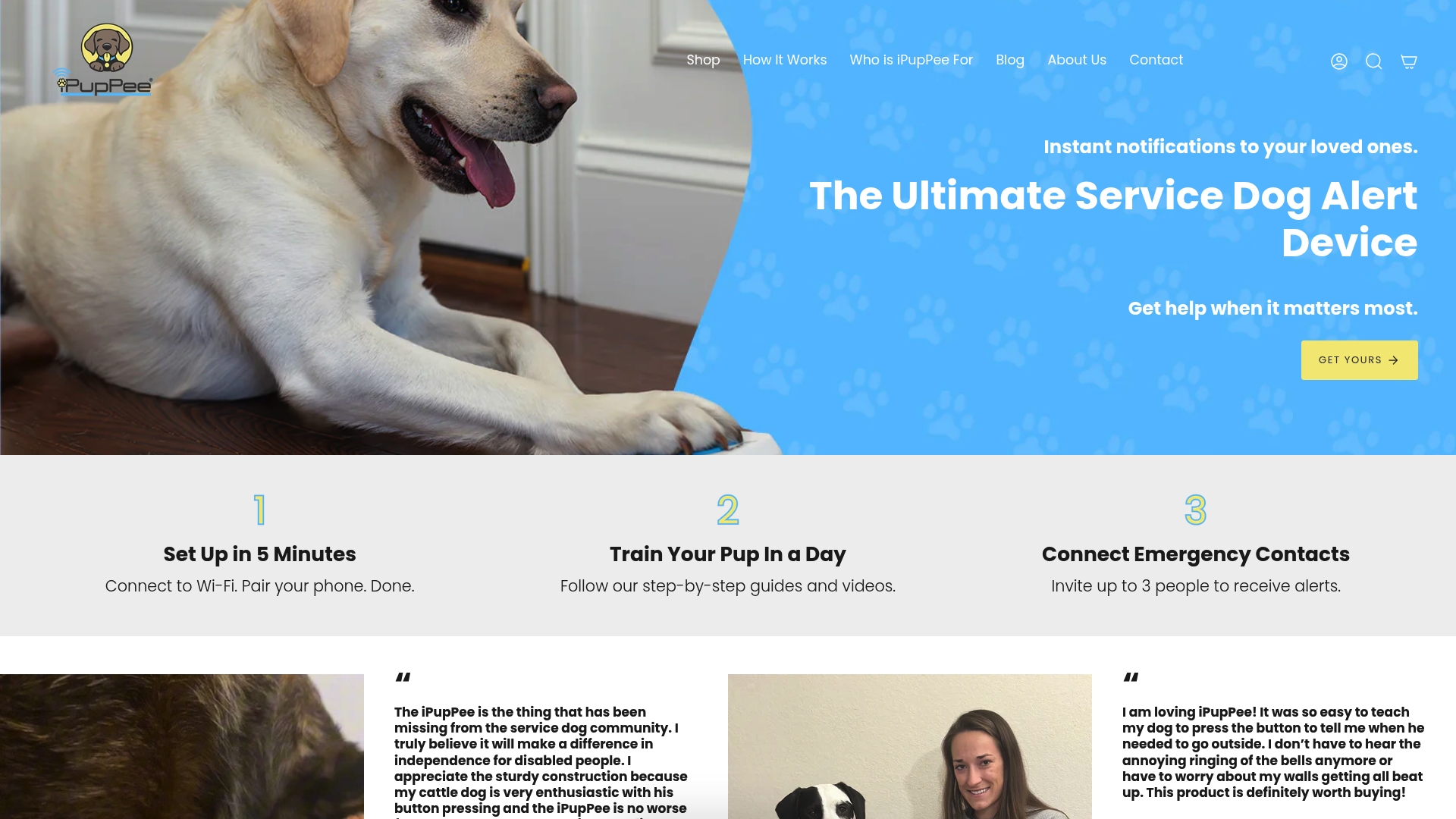
Discover how the innovative iPupPee communication device empowers service dogs to send clear, immediate alerts through a simple button press. Designed for seniors managing health conditions and mobility challenges, its user-friendly features offer dependable assistance exactly when you need it. Start building a safer home and stronger bond with your service dog by exploring comprehensive training guidance and device options at ipuppee.com. Take the next step to secure your independence and wellbeing today by visiting our service dog training resources and learning more about how dogs alert owners using devices. Your partnership with your service dog deserves the most effective tools available. Act now to make every day safer and more confident.
Frequently Asked Questions
What are the key safety tips for elderly individuals with service dogs?
To ensure safety for both elderly individuals and their service dogs, focus on creating a safe environment, minimizing hazards, and maintaining clear communication. Regularly eliminate obstacles and hazards in your home, and establish routines that benefit both the handler and the dog.
How can I determine if my home is safe for my service dog?
Evaluate your home by looking for potential hazards such as clutter, loose cords, or toxic substances. Ensure pathways are clear and create a designated quiet area for your dog to rest, helping to maintain their focus and performance.
What regular maintenance should I perform for my service dog’s equipment?
Inspect your service dog’s harness, leashes, and any communication devices weekly to ensure they remain functional and in good condition. Replace any worn or damaged equipment immediately to maintain safety and reliability in critical situations.
How can I improve communication between myself and my service dog?
Utilize training sessions to reinforce commands and signals that help your service dog understand your needs. Incorporating devices that provide visual or auditory feedback can strengthen communication, allowing your dog to perform tasks reliably when you need them most.
What should I consider regarding my service dog’s exercise needs?
Plan regular exercise that fits both your and your dog’s abilities, such as daily walks or gentle movement exercises. Aim for at least 30 minutes of activity each day to maintain your dog’s health and enhance its ability to assist you effectively.
How can I create a daily routine that supports safety for both me and my service dog?
Develop a predictable daily routine that includes feeding, bathroom breaks, exercise, and training. Regularly follow this routine to reduce anxiety for both you and your dog, promoting better focus and responsiveness during critical moments.