

TL;DR:
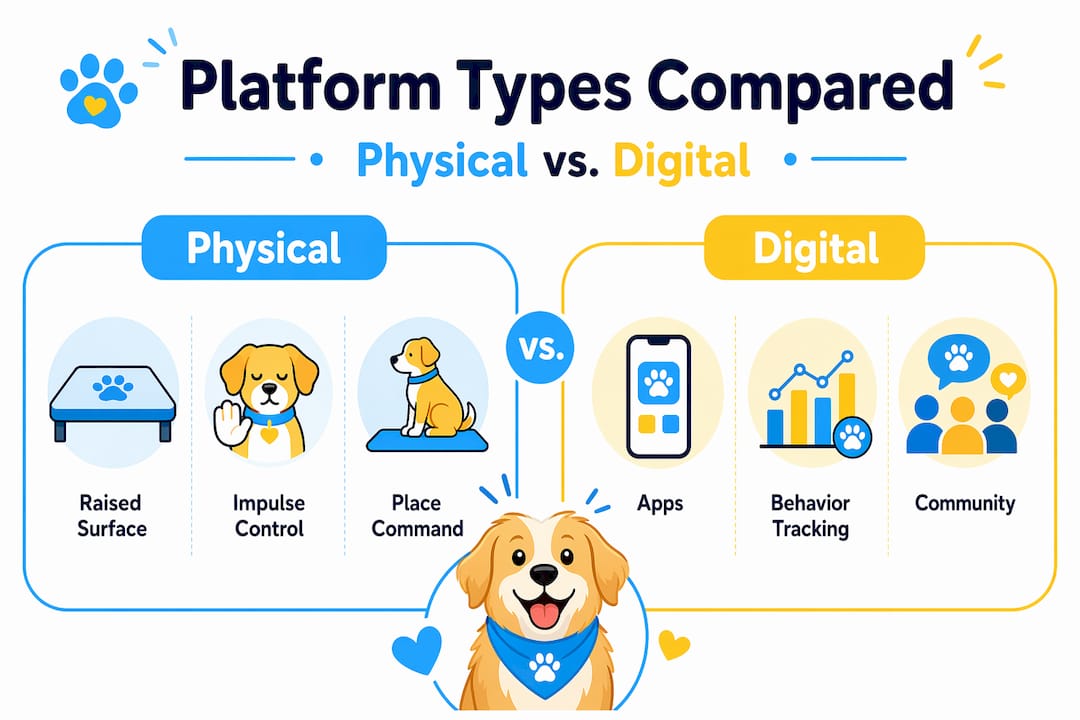
- Dog interaction platforms encompass physical training tools, digital ecosystems, and social community networks that support communication, training, and socialization.
- Effective use combines understanding canine body language with integrated tools for clarity, safety, and progress in dog behavior and socialization.
Most people searching for the dog interaction platform definition land on two completely different things and walk away confused. Some find raised wooden boards used in obedience training. Others stumble onto apps that connect dog owners to walkers, vets, and trainers. Both are correct. Neither tells the whole story. The real definition spans physical training tools, digital ecosystems, and social community networks, and understanding all three gives you a much sharper ability to train, communicate with, and care for your dog. This article covers every layer.
Table of Contents
- Key takeaways
- What the dog interaction platform definition actually covers
- Physical platforms in training: the original definition
- Social dog interaction platforms and community networks
- Reading dog body language: the skill every platform requires
- Choosing and using the right platform for your dog
- My honest take on the platform definition debate
- How Ipuppee supports your dog interaction journey
- FAQ
Key takeaways
| Point | Details |
|---|---|
| Multiple platform types exist | Dog interaction platforms include physical training tools, digital apps, and social community networks. |
| Digital platforms are full ecosystems | The best apps combine health tracking, professional bookings, and AI training support in one place. |
| Physical platforms build training clarity | Raised surfaces give dogs a concrete boundary that makes “place” commands far easier to teach. |
| Body language knowledge is non-negotiable | No platform works well if you can’t read what your dog is telling you during an interaction. |
| Integration produces the best outcomes | Combining digital tools with physical training props and structured social experiences creates the strongest results. |
What the dog interaction platform definition actually covers
The term covers three distinct categories, and the boundaries between them are blurring fast. As of Q2 2026, digital dog interaction platforms are best described as digital ecosystems that integrate health record tracking, professional service bookings, and AI-driven training support into one connected experience. That’s a far cry from the foam block your trainer pulls out at class.
Digital platforms are the newest and most rapidly growing category. They solve a real problem: dog ownership involves a dozen different professionals, products, and tracking needs, and most owners manage all of it manually. A well-built digital platform pulls that together. You book a groomer, log a vet visit, follow a 10-week training plan, and message a behaviorist, all from one interface.
Here is what the strongest digital platforms typically offer:
- Health record management that stores vaccination history, medication schedules, and vet visit notes in one accessible place
- Professional booking systems connecting owners to vetted trainers, groomers, walkers, and sitters with verified reviews and transparent pricing
- AI-driven training aids that suggest exercises based on your dog’s breed, age, and behavior history
- Community networking tools that connect you to other owners in your area for playdates, advice, and support
- Behavior tracking logs where you record progress on specific commands or note changes in mood and energy
Platforms like Pawprint Academy and WoofApps demonstrate this well. They combine training plans, behavior tracking, and scheduling in a single interface rather than scattering those functions across five separate apps. Single-function apps tend to lose users quickly. Connected experiences keep owners engaged because they reflect how dog ownership actually works: as one ongoing, multi-layered responsibility.
Pro Tip: When evaluating any digital dog interaction platform, check whether it allows you to export your dog’s data. Platforms that lock you into their system make it harder to share records with a new vet or trainer if you switch.
Physical platforms in training: the original definition
Before any app existed, trainers were already using the word “platform” to mean something entirely tactile. In professional training circles, a physical platform is a raised, durable surface that a dog steps onto and remains on while the handler gives commands. It sounds simple. The effect it has on a dog’s understanding is not.
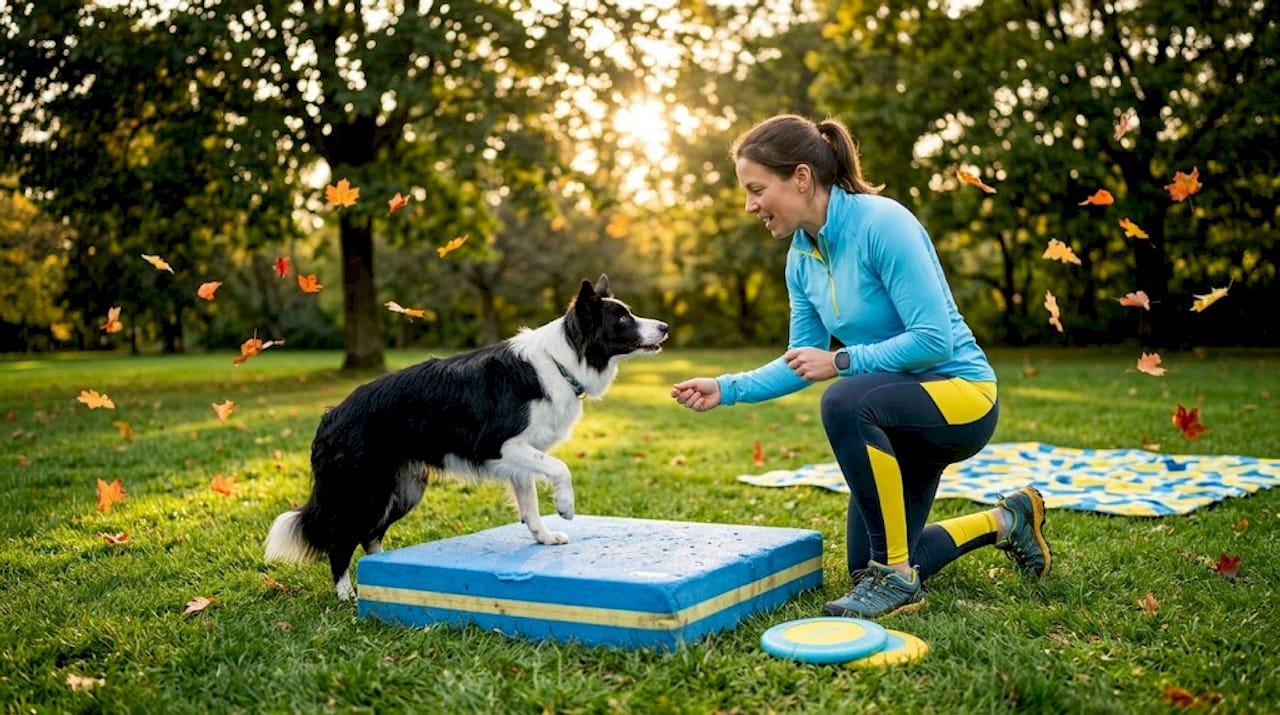
Physical platforms are raised surfaces used to teach dogs the “place” command and develop impulse control. The raised edge creates a physical boundary the dog can feel. That boundary does something abstract verbal cues cannot: it tells the dog exactly where its body should be. Dogs learn faster when the environment gives them clear, physical information.
Why physical boundaries matter in training
Compare two scenarios. In the first, you ask your dog to stay on a flat floor with no visual marker. The dog drifts forward six inches. You’re not sure whether to correct that. Neither is the dog. In the second, the dog is on a platform. Any movement toward the edge is instantly clear to both of you. The boundary is honest and consistent.
Trainers use platforms to build what they call duration and distance. Duration means how long the dog holds the position. Distance means how far the handler moves away while the dog stays put. Both are significantly easier to develop when the dog has a defined target to hold. Positive reinforcement on the platform before adding distance or duration is what makes the behavior reliable long-term.
| Platform type | Best use | Key features |
|---|---|---|
| Foam block | Puppies, beginners | Lightweight, soft surface, easy to move |
| Wooden board | Intermediate obedience | Firm edge, stackable for height variation |
| Rubber-topped board | Active training or sport dogs | Non-slip surface, more durable |
| Portable travel platform | Training in multiple locations | Folds flat, lightweight, easy to pack |
Pro Tip: Start with the platform flat on the ground so your dog gets comfortable stepping onto it before you ever ask for a stay. Rushing to add height or distance before the dog values the platform is the most common reason the “place” command falls apart.
Social dog interaction platforms and community networks
The third category sits between the digital and the physical. Social dog interaction platforms are two-sided marketplaces or community networks where dog owners connect with each other, with professionals, and sometimes with other dogs through facilitated meetups.
These platforms connect owners for playdates and services, filtering matches by energy level, vaccine status, temperament, and location. That filtering is what separates a useful dog socialization platform from a random Facebook group. A reactive dog should not be matched with a high-energy, boundary-pushing puppy. Smart platforms account for that.
What makes social platforms valuable for canine interaction services:
- Filtered matchmaking based on temperament, size, energy, and vaccination records to create safe meeting conditions
- Supervised play sessions led by certified professionals who can read canine body language and intervene if tensions rise
- Service exchange features where owners trade dog walking, boarding, or training assistance within a trusted community
- Rating and review systems that create accountability and help new members find reliable partners quickly
- Event scheduling for group walks, training classes, and socialization meetups in local parks or facilities
Business models for these platforms range from subscription fees to commission-based structures where the platform takes a percentage of each service booked. The most sustainable models combine both, using subscriptions to build a consistent user base and commissions to scale revenue with activity. Trust signals and behavioral matching are what keep users on these platforms long-term.
Reading dog body language: the skill every platform requires
No platform of any kind produces results without this. Whether you’re using a digital app, a physical training board, or a social meetup service, your ability to read your dog’s body language determines whether those tools help or hurt.
Canine body language includes body posture, facial expressions, and vocalizations, and humans routinely misread all three. A dog that looks “guilty” is almost always displaying stress signals in response to your tone of voice, not admitting wrongdoing. A dog showing its belly isn’t always inviting a belly rub. Sometimes it’s a calming or appeasement signal that means “I’m uncomfortable, please back off.”
Here are the four categories of canine signals you need to recognize before using any dog behavior platform effectively:
- Posture signals. A dog with weight forward, ears up, and tail high is confident or potentially aroused. Weight shifted back, tail tucked, and body low signals fear or submission.
- Facial signals. Soft eyes and a relaxed mouth mean comfort. Hard stare, tense jaw, or whale eye (showing the whites of the eyes) means stress or threat assessment.
- Tail signals. Speed and direction matter as much as height. A fast, full-body wag is enthusiasm. A stiff, high, slow wag can signal alertness or tension.
- Vocalizations. Growling is communication, not just aggression. Suppressing a growl through punishment removes your dog’s warning system and creates a dog that bites without notice.
“Forced interactions may worsen conflict. Focused, respectful engagement consistently produces better outcomes.” — Marin Humane
This insight applies directly to how you use any dog communication tool or platform. Pushing a dog into a training session, a social meetup, or a new device before it’s ready creates stress, not progress. Checking the signs of stress in dogs before and during any platform-based interaction should be a standard habit.
Choosing and using the right platform for your dog
Getting value from any type of dog interaction platform comes down to matching the tool to the actual need, and then using it consistently. Here’s how to approach that practically:
- For digital platforms, prioritize apps that cover your specific gap. If your biggest challenge is coordinating professional care, look for strong booking and profile features. If you’re working through a behavior issue, prioritize platforms with certified trainer access and behavior tracking logs.
- For physical training platforms, start with one board at a comfortable height and make it the most rewarding spot in your home before adding commands. Pair every session with high-value treats and keep early sessions short, two to three minutes maximum.
- For social platforms, vet the community before committing. Look for platforms that require vaccination records, ask about your dog’s history, and offer moderated interactions. Structured socialization activities that respect your dog’s pace reduce conflict and build genuine confidence.
- Avoid over-platforming. Using three apps, two physical tools, and a social network simultaneously with no consistent training philosophy behind them creates confusion for both you and your dog.
Pro Tip: The best use of any dog behavior platform is as a supplement to a clear training relationship, not a replacement for one. Technology and tools support communication. They do not create it.
My honest take on the platform definition debate
I’ve watched owners invest in digital subscriptions, wooden training boards, and social meetup memberships while their dog’s core communication problems stayed completely unresolved. The platforms didn’t fail them. The gap between the tool and the relationship did.
What I’ve learned after working with dog behavior platforms across all three categories is that they function best when they serve a human who already understands their dog. A digital platform that logs your dog’s anxiety triggers is genuinely useful if you know how to interpret that data and adjust your training. It’s just a dashboard if you don’t. A physical platform builds incredible training clarity, but only if you’ve built enough trust with your dog that stepping onto something unfamiliar feels like an adventure, not a threat.
The most common mistake I see is treating one category as the solution. Owners who live inside apps miss the tactile, physical boundary-setting that builds reliable obedience. Trainers who only use physical props miss the community, professional access, and tracking that digital tools provide. Neither camp is wrong. Both are incomplete.
My position is straightforward. Use all three. Let the digital platform handle your records and professional connections. Let the physical platform give your training sessions clarity and structure. Let the social platform expose your dog to the world in a controlled, intentional way. That combination is where modern dog training actually lives.
— Andrew
How Ipuppee supports your dog interaction journey
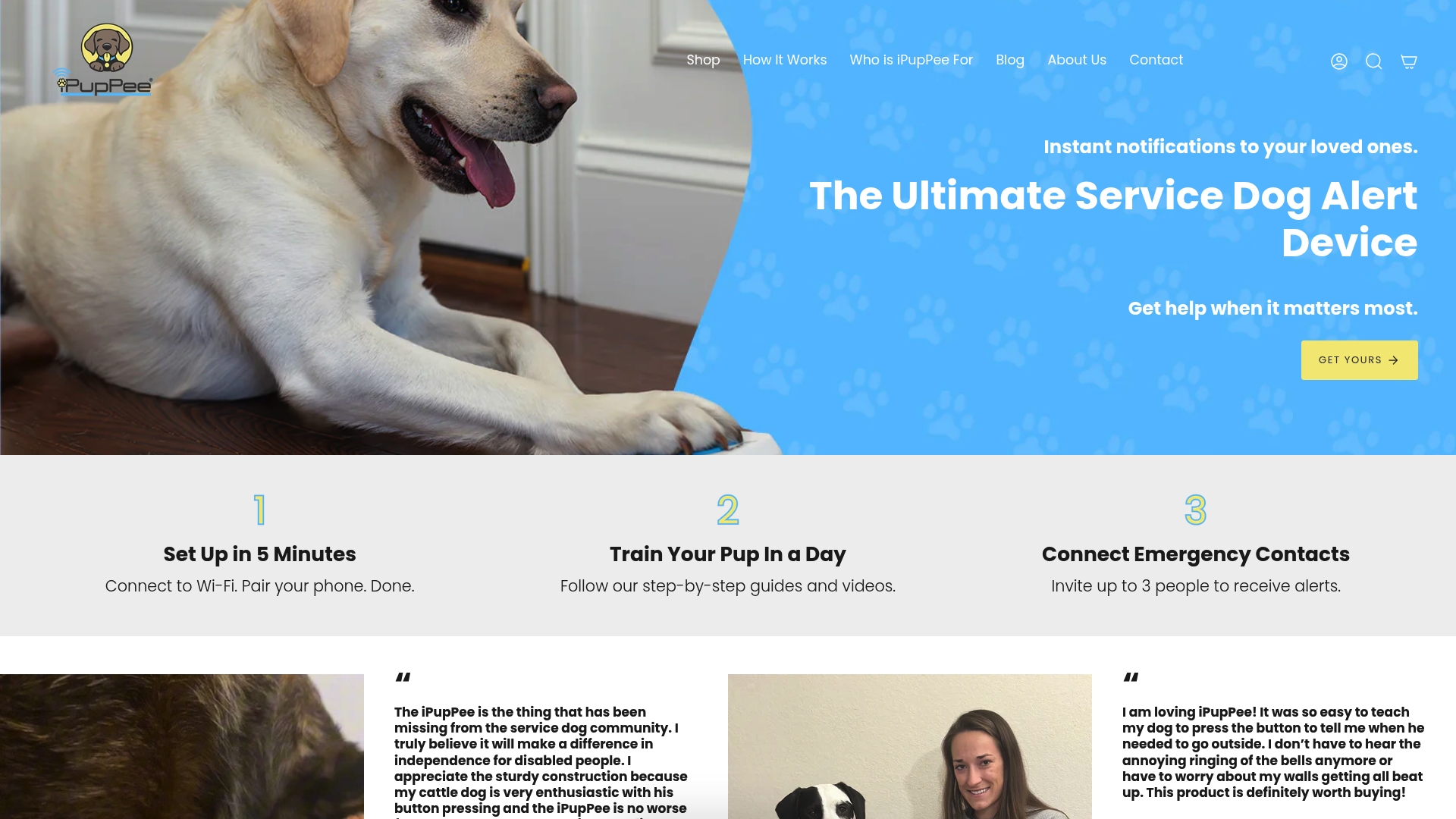
Ipuppee was built around a simple but powerful idea: real communication between dogs and their owners changes lives, especially for seniors, people with disabilities, and anyone navigating dog ownership without a support system nearby. The iPupPee alert device gives dogs a concrete, button-based way to signal their needs, fitting naturally into any dog interaction approach you’re building.
Beyond the device, Ipuppee’s blog covers the full picture of dog communication apps, body language reading, and practical training tools. Whether you’re figuring out which digital platform fits your routine or learning how to read what your dog is telling you, the resources are there. Visit Ipuppee to explore tools and guides that make every layer of dog interaction more manageable.
FAQ
What is a dog interaction platform?
A dog interaction platform is any system, digital or physical, that structures and supports the way dogs and humans communicate, train, and socialize. The category includes digital apps, physical training props, and community-based social networks.
How does a digital dog interaction platform differ from a single training app?
A digital dog interaction platform integrates multiple services, including health tracking, professional bookings, and training plans, into one connected experience. Single-function apps cover only one need and tend to lose users faster because they don’t reflect the full complexity of dog ownership.
What is a physical dog interaction platform used for?
A physical platform is a raised surface used in training to give dogs a clear, defined space for commands like “place” and “stay.” The physical boundary helps dogs understand exactly where their body should be, which speeds up learning and builds more reliable behavior.
Why does body language matter when using dog behavior platforms?
Dog body language signals tell you whether your dog is ready, stressed, or confused during any interaction. Misreading those signals while using a training or social platform can reinforce fear or create negative associations with the tool itself.
What should I look for in a dog socialization platform?
Look for filtered matchmaking based on temperament and vaccination status, moderated or supervised sessions, and a clear accountability system like verified reviews. Platforms that skip those filters put dogs in mismatched social situations that can set back socialization progress significantly.