

Most dog owners think grooming is about keeping their pet looking cute, but that’s only scratching the surface. Regular grooming prevents painful infections, catches health problems early, and builds the trust your dog needs to feel safe with you. Whether you’re raising a new puppy or caring for a service dog, mastering these essential grooming tasks transforms routine maintenance into a powerful health and bonding practice. This guide walks you through every critical aspect of dog grooming, from choosing the right tools to building stress-free routines that work for puppies, service dogs, and every breed in between.
Table of Contents
- Why grooming is more than fur-deep
- The essential grooming toolkit
- Brushing, bathing, and coat care: Frequency and best practices
- Nails, ears, eyes, and teeth: Overlooked essentials
- Special considerations: Puppies, service dogs, and breed variations
- Building a stress-free grooming routine
- Support your dog’s wellness journey with iPupPee
- Frequently asked questions
Key Takeaways
| Point | Details |
|---|---|
| Health-first approach | Prioritize grooming to prevent infection and catch health issues early, not just for looks. |
| Use the right tools | Select dog-specific grooming tools and products tailored to your pup’s size, coat, and age. |
| Routine builds trust | Consistent, positive grooming sessions reduce stress and strengthen your bond with your dog. |
| Every dog is different | Adapt grooming frequency and methods for your dog’s breed, age, and activity level. |
| Don’t skip details | Caring for nails, teeth, ears, and eyes is essential for your dog’s total well-being. |
Why grooming is more than fur-deep
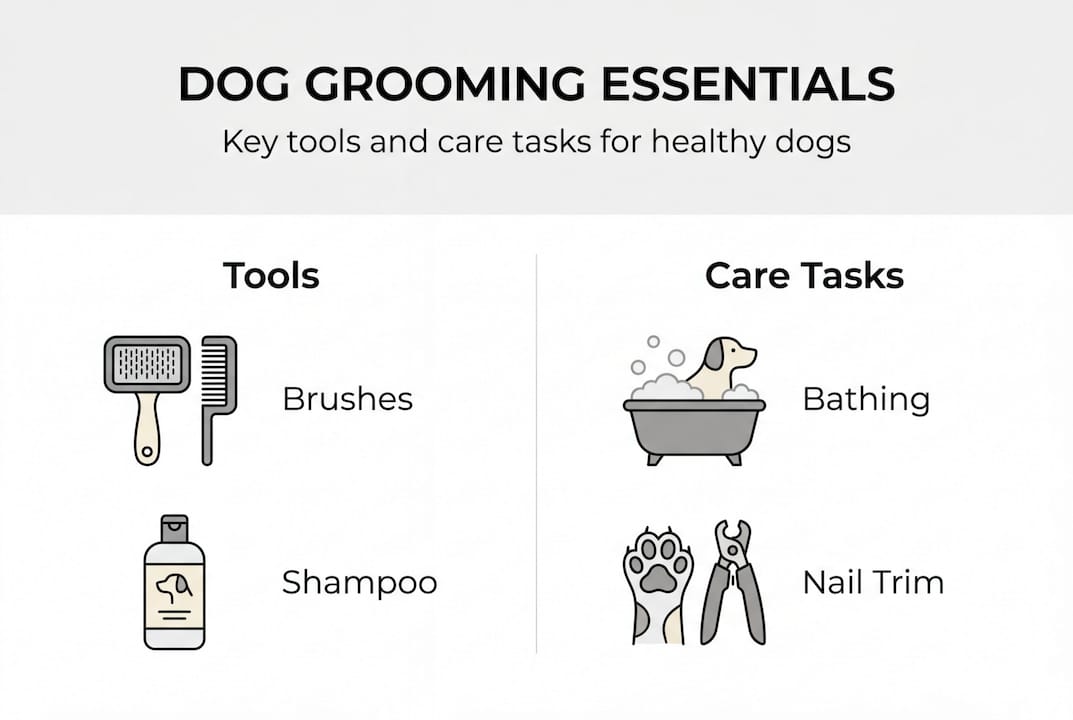
Grooming isn’t vanity. It’s preventive healthcare that stops problems before they start. Core grooming tasks include brushing, bathing, nail trimming, ear cleaning, teeth brushing, and regular coat checks. Each task serves a specific health purpose: brushing removes dead hair and distributes natural oils, bathing prevents skin infections, nail trims protect joints, ear cleaning stops painful infections, and teeth brushing fights dental disease.
The health benefits extend beyond the obvious. Regular grooming sessions let you spot lumps, cuts, parasites, and skin changes early, when treatment is simplest. You’ll notice if your dog’s ears smell off, if a tooth looks cracked, or if a small wound needs attention. These discoveries can prevent emergency vet visits and catch serious conditions like tumors or infections in their earliest stages.
Grooming also shapes behavior and strengthens your bond. Dogs who experience gentle, consistent grooming learn to trust handling, making vet visits and medication easier. The routine becomes a calm ritual that reduces stress for both of you. For service dogs, this trust is essential for public work. For puppies, it builds confidence that lasts a lifetime.
“Dogs groomed regularly show fewer signs of anxiety during veterinary exams and accept handling from strangers more readily.”
Every dog’s needs differ based on breed, age, and lifestyle. Puppies need gentle introduction to grooming tools. Service dogs require extra attention to hygiene for public access. Long-haired breeds demand daily brushing, while short-coated dogs need less frequent sessions. Understanding these differences helps you create a routine that fits your dog’s specific requirements. For more on keeping your dog healthy, explore common dog health issues and prevention strategies. The ASPCA offers comprehensive dog care guidelines covering nutrition, exercise, and wellness.
The essential grooming toolkit
The right tools make grooming safer and more effective. Using human products on dogs causes skin irritation because dog skin has a different pH balance. Invest in dog-specific supplies sized appropriately for your pet’s breed and age.
| Tool | Purpose | Beginner Tip |
|---|---|---|
| Slicker brush | Removes tangles and loose fur | Use gentle strokes, never press hard |
| Nail clippers | Trims nails to safe length | Cut small amounts, avoid the quick |
| Dog shampoo | Cleans coat without stripping oils | Choose pH-balanced formulas |
| Ear cleaner | Prevents infection buildup | Use vet-approved solutions only |
| Dog toothbrush | Fights plaque and gum disease | Start with finger brushes for puppies |
| Styptic powder | Stops bleeding from nail cuts | Keep on hand for accidents |
Pro Tip: Match brush type to coat length. Pin brushes work for long coats, bristle brushes suit short hair, and slicker brushes handle most medium coats and tangles.
For new puppy owners, start grooming early with gentle methods to build positive associations. A basic starter kit includes a soft brush, puppy shampoo, nail clippers, ear cleaner, and a toothbrush. Add specialized tools as your puppy grows and you understand their coat needs better.
Breed matters when selecting tools. Double-coated breeds need undercoat rakes, curly-coated dogs benefit from metal combs, and wire-haired breeds may need stripping knives. Research your breed’s specific requirements or consult a professional groomer for recommendations. Check out the puppy training checklist for age-appropriate grooming milestones, and review puppy safety tips before starting. The AKC’s puppy grooming guide offers detailed tool recommendations by breed.
Brushing, bathing, and coat care: Frequency and best practices
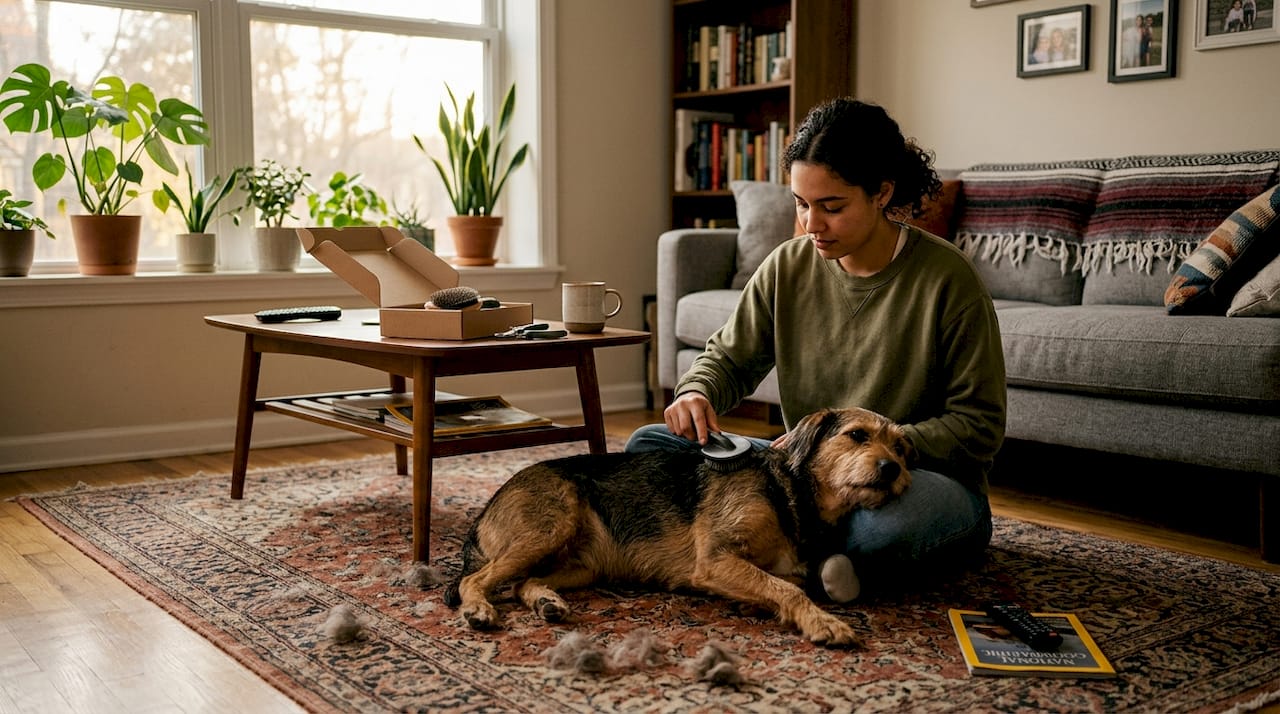
How often you brush and bathe depends entirely on coat type. Brushing frequency varies by breed, and getting it right prevents mats, skin problems, and excessive shedding.
| Coat Type | Brushing Frequency | Bathing Frequency |
|---|---|---|
| Short (Beagle, Boxer) | Weekly | Every 6-8 weeks |
| Medium (Golden Retriever) | 2-3 times weekly | Every 4-6 weeks |
| Long (Shih Tzu, Maltese) | Daily | Every 3-4 weeks |
| Double-coated (Husky, Malamute) | Daily during shedding season | Every 8-12 weeks |
Bathe every 4-8 weeks or when your dog gets dirty or smelly. Overbathing strips natural oils that protect skin, leading to dryness and irritation. Use lukewarm water and dog-formulated shampoo, never human products.
Follow this brushing and bathing procedure:
- Brush thoroughly before bathing to remove loose hair and tangles
- Wet coat completely with lukewarm water
- Apply shampoo and massage into a lather, avoiding eyes and ears
- Rinse thoroughly until water runs clear
- Apply conditioner if needed for long coats
- Towel dry and brush again while damp
- Air dry or use a pet-safe dryer on low heat
Pro Tip: Turn every grooming session into a health check. Run your hands over your dog’s entire body, feeling for lumps, bumps, cuts, or unusual heat. Check between toes, under the tail, and in skin folds where problems hide.
Puppies and elderly dogs need gentler handling. Young puppies have sensitive skin and limited patience. Keep early sessions short and positive. Older dogs may have arthritis or skin conditions that make grooming uncomfortable, so work slowly and watch for signs of pain. Service dog handlers should review service dog care tips for maintaining working dogs. Guide Dogs provides specific service dog grooming protocols for handlers.
Nails, ears, eyes, and teeth: Overlooked essentials
These areas get ignored until problems develop, but regular maintenance prevents pain and expensive vet bills. Each requires specific techniques and attention to warning signs.
Nail trimming: Trim nails weekly or when you hear clicking on hard floors. Long nails force dogs to walk on their heels, causing joint pain and posture problems.
- Hold paw firmly but gently
- Identify the quick (pink area inside the nail)
- Cut small amounts at a 45-degree angle
- Stop before reaching the quick
- File rough edges smooth
- Apply styptic powder if bleeding occurs
Ear cleaning: Clean ears weekly with a vet-approved solution on a cotton ball. Never use cotton swabs deep in the ear canal.
- Lift ear flap and inspect for redness or odor
- Apply cleaning solution to cotton ball
- Wipe visible parts of the ear gently
- Use a fresh cotton ball for each ear
- Dry with a clean, soft cloth
Teeth brushing: Brush at least three times weekly, daily if possible, using dog toothpaste. Human toothpaste contains ingredients toxic to dogs.
- Start by letting your dog taste the toothpaste
- Lift lips and brush front teeth in circular motions
- Gradually work toward back teeth
- Focus on the gum line where plaque builds
- Reward with praise and a treat
Eye checks: Wipe eyes as needed with a damp cloth. Remove discharge gently from the inner corner outward.
Pro Tip: Use high-value treats during grooming to create positive associations. Small pieces of chicken, cheese, or special training treats work better than regular kibble.
Watch for these warning signs:
- Ears: foul odor, excessive wax, redness, head shaking, scratching
- Eyes: excessive tearing, cloudiness, redness, squinting
- Nails: limping, reluctance to walk, bleeding
- Teeth: bad breath, yellow buildup, red gums, difficulty eating
For safe handling techniques, review dog nail trimming safety guidelines. The AKC’s new puppy dental care section covers tooth development and cleaning schedules.
Special considerations: Puppies, service dogs, and breed variations
Different dogs need different approaches. Adapting your routine to your dog’s specific situation ensures better results and less stress.
Puppies: Groom gently and frequently to build positive associations. Puppies under six months have delicate skin and short attention spans. Use lukewarm water and a washcloth until three to four months old, then introduce pH-balanced puppy shampoo. Keep sessions brief and reward calm behavior generously.
Service dogs: Same grooming as pets but with emphasis on hygiene for public access. The ADA doesn’t mandate specific grooming standards, but service dogs must be clean and well-maintained to work in public spaces. Daily brushing removes loose hair that might affect people with allergies. Extra attention to paws prevents tracking dirt into stores and restaurants.
Breed variations: Double-coated breeds like Huskies should never be shaved, as their coat regulates temperature. Curly-coated breeds like Poodles need professional grooming every six to eight weeks. Wire-haired terriers require hand-stripping to maintain coat texture. Research your breed’s specific needs or consult a professional.
Most dogs need some form of grooming at least weekly, whether it’s a quick brush, nail check, or teeth cleaning. Consistency matters more than perfection. For service dog handlers working in public, review public safety for service dogs protocols. Guide Dogs offers comprehensive guide dog grooming standards for working teams.
Building a stress-free grooming routine
How you groom matters as much as what you do. A positive routine strengthens your bond and makes future sessions easier.
Start slowly and use positive reinforcement to build trust. Let your dog sniff tools before using them. Touch paws, ears, and mouth gently during play so handling feels normal. Reward calm behavior with treats and praise.
Choose quiet times when your dog is naturally calm, like after a walk or play session. Avoid grooming when your dog is excited, hungry, or anxious. Create a designated grooming spot with good lighting and a non-slip surface.
Recognize stress signals:
- Stressed: panting, trembling, whale eye (showing whites), tucked tail, trying to escape, growling
- Relaxed: soft eyes, loose body, wagging tail, leaning into touch, staying still voluntarily
If your dog shows stress, stop and try again later. Never force grooming, as this creates negative associations that worsen over time. Break tasks into smaller steps and celebrate small wins.
Pro Tip: Regular grooming sessions double as health screenings. You’ll notice changes in your dog’s body, behavior, and comfort level that might indicate developing problems. Early detection means simpler, less expensive treatment.
For puppies learning to accept grooming, follow the training a puppy for grooming timeline to introduce tools and handling at appropriate ages.
Support your dog’s wellness journey with iPupPee
You now have the knowledge to keep your dog healthy, comfortable, and looking great through consistent grooming. These essential practices prevent problems, strengthen your bond, and help you catch health issues early when they’re easiest to treat.
iPupPee offers resources designed specifically for responsible dog owners who want the best for their pets. Whether you’re raising a new puppy or caring for a service dog, our guides cover training, safety, health, and communication tools that support your dog’s well-being at every stage. Explore iPupPee wellness resources for expert advice on everything from puppy development to service dog care. Check out our complete puppy checklist to ensure you’re covering all the bases as your new companion grows.
Frequently asked questions
How often should I groom my puppy?
Brush or wipe your puppy several times a week and bathe monthly with gentle products until three to four months old. Use lukewarm water and pH-balanced puppy shampoo to protect delicate skin.
What’s the best way to clean my dog’s ears and eyes?
Wipe eyes when needed and clean ears weekly using a vet-approved solution on a cotton ball. Check for signs of infection like redness, odor, or excessive discharge.
Do service dogs need special grooming?
No, but service dogs require strict hygiene and grooming to meet public access standards, just like any pet dog. Daily brushing and regular bathing keep them clean for public work.
How can I prevent my dog from getting anxious during grooming?
Work slowly, use treats and praise, and keep sessions positive to build trust over time. Start with brief handling and gradually increase duration as your dog relaxes.
Why is teeth brushing important for dogs?
Brushing your dog’s teeth prevents plaque, keeps breath fresh, and reduces risk of dental disease. Aim for at least three times weekly, daily if possible, using dog toothpaste.