

TL;DR:
- Regular grooming helps detect health issues early and maintains your dog’s comfort.
- Using coat-specific tools and proper techniques reduces discomfort and improves grooming efficiency.
- Professional grooming is essential for complex tasks or anxious dogs, but routine care can often be done at home.
Many well-intentioned dog owners accidentally skip grooming steps that matter most, not out of neglect, but simply because no one explained the full picture. A missed mat behind the ear or overgrown nails can quietly cause pain, posture problems, or even infection. Grooming also detects health issues early, including lumps, skin conditions, and parasites that owners might otherwise miss for weeks. Whether you care for a family pet or a working service dog, this guide walks you through every essential grooming task, the right tools, the right techniques, and exactly when to call in a professional.
Table of Contents
- Grooming tools and preparation checklist
- Brushing and detangling: Frequency and technique for every coat
- Bathing, ear cleaning, and teeth brushing basics
- Nail trimming: Protecting paws and posture
- DIY or pro grooming: Making the right choice for your dog
- Our perspective: Why regular grooming is more than just looks
- Explore more dog wellness guides with iPupPee
- Frequently asked questions
Key Takeaways
| Point | Details |
|---|---|
| Tailor grooming to coat type | Choose brushing tools and routines based on whether your dog has short, long, or double coats for best results. |
| Include full-body care | Don’t skip nails, ears, or teeth—full grooming keeps your dog comfortable and healthy. |
| When in doubt, call a pro | Seek professional help for mats, tough cases, or anxious dogs to avoid harm. |
| Use positive reinforcement | Make grooming rewarding and low-stress by using treats and gradual exposure. |
Grooming tools and preparation checklist
Now that you know why grooming matters, let’s make sure you and your dog are fully prepared with the right tools. Choosing the wrong brush for your dog’s coat type is one of the most common mistakes owners make, and it turns a helpful routine into an uncomfortable one.
Coat-specific tools matter: slicker brushes work best for long and curly coats, bristle brushes suit short-haired dogs, and rake brushes are designed for double-coated breeds. Using the right brush reduces pulling, cuts grooming time, and keeps your dog calm.
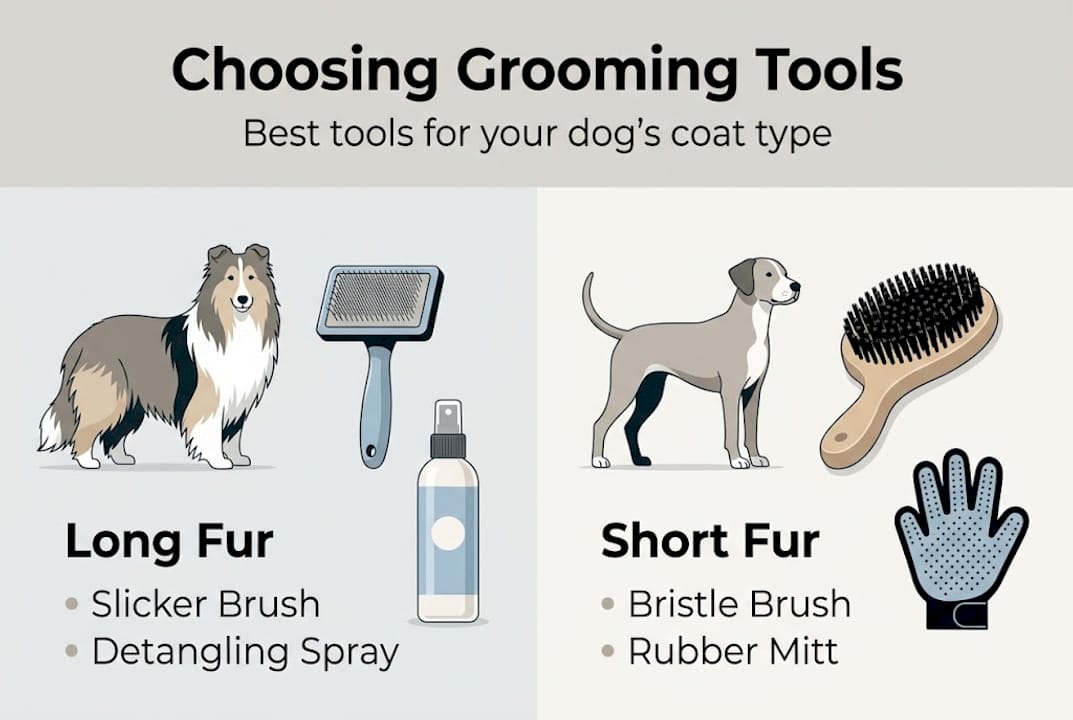
Here’s a quick breakdown by coat type:
| Coat type | Recommended tool |
|---|---|
| Short and smooth | Bristle brush or rubber mitt |
| Long or curly | Slicker brush and wide-tooth comb |
| Double coat (thick undercoat) | Undercoat rake or deshedding tool |
| Wiry or rough | Pin brush and metal comb |
Beyond brushes, you’ll also want to stock up on these dog grooming essentials:
- Nail clippers or a nail grinder
- Dog-specific shampoo and conditioner
- Ear cleaning solution (vet-approved)
- Dog toothbrush and toothpaste
- Non-slip mat for bath or grooming area
- Small treats for positive reinforcement
Before you begin each session, run through this quick prep checklist: gather all your tools in one place, choose a quiet room with good lighting, lay down a non-slip mat so your dog feels secure, and have treats within reach.
Pro Tip: If your dog is anxious or new to grooming, keep the first few sessions under five minutes. Let them sniff the tools, reward calm behavior, and build up slowly. Rushing creates resistance that’s hard to undo.
Brushing and detangling: Frequency and technique for every coat
With your tools and space ready, begin your grooming routine with proper brushing, the foundation of healthy coats. Brushing does more than keep fur looking neat. It distributes natural oils across the skin, improves circulation, and removes loose hair before it mats into painful tangles.
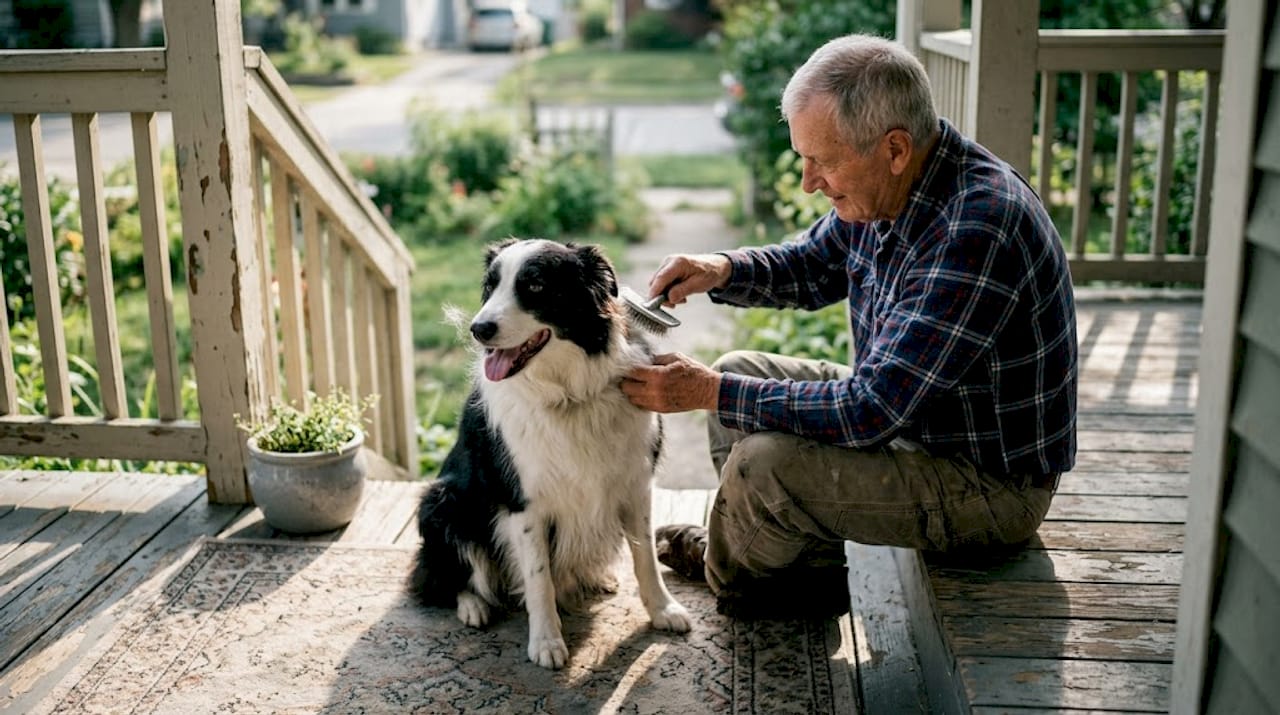
Brushing frequency varies by coat type: short-haired dogs need brushing about once a week, long-haired dogs benefit from daily sessions, and double-coated breeds need brushing two to three times weekly, or daily during shedding season.
| Coat type | Brushing frequency |
|---|---|
| Short hair | Once a week |
| Long hair | Daily |
| Double coat | 2-3 times weekly (daily during shedding) |
| Curly or wavy | Every other day |
Here’s how to brush effectively without causing discomfort:
- Start at the ends of the fur, not the roots, to avoid pulling.
- Work in small sections, moving in the direction of hair growth.
- Use a detangling spray if you hit a knot, never yank through it.
- Switch to a comb after brushing to check for any remaining tangles.
- Finish with a light once-over from head to tail to confirm even coverage.
For top pet health tips that go beyond grooming, it helps to understand how coat condition often reflects overall health.
Pro Tip: Always check “friction spots” during every session. These are the areas behind the ears, under the armpits, and around the collar where mats form fastest. Catching them early takes seconds. Removing them later can take much longer and may require scissors.
Bathing, ear cleaning, and teeth brushing basics
After coat care, bathing and hygiene help prevent deeper health issues. Many owners bathe their dogs too often or with the wrong products, which creates the very skin problems they’re trying to avoid.
Bathing step-by-step:
- Wet your dog thoroughly with lukewarm water, never hot.
- Apply dog-specific shampoo and lather from neck to tail, avoiding eyes and ears.
- Rinse completely. Leftover shampoo residue irritates skin.
- Towel dry or use a low-heat dryer made for pets.
Bathing every four to six weeks is the general guideline for most dogs. Bathing more often than necessary strips the skin’s natural oils and leads to dryness, flaking, and itching.
Stat: Overbathing is one of the leading causes of dry, flaky skin in dogs, a problem that owners often mistake for allergies or diet issues.
Ear cleaning is easy to skip but critical to maintain. Weekly ear checks with a vet-approved solution help prevent painful infections before they start.
- Apply a few drops of ear cleaning solution to a cotton ball.
- Gently wipe the visible part of the ear canal. Never insert anything deep.
- Watch for redness, odor, or dark discharge. These signal a vet visit.
“Weekly ear checks can prevent serious infections that, left untreated, may require surgery.”
Teeth brushing is the most neglected part of home grooming. Aim to brush your dog’s teeth two to three times per week using only dog dental health tips and products designed for dogs. Human toothpaste contains ingredients that are toxic to dogs. Use a finger brush or soft-bristled dog toothbrush and work in small circles along the gumline.
Nail trimming: Protecting paws and posture
One of the most overlooked grooming tasks is also the one that can most affect your dog’s daily comfort: nail trimming. Long nails don’t just look untidy. They change the way your dog stands and walks, putting pressure on joints and eventually causing real structural problems.
“Long nails deform feet over time and can make walking painful, affecting posture and even causing arthritis in older dogs.”
Here’s how to trim safely:
- Hold your dog’s paw firmly but gently.
- Identify the “quick,” the pink blood vessel visible in light-colored nails.
- Trim only the tip, a few millimeters at a time.
- For dark nails, trim in tiny increments and stop when you see a gray or pink center.
- Reward your dog after each paw, not just at the end.
Nail trimming every 2-4 weeks prevents pain, joint stress, and the kind of overgrowth that can curl back into the paw pad.
If you do cut the quick, apply styptic powder or cornstarch to stop the bleeding. Stay calm. Your dog will take cues from your reaction.
For guidance on selecting the right nail trimming tools, it helps to compare clippers versus grinders before you buy.
Pro Tip: Use a nail grinder instead of clippers for dogs with dark nails. Grinders let you remove small amounts at a time, giving you far more control and making it much easier to avoid the quick.
DIY or pro grooming: Making the right choice for your dog
Even with all the steps above, some situations call for a pro’s touch. Knowing when to handle grooming yourself and when to hand it off is a skill in itself.
| Task | DIY or professional? |
|---|---|
| Weekly brushing | DIY |
| Basic bathing | DIY |
| Nail trimming (light nails) | DIY |
| Deep mat removal | Professional |
| Breed-specific haircuts | Professional |
| Highly anxious dogs | Professional |
| Skin irritation or wounds | Vet first |
DIY grooming saves money and works well for routine maintenance, but professionals handle mats, complex cuts, and anxious dogs far more safely. Training early with positive reinforcement makes home grooming easier long-term.
Here’s a quick guide on when to call in a professional:
- Your dog has mats too tight to brush out without scissors
- There are visible skin sores, rashes, or unusual lumps
- Your dog snaps, freezes, or panics during grooming
- You need a breed-specific cut that requires clippers and skill
- Ear or eye areas need trimming near sensitive tissue
For owners who want to handle more at grooming at home, starting with the basics and building confidence over time is always the right approach. Professional groomers are partners, not a sign of failure.
Our perspective: Why regular grooming is more than just looks
Most grooming guides focus on technique. We think the bigger conversation is about mindset. Grooming is not a cosmetic routine. It’s one of the most direct ways you can monitor your dog’s physical health on a consistent basis.
When you brush your dog regularly, you notice changes. A new lump. A patch of dry skin. Sensitivity in a spot that wasn’t sore last week. These are early signals. Caught early, many conditions are manageable. Missed for months, they become serious.
There’s also something that doesn’t get said enough: grooming builds trust. A dog that lets you handle its paws, ears, and mouth is a dog that trusts you completely. That trust doesn’t happen overnight. It comes from gentle, consistent sessions where the dog learns that being touched is safe and positive.
For more pet health guidance, think of grooming as your first line of defense, not a chore to check off. The owners who catch problems early are usually the ones who groom regularly, not because they’re experts, but because they pay attention.
Stop viewing grooming as maintenance. Start seeing it as the most reliable health check you can give your dog every single week.
Explore more dog wellness guides with iPupPee
Ready to go deeper or need more advice? At iPupPee, we believe that a well-groomed dog is a healthier, happier dog, and that owners who stay informed make better decisions every day.

Our iPupPee resource hub is built for dog owners and service dog caregivers who want practical, expert-backed guidance they can actually use. From step-by-step grooming walkthroughs to training tools and wellness resources, everything is designed to help you feel confident caring for your dog at home. Explore our full library of dog grooming tips and discover the tools, techniques, and support that make a real difference in your dog’s daily life.
Frequently asked questions
How often should I groom my dog if they shed a lot?
Dogs with double coats or heavy shedding should be brushed every 2-3 days and daily during shedding season. Brushing frequency varies by coat type, but consistent sessions prevent mats and keep the skin healthy.
What’s the safest way to trim my dog’s nails?
Trim small amounts every 2-4 weeks and avoid the pink “quick” to prevent bleeding. Trim tips only and use a grinder for dark nails to give yourself better control.
How can I make grooming less stressful for my dog?
Start with short sessions, offer treats throughout, and build up handling gradually. Train early using positive reinforcement so your dog associates grooming with calm, rewarding experiences.
Why do I need dog-specific shampoo, not human?
Dog skin has a different pH level than human skin, and human shampoos disrupt that balance, causing irritation and dryness. Always use dog-specific shampoo with lukewarm water for safe, effective bathing.
What are signs my dog needs a professional groomer?
Deep mats, skin irritation, wounds near the coat, or strong anxiety during grooming are all clear signals. Pros handle mats and anxious dogs far more safely than DIY methods allow.