

Training your dog to use an alert device can open a new level of communication between you and your furry companion. About 61 million adults in the US live with a disability, and for many, a well-trained alert dog offers extra peace of mind. Teaching these skills goes beyond simple commands, helping turn your dog into a reliable partner in safety. Here you will find proven steps and clear guidance to build consistent alert behaviors your dog can master.
Table of Contents
- Step 1: Prepare Your Dog and Alert Device
- Step 2: Introduce the Alert Button with Clear Cues
- Step 3: Strengthen Response Through Positive Reinforcement
- Step 4: Transition Training to Real-Life Scenarios
- Step 5: Verify Consistent and Reliable Alert Responses
Quick Summary
| Key Point | Explanation |
|---|---|
| 1. Introduce the alert device gradually | Use positive reinforcement to encourage interaction with the alert device to strengthen familiarity. |
| 2. Establish clear communication cues | Choose specific words or signals linked to alert button activation for consistent understanding by your dog. |
| 3. Reinforce responses promptly | Immediately reward desired behaviors with treats and praise to create a strong positive association. |
| 4. Train in diverse environments | Gradually expose your dog to different locations and distractions to enhance adaptability in real-life scenarios. |
| 5. Regularly assess alert responses | Document performance in varied scenarios to ensure reliable and consistent alert behavior under different conditions. |
Step 1: Prepare Your Dog and Alert Device
Training your dog to use an alert device requires patience and consistent practice. Your goal is teaching your dog a reliable method of signaling critical information using a specialized communication tool.
According to Psych Dog Partners, effective alert device training involves preparing both your dog and the device for seamless communication. Start by introducing the alert device gradually using positive reinforcement techniques. Place the device in an accessible location and encourage your dog to interact with it using treats and praise. Some dogs learn best by associating the device with a specific command like “alert” or “signal”.
Begin with short training sessions lasting 5 to 10 minutes and progressively increase complexity. As Hearts of Gold recommends, teach your dog to activate the device by pressing a button with their paw or nose consistently. Practice this skill in different environments to ensure reliability.
Pro Tip: Always reward your dog immediately after successfully using the alert device to reinforce the desired behavior.
As you progress, you will develop a communication system that empowers both you and your dog to interact more effectively and safely.
Step 2: Introduce the Alert Button with Clear Cues
Teaching your dog to use an alert button requires establishing consistent and clear communication cues. This step focuses on helping your dog understand exactly how and when to interact with the alert device.
According to Certification Council for Professional Dog Trainers, one effective technique is teaching a specific action like a ‘Nose Boop’ to activate the alert button. Start by selecting a distinct cue word or hand signal that will be exclusively associated with button activation. Practice this cue in short training sessions using positive reinforcement such as high value treats and enthusiastic praise.
Service Dog Training School recommends breaking down the alert process into small manageable steps. Begin by positioning the alert button at your dogs comfortable reach height and guiding their paw or nose to touch it. Reward any intentional contact with immediate treats and verbal encouragement.
Pro Tip: Consistency is key. Use the exact same cue and reward pattern every single time to help your dog learn quickly.
As you progress through these training steps, your dog will develop confidence in using the alert button as a reliable communication tool.
Step 3: Strengthen Response Through Positive Reinforcement
Positive reinforcement is the cornerstone of reliable alert device training. Your goal is to create a consistent and enthusiastic response from your dog that feels natural and rewarding.
According to K9 Training Institute, strengthening alert responses requires carefully structured reward strategies. Create a hierarchy of treats where the highest value rewards are exclusively used for alert device interactions. Start with small achievable tasks and progressively increase the complexity of the alert behavior. This approach helps build your dogs confidence and motivation.
Psychiatric Service Dog Partners emphasize the importance of timing and consistency in positive reinforcement. Immediately reward your dog within 1 to 2 seconds of performing the desired alert action. Use a combination of treats verbal praise and physical affection to create a powerful positive association with the alert behavior.
Pro Tip: Vary your rewards to maintain your dogs interest. Rotate between high value treats toys and extra attention to keep the training engaging.
As you continue practicing these techniques your dog will develop a reliable and enthusiastic alert response that becomes second nature.
Step 4: Transition Training to Real-Life Scenarios
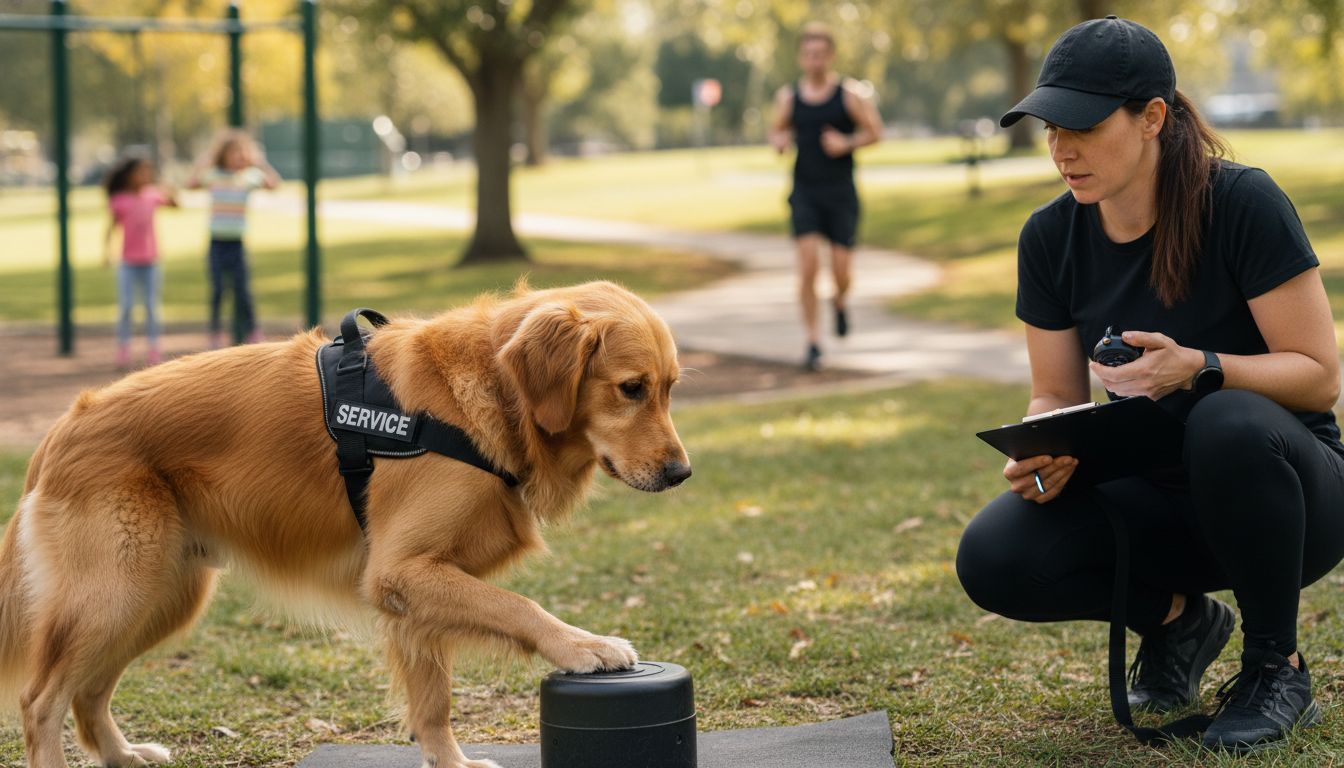
Transitioning your dogs alert device training from controlled environments to real world settings is critical for building reliable performance. Your goal is to help your dog generalize their skills across different locations and situations.
American Kennel Club emphasizes the importance of gradually introducing distractions and varied environments during training. Begin by practicing alert responses in different rooms of your home then slowly expand to your backyard neighborhood and eventually more challenging public spaces. This progressive approach helps your dog maintain focus and reliability.
Psychiatric Service Dog Partners recommend simulating potential real world distractions during training. Practice alert behaviors with background noises sudden movements and unpredictable stimuli. Start with mild distractions and incrementally increase complexity to build your dogs confidence and concentration.
Pro Tip: Use random scheduling of training sessions to prevent your dog from anticipating when an alert might be needed.
As you continue practicing in diverse scenarios your dog will develop the adaptability and reliability needed for effective alert response in any environment.
Step 5: Verify Consistent and Reliable Alert Responses
Verifying the reliability of your dogs alert response is a critical final stage in training. Your objective is to ensure that your dog can perform alert behaviors consistently across different scenarios and environments.
Service Dog Standards recommends developing a comprehensive assessment process to evaluate alert performance. Create a structured testing protocol that includes multiple scenarios with varying levels of complexity. Document each alert response noting factors such as reaction time accuracy and consistency. Focus on measuring your dogs ability to perform the alert behavior without prompting and with minimal distraction.
Design multiple test scenarios that challenge your dogs skills. These might include simulated emergency situations unexpected environmental changes and high stress environments. Evaluate not just the technical performance of the alert but also your dogs emotional regulation and focus. Look for subtle signs of stress or hesitation that might indicate areas needing additional training.
Pro Tip: Keep a detailed training log to track progress and identify patterns in your dogs alert response development.
Consistent documentation and periodic reassessment will help you maintain and improve your dogs alert device skills over time.
Enhance Your Dog’s Alert Training with the Right Tools
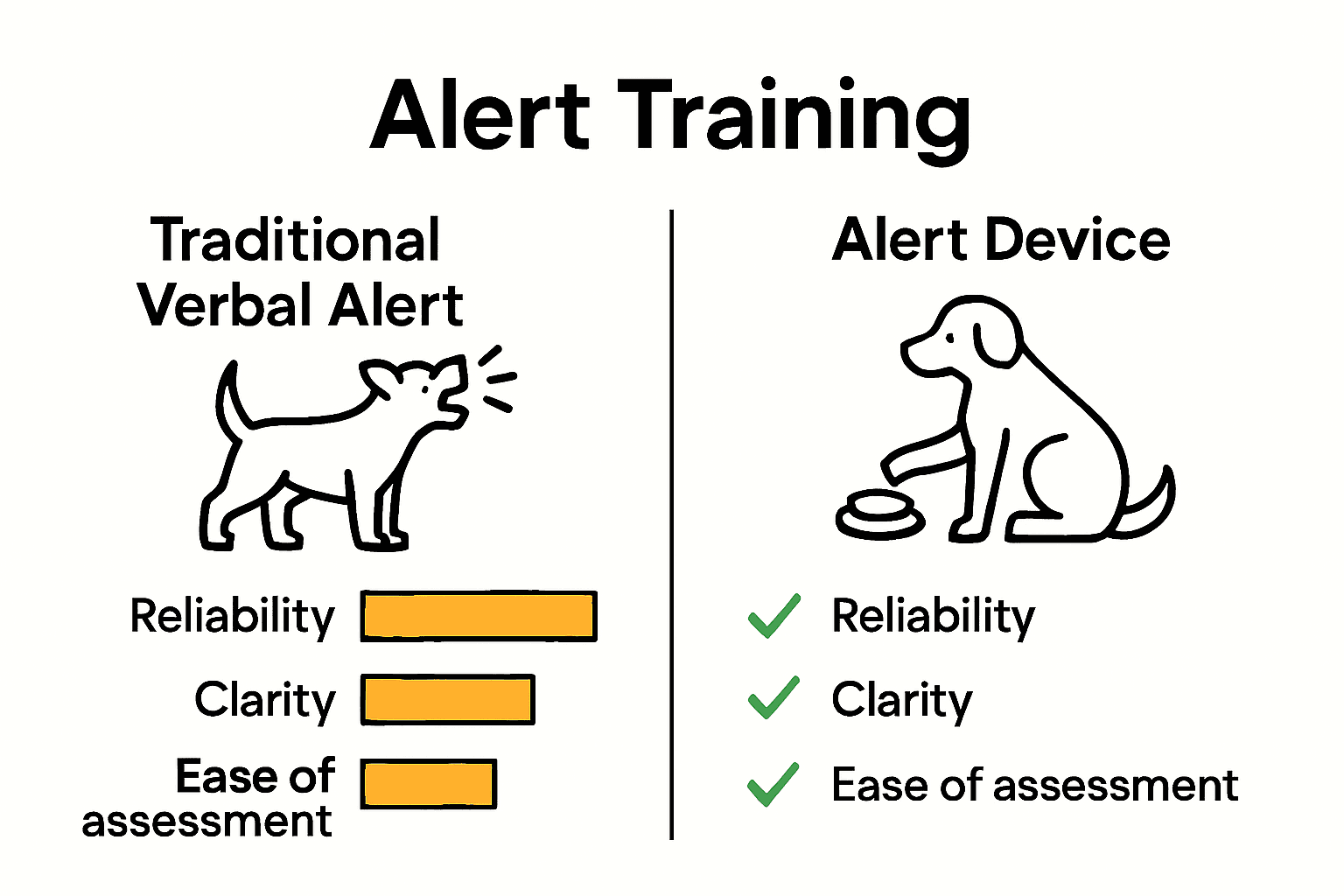
Training your dog to confidently use an alert device takes patience and consistent effort. The challenge lies in creating reliable communication where your dog can signal effectively at any moment, building strength through clear cues and positive reinforcement. The article highlights key steps like introducing an alert button, practicing response reliability, and adapting to real-life distractions—crucial goals for every dog owner needing dependable assistance from their dog.
If you want to turn these training principles into lasting success, discover the innovative iPupPee alert device designed specifically for dogs like yours. With a simple button your dog can press to communicate, you empower them with a trustworthy tool that supports safety and independence.
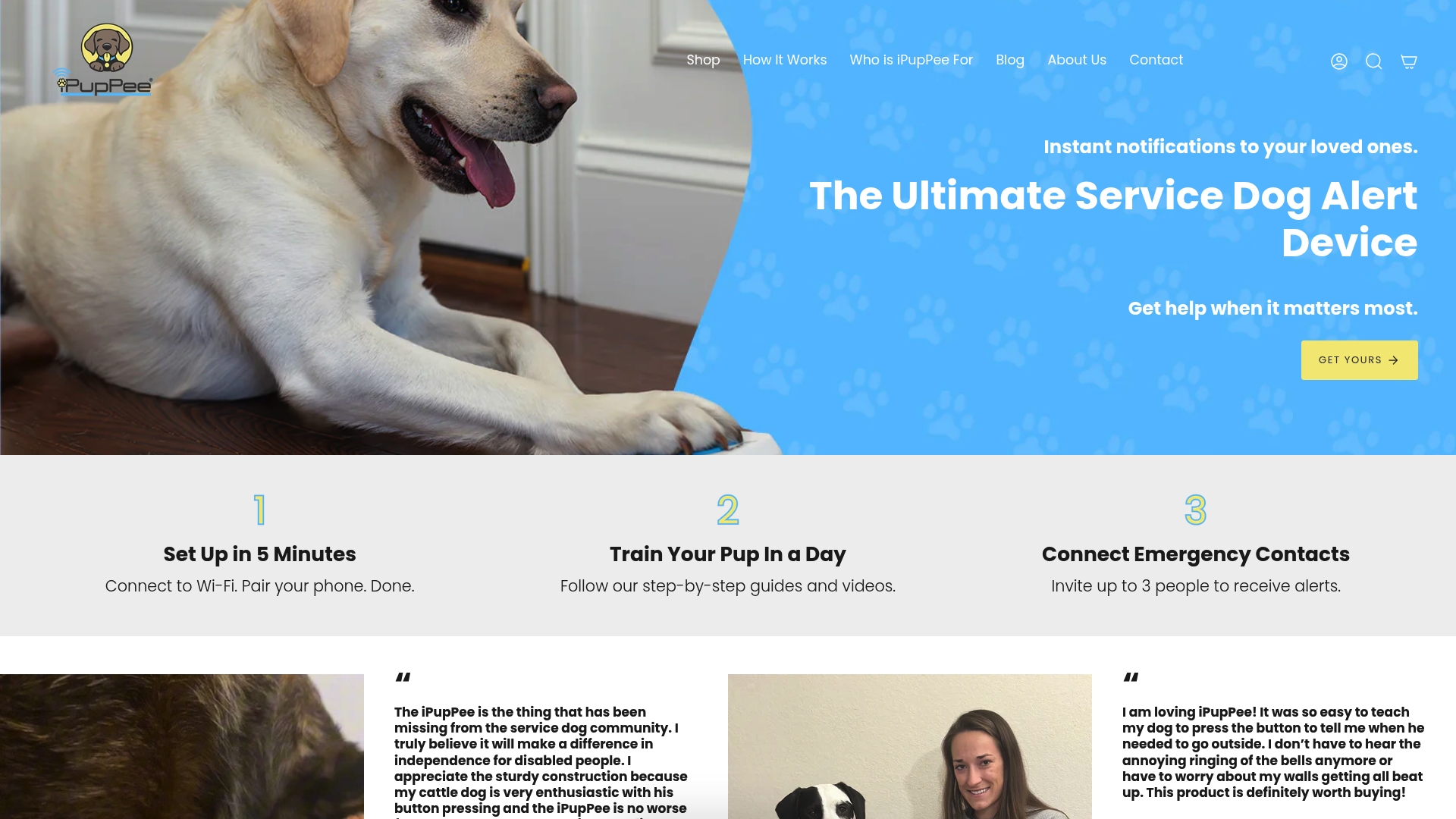
Start strengthening your dog’s alert skills today by exploring helpful guides and getting your own iPupPee. Visit iPupPee now to experience how easy consistent training and communication can be. Your dog’s reliable alert response is just a click away.
Frequently Asked Questions
How do I start training my dog to use an alert device?
To begin training your dog to use an alert device, gradually introduce it using positive reinforcement techniques. Place the device in an accessible spot and encourage your dog to interact with it by rewarding them with treats and praise whenever they engage with it.
What specific cues should I use for alert button training?
Choose a distinct cue word or hand signal that you will consistently use to indicate when your dog should activate the alert button. Practice using this cue during short training sessions, rewarding your dog immediately when they respond correctly to reinforce the behavior.
How can I ensure my dog responds reliably in different environments?
To ensure your dog can alert reliably in various settings, practice their alert responses in increasingly distracting environments. Start in your home, then gradually introduce outdoor locations, increasing complexity with noises and movements to help your dog generalize their training.
What positive reinforcement strategies are most effective for alert training?
Utilize a hierarchy of rewards during alert training, using the highest value treats exclusively for alert interactions. Ensure to reward your dog immediately after they perform the alert action to strengthen the behavior and maintain their motivation.
How can I verify my dog’s alert responses are consistent?
Develop a structured assessment protocol to evaluate your dog’s alert performance across multiple scenarios. Document the accuracy, reaction times, and the consistency of their alerts, recognizing any signs of hesitation that may indicate areas needing further training.
What is the best way to maintain my dog’s alert training?
Keep your dog’s alert training fresh by regularly practicing in varied situations and introducing random scheduling for training sessions. Document each training session in a log to track progress and make adjustments where necessary for continual improvement.