

Finding reliable dog communication devices is a real concern for american service dog handlers and seniors with disabilities around the world. In public spaces, safety can quickly become uncertain whenever there is a communication breakdown. About one in four adults in the United States has a disability requiring some form of daily assistance. This article offers practical insights on choosing the right tools to keep dogs and their handlers secure and connected wherever life takes them.
Table of Contents
- Defining Dog Safety In Public Spaces
- Types Of Service Dog Roles And Handlers
- Key Features Of Dog Safety Devices
- Legal Rights And Access Requirements
- Risks, Public Etiquette, And Common Mistakes
- Integrating Alert Devices For Enhanced Safety
Key Takeaways
| Point | Details |
|---|---|
| Importance of Dog Safety Regulations | The Americans with Disabilities Act ensures service dogs can accompany handlers in public, promoting safety and accessibility. |
| Training and Collaboration | Effective service dog functionality relies on thorough training and a strong bond between the handler and the dog. |
| Awareness of Public Etiquette | Understanding service dogs as working animals is crucial; public distractions can compromise their training and effectiveness. |
| Integration of Technology | Alert devices enhance communication and safety for service dogs, supporting handlers with various disabilities through tailored solutions. |
Defining Dog Safety in Public Spaces
Dog safety in public spaces involves creating environments that protect both canine companions and their human handlers, particularly for individuals with disabilities who rely on service animals. The Americans with Disabilities Act (ADA) provides foundational guidelines that establish critical safety standards for service dogs and their handlers in shared public environments. These regulations ensure that service animals can accompany their handlers seamlessly across various public settings, from restaurants to schools, without discrimination.
Public spaces require comprehensive safety strategies that address multiple dimensions of canine interaction. Key safety parameters include controlled movement zones, clear behavioral expectations, and designated areas that accommodate different dog sizes and temperament levels. Specialized environments like dog parks demonstrate how thoughtful design can enhance safety, featuring elements such as secure fencing, double-gated entries, and separate areas for dogs of varying sizes and energy levels. These design principles help minimize potential conflicts and create structured interactions.
Effective dog safety in public spaces demands a multifaceted approach that considers handler needs, animal behavior, and community standards. This includes proper training for service dogs, clear communication protocols, and public awareness about appropriate interactions with working animals. Handlers must be equipped with tools and knowledge to navigate shared spaces confidently, ensuring both their safety and the safety of those around them.
Pro tip: Always carry identification for your service dog and understand your legal rights in public spaces to ensure smooth, respectful interactions.
Types of Service Dog Roles and Handlers
Service dogs represent a critical support system for individuals with diverse disabilities, offering specialized assistance that transforms daily living experiences. The range of service dog roles demonstrates remarkable adaptability to human needs, spanning physical, neurological, and psychological support contexts. These remarkable animals undergo extensive training to perform specific tasks tailored to their handler’s unique requirements.
The primary service dog categories include Guide Dogs for visually impaired individuals, Mobility Assistance Dogs for those with physical movement challenges, Medical Alert Dogs capable of detecting seizures or blood sugar changes, and Psychiatric Service Dogs supporting handlers with conditions like PTSD. According to ADA guidelines, service dogs can be any breed or size, provided they are trained to perform disability-related tasks, which underscores the incredible versatility of these animal partners.
Understanding service dog roles requires recognizing the profound bond between handler and animal. Each service dog is meticulously trained to provide targeted support, whether helping someone navigate physical environments, alerting to potential medical emergencies, or offering emotional stability during challenging psychological moments. The handler-dog relationship represents a dynamic partnership built on trust, communication, and mutual adaptation to complex life circumstances.
Pro tip: Research and connect with professional service dog training organizations to understand the specific requirements and training processes for different service dog roles.
Here’s a summary comparing the main service dog types and their primary functions:
| Service Dog Type | Primary Function | Typical Handler Needs |
|---|---|---|
| Guide Dog | Navigates for visually impaired | Vision loss |
| Mobility Assistance Dog | Provides stability, retrieves items | Mobility challenges |
| Medical Alert Dog | Detects seizures or blood sugar shifts | Diabetes, epilepsy |
| Psychiatric Service Dog | Reduces anxiety, provides reminders | PTSD, anxiety, psychiatric |
Key Features of Dog Safety Devices
Dog safety devices are essential tools designed to protect and support both handlers and their canine companions in various public environments. Law enforcement and professional canine research highlight the critical importance of specialized equipment that ensures control and communication, ranging from advanced harnesses to sophisticated alert systems. These devices go beyond simple accessories, functioning as crucial communication and safety bridges between dogs and their handlers.
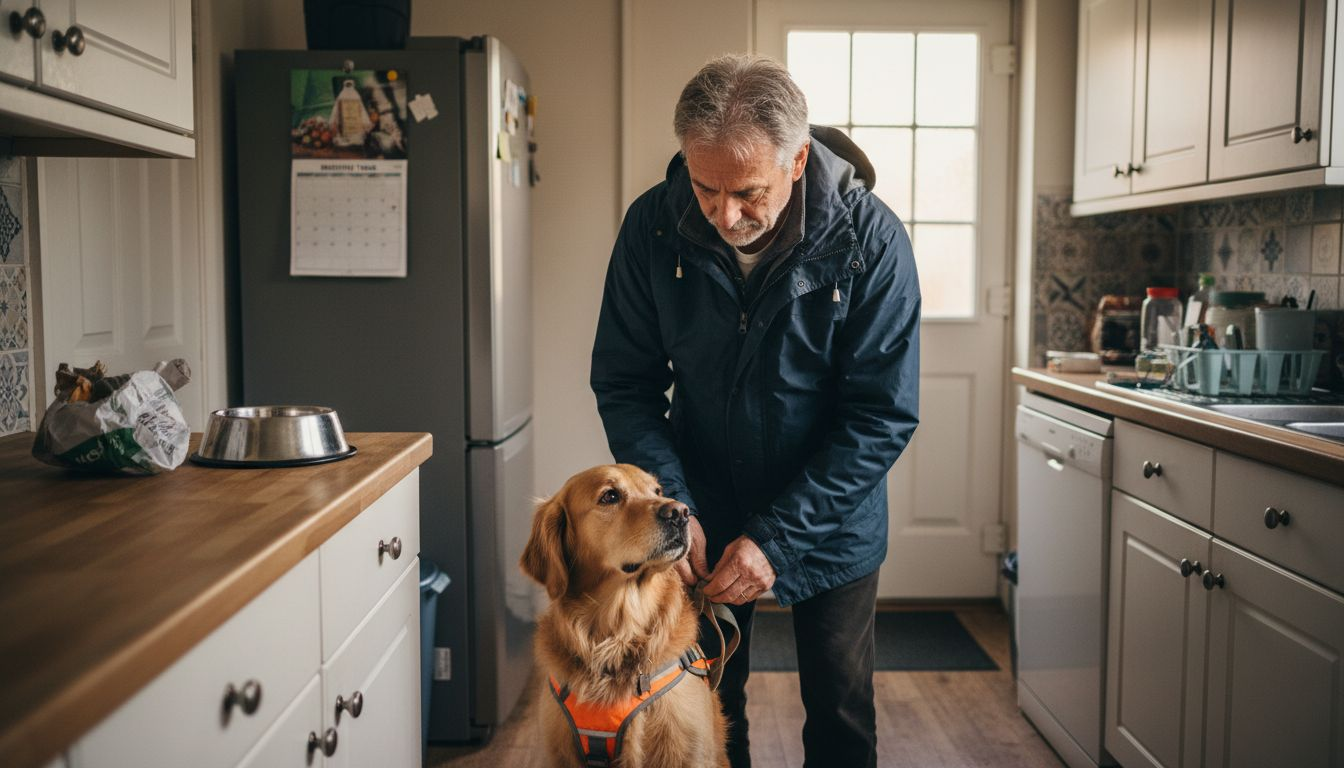
The most effective safety devices typically incorporate several key features. Identification elements are paramount, including visible tags, reflective materials, and clear handler contact information. Advanced cognitive research from canine behavior experts emphasizes the importance of equipment that supports a dog’s cognitive and physical capabilities, suggesting devices should be ergonomically designed, lightweight, and minimally restrictive. Core features often include adjustable harnesses, alert mechanisms, GPS tracking, and communication buttons that enable dogs to signal specific needs or potential emergencies.
Modern dog safety devices are engineered to address diverse scenarios, from service dog assistance to everyday pet management. They must balance functionality with comfort, ensuring the dog can perform its tasks effectively while maintaining freedom of movement. Specialized devices might include sensory alert systems for medical conditions, sound-activated communication tools, and safety mechanisms that help handlers maintain control in crowded or challenging public spaces.
Pro tip: Always test new safety devices in controlled environments to ensure proper fit, comfort, and functionality before using them in public settings.
Legal Rights and Access Requirements
Service dog legal rights represent a critical framework protecting individuals with disabilities and their canine companions. The Americans with Disabilities Act (ADA) establishes comprehensive guidelines ensuring service dogs can accompany their handlers in most public spaces, creating a legal foundation that promotes independence and equal access. These protections extend across various environments, from restaurants and stores to public transportation and government buildings.
Detailed regulations clarify specific access requirements for service dog handlers, emphasizing that businesses can only ask two fundamental questions: whether the dog is a service animal and what specific task it performs. Importantly, handlers are not required to provide certification or detailed medical documentation. Service dogs must remain under control, be harnessed or leashed, and demonstrate behavior that does not compromise public safety. The law explicitly distinguishes between service dogs and emotional support animals, with protections applying only to dogs trained to perform specific disability-related tasks.
Beyond the ADA, additional legal protections exist under the Fair Housing Act and Air Carrier Access Act, which further safeguard service dog handlers’ rights in housing and air travel contexts. These laws recognize that service dogs are not merely pets but essential medical assistive devices that enable individuals with disabilities to navigate public spaces with dignity, independence, and confidence. The legal framework aims to balance the needs of service dog handlers with reasonable public safety considerations, ensuring meaningful access while maintaining appropriate behavioral standards.
Pro tip: Carry a concise, clear explanation of your service dog’s specific task to help facilitate smooth interactions in public spaces.
Risks, Public Etiquette, and Common Mistakes
Public interactions with service dogs require nuanced understanding and respect. Microaggressions against service dog handlers can significantly compromise both the dog’s functionality and the handler’s safety, creating complex social challenges that extend beyond simple misunderstandings. These interactions often stem from well-intentioned but misguided attempts to engage with the dog, potentially disrupting critical working relationships.
According to ADA guidelines, service dogs must maintain strict behavioral standards in public spaces, with businesses retaining the right to exclude animals that are uncontrolled or disruptive. Common mistakes by the public include attempting to pet or distract working dogs, making invasive personal inquiries, or failing to recognize the professional status of these highly trained animals. Handlers frequently encounter situations where their dog’s concentration and critical task performance are undermined by uninformed social interactions.
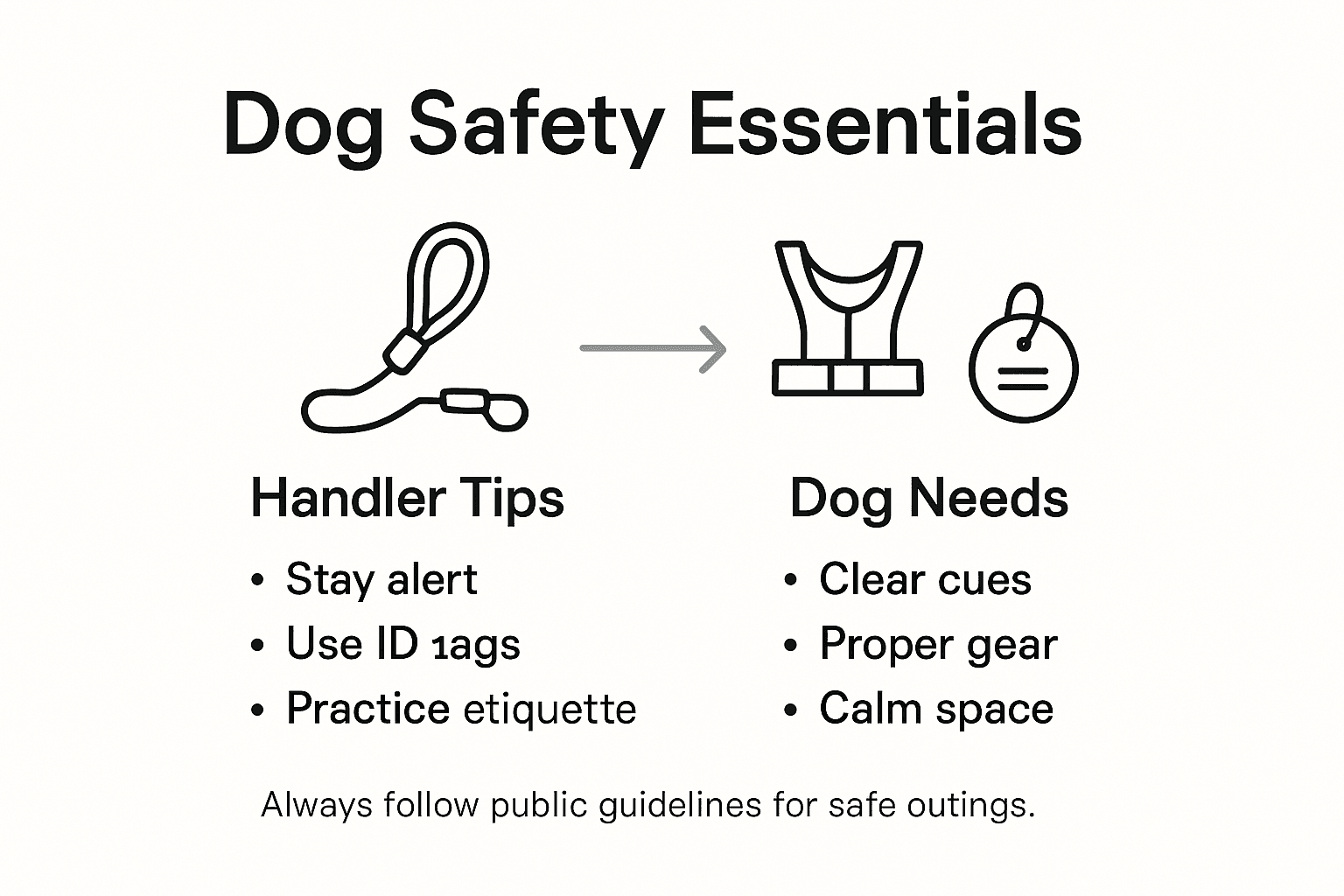
Effective public etiquette demands a fundamental shift in understanding service dogs as professional working animals, not social curiosities. This means respecting boundaries, maintaining physical distance, and understanding that these dogs are not recreational pets but essential medical assistive devices. Handlers must consistently navigate complex social landscapes, balancing their need for assistance with public misconceptions about service animal roles and capabilities.
Pro tip: Always ask permission before interacting with a service dog, and respect the handler’s right to decline without explanation.
This table highlights common public mistakes and recommended etiquette when interacting with service dogs:
| Common Mistake | Negative Impact | Proper Etiquette |
|---|---|---|
| Petting a working dog | Distracts from critical tasks | Always ask handler before interaction |
| Asking intrusive questions | Invades privacy, creates discomfort | Limit questions to dog’s role if needed |
| Distracting with treats | Can damage training and safety routines | Never offer food to a service dog |
| Treating as a pet | Undermines professional status and focus | Respect as a working medical device |
Integrating Alert Devices for Enhanced Safety
Alert devices represent a critical technological advancement in service dog support, enabling more sophisticated communication and safety mechanisms for handlers with diverse disabilities. The Americans with Disabilities Act supports the integration of assistive technologies that enhance service dogs’ ability to provide emergency notifications, recognizing these tools as essential extensions of a service dog’s functional capabilities.
The U.S. Department of Veterans Affairs acknowledges specialized alert systems as critical rehabilitative aids, particularly for handlers with sensory or mobility impairments. Modern alert devices encompass a range of technologies including wearable sensors, vibration-based communication tools, GPS tracking systems, and emergency notification buttons. These devices are designed to provide real-time information, detect potential medical emergencies, and facilitate immediate communication between the dog and its handler or surrounding support network.
Successful integration of alert devices requires careful training and personalization. Each device must be tailored to the specific needs of the handler, considering factors such as the type of disability, environmental challenges, and the specific tasks the service dog performs. Handlers must invest time in comprehensive training to ensure the dog understands how to effectively use the alert mechanism, transforming the device from a technological tool into a seamless extension of the dog’s working capabilities.
Pro tip: Consult with professional service dog trainers to develop a customized alert device integration strategy that matches your specific needs and working environment.
Enhance Dog Safety and Communication with Innovative Solutions
The article highlights the critical challenges faced by service dog handlers and seniors in maintaining safety, clear communication, and independence in public spaces. Common concerns like ensuring effective alerting, preventing distractions, and supporting dog-handler interaction demand tailored, reliable devices. The iPupPee system answers these needs by providing a simple, user-friendly button that empowers dogs to signal their handlers or others during emergencies or everyday moments. This technology bridges communication gaps and reinforces the safety strategies outlined in the article.
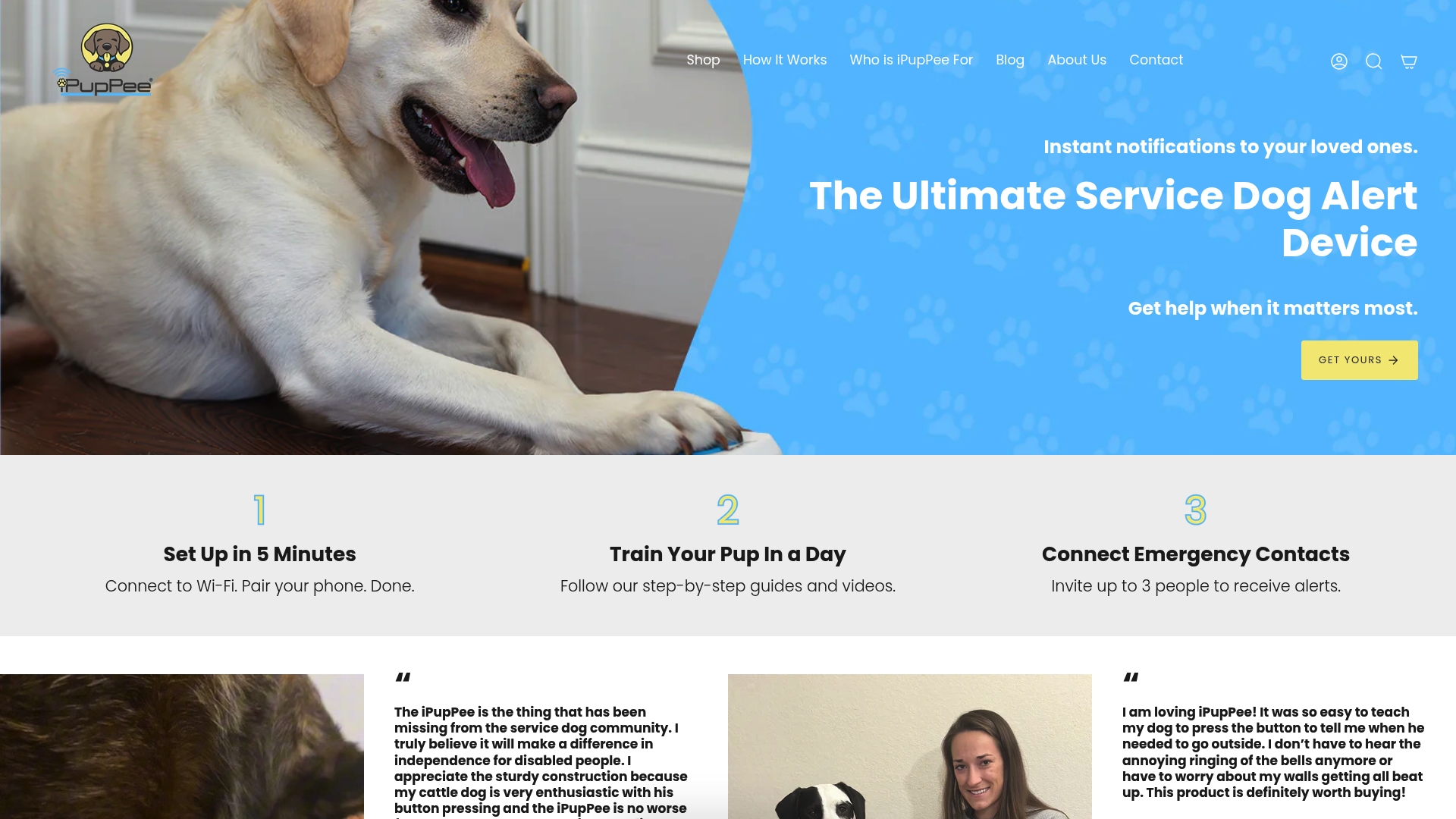
Discover how iPupPee can transform your experience with your service dog or pet by enhancing safety and independence. Start now by visiting the iPupPee official site to explore product details, watch training videos, and read real customer stories. Take the next step toward confident, secure outings for you and your dog today.
Frequently Asked Questions
What are the key safety measures for dog handlers in public spaces?
Key safety measures for dog handlers include utilizing controlled movement zones, maintaining clear behavioral expectations for dogs, and using designated areas that cater to various dog sizes and temperaments. These strategies help ensure safe interactions in public environments.
How can service dog handlers ensure their dogs are properly identified in public?
Service dog handlers should carry visible identification for their dogs, including tags that denote the dog’s service role, and contact information for the handler. This helps to facilitate smoother interactions in public spaces and reinforces the dog’s working status.
What are the recommended features for dog safety devices?
Effective dog safety devices should include identification elements like visible tags and reflective materials, adjustable harnesses for comfort, GPS tracking for location monitoring, and communication tools that enable dogs to signal specific needs or emergencies.
How can the public interact appropriately with service dogs in public areas?
The public should maintain a respectful distance from service dogs, avoid petting or distracting them, and limit inquiries to the dog’s specific role. It’s essential to treat service dogs as working animals rather than pets to ensure they can perform their duties without unnecessary disruptions.
Recommended
- Top Safety Tips for Dog Owners: Essential Guidance for 2025 – iPupPee
- Master Training Dogs for Seniors: A Step-by-Step Guide – iPupPee
- Senior Pet Safety: Keeping Aging Companions Secure – iPupPee
- Complete Guide to Pet Owner Safety Guidelines – iPupPee
- Gelenkgesundheit beim Hund: Tipps zu Bewegung, Gewicht und Ernährung – Blake & Benson