

Most American pet owners are surprised to learn that over half of all dogs will face a significant health issue during their lifetime. For service dog handlers and individuals with disabilities, these risks carry even greater importance, directly affecting daily independence and safety. Understanding which common dog health issues demand attention helps prevent emergencies and builds confidence in caring for your canine partner, whether at home or out in the community.
Table of Contents
- Defining Common Dog Health Issues
- Types of Health Problems In Dogs
- Recognizing Symptoms And Early Signs
- Special Risks For Service Dogs
- Prevention, Safety, And Care Strategies
Key Takeaways
| Point | Details |
|---|---|
| Understand Common Health Issues | Be aware of infectious diseases, genetic disorders, and chronic conditions that can affect your dog’s health. Regular veterinary check-ups are important for early detection. |
| Recognize Symptoms Early | Observe changes in your dog’s behavior or physical condition to catch potential health problems promptly. Maintaining a health journal can help track these changes effectively. |
| Prioritize Preventative Care | Implement a consistent vaccination schedule, proper nutrition, and environmental safety measures to enhance your dog’s wellbeing and prevent health issues. |
| Address Service Dog Health Needs | Service dogs face unique health challenges; ensure they receive specialized care and regular evaluations to maintain their physical and mental health. |
Defining Common Dog Health Issues
Dog health encompasses a complex network of medical challenges that require proactive understanding and management. Common canine health concerns range from infectious diseases to genetic disorders, impacting dogs across different breeds and environments. Understanding these potential health issues is crucial for responsible pet ownership and ensuring your dog’s long-term wellness.
Infectious diseases represent a significant category of dog health problems. Dogs can contract serious conditions like rabies, canine parvovirus, and kennel cough, which can rapidly compromise their immune systems. Veterinary experts recommend regular vaccinations and preventative screenings to mitigate risks associated with these potentially life-threatening illnesses.
Genetic disorders also play a substantial role in canine health challenges. Selective breeding practices have inadvertently introduced genetic predispositions to certain conditions, making some dog breeds more susceptible to specific health problems. This underscores the importance of understanding breed-specific health risks and working closely with veterinary professionals to develop targeted health management strategies.
Pro tip: Schedule annual comprehensive veterinary check-ups to catch potential health issues early and maintain your dog’s optimal wellness.
Types of Health Problems in Dogs
Dogs are susceptible to a wide range of health problems that can significantly impact their quality of life and longevity. Canine diseases span multiple categories, including viral, bacterial, parasitic, and chronic conditions that require careful monitoring and professional veterinary intervention.
Viral infections represent one of the most critical health challenges for dogs. Common canine viral diseases like rabies, distemper, and parvovirus can pose severe threats to a dog’s immune system. These highly contagious conditions can spread rapidly between animals and often require immediate medical attention to prevent potentially fatal outcomes.
Bacterial and parasitic infections also constitute significant health risks. Conditions such as leptospirosis, Lyme disease, and various parasitic infestations can compromise a dog’s overall health, potentially leading to long-term complications if left untreated. Each type of infection requires specific diagnostic approaches and targeted treatment protocols to ensure effective management.
Chronic health issues like cancer, autoimmune disorders, and genetic conditions further complicate canine healthcare. These complex medical challenges often demand specialized veterinary expertise and comprehensive long-term management strategies tailored to the individual dog’s specific needs.
Here’s a summary of common dog health issues by type and their typical impact:
| Health Issue Type | Example Diseases | Main Risks | Common Management Approach |
|---|---|---|---|
| Infectious Diseases | Parvovirus, Rabies | Immune system failure | Vaccination and early detection |
| Genetic Disorders | Hip dysplasia, PRA | Chronic mobility problems | Selective breeding, routine exams |
| Parasitic Infections | Lyme disease, Heartworm | Organ damage, weakness | Regular screenings, parasite control |
| Chronic Conditions | Cancer, Autoimmune disease | Long-term decline, discomfort | Ongoing specialist care, medication |
Pro tip: Maintain a detailed health record for your dog and consult with your veterinarian about breed-specific health screenings to catch potential issues early.
Recognizing Symptoms and Early Signs
Identifying potential health issues in dogs requires keen observation and understanding of subtle changes in their behavior and physical condition. Early symptom recognition is critical for preventing serious health complications and ensuring timely veterinary intervention.
Physical symptoms can provide significant insights into a dog’s overall health. Watch for warning signs such as unexplained weight loss, persistent coughing, changes in appetite, unusual lethargy, or dramatic shifts in energy levels. Visible indicators like skin abnormalities, lumps, unexpected hair loss, or changes in coat quality might signal underlying health problems that demand professional assessment.

Clinical signs of potential diseases extend beyond physical manifestations. Behavioral changes such as increased aggression, sudden anxiety, reluctance to play, or modifications in sleeping patterns can indicate potential medical issues. Dogs experiencing pain or discomfort might demonstrate these subtle behavioral shifts, which conscientious pet owners should carefully monitor.
Emotional and cognitive symptoms are equally important in comprehensive health assessment. Unusual whimpering, decreased interaction with family members, or apparent confusion can suggest neurological concerns or age-related health challenges. Tracking these changes systematically helps veterinarians diagnose and address potential health problems more effectively.
Pro tip: Maintain a weekly health journal documenting your dog’s behavior, appetite, and physical condition to help identify subtle changes quickly.
Special Risks for Service Dogs
Service dogs encounter unique health challenges that distinguish them from typical companion animals. Service dog health risks stem from the intense physical and psychological demands of their critical work, requiring specialized medical attention and comprehensive care strategies.
The physical strain of service work introduces specific health vulnerabilities. These dogs frequently experience increased musculoskeletal stress from repetitive tasks, extended periods of concentration, and complex mobility support. Potential risks include joint damage, muscular fatigue, and heightened exposure to environmental hazards during their daily assistance responsibilities.
Preventive health management becomes paramount for service dogs, given their elevated risk profiles. They face greater exposure to infectious diseases, psychological stress, and potential workplace injuries. Their constant interaction with varied environments and individuals increases their susceptibility to health complications that require proactive monitoring and specialized veterinary interventions.
Psychological well-being represents another critical aspect of service dog health management. The emotional intensity of supporting individuals with disabilities can create unique mental health challenges, potentially leading to burnout, anxiety, or decreased work performance. Handlers must recognize subtle signs of mental and emotional fatigue to maintain their dog’s overall health and professional effectiveness.
Pro tip: Schedule quarterly comprehensive veterinary evaluations specifically designed for service dogs to address their unique health requirements and catch potential issues early.
Prevention, Safety, and Care Strategies
Dog health management requires a comprehensive, proactive approach that addresses multiple dimensions of wellness. Comprehensive pet health strategies encompass preventative care, nutrition, environmental safety, and regular medical monitoring to ensure optimal canine wellbeing.
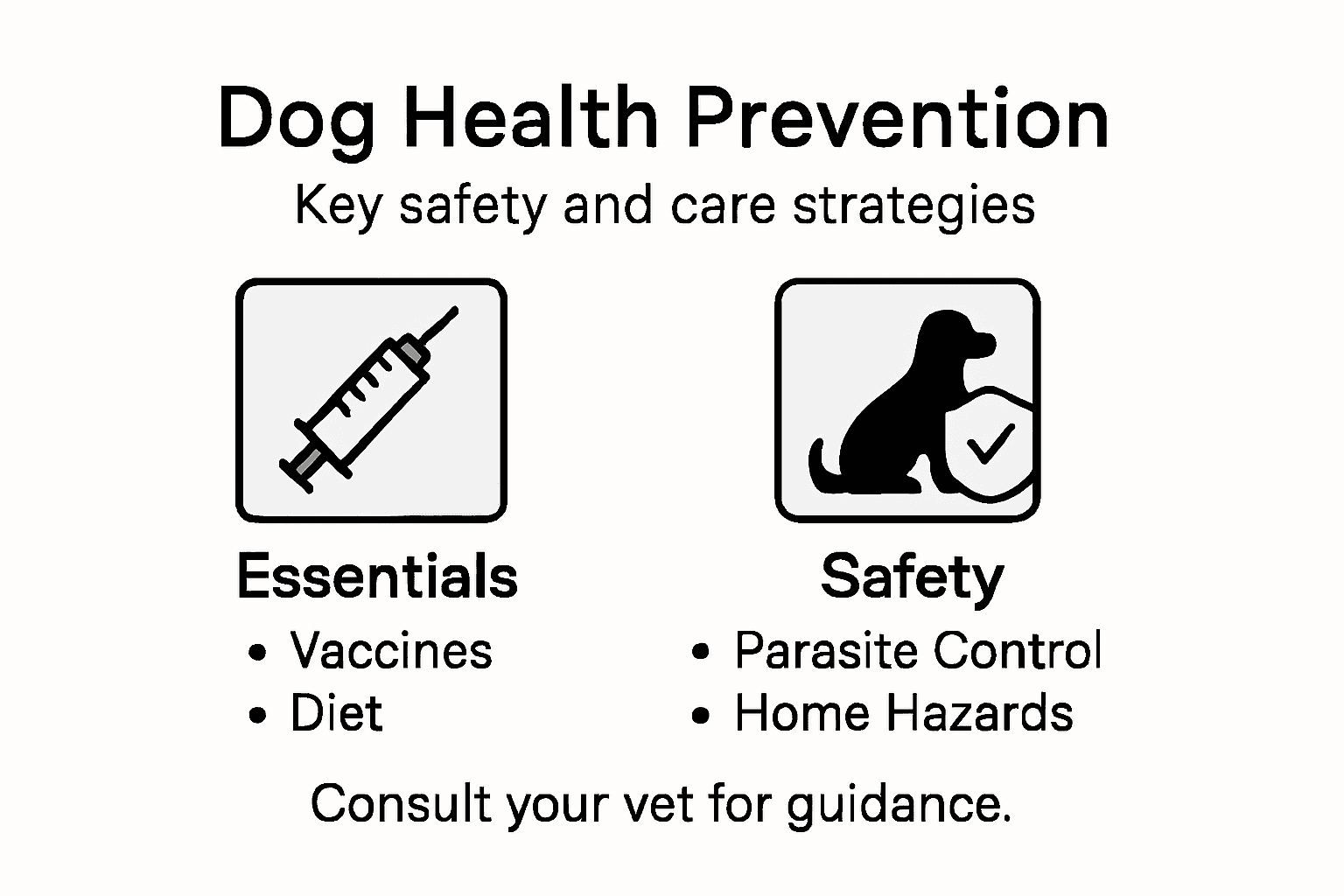
Vaccination and parasite control represent foundational elements of preventative health care. Dogs require consistent immunization schedules to protect against potentially fatal diseases like rabies, distemper, and parvovirus. Regular veterinary screenings help identify potential health risks before they develop into serious conditions, allowing for early intervention and treatment.
Nutritional management plays a critical role in maintaining a dog’s overall health and immunity. A balanced diet tailored to the dog’s age, breed, and specific health requirements provides essential nutrients that support immune function, muscle development, and metabolic processes. This includes selecting high-quality protein sources, appropriate portion sizes, and supplements that address individual health needs.
Environmental safety extends beyond medical interventions. Dog owners must create living spaces that minimize potential health risks, including removing toxic plants, securing hazardous household items, and providing appropriate exercise and mental stimulation. Understanding potential environmental threats and implementing protective strategies can significantly reduce the likelihood of accidental injuries or exposures.
Pro tip: Create a comprehensive health binder for your dog that includes vaccination records, medical history, and emergency contact information for quick reference during health situations.
The table below highlights key prevention and health care strategies for maintaining your dog’s well-being:
| Prevention Strategy | Core Benefit | Example Actions |
|---|---|---|
| Vaccination Schedule | Prevents deadly diseases | Yearly immunizations, record keeping |
| Nutritional Management | Supports immune function | Balanced diet, tailored supplements |
| Environmental Safety | Reduces accidental injuries | Secure toxic items, provide safe exercise |
| Regular Vet Screenings | Enables early problem detection | Annual exams, diagnostic tests |
Enhance Your Dog’s Safety with Smart Communication Solutions
Managing common dog health issues requires not only vigilant observation but also reliable tools that foster clear communication and timely intervention. The challenges highlighted in this article about infectious diseases, chronic conditions, and special risks for service dogs show how crucial it is to ensure your pet can alert you effectively when facing discomfort or emergencies. Addressing these pain points with practical solutions can mean faster responses and peace of mind for every dog owner.

Discover how the innovative alert device from iPupPee empowers dogs and their owners to connect like never before. Designed with safety and independence in mind, this communication tool helps your dog signal needs such as pain, anxiety, or urgent assistance—especially helpful for service dogs or dogs with special health risks. Take control of your pet’s wellness today and learn more about training and benefits by visiting our site. Don’t wait for an emergency to act—explore reliable ways to safeguard your furry companion now at https://ipuppee.com.
Frequently Asked Questions
What are the most common health issues in dogs?
Common health issues in dogs include infectious diseases like rabies and parvovirus, genetic disorders such as hip dysplasia, bacterial and parasitic infections like Lyme disease, and chronic conditions like cancer and autoimmune diseases.
How can I recognize early signs of health issues in my dog?
Early signs of health issues in dogs can include weight loss, persistent coughing, changes in appetite, unusual lethargy, and behavioral changes such as increased aggression or decreased interaction with family members.
What preventive measures can I take to ensure my dog’s health?
Preventive measures include following a consistent vaccination schedule, providing a balanced diet tailored to your dog’s needs, maintaining a safe living environment, and scheduling regular veterinary screenings to catch potential health issues early.
Are service dogs at higher risk for health problems?
Yes, service dogs face unique health challenges due to the physical and psychological demands of their work, which can lead to increased musculoskeletal stress and higher exposure to infectious diseases. Regular evaluations and targeted care are essential for their health management.
Recommended
- The Importance of Dog Safety: What Every Owner Should Know in 2025 – iPupPee
- Understanding Dog Safety at Home: Essential Insights – iPupPee
- Understanding Dog Safety for Beginners: A Complete Guide – iPupPee
- Understanding Dog Safety Awareness for Owners and Handlers – iPupPee
- Understanding Pet Safe Plumbing Tips For Your Home - Legacy Plumbing & Drain - Emergency Plumbers Of Sacramento
- 7 Smart Pet-Friendly RV Resort Concepts to Try