

TL;DR:
- Step-by-step dog recall training involves teaching dogs to come reliably using consistent cues and positive reinforcement. It is a crucial safety skill that prevents dogs from running into traffic or dangerous situations. Proper training includes indoor foundation work, controlled outdoor practice, and gradual exposure to real-world distractions to ensure long-term reliability.
Step by step dog recall training is the process of teaching your dog to come reliably when called, using consistent cues, positive reinforcement, and gradual exposure to distractions. Reliable recall is one of the most important safety skills a dog can have. It protects your dog near traffic, around other animals, and in any situation where you need them back fast. This guide walks you through every stage, from building name recognition indoors to proofing recall in real-world environments, using the best recall training techniques available in 2026.
What do you need before starting step by step dog recall training?
Getting the setup right before your first session makes every step easier. Three things matter most: your recall cue, your rewards, and your environment.
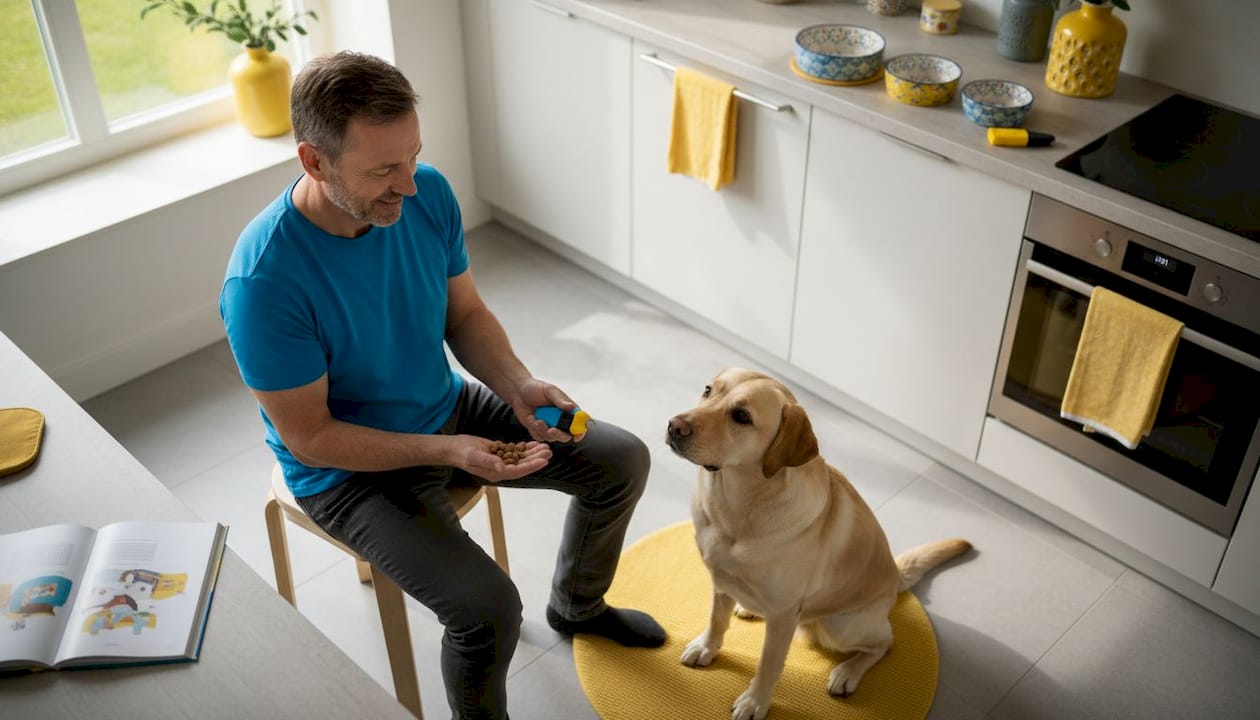
Choose one recall cue and stick with it. Most owners use “come” or a whistle pattern. The word itself does not matter. Consistency does. Switching between “come,” “here,” and “get over here” confuses your dog and slows progress.
Use high-value rewards. Dry kibble works for basic obedience, but recall needs something better. Small pieces of cooked chicken, cheese, or hot dog create the strong motivation your dog needs to choose you over a squirrel.
Control the environment first. Start every new stage in a low-distraction space. Your living room beats your backyard. Your backyard beats a public park. Distractions are a variable you add later, not a starting condition.
Here is a quick reference for the core equipment you need:
| Item | Purpose |
|---|---|
| Single recall cue word or whistle | Consistent signal your dog learns to respond to |
| High-value treats (chicken, cheese) | Strong motivation to return to you |
| 5–10 metre long training line | Safe control during outdoor practice |
| Clicker or marker word (“yes”) | Precise timing to mark the correct behavior |
| Low-distraction starting space | Reduces competing stimuli during early learning |
Your body language and tone matter as much as your equipment. Owner tone and body language are as critical as the verbal cue itself. Crouch down, open your arms, and sound genuinely excited. Your dog reads your energy before they process your words.
How do you train dog recall indoors step by step?
Indoor training builds the foundation. Every reliable outdoor recall starts here. The goal is simple: your dog hears their name or cue and moves toward you without hesitation.
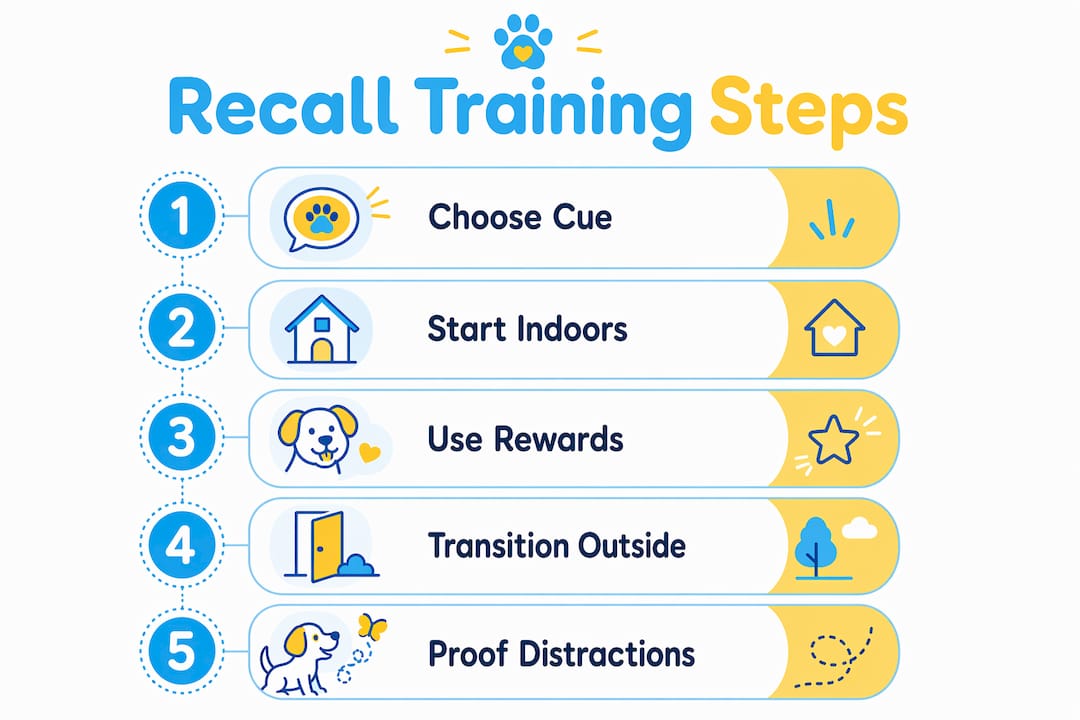
Follow these steps in order:
-
Build name recognition first. Say your dog’s name in a bright, happy tone. The moment they look at you, mark it with a clicker or “yes” and give a treat. Repeat 10–15 times per session, twice daily. Most dogs show consistent head-turning within a few days.
-
Add the recall cue only when your dog is already moving toward you. This is the step most owners skip. Say “come” as your dog takes their first step in your direction, not before. You are pairing the word with the action, not hoping the word creates the action.
-
Mark and reward every return. The moment your dog reaches you, mark with your clicker or “yes” and deliver the treat at your body, not in front of you. Rewarding at your body teaches your dog to come all the way in, not stop two feet away.
-
Practice in multiple rooms. Once your dog responds reliably in the living room, move to the bedroom, the hallway, and the kitchen. Generalizing the behavior across spaces prevents your dog from thinking recall only works in one spot.
-
Keep sessions short and frequent. Short, frequent sessions produce better learning than long, exhausting ones. Five minutes twice a day beats thirty minutes once a week.
Pro Tip: Never call your dog for something unpleasant during training, like a bath or nail trim. Every recall must predict something good. If you need your dog for something they dislike, go get them instead of calling them.
How do you transition recall training to outdoor spaces?
Moving outside is where recall training gets real, and where most owners make their biggest mistakes. The key tool for this stage is a 5–10 metre long training line. It gives your dog the feeling of freedom while keeping you in control.
Clip the long line to a well-fitted harness, not a collar. Let your dog move and sniff naturally. When they are mildly engaged but not fixated on something, call them once in your most excited voice. If they turn and come, reward generously. If they ignore you, gently reel the line in without repeating the cue.
This last point is critical. Repeating the recall cue multiple times teaches your dog that the first call is optional. Say it once. Use the line if needed. Then reward the return regardless of how much guidance it took.
Here is how to structure your outdoor sessions:
- Start in a quiet backyard or low-traffic park, not a busy dog park.
- Call your dog during mild distractions: sniffing grass, watching a bird from a distance.
- Reward every single return generously, even if you reeled them in.
- Gradually increase distraction level only after three to five successful sessions at the current level.
- Never remove the long line until recall is reliable at that distraction level.
Pro Tip: After your dog returns to you, reward them and then release them back to play immediately. This prevents recall from predicting the end of fun. Intermittent reinforcement keeps recall rewarding long-term.
The long line also protects you from a training trap called “rehearsing ignoring.” Every time your dog ignores a recall and you do nothing, they practice the wrong behavior. The long line eliminates that option entirely.
How do you proof recall against real-world distractions?
Proofing is the stage where you test recall against the conditions your dog will actually face. This is also where most owners fail, because they remove the long line too soon or add too many distractions at once.
The rule is simple: if your dog cannot succeed at the current level, drop back one level. Struggling is not a training opportunity. It is a sign you moved too fast.
Work through distractions in roughly this order, spending multiple sessions at each level before advancing:
- Other people at a distance, then closer
- Other dogs on leash, then off leash in a controlled space
- Wildlife like birds or squirrels at a distance
- High-energy environments like parks or trails
One advanced technique that pays off significantly is a separate emergency recall cue. An emergency recall cue is a word or whistle you never use casually and always reward with the best treat your dog has ever received. Train it in low-distraction settings first, then proof it carefully. Reserve it for genuine emergencies.
Watch for signs that recall is slipping: your dog pauses before turning, takes a slow route back, or stops two feet short of you. These are early warnings. Rebuild with easier setups and higher rewards before the behavior deteriorates further.
Separating recall from collar grabbing also matters at this stage. Many dogs learn to avoid coming all the way in because the owner always grabs their collar immediately. Practice touching the collar, rewarding, and releasing your dog without ending the interaction. This removes the avoidance trigger entirely. For more on reading your dog’s responses during training, the dog body language guide from Ipuppee covers stress signals that can tell you when your dog is struggling before they shut down.
Key Takeaways
Reliable recall is built on a history of positive reinforcement, not repetition or frustration. Every stage of this process depends on that foundation.
| Point | Details |
|---|---|
| Start indoors with name recognition | Practice 10–15 repetitions per session, twice daily, before adding the recall cue. |
| Add the cue at the right moment | Say “come” only when your dog is already moving toward you to pair word with action. |
| Use a long line outdoors | A 5–10 metre line maintains control and prevents your dog from rehearsing ignoring. |
| Call once, never repeat | Repeating the cue teaches your dog that early calls are optional. |
| Proof gradually with distractions | Drop back one level whenever your dog struggles instead of pushing through failure. |
What I have learned after years of watching recall training go wrong
The single most common mistake I see is owners calling their dog repeatedly when the dog does not respond. “Come. Come! Come here! Come!” Every extra call tells the dog that the first one did not really mean anything. The cue loses its urgency fast, and once that happens, rebuilding it takes weeks.
The second mistake is pulling the long line too soon. Owners see a few good recalls in the backyard and decide the dog is ready for the off-leash dog park. That jump skips five or six distraction levels. The dog ignores the recall, the owner gets frustrated, and the training relationship takes a hit. The long line is not a crutch. It is a training tool you keep using until the behavior is genuinely solid.
What actually works is boring to talk about but effective in practice: short sessions, one cue, high rewards, and patience. The dogs I have seen with the most reliable recalls belong to owners who made recall the best thing that ever happens to their dog, every single time. They never called their dog for something unpleasant. They always rewarded the return. They kept the long line on longer than felt necessary. The step-by-step communication guide from Ipuppee reinforces this same principle: clarity and consistency in every signal you give your dog builds the trust that makes training work.
Recall is not a trick. It is a relationship skill. The more your dog trusts that coming to you is always the right choice, the faster they will make that choice.
— Andrew
Ipuppee resources that support your training progress
Dog recall training does not stop at “come.” Once your dog responds reliably, the next step is building a full communication system that keeps them safe in any situation.
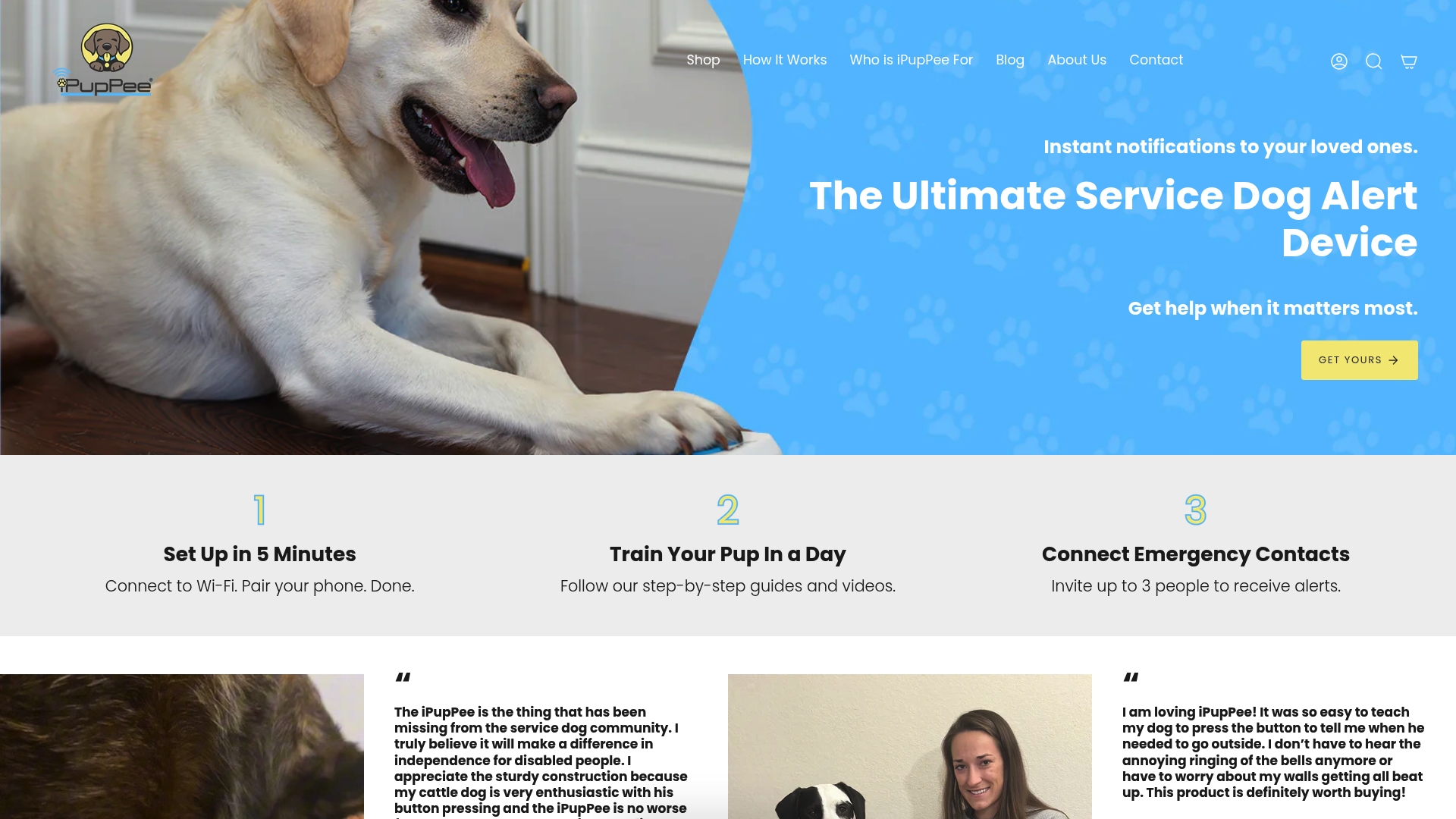
Ipuppee offers training guides and resources designed for dog owners who want more than basic obedience. The iPupPee device gives dogs a way to signal their needs with a simple button press, which is especially useful for service dog handlers, seniors, and anyone living alone who depends on their dog for safety alerts. Pair that with the training foundation you have built here, and you have a dog that not only comes when called but can also communicate back. Visit Ipuppee to see the full range of tools and guides available.
FAQ
How long does it take to train a reliable recall?
Most dogs show consistent indoor recall within one to two weeks of daily practice. Reliable outdoor recall under distractions typically takes several months of progressive training.
Should I use a clicker for recall training?
A clicker works well because it marks the exact moment of the correct behavior with precision. A consistent marker word like “yes” works equally well if you do not have a clicker.
What if my dog ignores the recall cue?
Say the cue once and use the long line to guide your dog back gently. Never repeat the cue. Reward the return regardless of how much help was needed.
Can I train recall with an older dog?
Older dogs learn recall just as effectively as puppies. The process takes the same steps. Patience and consistent positive reinforcement work at any age.
Why does my dog come inside but not outside?
Outdoor environments have far more competing distractions than indoor spaces. Drop back to low-distraction outdoor settings and rebuild with the long line before increasing difficulty.