

A simple command can mean the difference between safety and uncertainty for service dog teams. As an American handler, you know reliable communication with your dog is more than giving orders—it is about building a responsive partnership shaped by trust and understanding. Modern research shows dogs can functionally respond to complex emotional and referential signals, making advanced tools and techniques vital. This guide highlights the best methods and innovations for sharper, safer signal response and greater independence.
Table of Contents
- What Signal Response Means For Dogs
- Types Of Signals And Communication Methods
- Key Characteristics Of Effective Training
- Devices That Enhance Dog Signal Response
- Risks, Mistakes, And Best Practices
Key Takeaways
| Point | Details |
|---|---|
| Signal Response Significance | Dogs excel at interpreting human cues, showcasing their social intelligence and enhancing their ability to support handlers. |
| Training Methods | Employ positive reinforcement techniques to foster trust and cooperation between dogs and handlers. |
| Communication Nuances | Understand the various communication signals dogs use to convey their emotions and needs for more effective interactions. |
| Technological Enhancements | Utilize wearable technologies to improve communication, monitor health, and facilitate advanced signal recognition in service dogs. |
What Signal Response Means for Dogs
Dogs possess an extraordinary ability to comprehend and respond to human communication signals, far beyond simple command recognition. Signal response represents a sophisticated cognitive process where canines interpret and react to nuanced human cues, demonstrating remarkable social intelligence. Dogs functionally respond to complex emotional signals that extend well beyond basic verbal instructions.
At its core, signal response involves a dog’s ability to read and process multiple communication channels simultaneously. This includes understanding physical gestures, vocal tone, facial expressions, and contextual environmental cues. Research indicates that dogs can detect referential communication signals with remarkable precision, allowing them to navigate complex social interactions effectively. Their capacity to interpret these signals demonstrates a level of communicative intelligence that sets them apart from many other animal species.
For service dog handlers, understanding signal response becomes critically important. These highly trained dogs must not only recognize specific commands but also read subtle emotional and physical cues from their handlers. This advanced communication allows them to provide assistance that goes beyond mechanical task completion, creating a dynamic, responsive partnership. Signal response enables dogs to anticipate needs, recognize potential dangers, and provide support that feels intuitive and deeply connected.
Pro tip: Practice consistent, clear hand signals and emotional cues during training to help your dog develop more nuanced signal response capabilities.
Types of Signals and Communication Methods
Dogs possess a sophisticated and intricate system of communication that extends far beyond simple verbal commands. Multimodal communication strategies reveal dogs utilize a complex array of signals including visual, acoustic, olfactory, and tactile methods. These communication channels allow dogs to convey nuanced information about their emotional state, intentions, and immediate needs with remarkable precision.
Visual signals represent the most prominent communication method for dogs interacting with humans. Body language plays a critical role, with ear positions, tail movements, eye contact, and overall posture serving as key indicators of a dog’s internal state. Acoustic signals like barking, whining, and growling provide additional context, with pitch, volume, and frequency communicating everything from excitement to potential threat perception. Interspecies communication techniques demonstrate how dogs adapt their signaling based on environmental conditions and social dynamics.
Here’s a summary of common dog communication signals and their meanings:
| Signal Type | Example Signal | Typical Meaning |
|---|---|---|
| Visual | Tail wagging | Friendliness or excitement |
| Acoustic | Low growl | Discomfort or warning |
| Tactile | Pawing at handler | Request for attention |
| Olfactory | Sniffing people | Gathering social information |
For service dog handlers, understanding these communication nuances becomes paramount. Different signal types can indicate a dog’s readiness to perform tasks, potential health concerns, or environmental warnings. Some dogs develop specialized communication methods with their handlers, creating a unique language that transcends traditional training protocols. This personalized communication system allows for intuitive and responsive interactions that go beyond standard command-response frameworks.
Pro tip: Practice observing your dog’s subtle body language signals during different scenarios to develop a more intuitive understanding of their communication patterns.
Key Characteristics of Effective Training
Effective dog training fundamentally relies on understanding canine learning mechanisms and implementing scientifically validated approaches. Positive reinforcement methods have emerged as the gold standard in modern training techniques, demonstrating superior outcomes in behavioral development and obedience compared to traditional punitive approaches. These methods prioritize rewarding desired behaviors rather than punishing unwanted actions, creating a more supportive and engaging learning environment for dogs.
Understanding associative learning is crucial for successful training outcomes. Dogs learn through classical and operant conditioning, which means they develop behavioral responses based on consistent environmental interactions and meaningful consequences. Dog training fundamentals emphasize gradual desensitization, where complex behaviors are broken down into smaller, manageable steps. This approach allows dogs to build confidence, reduce stress, and develop reliable response patterns that can be consistently reinforced.
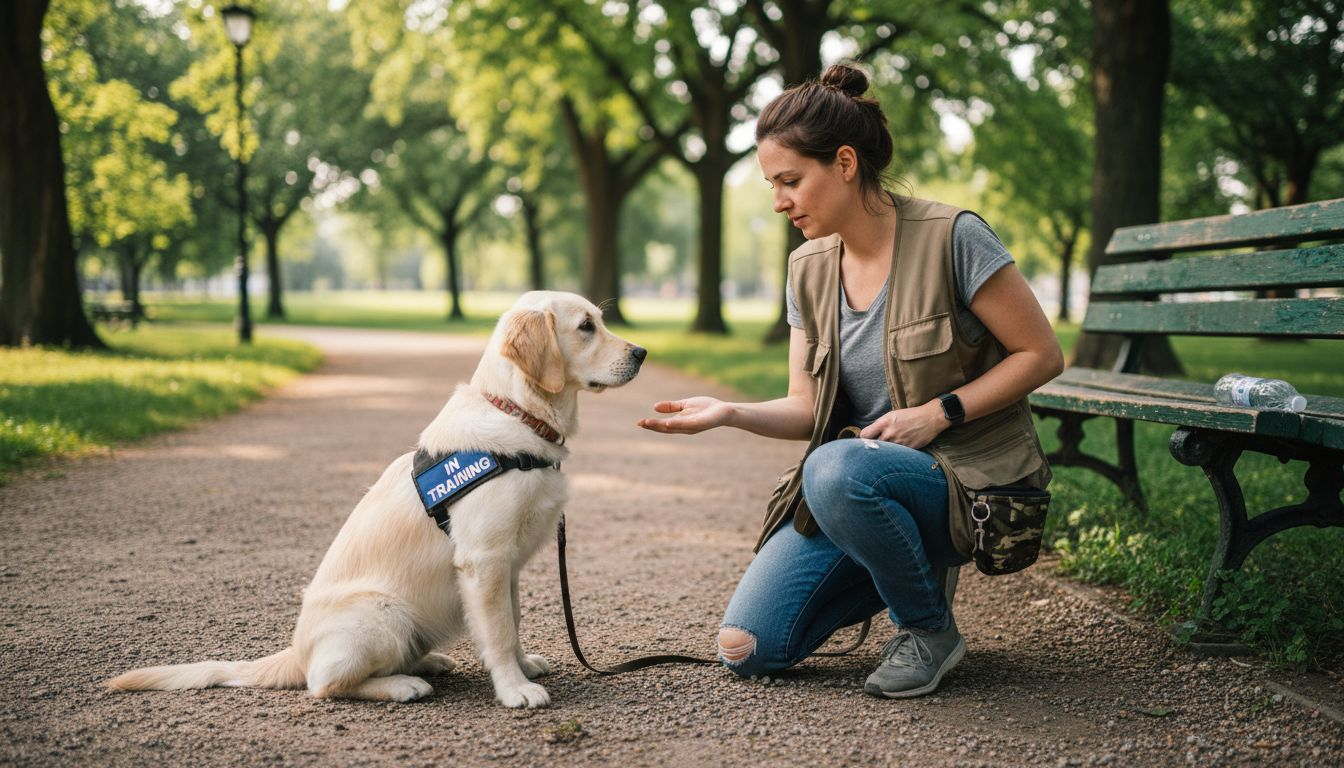
For service dog handlers, training effectiveness hinges on several critical characteristics. These include maintaining consistent communication, using high-value rewards unique to each dog’s preferences, establishing clear boundaries, and practicing patience during skill acquisition. The training process should be tailored to the individual dog’s temperament, learning style, and specific task requirements, recognizing that no single approach works universally across all dogs.
Compare how positive reinforcement and punitive training impact dogs:
| Training Method | Dog Response | Handler-Dog Relationship |
|---|---|---|
| Positive Reinforcement | Willing, motivated | Trusting and engaged |
| Punitive/Aversive | Fearful, hesitant | Stressed, less cooperative |
Pro tip: Record your training sessions to analyze your dog’s progress and identify subtle communication patterns that can enhance your training effectiveness.
Devices That Enhance Dog Signal Response
Technology has revolutionized how dogs communicate and respond to signals, particularly for service and working dogs who require advanced interaction methods. Wearable technologies for dogs now integrate sophisticated sensors and communication features that dramatically improve their ability to transmit and receive critical information. These innovative devices can monitor health metrics, track location, and facilitate more nuanced command transmission across various challenging environments.
Modern communication devices leverage deep learning and artificial intelligence to interpret canine signals with unprecedented accuracy. Advanced signal recognition technologies enable real-time monitoring of a dog’s vocalizations, body movements, and physiological responses. This technological approach allows handlers to understand their dogs’ communication more comprehensively, bridging potential communication gaps and enhancing mutual understanding.
For service dog handlers, these technological interventions represent more than mere convenience. They provide critical tools for independence, safety, and enhanced communication. Devices can now translate complex physiological signals into actionable information, helping handlers anticipate medical emergencies, detect environmental threats, and support dogs in performing specialized tasks with greater precision and reliability.
Pro tip: Research and select communication devices specifically designed for your dog’s unique working context and individual needs.
Risks, Mistakes, and Best Practices
Navigating dog signal response requires a nuanced understanding of potential pitfalls and strategic approaches. Training method implications reveal that punitive or aversive training techniques can significantly compromise a dog’s welfare and behavioral development. Handlers must recognize that harsh methods not only damage the dog’s trust but also create long-term psychological barriers to effective communication and signal response.
Common mistakes in dog signal training include inconsistent communication, overcomplicating instructions, and failing to recognize individual dog temperaments. Service dog handlers must develop a keen awareness of their dog’s unique learning style, stress signals, and communication preferences. This means adapting training techniques to suit each dog’s personality, avoiding one-size-fits-all approaches that can lead to frustration and reduced signal responsiveness.
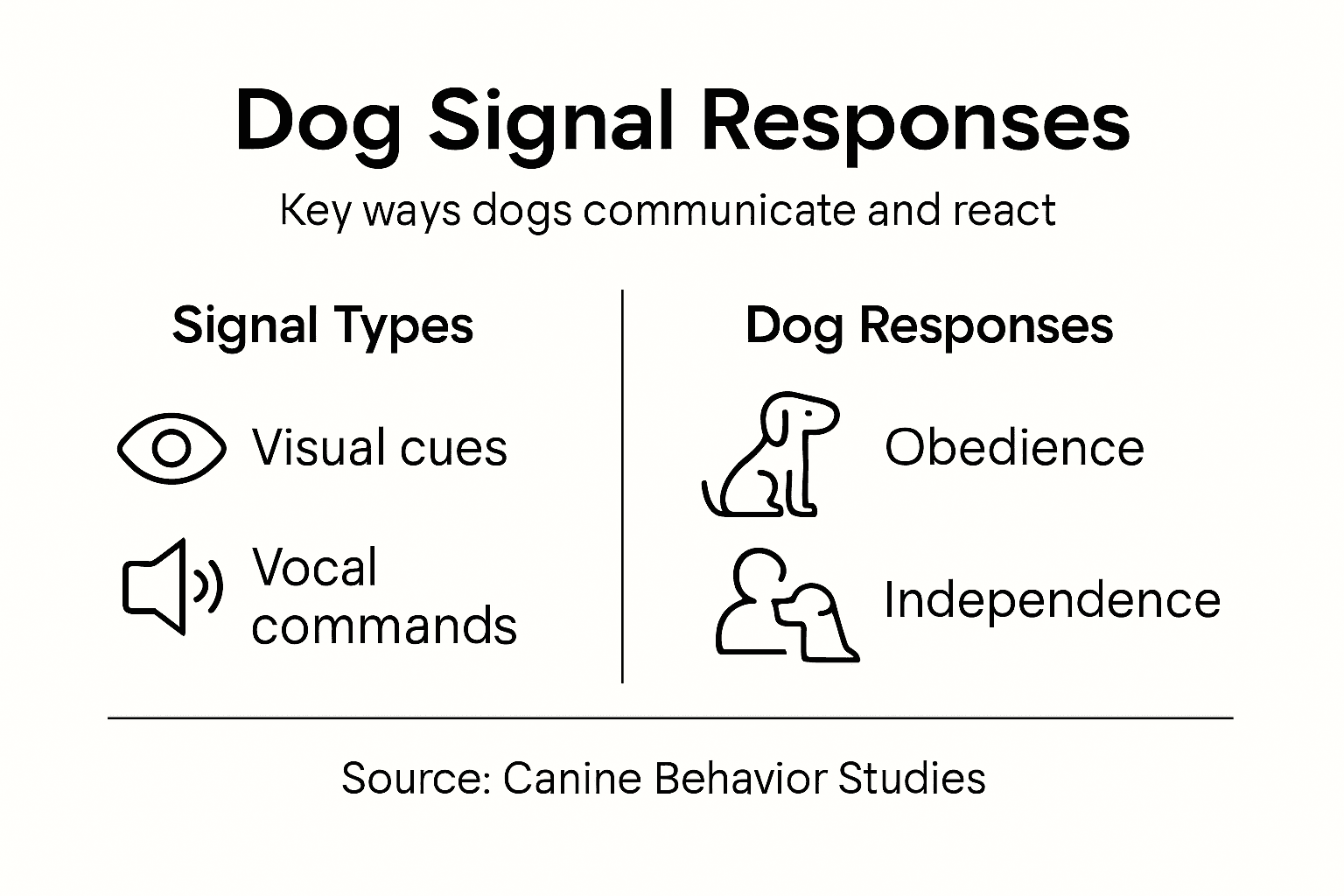
Best practices demand a holistic approach to signal training that prioritizes positive reinforcement, patience, and consistent communication. This involves breaking down complex signal responses into manageable steps, using high-value rewards, and creating a supportive learning environment that builds the dog’s confidence. Successful handlers understand that signal response is a collaborative process that requires mutual respect, clear boundaries, and ongoing refinement of communication strategies.
Pro tip: Maintain a training journal to track your dog’s signal response progress, documenting subtle improvements and identifying areas that need targeted attention.
Enhance Your Dog’s Signal Response for Greater Independence and Safety
Understanding how dogs respond to signals is crucial for fostering independence and effective communication, especially for service dog handlers and pet owners navigating nuanced cues. The challenges of interpreting multiple communication channels like visual gestures, vocal tones, and tactile signals call for innovative solutions that simplify this complex interaction. The article highlights the importance of clear signaling and emotional connection, addressing pain points such as inconsistent communication and the need for tools that support reliable responses.
At ipuppee.com, we provide the iPupPee alert device specifically designed to bridge the communication gap between dogs and humans. This simple button press device empowers dogs to initiate signals, enhancing their ability to convey needs independently and creating stronger bonds with their handlers. By combining signal response training with our innovative technology, you can ensure your dog’s cues are understood accurately, improving safety and confidence for both you and your dog.
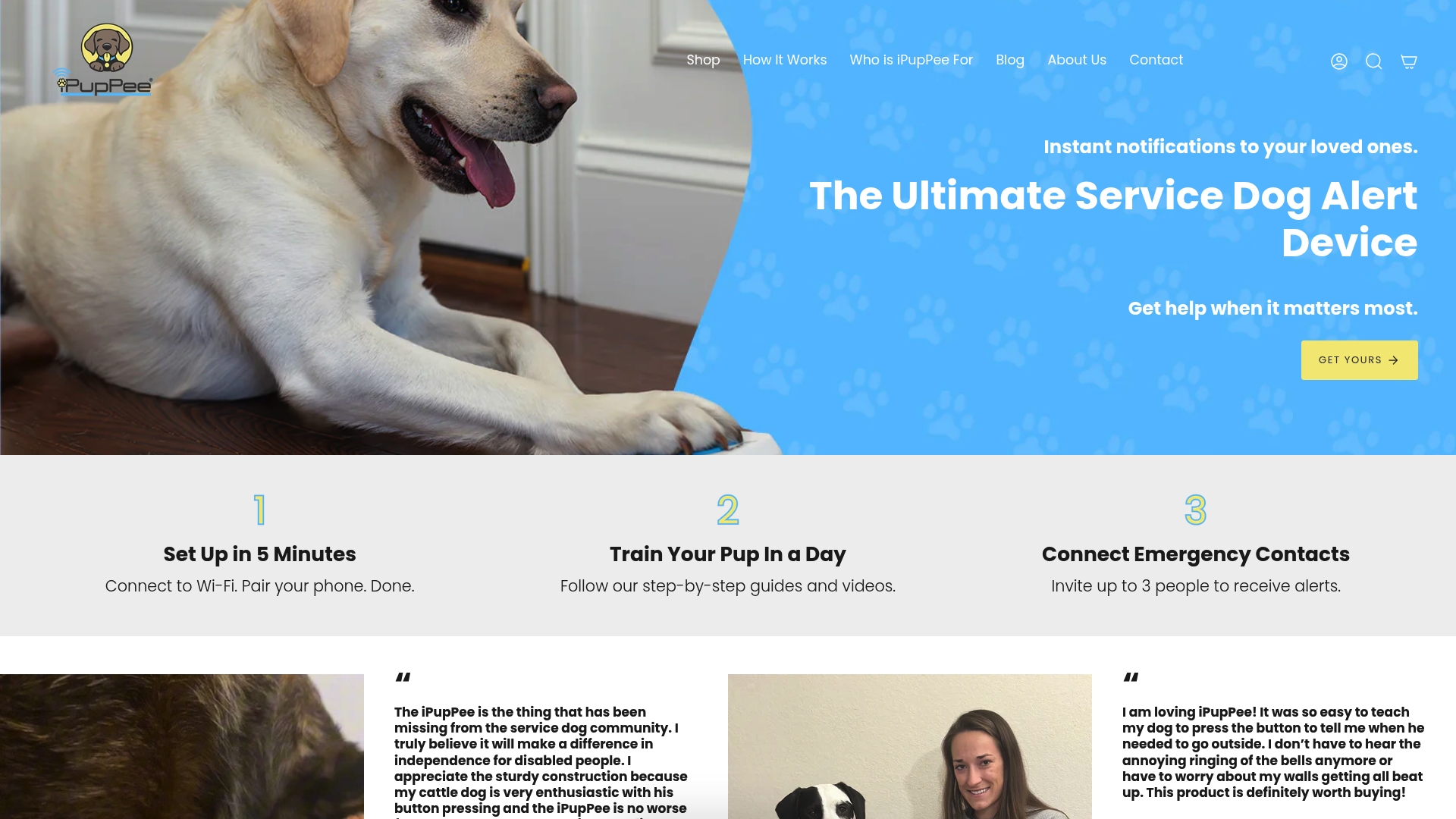
Experience the difference that clear communication makes. Visit ipuppee.com today to discover how the iPupPee can transform your dog’s ability to respond to signals. Take the first step towards greater independence and peace of mind by exploring our product details, training resources, and customer success stories now.
Frequently Asked Questions
How do dogs interpret human signals?
Dogs interpret human signals through a combination of visual, acoustic, olfactory, and tactile methods, allowing them to understand emotional cues and intended commands with high precision.
What techniques can enhance a dog’s signal response abilities?
Enhancing a dog’s signal response abilities involves consistent training with clear hand signals, positive reinforcement methods, and practicing observation of their body language in varied environments.
Why is understanding signal response important for service dog handlers?
Understanding signal response is crucial for service dog handlers as it allows them to communicate effectively with their dogs, anticipate their needs, and ensure that dogs can respond to various situations and tasks reliably.
What role do wearable technology devices play in dog signal response?
Wearable technology devices improve dog signal response by integrating sensors that monitor health metrics, track locations, and interpret physical and vocal signals, facilitating better communication and understanding between handlers and dogs.