

Nearly one in seven dogs suffers from anxiety each year, affecting their happiness and health. When your dog shows signs like trembling or obsessive pacing, it can be hard to know how to help. Recognizing specific triggers, creating a comforting home, and using natural solutions make a real difference. Gaining these skills can ease your dog’s stress and help you both enjoy a more peaceful daily life together.
Quick Summary
| Key Point | Explanation |
|---|---|
| 1. Identify anxiety triggers promptly | Track specific situations that cause anxiety in your dog, noting location and circumstances for further analysis. |
| 2. Create a calming environment | Design a secure space with a consistent routine, soothing sounds, and comfortable settings to help reduce anxiety. |
| 3. Use natural anxiety relief methods | Incorporate regular exercise and mental stimulation, along with natural remedies to promote relaxation and peace. |
| 4. Implement positive training techniques | Focus on rewarding good behavior rather than punishment to build trust and reduce stress during training sessions. |
| 5. Monitor progress and adjust strategies | Keep a detailed journal of your dog’s behaviors and responses, modifying your approach based on observable changes over time. |
Table of Contents
- Step 1: Identify Anxiety Triggers And Patterns
- Step 2: Create A Safe And Calming Environment
- Step 3: Introduce Natural Anxiety Relief Methods
- Step 4: Implement Positive Training And Communication
- Step 5: Validate Progress And Adjust Strategies
Step 1: Identify anxiety triggers and patterns
Understanding your dog’s anxiety starts with becoming a detective of their emotional landscape. In this step, you’ll learn how to recognize and track the specific situations that spark anxiety in your furry friend.
Observing your dog’s body language is crucial. According to PetMD, anxiety symptoms can include subtle signals like lip licking, excessive yawning, trembling, pacing, and rapid panting. These are your dog’s way of communicating stress.
Start by creating a detailed journal. Track every instance where you notice anxious behaviors. Note the time, location, surrounding circumstances, and specific triggers. Was it a loud noise? A new person? A change in routine? Document everything meticulously.
Common anxiety triggers include:
Here’s a summary of common anxiety triggers and their identifying signs:
| Trigger | Common Signs | Typical Circumstances |
|---|---|---|
| Separation from owners | Whining Pacing<br(Restlessness |
Leaving for work Being left alone |
| Unfamiliar people or animals | Hiding Trembling Excessive barking |
Guests visiting Walking in public |
| Loud sounds (thunder/fireworks) | Panting Shaking Seeking shelter |
Storms Fireworks displays |
| Changes in routine | Excessive yawning Pacing Clinginess |
Moving Schedule changes |
| Car rides | Salivation Whining Panting |
Traveling to vet Errands |
| Veterinary visits | Trembling Trying to escape Shedding |
Annual checkup Vaccinations |
| Kennels or boarding environments | Barking Refusing food Withdrawal |
Boarding stays Daycare visits |
- Separation from owners
- Unfamiliar people or animals
- Loud sounds like thunderstorms or fireworks
- Changes in household routine
- Car rides
- Veterinary visits
- Kennels or boarding environments
Pro tip: Work closely with your veterinarian during this process. They can help rule out potential medical issues that might be contributing to your dog’s anxiety and provide professional insights into your observations.
By systematically tracking these patterns, you’ll develop a comprehensive understanding of what makes your dog feel anxious. This knowledge is your first powerful step toward helping them feel more secure and comfortable.
Step 2: Create a safe and calming environment
Now that you understand your dog’s anxiety triggers, it is time to transform your home into a sanctuary of peace and security. This step will help you design an environment that helps your furry friend feel protected and relaxed.
According to PetMD, establishing a consistent daily schedule is crucial for reducing stress. Dogs thrive on predictability. Create a routine that includes regular feeding times, exercise sessions, play periods, and consistent sleep schedules.
Design a dedicated safe space for your dog. This could be a cozy corner with a comfortable bed, a quiet room, or a soft kennel where they can retreat when feeling overwhelmed. Read more about creating safe spaces in our guide on dog safety.
Utilize calming sensory tools to enhance their environment:
- Play soft classical music or white noise
- Use pet-specific pheromone sprays
- Maintain a quiet and stable atmosphere
- Ensure comfortable room temperature
When introducing new elements, do it gradually. Some dogs are sensitive to changes, so take your time helping them adjust to their new calming environment.
Pro tip: Pay attention to your own energy. Dogs are incredibly perceptive and can sense your emotional state. Stay calm and reassuring to help your dog feel more secure.
By creating a predictable, soothing environment, you are laying the groundwork for helping your dog manage anxiety naturally. Your next step will be exploring specific relaxation techniques that can further support their emotional well being.
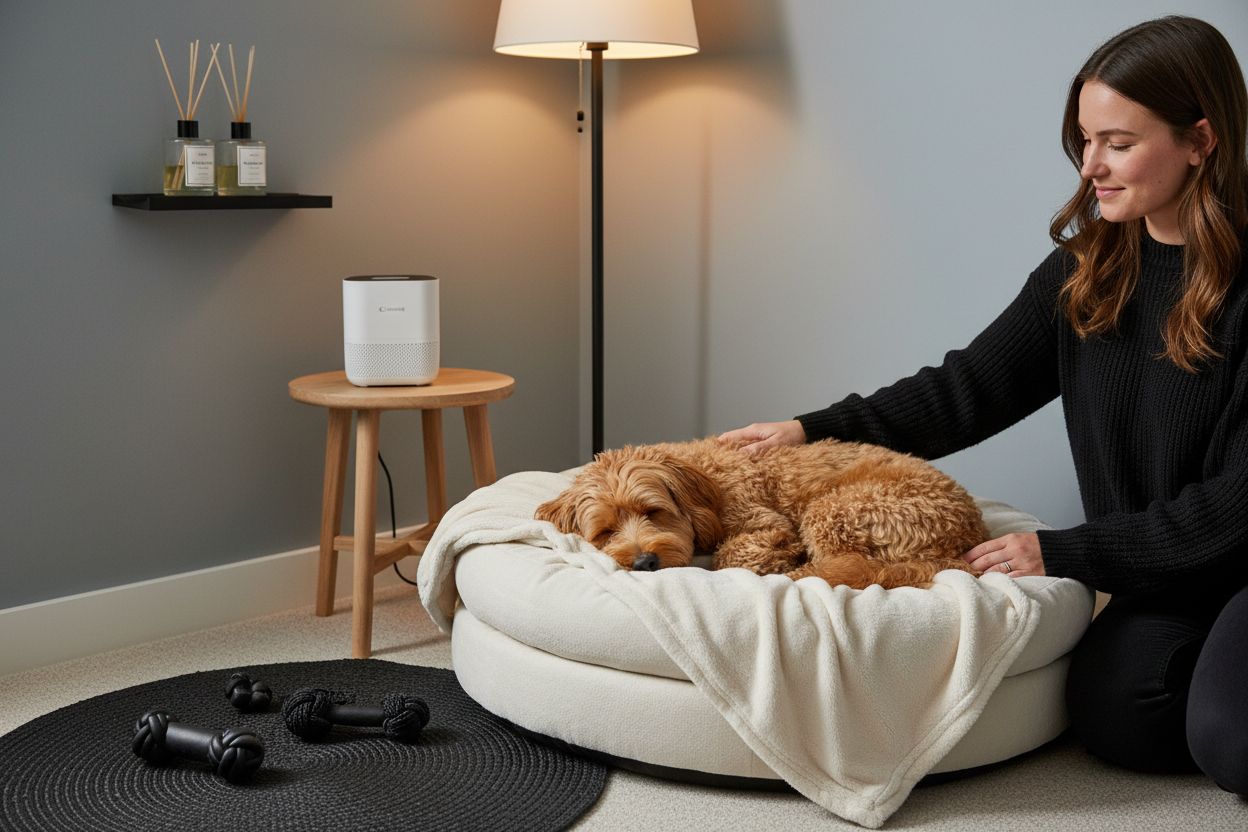
Step 3: Introduce natural anxiety relief methods
With a calm environment established, you are now ready to explore gentle and effective natural approaches to soothing your dog’s anxiety. This step will introduce you to holistic techniques that can help your furry friend feel more relaxed and secure.
Exercise is your first powerful tool. According to holistic veterinary research, regular physical activity helps release endorphins and reduces stress. Plan daily walks, play sessions, or interactive games that challenge both body and mind.
Mental stimulation is equally important. Introduce puzzle toys, scent work, and training games that keep your dog engaged. These activities not only distract from anxiety but also build confidence and provide a sense of accomplishment.
Natural remedies can offer additional support:
- Calming herbal supplements like passionflower
- L‑Theanine for promoting relaxation
- Melatonin for better sleep patterns
- Pheromone diffusers and sprays
Consider using safety tools like our communication devices to help your dog feel more secure during anxious moments.
Pro tip: Always consult with your veterinarian before introducing any new supplements or significant changes to your dog’s routine. Each dog is unique and may respond differently to natural anxiety treatments.
By combining these natural methods thoughtfully, you are creating a comprehensive approach to managing your dog’s anxiety.
Your next step will involve monitoring progress and adjusting strategies as needed.
Step 4: Implement positive training and communication
Your journey to helping your anxious dog now moves into a critical phase of building trust and emotional resilience through intentional communication. This step focuses on transforming training from a potential source of stress into an opportunity for connection and confidence.
According to Dr. Ian Dunbar’s positive training methods, the key is rewarding desired behaviors with treats and praise rather than punishing unwanted actions. This approach helps your dog feel safe and motivated during training sessions.
Explore our comprehensive guide on dog training fundamentals to understand the nuances of effective communication. Focus on clear signals and consistent expectations. Break down complex commands into small manageable steps and celebrate each tiny victory.
Observe and respect your dog’s body language throughout training:
- Watch for signs of stress or discomfort
- Keep sessions short and positive
- Use a calm and encouraging tone
- Reward even small improvements
Remember that each interaction is an opportunity to build trust. Patience and consistency are your most powerful tools in helping an anxious dog feel secure.
Pro tip: Your emotional state directly impacts your dog. Stay calm and positive to help them feel safe and supported during training.
By implementing these gentle communication strategies, you are creating a foundation of trust that will help your dog manage anxiety more effectively. Your next step involves ongoing assessment and gentle adjustment of these techniques.
Step 5: Validate progress and adjust strategies
You have invested significant effort in helping your dog manage anxiety. Now comes a critical phase of carefully monitoring your progress and making informed adjustments to your approach.
According to PetMD, tracking anxiety symptoms over time is essential. Keep a detailed journal documenting behavioral changes, stress levels, and responses to different interventions.
Check out our advanced dog safety and monitoring resources to help you track your dog’s progress effectively. Focus on quantifiable metrics like frequency of anxious behaviors, duration of calm periods, and overall comfort levels.
Research from Pet Science Daily suggests structured exercise can reduce anxiety by up to 45%. Your tracking should include:
- Daily anxiety episode frequency
- Length of calm periods
- Response to specific interventions
- Changes in overall behavior
Consider these adjustment strategies:
- Modify exercise routines
- Experiment with different calming techniques
- Adjust supplement dosages
- Introduce new mental stimulation activities
Pro tip: Be patient and consistent. Anxiety management is a journey, not a destination. Some strategies might take weeks to show significant improvements.
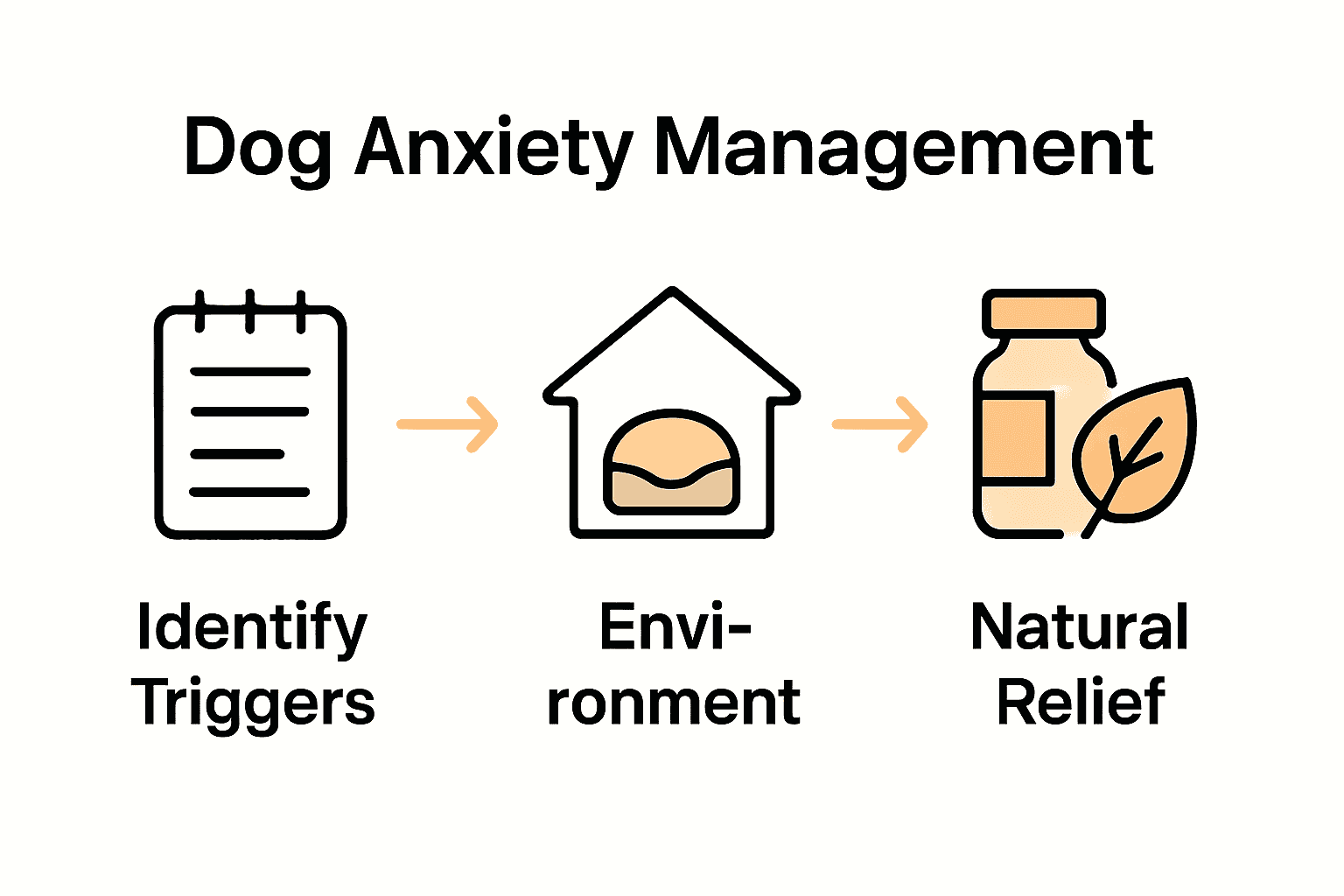
If progress seems minimal, do not hesitate to consult a professional veterinarian or animal behaviorist. They can provide specialized insights and potentially recommend more targeted interventions tailored to your dog’s specific needs.
By systematically validating and adjusting your approach, you are demonstrating true commitment to your dog’s emotional well being.
Give Your Dog a Voice and Help Ease Anxiety Today
If your dog struggles with anxiety, you already know the frustration and worry of seeing your companion stressed, unable to communicate their needs. The article you just read highlights the power of understanding triggers, tracking patterns, and building trust through communication and safe routines. But what if your dog could reliably signal when they are overwhelmed, need comfort, or want to feel safe?
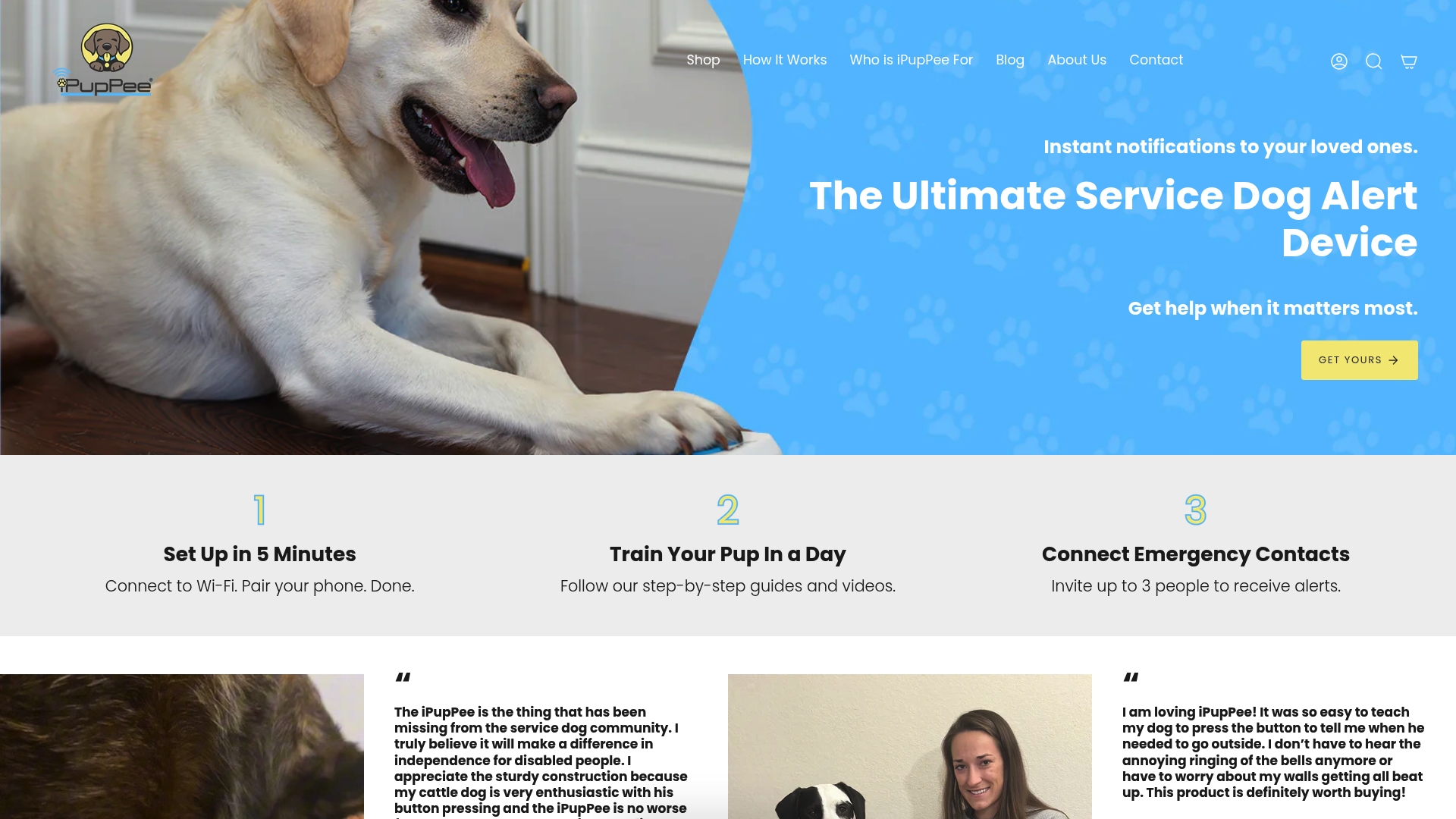
You do not have to guess anymore. The iPupPee communication device empowers dogs to ask for help or support with a simple button press. Designed for anxious dogs, senior pets, and owners seeking real peace of mind, it bridges the gap between what your dog feels and how you can respond. Visit our homepage and discover how easy communication can transform your dog’s sense of safety. If you are ready to see how our device enhances dog safety and independence, explore our latest resources, real-life testimonials, and learn more about effective dog safety solutions. Give your dog the comfort of being heard and take control of their well-being — act now for a calmer, happier home.
Frequently Asked Questions
How can I identify my dog’s anxiety triggers?
Understanding your dog’s anxiety triggers involves observing their behavior in different situations. Keep a detailed journal noting instances of anxious behaviors, including the time, location, and specific circumstances that may have caused the anxiety.
What steps can I take to create a calming environment for my dog?
To create a safe and calming environment, establish a consistent daily schedule for your dog that includes feeding, exercise, and playtime. Designate a cozy, quiet space in your home where your dog can retreat when feeling overwhelmed.
What natural methods can I use to help relieve my dog’s anxiety?
Natural methods to relieve dog anxiety include increasing physical exercise and providing mental stimulation through puzzle toys and training games. Implement daily walks or interactive play sessions, engaging your dog’s mind for at least 30 minutes a day to reduce anxiety levels.
How can I use positive training to help my anxious dog?
Utilize positive reinforcement techniques by rewarding your dog with treats or praise for desired behaviors instead of punishing unwanted actions. Keep training sessions short and enjoyable, focusing on small, manageable tasks to build confidence.
How do I monitor my dog’s progress in managing anxiety?
To monitor your dog’s progress, maintain a detailed journal tracking anxiety symptoms, including the frequency and duration of anxious behaviors. Review these notes regularly and adjust your strategies based on observed improvements or setbacks.
When should I consider consulting a professional about my dog’s anxiety?
Consider consulting a professional if you observe minimal progress in your dog’s anxiety management despite your efforts. A veterinarian or animal behaviorist can provide targeted insights and potentially recommend specialized interventions tailored to your dog’s needs.
Recommended
- How to Improve Dog Safety at Home and Outdoors 2025 – iPupPee
- Dog Training Emotional Benefits: Improve Bonding & Well-Being 2025 – iPupPee
- Understanding Dog Safety for Beginners: A Complete Guide – iPupPee
- 8 Essential Dog Safety Training Tips Every Owner Should Know – iPupPee
- Hvordan forebygge allergi hos hund: En praktisk guide — Dr-Clauder Norge
- Hvorfor Vælge en Hundeseng på Ben? Den Ultimative Guide — The Lab Shop