

TL;DR:
- Dog-driven alert systems rely on trained dogs detecting biochemical scent changes linked to medical events before symptoms appear. Their effectiveness depends on consistent training, proper handler cues, and integration with medical devices for reliability. Ongoing practice and combining dog alerts with technology provide the best safety support for handlers with health conditions.
Dog-driven alert systems are trained canine programs that detect physiological or situational changes in a handler and signal those changes through specific, conditioned behaviors. These systems rely on a dog’s extraordinary sense of smell, which can identify biochemical shifts in body odor linked to seizures, blood sugar drops, and cognitive fatigue long before a human notices anything is wrong. For pet owners and caregivers supporting someone with a disability or living alone, understanding how these systems work is the first step toward using them effectively. This article covers the science, the training, the real-world benefits, and the honest limitations.
What are dog-driven alert systems and how do they work?
Dog-driven alert systems are structured programs in which a dog is trained to recognize a specific scent or behavioral cue and respond with a clear, repeatable alert behavior. The industry term for this broader category is medical alert dog or detection dog, and the two terms are often used together depending on whether the dog is trained for a medical condition or a situational hazard.
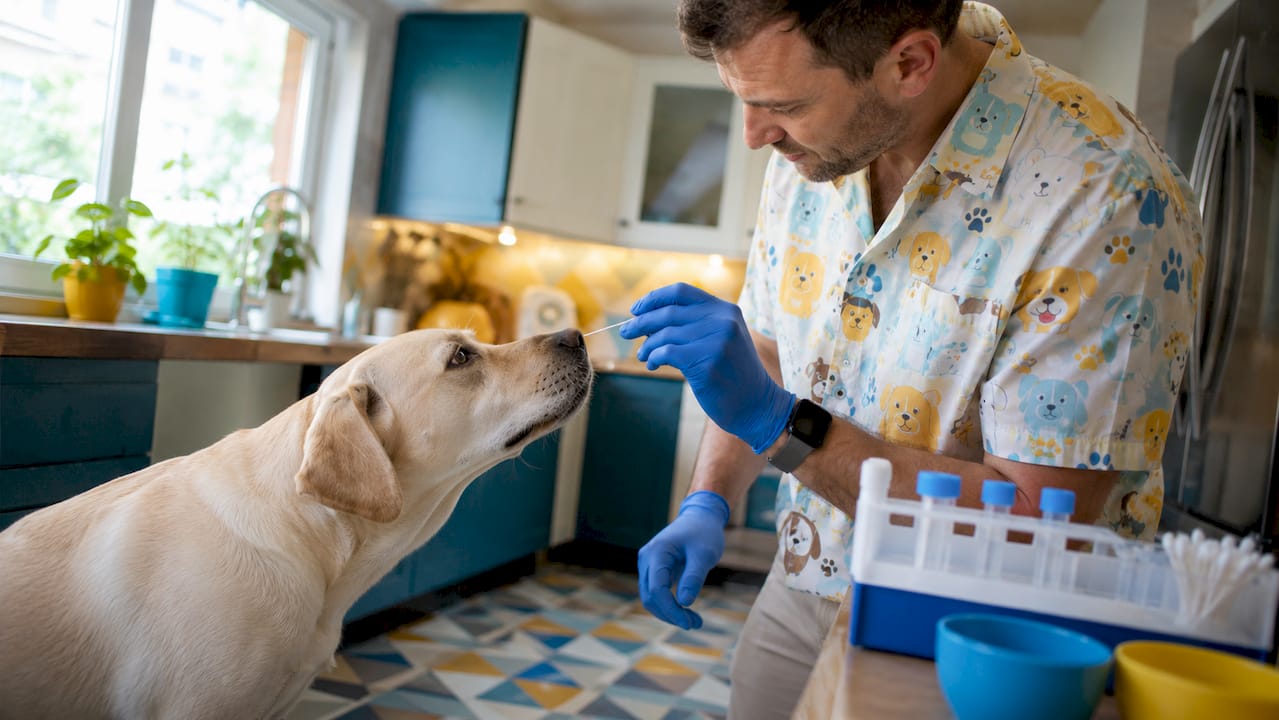
The detection process starts with a dog’s olfactory system, which contains roughly 300 million scent receptors compared to about 6 million in humans. Dogs detect biomarkers in body odor linked to medical episodes such as seizures, hypoglycemia, and cognitive fatigue before the handler is aware of any change. That early detection window is what makes these systems genuinely useful for safety and independence.
Alert behaviors vary by training program and handler need. Common responses include pawing at the handler, nudging with the nose, sitting directly in front of the person, or retrieving a phone or medication. Dogs alert to medical events like seizures and blood sugar changes by detecting physiological scent changes, giving caregivers and handlers a critical window for early intervention.
How training shapes canine alert systems
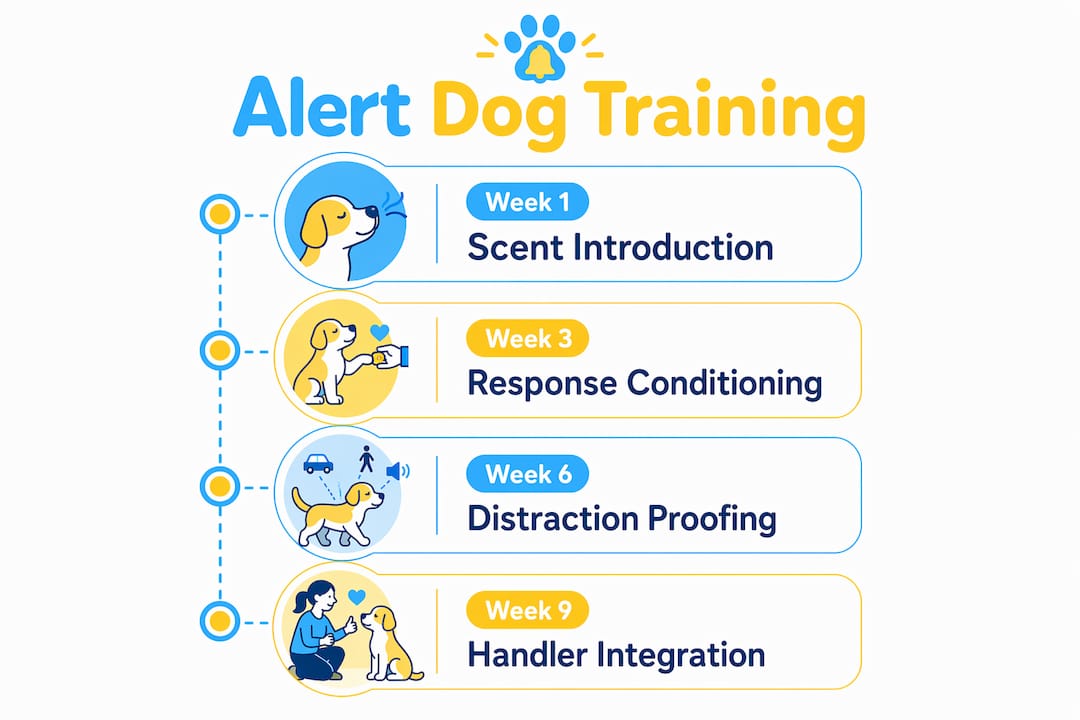
Training is the foundation of every reliable canine alert system. Without structured, consistent conditioning, even a naturally sensitive dog will produce inconsistent or unreliable alerts. Professional programs follow a clear sequence.
-
Scent imprinting. The dog is introduced to the target odor, whether a sweat sample, a breath sample, or a synthetic analog, paired immediately with a high-value reward. Professional scent training involves 50–100 odor-reward pairings to establish a conditioned emotional response to the target scent. That repetition builds a reliable neural association between the scent and the reward.
-
Alert behavior shaping. Once the dog reliably recognizes the odor, trainers shape the specific alert behavior through positive reinforcement. Pawing, nudging, and sitting are the most common choices because they are clear, visible, and hard to miss.
-
Proofing against distractions. A dog that alerts perfectly in a quiet training room but fails in a grocery store is not operationally reliable. Trainers expose the dog to food smells, crowds, noise, and other dogs to build generalization. Proofing against distractions including food, noise, and human interference is necessary to sustain reliability in real-world environments.
-
Handler integration. The handler learns to read the dog’s pre-alert signals, reward correctly, and avoid sending unintentional cues. This phase is often underestimated and is where many systems break down.
-
Ongoing maintenance. Training does not end at certification. Weekly practice sessions and periodic refresher courses keep the dog’s skills sharp and the handler’s timing accurate.
Full professional programs typically run 8–12 weeks for advanced detection skills. That timeline reflects the complexity of building a reliable system, not just a trick.
Pro Tip: Set a weekly 15-minute training session on your calendar and treat it as a medical appointment. Consistency in practice is the single biggest predictor of long-term alert reliability.
What does science say about detection accuracy?
The science behind dog-assisted alert mechanisms is well established, though it comes with important nuance. Dogs detect scent changes linked to biomarkers and neurotransmitter shifts that accompany medical events. Research from the University of Helsinki confirms that medical alert dogs detect biomarkers tied to cognitive fatigue and medical episodes through olfactory signals, often before the handler notices any symptom. That finding validates the core premise of the entire field.
“Detection dogs are trained systems, not guessers. Efficiency and clear alerts result from proper training and handler skill.” — RSK9 Patriot
However, reliability is not absolute. An effective detection dog systematically recognizes odors, searches efficiently, indicates clearly, and resets properly after each alert. When any part of that chain breaks, false alerts or misses occur. Factors that reduce accuracy include handler fatigue, the dog’s own illness or stress, environmental overload, and poor reward timing during maintenance training.
False alerts are a real concern. A dog that alerts when no medical event is occurring can cause unnecessary anxiety or lead a handler to over-rely on the dog and under-rely on medical devices. Dogs function as support tools and should not replace standard medical care. That distinction matters enormously for caregivers setting expectations with family members or medical teams.
Technology integration is closing some of the reliability gap. Pairing a trained alert dog with a continuous glucose monitor, a seizure detection wearable, or a fall sensor creates a layered system where each component covers the other’s blind spots. Neither the dog nor the device is perfect alone. Together, they are substantially more reliable.
Dog-driven alerts vs. technology-based alert systems
Understanding the benefits of dog-driven alerts requires an honest comparison with the alternatives. Both approaches have genuine strengths, and the best outcomes usually come from combining them.
| Feature | Dog-driven alert system | Technology-based alert system |
|---|---|---|
| Detection type | Biochemical scent, behavioral cues | Electrical signals, motion, biometrics |
| Emotional support | High, constant companionship | None |
| Mobility | Follows handler everywhere | Requires device to be worn or nearby |
| Setup cost | High (training, certification) | Moderate to high (device purchase) |
| Ongoing cost | Food, vet care, training sessions | Subscription fees, battery replacement |
| Alert consistency | Variable, affected by dog’s health | Generally consistent if charged |
| False alert risk | Present, especially without maintenance | Present, especially with sensor drift |
| Independence support | Strong for daily tasks | Strong for specific monitored events |
Dogs offer something no wearable can replicate: natural, continuous presence and emotional connection. Dog alerts provide emotional support and natural interaction that technology lacks, while technology offers consistency that a dog cannot always guarantee. For handlers living alone, that emotional dimension is not a luxury. It is a genuine safety factor, because a dog that is bonded to its handler is also more motivated to alert.
The practical benefits of dog-driven alerts extend beyond medical detection. Alert dogs assist with mobility, retrieve dropped items, open doors, and provide physical stability. That multi-function capability makes them uniquely valuable for handlers with complex needs.
Pro Tip: Pair your dog’s alert training with a medical wearable that covers the same condition. If the dog alerts and the device confirms, you have high confidence. If only one fires, you investigate before acting.
How to maintain alert reliability over time
Sustaining a reliable dog alert system requires ongoing effort from the handler and caregiver. The dog’s skills will drift without regular reinforcement, and the handler’s habits matter just as much as the dog’s training.
- Eliminate unintentional cues. Handlers often unconsciously shift posture, breathing, or attention before a medical event. Dogs pick up on these cues and may alert to the handler’s behavior rather than the target scent. Video recording training sessions helps identify these patterns.
- Reward within 0.5 seconds. Delayed or poorly timed rewards confuse the dog and erode the conditioned response. A treat pouch worn on the body, not stored in a bag, makes fast delivery possible.
- Practice in new environments. A dog trained only at home will struggle in a hospital, a restaurant, or a crowded park. Monthly outings to new locations keep the dog’s generalization skills sharp.
- Monitor the dog’s stress and health. A sick, anxious, or overtired dog will miss alerts. Watch for signs of stress including yawning, lip licking, and avoidance, and reduce the dog’s workload when those signals appear.
- Work with a certified trainer annually. An outside set of eyes catches handler errors and training drift that are invisible from inside the relationship. Organizations like Assistance Dogs International maintain directories of qualified trainers.
For caregivers supporting a handler, your role is to reinforce the dog’s training by never interfering with an alert in progress and by keeping the dog’s routine stable. Consistency in the dog’s daily schedule directly supports alert consistency and long-term reliability.
Key takeaways
Dog-driven alert systems work because trained dogs detect real biochemical changes, but their reliability depends entirely on consistent training, clean handler habits, and integration with medical care.
| Point | Details |
|---|---|
| Detection is biochemical | Dogs smell physiological changes linked to seizures, blood sugar shifts, and fatigue before symptoms appear. |
| Training takes 8–12 weeks | Professional programs require 50–100 scent-reward pairings and structured proofing to build reliable alerts. |
| Reward timing is critical | Delivering a reward within 0.5 seconds of a correct alert is the single most important maintenance habit. |
| Dogs complement, not replace, medical care | False alerts and misses occur; pair dog alerts with wearable devices for a more reliable safety system. |
| Ongoing practice is non-negotiable | Weekly training sessions and annual professional reviews prevent skill drift and handler error. |
What I’ve learned from watching these systems succeed and fail
I’ve seen dog-driven alert systems transform daily life for handlers with epilepsy, Type 1 diabetes, and PTSD. I’ve also seen them fall apart within six months of certification because the handler stopped practicing or started unconsciously cuing the dog. The gap between those two outcomes is almost never about the dog. It’s about the handler.
The biggest misconception I encounter is that a certified alert dog is a finished product. It isn’t. It’s more like a musical instrument. A well-made instrument in the hands of someone who stopped practicing will still produce poor results. The dog needs the handler to show up consistently, reward correctly, and stay honest about when the system isn’t working.
I also think the emotional support dimension gets dismissed too quickly in clinical conversations. For someone living alone with a seizure disorder, having a dog that notices something is wrong and responds is not just medically useful. It changes the psychological experience of living with that condition. That matters, and it’s worth naming directly when you’re evaluating whether this system is right for your situation.
My honest recommendation: treat the dog as one layer of a safety system, not the whole system. Combine the dog’s alerts with reliable alert device options and regular medical oversight. That combination gives you the emotional and practical benefits of a trained dog without the risk of over-relying on any single point of failure.
— Andrew
How Ipuppee supports handlers and caregivers
If you’re exploring dog-driven alert systems for a family member or for yourself, Ipuppee offers specialized resources designed specifically for service dog handlers and caregivers. The iPupPee device works alongside trained alert dogs to add a technology layer to your safety setup, giving handlers a simple way to signal for help when the dog’s alert is the first warning.
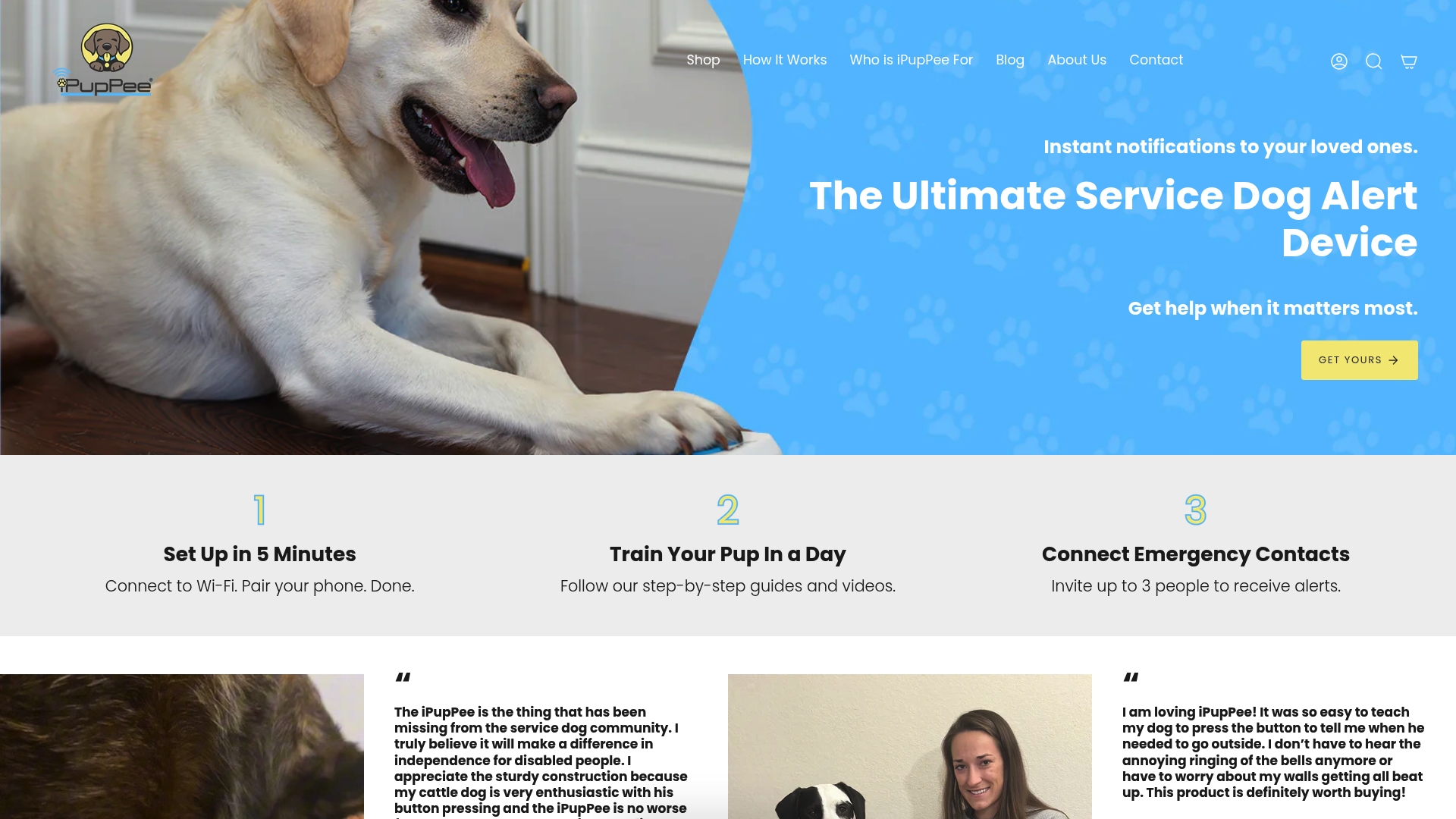
Ipuppee’s service dog support page covers the full range of solutions available for handlers at every stage, from new training programs to maintenance tools for experienced teams. Whether you’re just starting to research canine alert systems or looking to strengthen an existing setup, Ipuppee’s resources are built around the same principles this article covers: consistency, reliability, and realistic expectations.
FAQ
What is a dog-driven alert system?
A dog-driven alert system is a trained program in which a dog detects a specific physiological or situational change in its handler and responds with a conditioned alert behavior such as pawing, nudging, or sitting. These systems are used most commonly for seizure detection, blood sugar monitoring, and fatigue alerts.
How effective are dog alerts compared to medical devices?
Dog alerts offer early detection of biochemical changes and continuous emotional presence, but they are variable in consistency and affected by the dog’s health and environment. Medical wearables provide more consistent monitoring for specific conditions, so combining both produces the most reliable safety system.
How long does it take to train a medical alert dog?
Professional scent detection training typically spans 8–12 weeks for advanced skills, involving 50–100 odor-reward pairings to establish a reliable conditioned response. Ongoing maintenance training is required indefinitely to sustain accuracy.
Can any dog be trained as an alert dog?
Not every dog is suited for alert work. Candidates need strong scent drive, stable temperament, and the ability to focus in distracting environments. Breeds commonly used include Labrador Retrievers, Golden Retrievers, and Standard Poodles, though individual temperament matters more than breed.
What causes false alerts in trained alert dogs?
False alerts occur when a dog responds to handler body language rather than the target scent, when training maintenance has lapsed, or when the dog is stressed, fatigued, or ill. Clean reward timing and regular proofing sessions are the primary tools for reducing false alert rates.