

Every American pet owner wants a happy, well-behaved dog, but over 60 percent admit to feeling lost about where to start with training. The right tools and clear communication can make a real difference in your dog’s progress and your daily routine. This guide highlights practical steps and essential methods that help American families create positive, lasting bonds with their dogs using simple, reliable techniques.
Table of Contents
- Step 1: Gather Essential Training Tools
- Step 2: Establish a Consistent Training Environment
- Step 3: Introduce the Command and Alert Device
- Step 4: Reinforce Desired Behaviors Positively
- Step 5: Verify Your Dog’s Response Reliability
Quick Summary
| Key Insight | Explanation |
|---|---|
| 1. Gather Necessary Training Tools | Collect a sturdy leash, harness, treats, and a clicker to facilitate effective communication and training. |
| 2. Create a Consistent Training Environment | Use quiet, familiar spaces to minimize distractions for better behavior retention and learning. |
| 3. Use Clicker Training for Communication | Introduce a clicker to associate sounds with behaviors, helping your dog learn commands clearly and consistently. |
| 4. Implement Positive Reinforcement | Reward your dog immediately with treats and praise to encourage repeated desirable behaviors during training. |
| 5. Verify Response Reliability Across Settings | Test commands in various environments to ensure your dog’s understanding and consistent performance in different contexts. |
Step 1: Gather Essential Training Tools
Preparing for successful dog training requires assembling the right set of tools that facilitate clear communication and positive reinforcement. The key is selecting equipment that helps you guide your dog effectively while maintaining a supportive learning environment.
The Association of Professional Dog Trainers recommends gathering several essential training tools for effective dog communication. You will want to collect items like a sturdy 6 foot leash, a comfortable harness or collar, training treats, a treat pouch, and a clicker. Each tool serves a specific purpose in establishing clear signals and rewarding desired behaviors. For instance, a properly fitted harness provides better control during training sessions while minimizing physical strain on your dog. High value treats stored conveniently in a treat pouch allow for immediate positive reinforcement when your dog responds correctly.
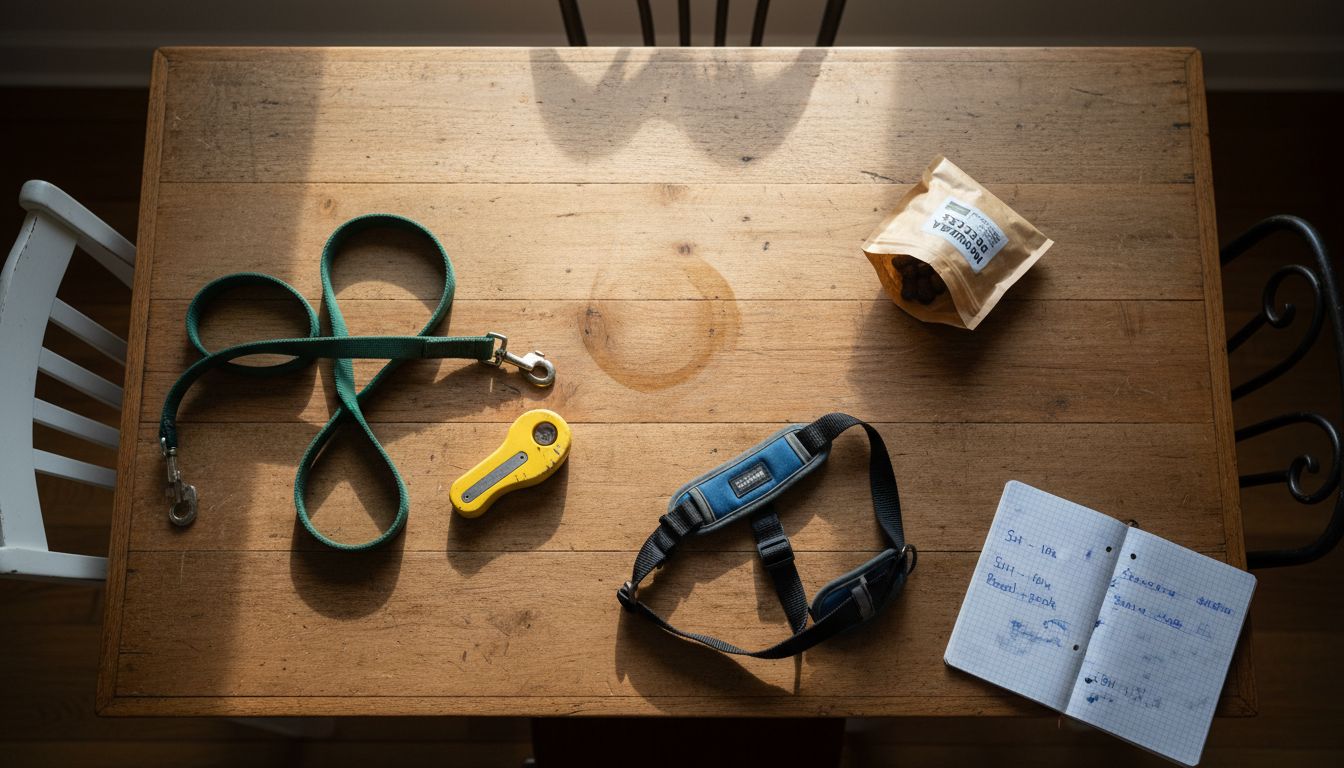
Always prioritize tools that are comfortable for your dog and match their individual temperament and size. Avoid equipment that causes discomfort or creates unnecessary stress during training. Select lightweight materials and adjustable options that grow with your dog’s development. Your goal is creating a positive learning experience where communication flows naturally and your dog feels motivated to engage with you.
Ready to move forward? The next step involves understanding how to use these training tools effectively to establish clear communication patterns with your canine companion.
Step 2: Establish a Consistent Training Environment
Creating a reliable training environment is crucial for helping your dog learn and retain new behaviors effectively. Your goal is to design a structured setting that minimizes distractions and maximizes learning potential.
FOUR PAWS International emphasizes the importance of maintaining consistent training conditions to ensure your dog understands and follows commands. Start by selecting a quiet area with minimal external stimuli where you can focus your dog’s attention. This space should be free from loud noises, other pets, or family members who might interrupt the training session. Use the same location repeatedly to help your dog associate this area with learning and focused work.
Consistent training requires more than just a stable physical environment. You must also maintain uniform verbal cues, hand signals, and reward patterns. Practice delivering commands with the same tone, volume, and body language each time. Reward successful behaviors immediately and use identical reward techniques to reinforce learning. Your dog will quickly understand what you expect when your communication remains clear and predictable. Remember that patience and repetition are key to building a strong training foundation.
Ready to move forward? The next step involves implementing specific communication techniques that will help you and your dog develop a deeper understanding of each other.
Step 3: Introduce the Command and Alert Device
Integrating an alert device into your dog training process requires careful and systematic introduction to ensure your dog understands and responds effectively. This step is critical for establishing clear communication channels between you and your canine companion.
Using clicker training techniques, you can effectively introduce your alert device as a powerful communication tool. The clicker method helps your dog quickly associate the device with specific behaviors and rewards. Start by familiarizing your dog with the device in a calm environment. Let them see and smell the alert device without pressure, creating a positive initial association. Press the button occasionally and immediately offer a high value treat to help your dog connect the device sound with something pleasant.
Consistent practice is key when introducing any new training tool. Begin with short training sessions lasting 5 to 10 minutes and gradually increase duration as your dog becomes more comfortable. Always use a calm and encouraging tone when working with the alert device. Watch your dog’s body language closely to ensure they remain relaxed and receptive. If your dog shows signs of stress or discomfort, take a step back and slow down the introduction process. Your goal is building confidence and creating a seamless communication method that feels natural and rewarding for both of you.
Ready to move forward? The next step involves refining your communication techniques and practicing consistent command responses.
Step 4: Reinforce Desired Behaviors Positively
Positive reinforcement is the cornerstone of effective dog training, transforming learning into an engaging and rewarding experience for both you and your dog. This step focuses on creating a motivational training environment that encourages your dog to repeat desirable behaviors.
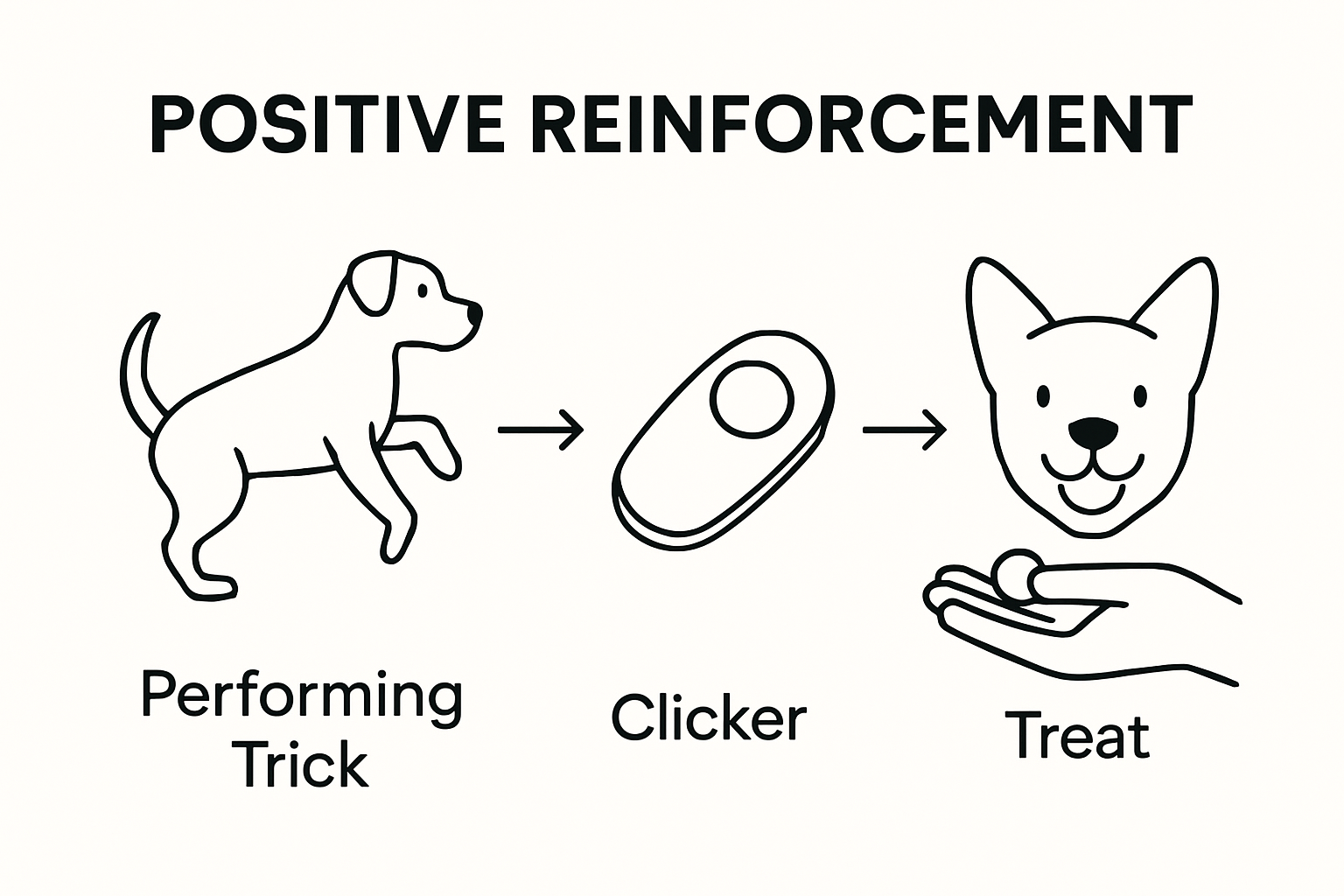
Using clicker training techniques, you can systematically reinforce specific actions your dog performs correctly. The key is timing your reward precisely at the moment of desired behavior. FOUR PAWS International emphasizes that rewards should be immediate and consistent to help your dog understand exactly which action earned the positive response. High value treats work best select small, soft treats that your dog finds irresistible and can consume quickly during training. Pair these treats with enthusiastic verbal praise and gentle physical affection to create a multisensory reward experience.
Consistent practice creates lasting behavioral changes. Start with short training sessions lasting 5 to 10 minutes and gradually increase complexity as your dog masters basic commands. Watch your dog closely and celebrate small victories learning to recognize and immediately mark subtle positive behaviors will accelerate your training progress. If your dog becomes frustrated or distracted, return to simpler tasks and build complexity slowly. Remember that every dog learns differently patience and individualized approach are critical to successful positive reinforcement training.
Ready to move forward? The next step involves practicing and refining your communication techniques to build a stronger bond with your dog.
Step 5: Verify Your Dog’s Response Reliability
Verifying your dog’s response reliability is a critical phase in communication training that ensures your commands are consistently understood and followed across different environments and situations. This step focuses on testing and reinforcing your dog’s learned behaviors systematically.
FOUR PAWS International emphasizes the importance of training response consistency through comprehensive generalization techniques. Begin by practicing commands in progressively challenging environments varying locations like your backyard, local park, and neighborhood street will help your dog understand that commands remain valid regardless of context. Start with minimal distractions and gradually increase environmental complexity. For each command, confirm your dog responds reliably by testing the behavior multiple times with increasing difficulty. Use your alert device or clicker to mark correct responses and maintain a high rate of reinforcement during these verification sessions.
Consistent testing reveals potential gaps in your dog’s understanding and allows you to address them proactively. Pay close attention to your dog’s response speed consistency and enthusiasm. If performance wavers in certain environments or with specific distractions, return to foundational training and rebuild the skill gradually. Remember that response reliability is not about perfect obedience but about creating a robust communication system where your dog understands and willingly follows your guidance. Short frequent training sessions work best keep each verification round engaging and positive.
Ready to move forward? The next step involves fine tuning your communication techniques to address any remaining challenges in your dog training journey.
Take Your Dog Training to the Next Level with iPupPee’s Innovative Solutions
Every dog training journey faces challenges like establishing consistent communication, using clear commands, and reinforcing positive behaviors as highlighted in the article “Dog Training Steps for Effective Communication Success.” If you want to overcome these pain points and build a stronger bond with your dog while enhancing safety and independence consider the iPupPee alert device. This unique tool empowers you to communicate with your dog through a simple button press making training more effective and your daily interactions safer especially for service dog handlers or owners with special needs.
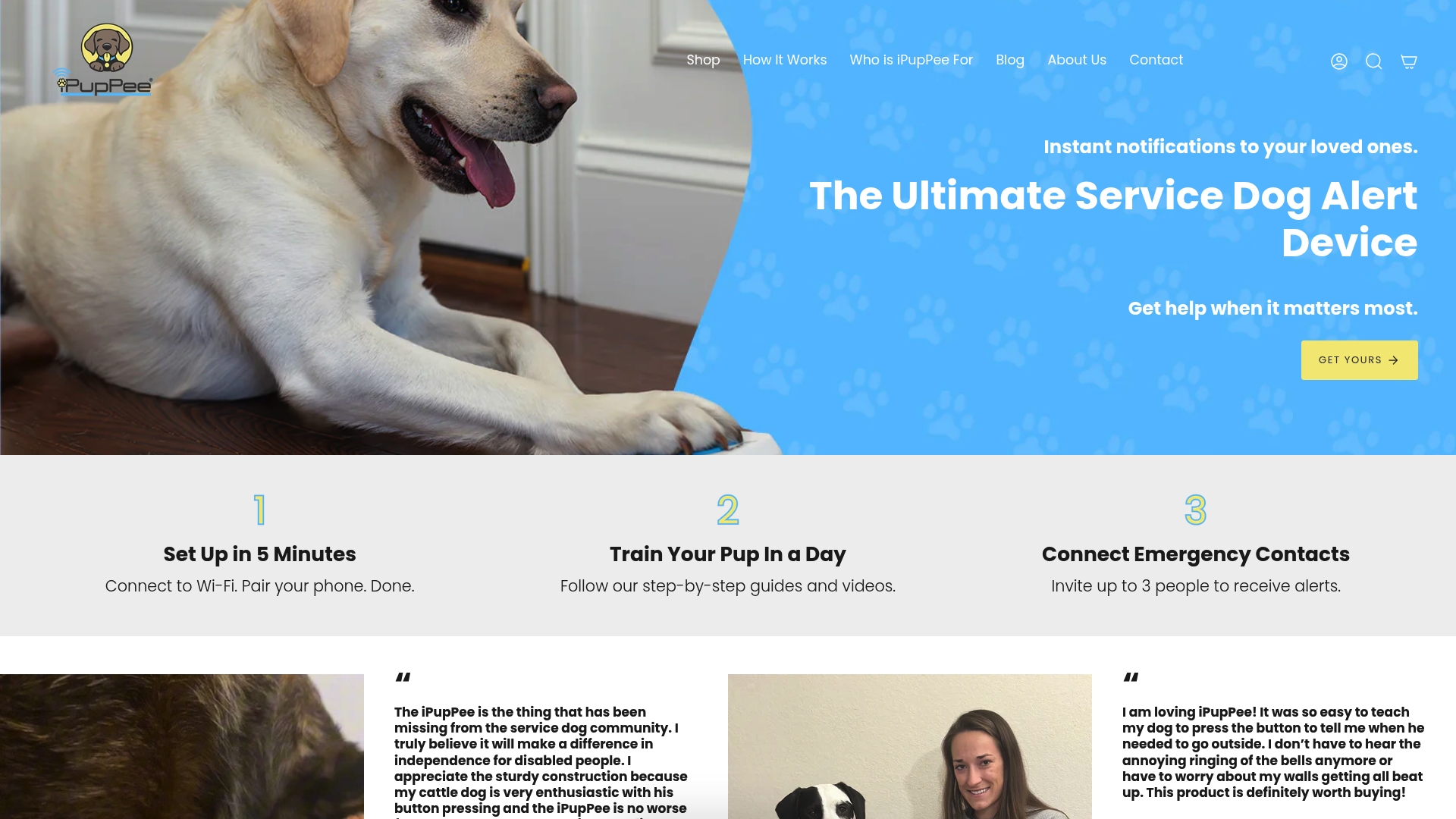
Explore the proven benefits of incorporating communication devices into your training routine at iPupPee. Start today by visiting our site to discover product details, customer testimonials, and our easy-to-follow training instructions. Take control of your dog’s learning experience and create the confident communication you and your dog deserve with the help of iPupPee’s trusted technology.
Frequently Asked Questions
What tools do I need for effective dog training?
To train your dog effectively, gather essential tools such as a sturdy 6-foot leash, a comfortable harness or collar, high-value training treats, a treat pouch, and a clicker. Collect these items to ensure clear communication and positive reinforcement during training sessions.
How can I create a consistent training environment for my dog?
Establish a training environment by choosing a quiet area free from distractions, where you can focus solely on your dog. Use the same location repeatedly for training sessions to help your dog associate that space with learning and commands.
What is the proper way to introduce a clicker in dog training?
Begin introducing the clicker by letting your dog familiarize themselves with it in a calm setting. Press the clicker and immediately offer a treat to create a positive association, repeating this process to reinforce their understanding of the clicker as a reward signal.
How do I reinforce my dog’s desired behaviors effectively?
Positive reinforcement involves immediately rewarding your dog when they perform the desired behavior. Use high-value treats combined with praise to create a motivational atmosphere that encourages your dog to repeat those actions.
How can I verify my dog’s response reliability to commands?
Test your dog’s response reliability by practicing commands in various environments, gradually increasing distractions. Monitor their response speed and consistency to ensure they understand commands, and adjust training as necessary to reinforce their skills.
What should I do if my dog struggles with learning new commands?
If your dog struggles with learning commands, simplify the tasks and return to foundational skills. Allow extra time for practice and increase complexity gradually, ensuring each training session remains positive and engaging for your dog.
Recommended
- Dog Voice Commands Every Owner Should Know – iPupPee
- How Dogs Learn Commands: A Step-by-Step Guide – iPupPee
- How to Teach Your Dog Basic Commands in 2025 – iPupPee
- 7 Essential Communication Tips for Dog Owners – iPupPee
- Complete Guide to Team Communication Improvement Tips - Blog
- Understanding the Importance of Customer Communication – My WordPress