

If you want a dog that fits a packed schedule, look at the French Bulldog, Basset Hound, Chihuahua, Greyhound, Cavalier King Charles Spaniel, Pug, Beagle, Dachshund, Shih Tzu, and Labrador Retriever. These breeds show up again and again on expert lists for a reason: most combine a short or manageable coat, moderate daily exercise needs, and a temperament that doesn’t demand constant supervision.
“Easy-care” doesn’t mean zero effort. It means the coat brushes out in minutes instead of hours, the exercise requirement fits into a lunch break instead of a marathon training block, and the breed’s health and temperament are predictable enough that you’re not troubleshooting surprises every week. Practically, that breaks into four buckets:
- Grooming load: wash-and-go coats or simple weekly brushing, not daily detangling
- Exercise needs: roughly 30 to 60 minutes of daily activity, not multi-hour runs
- Temperament: steady, adaptable, and not prone to constant anxiety when routines shift
- Health upkeep: manageable vet visits, not a breed known for chronic, expensive conditions
Two moves make this easier before you commit: consider an adult or adopted dog whose temperament is already known, and spend real time observing that temperament at the shelter or breeder before signing anything.
TL;DR:
- Even low-maintenance breeds like French Bulldogs and Beagles require regular vet visits for breed-specific health issues and routine care.
- Most easy-care dogs need between 30 to 60 minutes of daily exercise, with Labrador Retrievers requiring closer to an hour and more heavy shedding.
- Choosing an adult rescue dog can reduce uncertainty around temperament, housetraining, and health, making transitions faster and more predictable.
- Asking detailed questions about a dog’s behavior, medical history, and reaction to being alone helps ensure a good match for a busy household.
- Tools like two-way communication devices can help manage separation anxiety and keep owners connected with their dogs during daily absences.
Table of Contents
- Best Easy-Care Dog Breeds for Busy and First-Time Owners
- How to Pick the Right Easy-Care Breed for Your Life
- Daily Care That Keeps an Easy-Care Dog Actually Easy
- Why an Adult Rescue Often Beats a Puppy for Busy Owners
- A Simple Way to Ease Separation Worry
- Key Takeaways
- Sources
Best Easy-Care Dog Breeds for Busy and First-Time Owners
Each of these breeds earns its spot on a low-maintenance shortlist, but none is maintenance-free. Here’s what actually shows up in daily life with each one.
-
French Bulldog. Low exercise needs and a short coat make grooming a five-minute job, and the breed’s calm, affectionate temperament suits apartment life and first-time owners well. The trade-off is real: Frenchies are prone to respiratory issues from their flat faces and struggle in heat, so hot-weather walks need planning.
-
Basset Hound. This breed moves at its own pace, needs modest daily walks, and rarely demands intense exercise. Bassets are famously easygoing with kids and other pets. Their long ears and loose skin need regular checks to prevent infections, which is the one grooming task people underestimate.
-
Chihuahua. Tiny size means tiny exercise requirements, and short-coated Chihuahuas need almost no brushing. They bond fiercely with one person and can be wary of strangers, so early socialization matters more than the breed’s size suggests. Dental crowding is common and needs regular vet attention.
-
Greyhound. Despite their racing reputation, Greyhounds are famous for being couch potatoes indoors after a short daily sprint. Retired racing Greyhounds often adjust to home life quickly and rest for most of the day, making an adult rescue Greyhound one of the calmest options on this list. Thin skin and minimal body fat mean they get cold fast and need a coat in winter.
-
Cavalier King Charles Spaniel. Sweet, adaptable, and eager to please, Cavaliers train easily and tolerate apartment living without complaint. Their silky coat needs weekly brushing, not daily grooming. The catch is a breed-wide predisposition to heart and joint conditions, so budget for vet visits.
-
Pug. Pugs need short walks, not long runs, and their smooth coat sheds but requires little active grooming beyond a weekly brush. Their comedic, people-oriented personality makes them a favorite for households wanting a companion over a workout partner. Like French Bulldogs, their flat face makes them heat sensitive and prone to breathing trouble.
-
Beagle. Moderate exercise and a short, low-maintenance coat put Beagles solidly in easy-care territory, and their friendly, food-motivated nature makes training straightforward. The trade-off is nose-driven wandering. A securely fenced yard or reliable leash habit is non-negotiable, and they can be vocal.
-
Dachshund. Small, short-coated (in the smooth variety), and content with modest daily walks, Dachshunds fit small homes well. Their long spine makes them prone to back injuries, so stairs and jumping off furniture need to be limited.
-
Shih Tzu. Calm, affectionate, and built for companionship rather than athletic demands, Shih Tzus need only short walks daily. Their long coat is the exception to the easy-grooming rule unless you keep it in a short “puppy cut,” which cuts brushing down to a quick daily pass.
-
Labrador Retriever. Labs are trainable, food-motivated, and famously good with families, which is why AKC breed guidance repeatedly points to temperament and trainability as the deciding factor for first-time owners. Their short coat is low-fuss, but Labs need more daily exercise than anything else on this list, closer to an hour, and they shed heavily twice a year.
How to Pick the Right Easy-Care Breed for Your Life
Matching a breed to your actual schedule beats matching it to a cute photo. Run through this before you fall in love with a face:
- Does your energy level match the breed’s exercise needs, or will daily walks become a chore you skip?
- Can you tolerate the grooming reality, not the grooming myth (a Shih Tzu left ungroomed is not low-maintenance)?
- Does your living space suit the dog’s size and activity level?
- Do you or anyone in your household have allergy concerns that rule out certain coat types?
- Can your budget absorb breed-specific vet costs, like a Cavalier’s heart screenings or a Frenchie’s potential airway surgery?
When you’re at a shelter or talking to a breeder, ask directly: What’s the dog’s known reaction to being left alone? Has the dog been housetrained, and how consistently? What’s in the medical history, especially around joints, breathing, or heart issues? How does the dog behave around children or other pets?
Watch for red flags: vague answers about medical history, a breeder who dismisses known breed health issues outright, or a shelter dog showing signs of persistent separation distress during a supervised test period.
Pro Tip: Ask to spend 15 unsupervised minutes with the dog in a quiet room at the shelter. How it settles alone tells you more than any breed description ever will.
Daily Care That Keeps an Easy-Care Dog Actually Easy
Even the lowest-maintenance breed needs a routine. Here’s the short version:
- Exercise: Aim for 30 to 60 minutes daily, split into a walk and some free play. Add a treat puzzle or five-minute training session for mental enrichment on days you’re short on time.
- Grooming: Short-coated breeds need a weekly brush; long-coated breeds like the Shih Tzu do better with a short trim to cut daily upkeep. Either way, dental checks and nail trims stay non-negotiable regardless of coat type.
- Alone time: Crate training, a set bathroom-break schedule, and safe chew toys reduce anxiety. Most healthy adult dogs handle four to six hours alone comfortably, but longer stretches need a midday break from a walker or neighbor.
Pro Tip: A remote monitoring or communication device lets you check in visually during the workday, which takes the guesswork out of whether your dog is anxious or just napping.
Why an Adult Rescue Often Beats a Puppy for Busy Owners
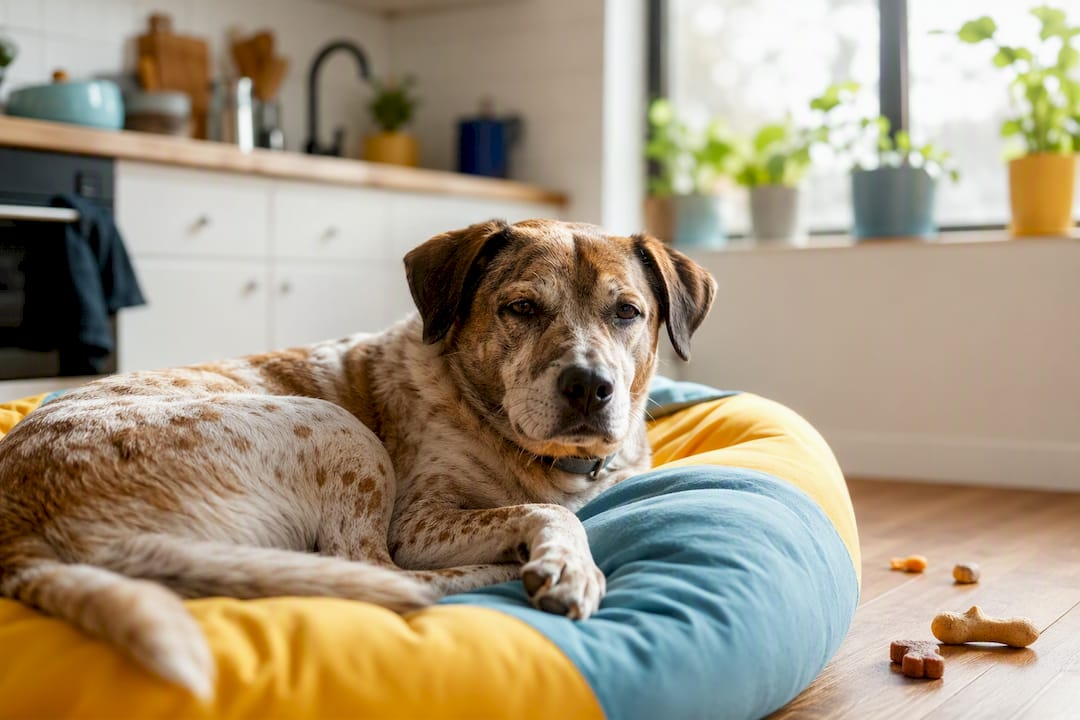
Puppies are a full-time project disguised as a cute weekend plan. An adult dog with a known temperament, verified through a shelter’s observed behavior checklist, skips the guesswork entirely. You already know if it’s housetrained, how it handles alone time, and whether it’s calm around kids.
Look for a dog that settles quickly when handled, shows no panic during short supervised alone periods, and has documented housetraining. One adopter I know picked a five-year-old Beagle mix specifically because the shelter staff had already tested her against exactly these criteria, and the transition took a weekend, not months.
— Andrew
A Simple Way to Ease Separation Worry
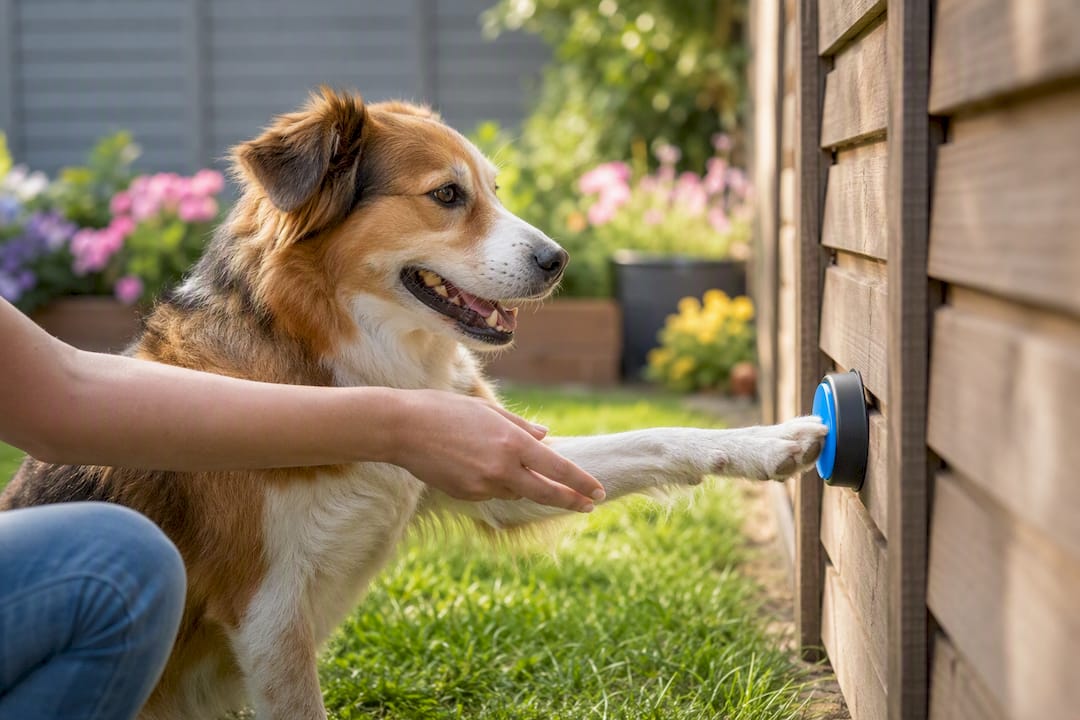
Even the calmest easy-care breed still spends part of the day alone while you’re at work or running errands, and that gap is where most new owners feel the most uncertain. Two-way communication tools and simple alert buttons give you a way to check in and let your dog “tell” you something’s wrong, without turning your home into a surveillance operation.
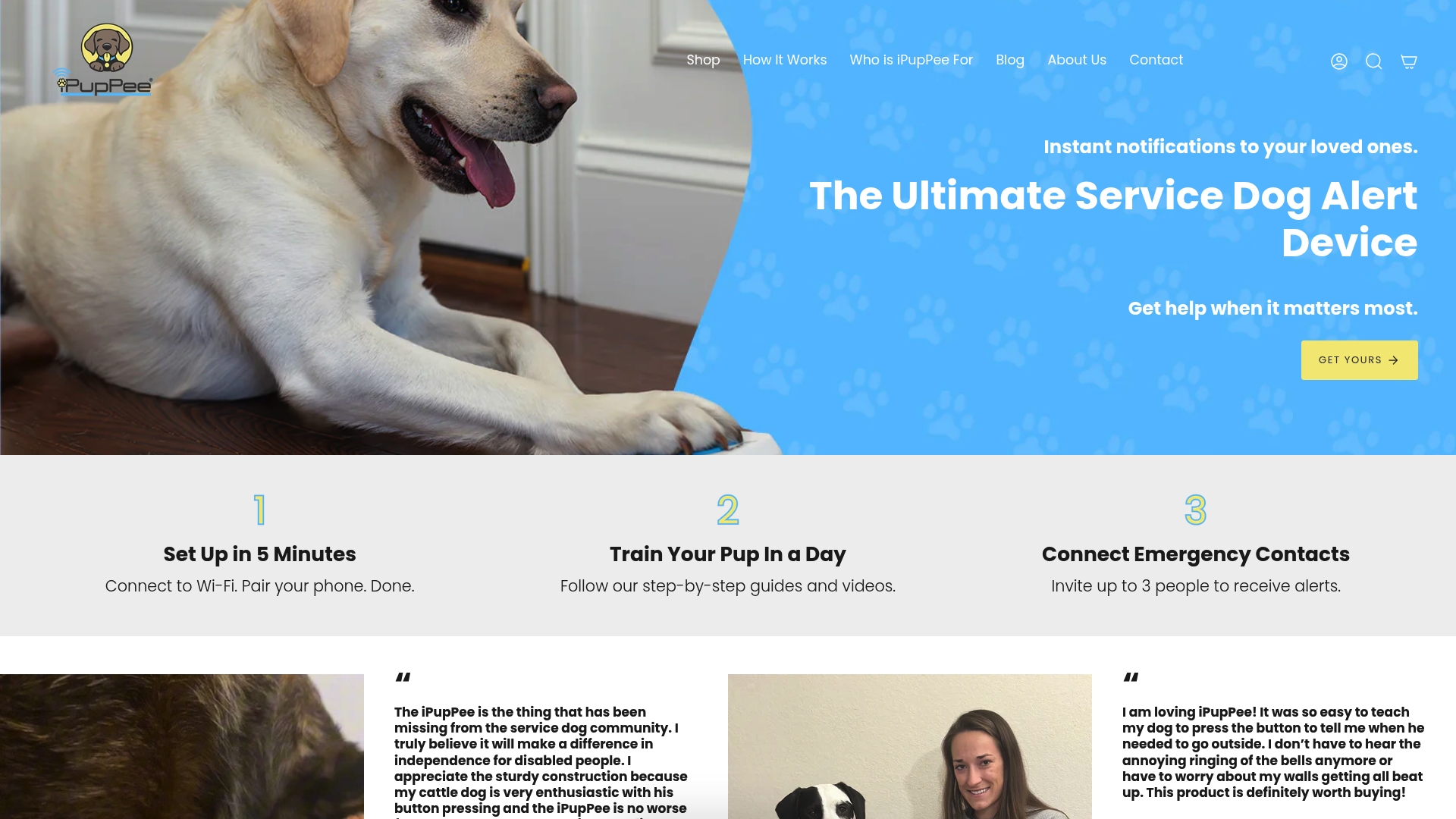
Ipuppee built the iPupPee device around exactly that gap. It’s a Wi-Fi enabled alert button paired with live video and two-way audio, so a dog trained to press it can send you a direct notification, and you can see and talk to your dog in real time. It pairs naturally with the daily routines covered above: a quick check during a lunch break, a reassuring word during a thunderstorm, or an alert if something’s actually wrong. Ipuppee also includes training guides and an on-demand dog psychology course, so teaching the button becomes part of the same routine you’re already building around crate training and scheduled breaks. For containment situations where a securely fenced yard isn’t an option, a tracking solution like HAVEN Freedom’s GPS dog fence and collar covers the outdoor side of that same peace of mind.
If separation worry is the one thing standing between you and adopting an easy-care breed, visit Ipuppee to see how the device and training resources work together.
Key Takeaways
The easiest dog breeds to own combine a low-maintenance coat, manageable daily exercise needs, and a stable temperament, and an adult rescue with a known history often outperforms a puppy for busy owners.
| Point | Details |
|---|---|
| Low grooming isn’t low maintenance | Even short-coated breeds like the Pug and French Bulldog need regular vet care for breed-specific health issues. |
| Match exercise to your schedule | Most easy-care breeds need 30 to 60 minutes of daily activity, but Labs need closer to an hour. |
| Adult dogs reduce guesswork | Shelters can confirm housetraining, medical history, and alone-time behavior before you adopt. |
| Ask direct questions upfront | Question breeders and shelters about temperament, medical history, and reaction to being left alone. |
| Reduce separation worry with tools | Ipuppee’s iPupPee device offers two-way communication and training support to check in while you’re away. |
Sources
- 20 Dog Breeds That Fit Seamlessly Into a Busy Lifestyle | The Spruce Pets
- Top 10 Dog Breeds for Busy Families: Low-Maintenance Pets | Borash Veterinary Clinic
- Low-Maintenance Dog Breeds: Easy & Low-Energy Dogs | Petfinder
- Great breeds for first-time owners | AKC