

Over half of American dog owners admit they struggle with getting their pets to listen consistently. Training a dog is more than teaching tricks—it is about building trust and clear communication that strengthens your daily relationship. By using proven techniques like positive reinforcement, unified commands, and practical tools, you can transform obedience training into an enjoyable, stress free routine for both you and your dog.
Table of Contents
- Build Trust With Clear Consistent Commands
- Use Positive Reinforcement For Desired Behaviors
- Incorporate Visual And Hand Signals Effectively
- Leverage Verbal Cues And Tone For Clarity
- Introduce Communication Devices Like iPupPee
- Practice Patience And Repeat Training Sessions
- Adapt Techniques For Special Needs And Senior Dogs
Quick Summary
| Takeaway | Explanation |
|---|---|
| 1. Use Consistent Commands | Consistency in verbal cues helps your dog understand commands better and builds trust over time. |
| 2. Apply Positive Reinforcement | Rewarding desired behaviors immediately strengthens learning, making training enjoyable for your dog. |
| 3. Incorporate Visual Signals | Hand signals paired with verbal commands enhance communication and can help dogs with hearing challenges. |
| 4. Maintain a Calm Tone | Your vocal tone influences your dog’s response; a calm, encouraging voice fosters better learning. |
| 5. Tailor Training for Special Needs | Adapting techniques for senior or special needs dogs ensures effective learning and maintains their comfort. |
1. Build Trust With Clear Consistent Commands
Successful dog training hinges on establishing predictable communication between you and your canine companion. When you consistently use the same words, tone, and rewards, your dog learns to understand and trust your instructions.
The key is uniformity across all interactions. Research shows that using short, uncomplicated commands like ‘Sit’ or ‘Stay’ helps prevent confusion and strengthens the bond between you and your dog. Every family member should use identical verbal cues to ensure your dog receives consistent signals.
Consistent command training works by creating a clear communication framework. When your dog learns that specific words always mean the same action, they become more confident and responsive. This means using the exact same word every time for a specific behavior no matter who is giving the command.
Practical application involves setting ground rules. Choose one word per command and stick to it. For ‘sit’, always say ‘Sit’. For ‘stay’, always say ‘Stay’. Never switch between variations like ‘Sit down’ or ‘Sit now’ which can confuse your dog.
Pro tip: Create a family command chart where everyone agrees on the exact words to use, ensuring every interaction reinforces the same communication strategy.
2. Use Positive Reinforcement for Desired Behaviors
Positive reinforcement is a powerful training technique that transforms dog behavior through encouragement and reward. By understanding how dogs learn through immediate recognition of good actions, you can create a more responsive and happy companion.
Reward-based training works by creating a direct link between good behavior and positive outcomes. When your dog performs a desired action and receives an instant reward, they quickly learn that specific behavior leads to something pleasurable. This could be a treat, praise, or a favorite toy.
The science behind positive reinforcement is simple. Dogs are more likely to repeat behaviors that result in pleasant experiences. By consistently rewarding the actions you want to see, you build a communication system that motivates your dog to listen and engage with you.
Implementing this approach requires timing and consistency. The reward must come immediately after the desired behavior. If you wait too long, your dog might not connect the reward with the specific action. Keep treats small, use an enthusiastic tone, and be quick with your praise.
Positive reinforcement also strengthens your bond. Unlike punishment-based methods, this approach creates a trusting relationship where your dog sees training as a fun, rewarding experience rather than something to fear.
Pro tip: Create a reward hierarchy with different levels of treats or praise based on the difficulty of the task, which helps maintain your dog’s motivation and engagement during training.
3. Incorporate Visual and Hand Signals Effectively
Dogs are masters at reading body language, making visual signals a powerful communication tool in training. Combining verbal commands with consistent hand gestures can dramatically improve your dog’s understanding and responsiveness.
Body language communication is intuitive for dogs. They naturally pick up on subtle physical cues, which means hand signals can be even more effective than verbal commands alone. This is especially true for dogs with hearing challenges or in noisy environments where voice commands might get lost.
The key to effective visual signaling is consistency and clarity. Each hand signal should be distinct, simple, and always mean the same thing. For example, a flat hand held palm down might mean ‘stay’, while a pointed finger could signal ‘sit’. Your entire family should use identical signals to prevent confusion.
Practical implementation involves teaching hand signals alongside verbal commands. Start by pairing a verbal command with its corresponding hand signal. Reward your dog immediately when they respond correctly. Over time, you can phase out the verbal command, leaving only the hand signal.
Visual signals are particularly useful for service dogs, working dogs, or in situations requiring quiet communication. They provide a reliable alternative to vocal commands and can be understood from a distance.
Pro tip: Practice your hand signals in front of a mirror to ensure they are clear, distinct, and easily distinguishable from each other, which helps your dog learn more quickly.
4. Leverage Verbal Cues and Tone for Clarity
Your voice is a powerful training tool that can make or break communication with your dog. Keeping commands short and using a calm voice helps dogs understand and respond appropriately, creating a more effective learning environment.
Vocal communication goes far beyond the words you speak. Dogs are incredibly attuned to emotional nuances in human speech, picking up on tone, pitch, and energy level. A sharp, excited tone can signal play, while a low, steady voice communicates seriousness and commands attention.
The science of canine communication reveals that dogs respond best to clear, consistent verbal cues. This means using the same one or two word commands every time. For instance, always use ‘Sit’ instead of switching between ‘Sit down’, ‘Sit now’, or ‘Please sit’. Consistency helps your dog learn faster and reduces confusion.
Practical application involves matching your verbal tone to the desired behavior. A warm, encouraging voice works great for praise, while a firm but neutral tone is best for commands. Avoid yelling or sounding frustrated, as this can create anxiety and make training more difficult.
Understanding vocal dynamics means recognizing that dogs interpret emotion more than specific words. Your positive, happy tone when giving commands and praise directly reinforces desired behaviors and strengthens your mutual bond.
Pro tip: Record yourself during training sessions to analyze your vocal patterns and ensure you are maintaining a consistent, calm tone that supports effective dog communication.
5. Introduce Communication Devices Like iPupPee
Modern dog training embraces technology as a powerful complement to traditional communication methods. Innovative tools can significantly enhance the way we interact with our canine companions, providing new pathways for understanding and connection.
Communication technology represents a breakthrough in dog training, offering unprecedented ways to bridge the communication gap between humans and dogs. Devices like iPupPee provide an additional layer of interaction, especially useful for service dogs, senior pet owners, and individuals with specific communication needs.
These advanced communication tools work by creating simple, intuitive ways for dogs to signal their needs or alert their owners. For instance, a button based communication device allows dogs to communicate basic needs or potential emergencies, transforming how we understand and respond to our pets.
Practical implementation involves gradually introducing the device into your dog’s daily routine. Start with basic interactions, rewarding your dog for using the communication tool correctly. This approach turns the device into a positive experience, making it a natural part of your dog’s communication strategy.
The real power of communication devices lies in their ability to supplement traditional training methods. They provide an additional layer of understanding, particularly valuable for dogs with special needs or in situations where verbal communication might be challenging.
Pro tip: When introducing a new communication device, be patient and use positive reinforcement, treating the device as an exciting new training opportunity rather than a complicated technological challenge.
6. Practice Patience and Repeat Training Sessions
Dog training is a journey of consistent effort and understanding, not a destination to be reached overnight. Regular, short training sessions with immediate rewards help reinforce learning and build a strong foundation for obedience.
Learning takes time and dogs develop skills at different rates. Your patience determines the success of your training approach. Some dogs might grasp a command quickly, while others require multiple repetitions and gentle guidance to understand what you want.
Consistent training means creating a structured approach to teaching new skills. Break complex commands into smaller, manageable steps. Practice each step separately, rewarding progress and maintaining a positive, encouraging environment. Short sessions lasting 5 to 10 minutes are more effective than long, exhausting training blocks that might frustrate both you and your dog.
The key to successful repetition is keeping training sessions engaging and fun. Use varied rewards, change training locations, and mix up the sequence of commands. This prevents boredom and keeps your dog mentally stimulated. Always end training on a positive note, celebrating even small achievements.
Understanding that learning is a gradual process helps manage your expectations. Some days your dog will perform brilliantly, while other days they might seem to forget everything they have learned. This is normal and part of the learning curve.
Pro tip: Create a training log to track your dog’s progress, noting which commands they master quickly and which require more practice, helping you develop a personalized and effective training strategy.
7. Adapt Techniques for Special Needs and Senior Dogs
Every dog is unique, and training approaches must evolve with their changing physical and cognitive abilities. Tailoring training methods to accommodate individual limitations ensures effective learning and comfort.
Specialized training requires understanding the specific challenges faced by special needs and senior dogs. Physical limitations, hearing or vision loss, reduced mobility, and cognitive changes all impact how these dogs learn and respond to commands.
Adapting training techniques means being flexible and observant. For senior dogs, this might involve shorter training sessions, gentler physical interactions, and more frequent breaks. Dogs with sensory impairments might rely more on touch or specific hand signals instead of verbal commands.
Practical application involves creating a supportive learning environment. Use softer surfaces for dogs with joint issues, speak more clearly for dogs with hearing challenges, and offer more frequent rewards to maintain engagement. Communication devices like iPupPee can be especially helpful in providing alternative ways to interact with dogs experiencing sensory limitations.
Recognize that progress might be slower with special needs dogs. Celebrate small victories and focus on building confidence. Some dogs might take longer to learn commands, but patience and consistent, gentle training can yield remarkable results.
Pro tip: Consult with a veterinarian or professional dog trainer specialized in senior and special needs dogs to develop a personalized training strategy that addresses your dog’s specific requirements.
Below is a comprehensive table summarizing the key strategies and techniques for effective dog training discussed throughout the article.
| Strategy | Implementation | Benefits |
|---|---|---|
| Build Trust With Clear Consistent Commands | Use identical verbal cues and uniformity in interactions across all family members. Establish a family command chart. | Creates predictable communication and strengthens the bond. |
| Use Positive Reinforcement | Reward desired behaviors immediately with treats, praise, or toys. Maintain consistency in timing. | Increases likelihood of repeated good behavior and enhances bonding. |
| Incorporate Visual and Hand Signals | Pair verbal commands with distinct, simple hand gestures. Practice signals consistently. | Improves understanding, especially for dogs with hearing challenges. |
| Leverage Verbal Cues and Tone | Use short, consistent commands with a calm, specific tone. Avoid frustration in your voice. | Enhances clarity and reduces confusion, fostering better listening. |
| Introduce Communication Devices | Gradually integrate devices like iPupPee into daily routines. Reward usage. | Provides additional interaction, especially for special needs dogs. |
| Practice Patience and Repeat Training Sessions | Keep sessions short and engaging. End on positive notes. Track progress to personalize training. | Reinforces learning and builds a strong foundation for obedience. |
| Adapt Techniques for Special Needs and Senior Dogs | Tailor training to physical and cognitive abilities with patience. Consult professionals if needed. | Ensures comfort and effective learning regardless of limitations. |
Enhance Your Dog Training Communication with iPupPee Technology
Mastering dog communication techniques like consistent commands, positive reinforcement, and visual cues from the article is key to building a strong bond with your pet. Yet, some challenges remain when dogs need to express urgent needs or when working with service and senior dogs requiring extra support. The iPupPee device offers an innovative solution that bridges the communication gap by allowing dogs to signal their needs easily through a simple button press. This complements traditional training tips and empowers pet owners to ensure safety, independence, and clarity in interactions.
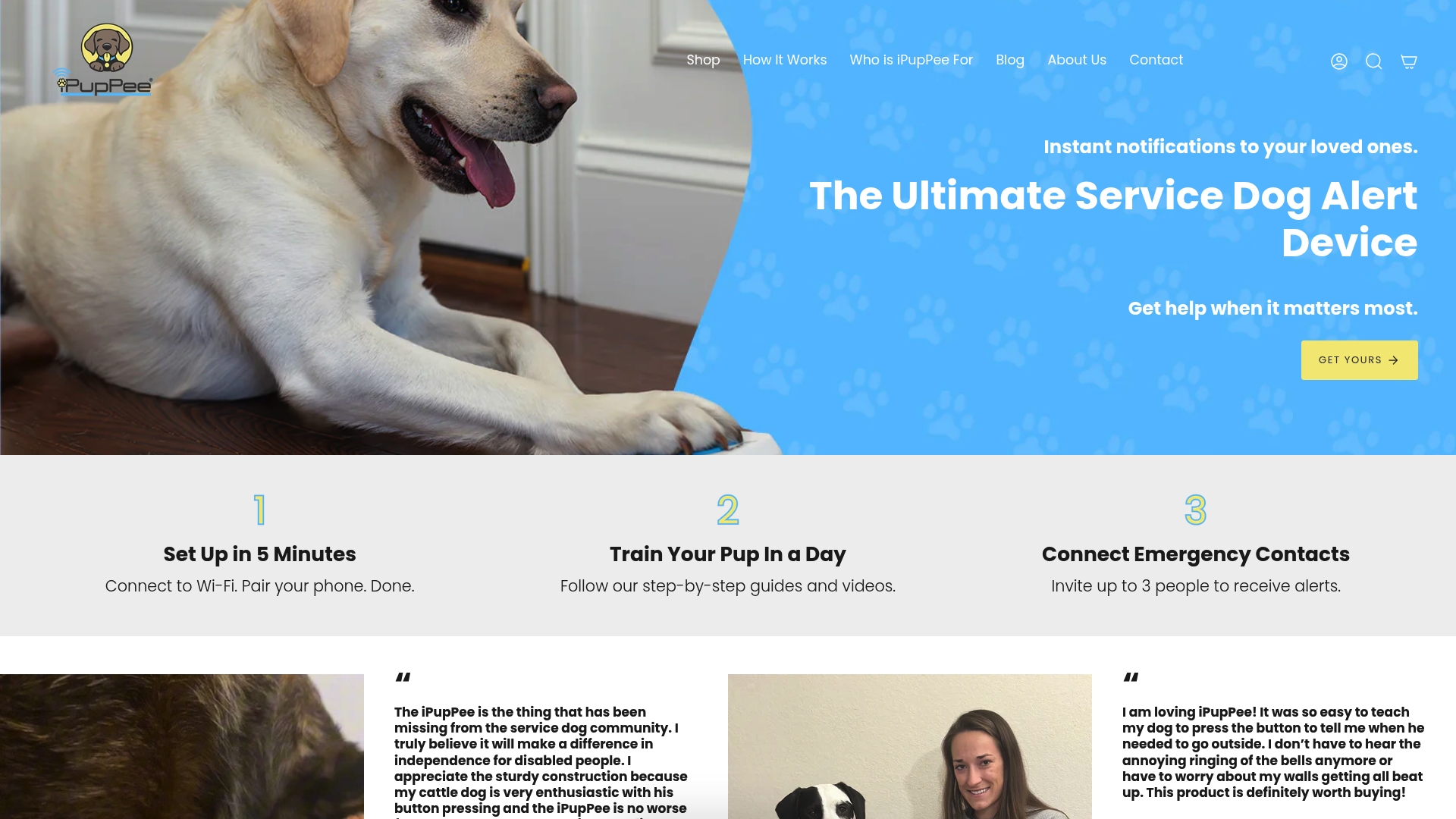
Discover how integrating modern communication tools like iPupPee can transform your training routine and deepen your connection. Visit iPupPee now to explore product features, training guides, and testimonials. Take the next step to enhance your dog’s communication skills and provide peace of mind with this unique safety device. Don’t wait to create a clearer, more confident relationship with your furry friend.
Frequently Asked Questions
How can I create clear and consistent commands for my dog?
To create clear and consistent commands, choose one specific word for each command and use it every time. For example, always say ‘Sit’ instead of variations like ‘Sit down’ or ‘Sit now’ to prevent confusion and enhance your dog’s understanding.
What is the best way to use positive reinforcement in dog training?
Positive reinforcement involves rewarding your dog immediately after they perform a desired behavior, such as sitting or staying. Use treats, praise, or toys as rewards to create a strong link between the behavior and the reward, encouraging your dog to repeat the action.
How do I effectively use hand signals alongside verbal commands?
To effectively use hand signals, create simple, distinct gestures for each command and pair them with your verbal cues. Start teaching hand signals with the verbal command and gradually phase out the voice cue, rewarding your dog when they respond correctly to the hand signal.
What role does my tone of voice play in training my dog?
Your tone of voice is crucial as dogs can pick up on emotional nuances in speech. Use a calm voice for commands and an enthusiastic tone for praise to help your dog understand what you want while reinforcing a positive training environment.
How can technology, like communication devices, assist in dog training?
Communication devices can help dogs signal their needs or alert you to emergencies, serving as a helpful supplement to traditional training. Start using a device gradually in your dog’s routine, rewarding them for proper use to enhance their communication and understanding.
What should I keep in mind when training senior or special needs dogs?
When training senior or special needs dogs, adapt your techniques to suit their individual abilities and limitations. Keep training sessions shorter and more frequent, and focus on gentle, supportive interactions to build confidence and facilitate learning.