

Over 4 million American children share their homes with a family dog, making safety a daily concern for countless households. As service and rescue dogs become trusted companions and helpers, understanding how to protect both your children and pets becomes crucial. This guide breaks down practical dog safety strategies and introduces innovative communication tools designed to help families create a secure, loving environment where every member—human or canine—feels understood and supported.
Table of Contents
- Dog Safety Defined for Family Environments
- Types of Communication Tools for Safer Homes
- Service and Rescue Dogs: Roles and Benefits
- Safe Child-Dog Interactions and Training Tips
- Risks, Common Mistakes, and Prevention Strategies
Key Takeaways
| Point | Details |
|---|---|
| Dog Safety Essentials | Foster mutual respect and clear communication between dogs and family members to ensure a safe environment. |
| Communication Tools | Utilize innovative technologies to monitor and interact with dogs, enhancing understanding of their behavior and needs. |
| Child-Dog Interaction | Teach children respectful interaction techniques and ensure adult supervision during all encounters with dogs. |
| Risk Mitigation | Implement systematic training and established protocols to prevent common dog-related incidents effectively. |
Dog Safety Defined for Family Environments
Dog safety represents a comprehensive approach to creating secure, positive interactions between canine companions and family members. Understanding safety goes beyond basic precautions - it involves developing mutual respect, communication, and predictable behavioral patterns. Foundational research on dog safety demonstrates that consistent parental modeling and direct engagement are critical in establishing safe home environments.
In family settings, dog safety encompasses several key dimensions: physical protection, emotional understanding, and structured interaction protocols. Children must learn appropriate ways to approach, touch, and communicate with dogs, recognizing subtle body language signals that indicate comfort or potential stress. Boundary setting becomes crucial, teaching family members how to respect the dog’s personal space and read canine communication cues effectively.
The secure base effect plays a significant role in creating safety. Research investigating attachment between dogs and human families reveals that dogs rely on family members for emotional security and behavioral guidance. This means establishing clear leadership, consistent training, and providing a predictable environment where the dog feels protected and understands expectations.
Pro tip: Practice weekly family dog safety training sessions where everyone learns and reinforces appropriate interaction techniques, helping create a harmonious and secure home environment.
Types of Communication Tools for Safer Homes
Modern dog safety increasingly relies on innovative communication technologies that bridge the gap between human understanding and canine behavior. Recent technological advancements in digital communication tools have revolutionized how families can interact with and monitor their dogs, providing unprecedented insights into animal well-being and potential safety concerns.
The landscape of dog communication tools encompasses several key categories. Wearable sensors offer real-time health and location tracking, allowing families to monitor their dog’s vital signs and movement patterns. Vibrotactile devices provide tactile communication methods, enabling subtle interactions that can help dogs with anxiety or those requiring specialized communication support. Video-based interfaces have also emerged, allowing for remote monitoring and interaction, particularly beneficial for families with service dogs or pets requiring additional supervision.
Comprehensive canine communication research suggests that effective tools must integrate both technological capabilities and an understanding of natural dog communication channels. This means combining digital innovations with traditional observational skills, such as recognizing visual, auditory, and behavioral cues. Advanced communication tools now blend sensor technology, machine learning algorithms, and behavioral analysis to provide more nuanced insights into a dog’s emotional and physical state.
Pro tip: Select communication tools that complement your family’s specific needs, focusing on devices that provide clear, actionable information about your dog’s health, location, and emotional well-being.
Service and Rescue Dogs: Roles and Benefits
Global research on working dogs reveals a profound and multifaceted role these extraordinary animals play in supporting human communities. Service and rescue dogs represent more than just companions - they are highly trained professionals providing critical assistance across multiple domains, from emergency response to emotional support and specialized medical detection.
The spectrum of service dog roles is remarkably diverse. Assistance dogs help individuals with physical disabilities navigate daily challenges, providing mobility support and independence. Medical alert dogs can detect subtle changes in human physiology, warning about potential health emergencies like seizures or blood sugar fluctuations. Rescue dogs work in challenging environments, participating in search and rescue operations, disaster response, and conservation efforts that often save human lives.
Comprehensive studies on working dogs highlight the rigorous training and selection processes these remarkable animals undergo. Specialized training involves not just task performance, but also emotional intelligence, stress management, and the ability to remain calm and focused in high-pressure situations. These dogs undergo extensive psychological and physical assessments to ensure they can reliably perform their critical support functions while maintaining their own well-being.
Here’s a quick reference of common service and rescue dog roles and the unique benefits each provides:
| Role | Main Function | Primary Benefit |
|---|---|---|
| Assistance Dog | Help with mobility tasks | Increased independence |
| Medical Alert Dog | Detect health changes | Early medical intervention |
| Rescue Dog | Search and save in emergencies | Lives saved in disasters |
| Emotional Support Dog | Provide comfort and stability | Reduced anxiety and stress |
Pro tip: When considering a service or rescue dog, prioritize understanding the specific training requirements, ongoing support needs, and the unique bond that develops between these exceptional working animals and their human partners.
Safe Child-Dog Interactions and Training Tips
Comprehensive research on child-dog interactions reveals that safety is not about fear, but about understanding and mutual respect. Creating a harmonious relationship between children and dogs requires intentional education, supervision, and consistent training strategies that help both parties learn appropriate communication and boundaries.
Key safety principles focus on teaching children respectful dog interaction techniques. This includes understanding canine body language, recognizing signs of stress or discomfort, and learning appropriate ways to approach and touch dogs. Children should be taught never to approach dogs while they are eating, sleeping, or caring for puppies. Supervised interactions are crucial, with adults actively monitoring and guiding both the child and dog’s behaviors to prevent potential misunderstandings or accidents.
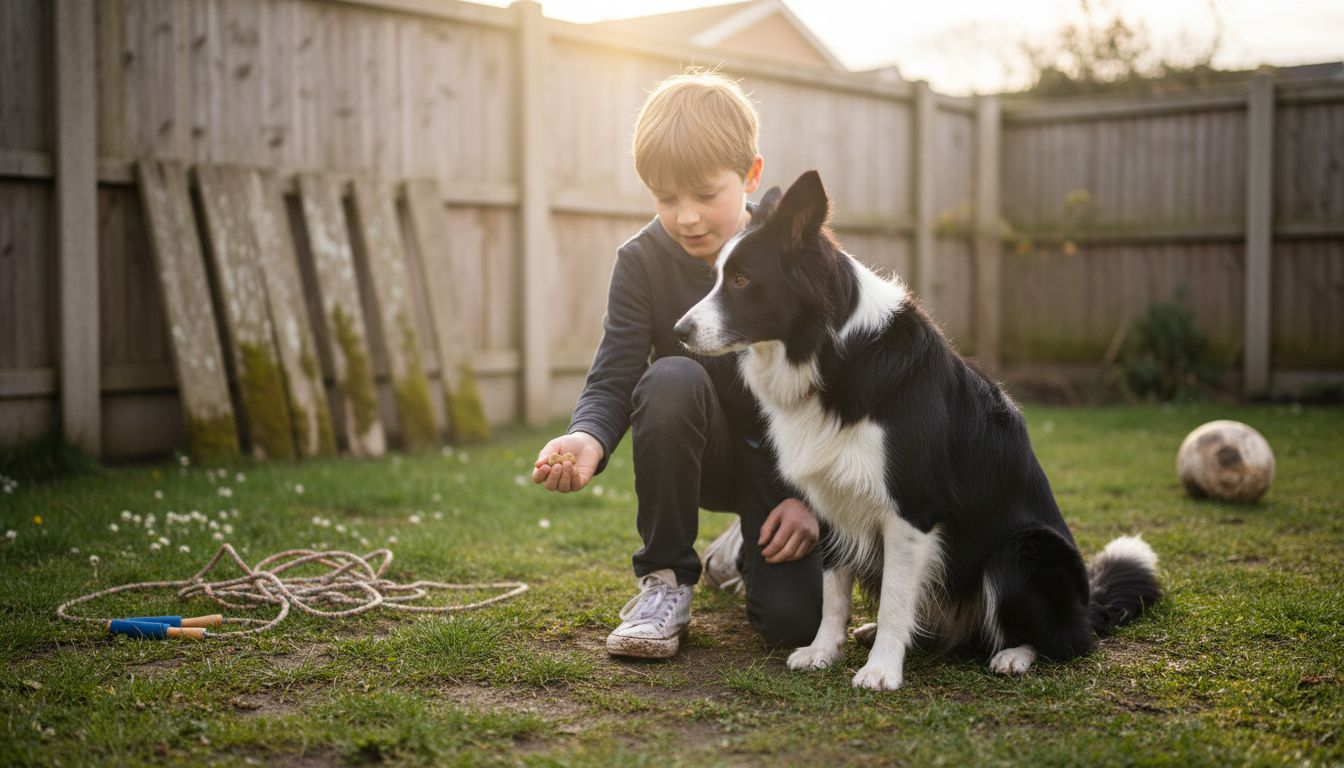
Practical guidelines from expert organizations recommend specific training approaches for families. These include teaching children to ask permission before petting unfamiliar dogs, using calm and gentle movements, and avoiding direct eye contact or sudden movements that might startle a dog. Dogs, in turn, should be trained using positive reinforcement techniques that build confidence, reduce anxiety, and establish clear communication pathways between the animal and family members.
Pro tip: Create a family dog interaction handbook with clear rules, practice sessions, and age-appropriate guidelines to ensure consistent and safe communication between children and dogs.
Risks, Common Mistakes, and Prevention Strategies
Global research on dog bite prevention highlights that understanding potential risks requires a multifaceted approach addressing behavioral, environmental, and educational factors. Most dog-related incidents are preventable through proactive strategies that focus on recognizing warning signs, implementing structured training, and creating safe interaction protocols for families.
Common mistakes that increase dog-related risks include inadequate socialization, inconsistent training methods, and misreading canine body language. Misinterpreted signals can lead to escalating tension between dogs and humans. Key risk factors involve failing to establish clear boundaries, allowing unsupervised interactions between children and unfamiliar dogs, and not recognizing signs of dog stress or discomfort before potential aggressive responses.
Prevention strategies require a comprehensive approach. Systematic training involves educating both dogs and family members about appropriate interactions, teaching dogs impulse control, and helping humans understand canine communication signals. This includes recognizing early warning signs like raised hackles, whale eye, stiff body posture, and other subtle indicators of potential distress that might precede more aggressive behaviors.

Use this summary to understand major risks and how to prevent them in home environments:
| Risk Factor | Common Mistake | Prevention Strategy |
|---|---|---|
| Misinterpreted Signals | Not reading body language | Regular canine behavior training |
| Inadequate Socialization | Limited exposure to new people or places | Gradual, positive introductions |
| Unsupervised Interactions | Leaving child and dog alone | Active adult supervision always |
Pro tip: Develop a family dog safety protocol that includes regular training sessions, clear interaction rules, and periodic assessments of your dog’s behavioral health and comfort levels.
Enhance Your Family’s Dog Safety with Smart Communication Solutions
The article highlights the critical need for clear communication and mutual understanding in family environments to keep both dogs and children safe. Challenges like misinterpreting canine body language and ensuring supervised interactions can create stress and risk for everyone involved. Concepts like the secure base effect and respectful dog interaction underline the importance of consistent, reliable signaling between dogs and family members.
Our innovative device at iPupPee directly addresses these pain points by empowering your dog to send clear, simple messages through an easy-to-use communication button. Whether you have a service dog, a rescue dog, or a playful family pet, this device enhances safety and trust by bridging the gap between canine needs and human understanding. Combined with comprehensive training instructions, iPupPee supports families in building confident, calm, and structured interactions that reduce anxiety and prevent misunderstandings.
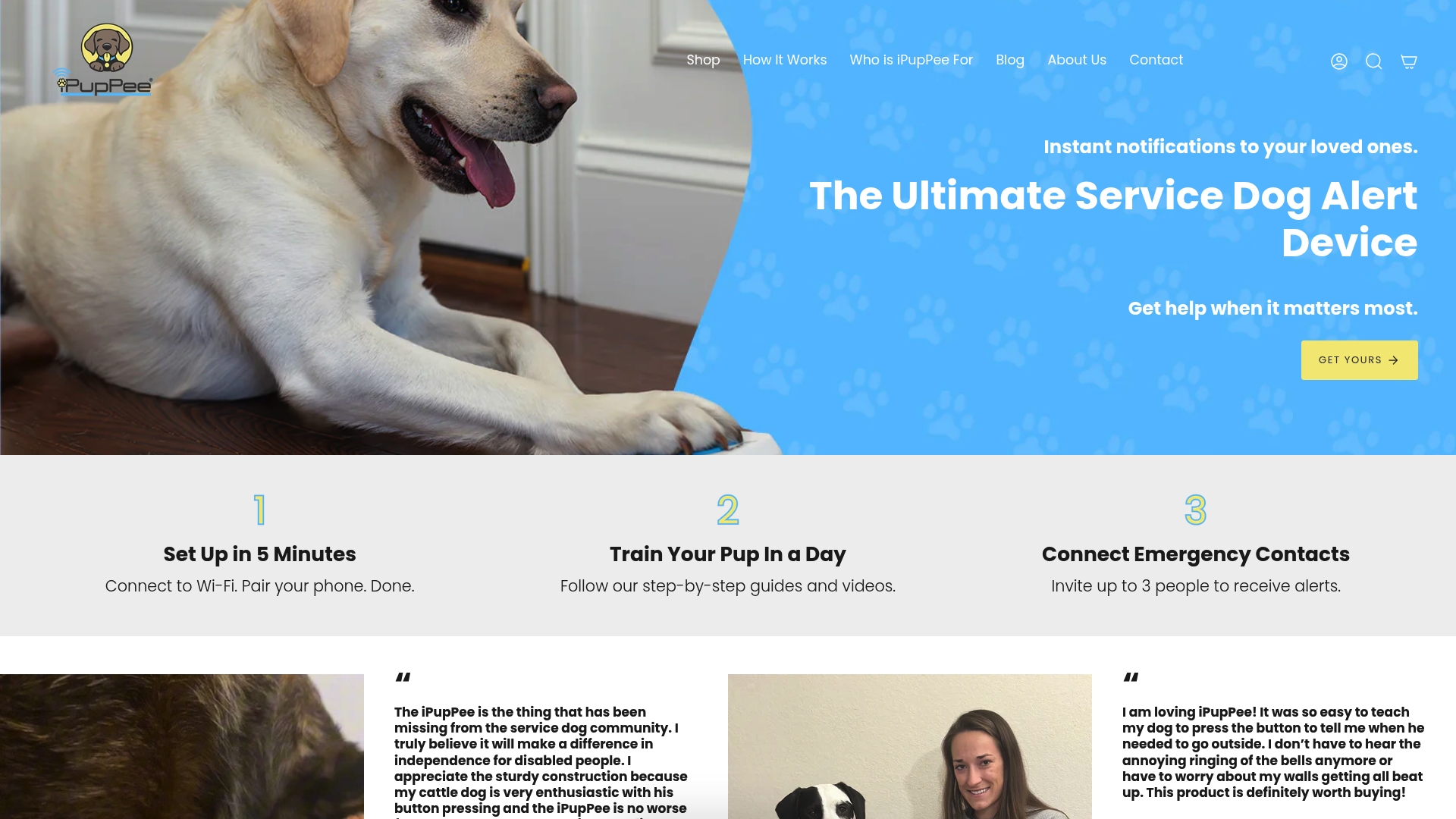
Take a decisive step toward a safer, happier home today. Discover how the iPupPee device can transform your dog’s communication with your family by visiting iPupPee. Start fostering trust and security now and create a lasting bond built on clear signals and respect.
Frequently Asked Questions
What are the key components of dog safety in family environments?
Dog safety in family environments includes physical protection, emotional understanding, and structured interaction protocols. It’s essential to teach children appropriate ways to approach and communicate with dogs, respect their personal space, and understand canine body language.
How can families improve communication with their dogs?
Families can enhance communication with their dogs by using technological tools such as wearable sensors and video-based interfaces. These tools support monitoring a dog’s health and behavior while integrating traditional observational skills to recognize visual and auditory cues.
What are the common risks associated with child-dog interactions?
Common risks include misinterpreting a dog’s body language, inadequate socialization, and allowing unsupervised interactions between a dog and a child. These factors can lead to misunderstandings that may escalate into aggressive behaviors.
How can families teach children safe dog interaction techniques?
Families can teach children safe interaction techniques by educating them on reading canine body language, encouraging respectful approaches to dogs, and ensuring that interactions are supervised. Creating a family dog interaction handbook with clear rules and practice sessions can reinforce these safe practices.
Recommended
- How to Improve Dog Safety at Home and Outdoors 2025 – iPupPee
- Understanding Dog Safety at Home: Essential Insights – iPupPee
- Complete Guide to Pet Owner Safety Guidelines – iPupPee
- The Essential Guide to the Importance of Pet Safety – iPupPee
- Universal Rear Seat Pet Car Cover – Waterproof, Durable, Scratch-Proof – Pawfect Picks