

Clear communication is the backbone of every successful service dog partnership, yet terminology confusion can easily lead to setbacks. For handlers and trainers worldwide, mastering the language of service dog training is more than formality—it is about ensuring safety, consistency, and respect within the community. By focusing on core terminology in service dog training, you set the stage for productive teamwork, whether in daily routines or when utilizing advanced tools like the iPupPee device.
Table of Contents
- Core Terminology In Service Dog Training
- Key Distinctions: Service, Therapy, Emotional Support
- Legal Definitions And International Standards
- Training Cues, Tasks, And Handlers’ Roles
- Common Misconceptions And Avoidable Mistakes
Key Takeaways
| Point | Details |
|---|---|
| Understanding Terminology | Mastering key terms like ‘Service Dog,’ ‘Handler,’ and ‘Task Training’ is essential for effective communication and training within the service dog community. |
| Legal Distinctions | Recognizing the differences between service dogs, therapy dogs, and emotional support animals is critical for understanding their rights and legal protections. |
| Handler Responsibilities | Handlers must maintain clear communication and adaptability in training to ensure their service dog’s success and reliability. |
| Addressing Misconceptions | Educating the public about common myths surrounding service dogs can enhance interactions and reduce discrimination against service animal teams. |
Core Terminology in Service Dog Training
Understanding service dog terminology is crucial for effective training, communication, and professional interactions within the service dog community. Precise terminology helps handlers, trainers, and medical professionals collaborate effectively.
Key service dog training terms include:
- Service Dog: A professionally trained dog specifically taught to perform tasks for individuals with disabilities
- Task Training: Specific skill development targeting the handler’s unique needs
- Public Access: The legal right for trained service dogs to accompany their handler in public spaces
- Handler: The individual who works directly with and receives support from the service dog
- Cue: A verbal or physical signal instructing the dog to perform a specific action
- Obedience Foundation: Basic behavioral training establishing communication and control
These terms form the foundation of professional service dog work. Understanding their precise definitions ensures clarity and sets realistic expectations for training outcomes. Consistent terminology prevents miscommunication and helps establish professional standards across training programs.
Professional service dog training requires distinguishing between different types of assistance animals. Not all support animals serve the same function. Therapy dogs, emotional support animals, and service dogs have distinct legal definitions and training requirements.
Pro tip: Always verify specific terminology with professional service dog training organizations to ensure you’re using the most current and accurate definitions.
Key Distinctions: Service, Therapy, Emotional Support
Legal definitions for assistance animals differ significantly across various support categories. Understanding these distinctions is crucial for handlers, medical professionals, and organizations working with support animals.
Key differences between assistance animal types include:
-
Service Dogs: Specifically trained to perform tasks for individuals with disabilities
- Protected under Americans with Disabilities Act (ADA)
- Allowed in all public spaces
- Undergo intensive task-specific training
-
Therapy Dogs: Provide comfort in specific settings like hospitals or schools
- Require certification and temperament testing
- Not granted public access rights
- Work in controlled environments with handler supervision
-
Emotional Support Animals: Provide psychological comfort to their handlers
- No specific task training required
- Limited legal protections
- Primarily support mental health conditions
These distinctions are critical because they determine legal rights, training requirements, and public access permissions. Service dogs have the most comprehensive protections, while emotional support animals have the most limited legal recognition.
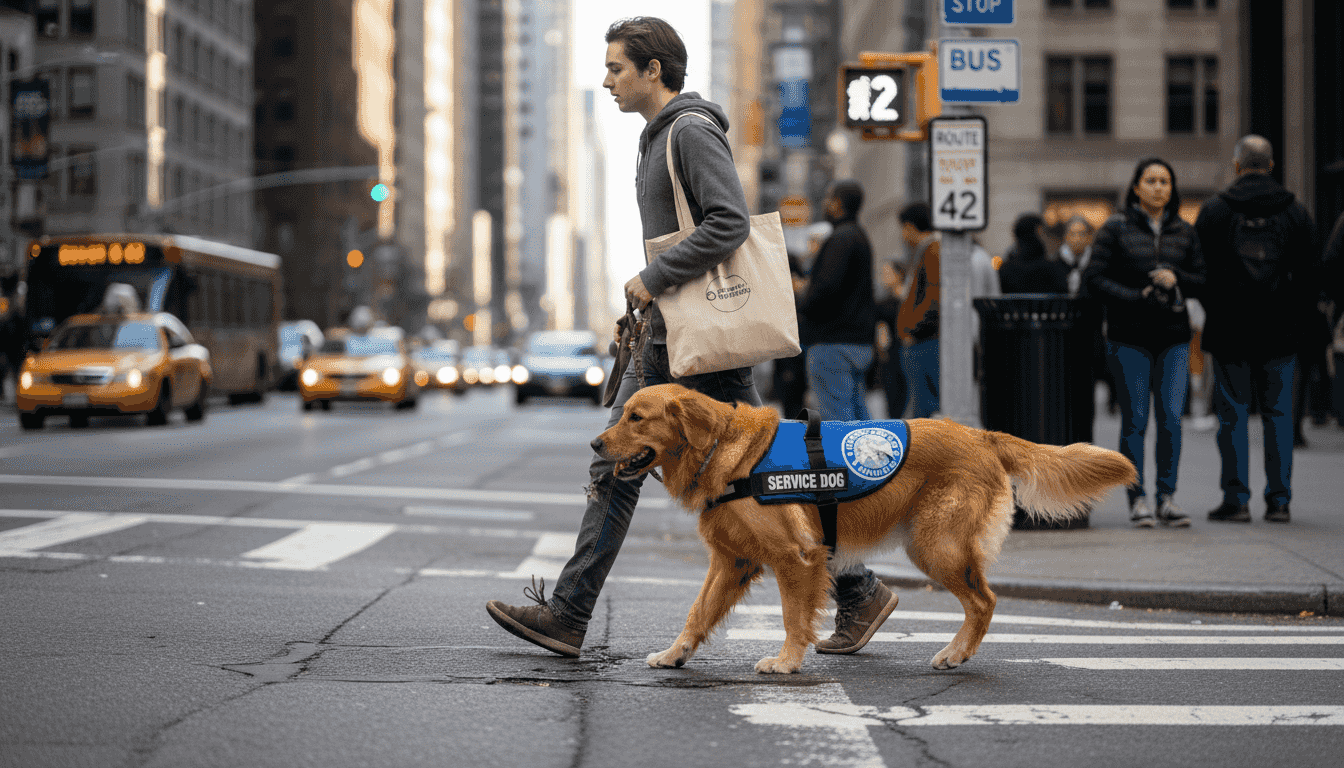
Professional organizations emphasize that not all support animals serve identical purposes. A service dog trained to guide a visually impaired individual differs dramatically from a therapy dog providing comfort in a children’s hospital or an emotional support animal helping someone manage anxiety.
Here’s a concise comparison of assistance animal types to clarify their key differences:
| Animal Type | Primary Role | Legal Protection Level | Typical Training Requirements |
|---|---|---|---|
| Service Dog | Disability task performance | Highest (ADA protected) | Intensive, specialized tasks |
| Therapy Dog | Comfort in public settings | Limited (by institution) | Certification and temperament |
| Emotional Support Animal | Psychological support | Least legal recognition | Minimal to none |
Pro tip: Always verify the specific legal status and training requirements for assistance animals with local authorities and professional service dog organizations.
Legal Definitions and International Standards
Global standards for assistance dogs have become increasingly sophisticated in recent years, creating a complex framework of legal protections and training requirements across different jurisdictions.
Key international legal considerations include:
- United Nations Convention: Recognizes assistance dogs as critical disability support tools
- Regional Variations: Significant differences in legal recognition between countries
- Accreditation Standards: Professional organizations establish minimum training requirements
- Public Access Rights: Legally defined permissions vary dramatically worldwide
The Assistance Dogs International (ADI) plays a crucial role in establishing global standards. Their accreditation process ensures that service dogs meet rigorous training criteria, focusing on:
- Disability mitigation capabilities
- Handler safety protocols
- Professional training standards
- Behavioral consistency
European Union countries have been particularly proactive in developing comprehensive legal frameworks. Specific EU regulations demonstrate a nuanced approach to recognizing and protecting the rights of individuals with service animals.
International legal standards continue to evolve, reflecting a growing understanding of how assistance dogs support individuals with disabilities. The complexity of these regulations highlights the importance of specialized training and professional certification.
Pro tip: Always consult local legal authorities and professional service dog organizations to understand the specific rights and requirements in your jurisdiction.
Training Cues, Tasks, and Handlers’ Roles
Service dog training involves complex communication strategies between handlers and their canine partners, requiring precise understanding of cue modalities and task development.
Key components of effective service dog training include:
-
Cue Types:
- Verbal Cues: Spoken commands
- Visual Cues: Hand signals or body language
- Physical Cues: Touch-based instructions
-
Task Training Principles:
- Individualized to handler’s specific disability needs
- Requires consistent, repetitive practice
- Must be generalizable across different environments
Handler Responsibilities encompass multiple critical aspects of service dog training and management. These include:
- Establishing clear communication protocols
- Maintaining consistent training standards
- Adapting tasks to changing personal needs
- Ensuring ongoing skill maintenance
Selecting and training appropriate cues requires careful consideration. Cue selection involves multiple strategic factors, including the handler’s physical capabilities, environmental constraints, and the specific tasks required.
Successful service dog teams develop a nuanced communication system that goes beyond simple commands. This sophisticated interaction allows dogs to respond to both explicit instructions and subtle environmental or physiological changes that indicate their handler’s needs.
The table below summarizes critical handler responsibilities throughout the service dog’s training lifecycle:
| Responsibility Area | Key Focus | Impact on Team Success |
|---|---|---|
| Communication Protocols | Clear, consistent cues | Reduces confusion during tasks |
| Ongoing Training | Practice and reinforcement | Maintains reliability |
| Adaptability | Adjusting tasks as needs change | Ensures ongoing suitability |
| Skill Maintenance | Regular skill refreshers | Preserves high task performance |
Pro tip: Work with professional service dog trainers to develop a personalized cue system that matches your unique communication style and disability requirements.
Common Misconceptions and Avoidable Mistakes
Poorly trained service dogs create significant challenges for handlers and damage public perception of legitimate service animal teams.
Common misconceptions about service dogs include:
-
Legal Status Myths:
- Service dogs do not require official certification
- No universal identification card exists
- Handlers are not obligated to disclose specific medical details
-
Training Misunderstandings:
- Not all service dogs are professionally trained
- Individual handler needs determine training approaches
- Generic training does not guarantee effective task performance
Most damaging misconceptions emerge from public misunderstandings about service dog roles:
- Assuming all service dogs look identical
- Believing any dog can become a service animal
- Thinking emotional support animals have same legal protections
- Expecting service dogs to behave perfectly in all situations
Service dog myths frequently undermine handler independence by creating unnecessary barriers and social challenges. Understanding these nuanced distinctions helps create more supportive environments for individuals with disabilities.
Professional service dog organizations emphasize education as the primary strategy for addressing these misconceptions. Public awareness can significantly improve interactions and reduce discrimination against service dog teams.
Pro tip: Always approach service dog teams with respect, avoiding unsolicited questions or interactions that might disrupt their critical work.
Enhance Communication and Safety with Precision Terminology in Service Dog Training
Understanding the exact terminology in service dog training is vital for effective communication between handlers and their dogs as well as with medical professionals. When training tasks and cues must be clear and consistent, tools that support this communication become essential. If you are a service dog handler or working toward precise task training, the challenges of conveying needs quickly and reliably can create daily frustrations and safety risks.
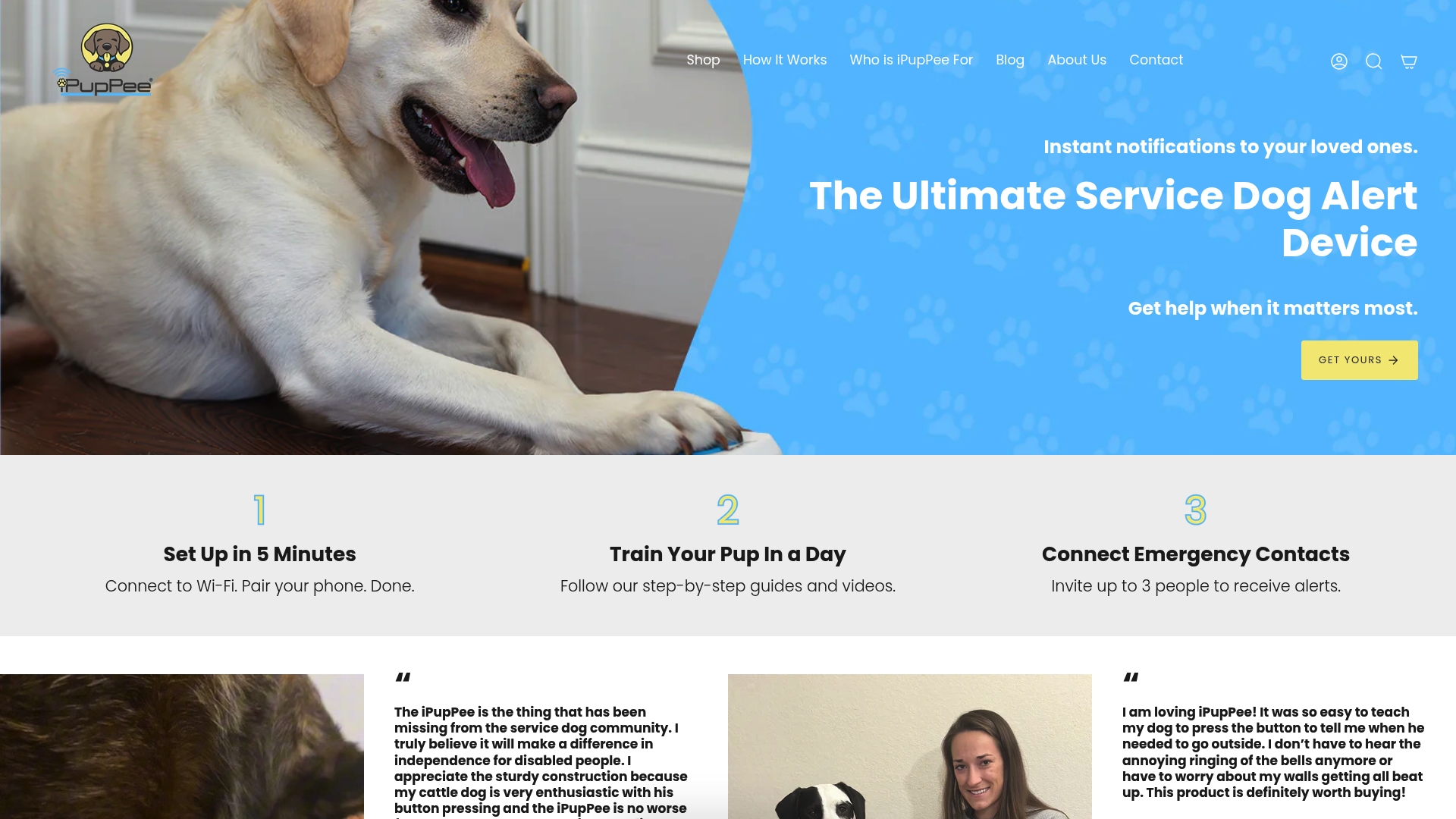
Discover how the innovative iPupPee device from iPupPee bridges these communication gaps by allowing dogs to alert owners with a simple button press. This device supports the tailored cue systems and public access goals discussed in the article by improving your dog’s ability to communicate effectively. Visit our homepage to explore product features and training tips that support your journey toward greater handler independence and safety. Take the next step to empower your service dog partnership with technology designed to meet your precise needs.
Learn more about how to integrate the iPupPee alert device with professional training guidance in order to reinforce clear cues and task performance by visiting iPupPee today.
Frequently Asked Questions
What is the definition of a service dog?
A service dog is a professionally trained dog specifically taught to perform tasks for individuals with disabilities, enhancing their quality of life.
How do service dogs differ from therapy dogs and emotional support animals?
Service dogs are trained to perform specific tasks for people with disabilities and have legal protections under the Americans with Disabilities Act (ADA). Therapy dogs provide comfort in controlled environments like hospitals but do not have public access rights. Emotional support animals offer psychological comfort but lack specific task training and legal protections.
What are the key components of effective service dog training?
Effective service dog training involves precise communication strategies, individualized task training based on the handler’s needs, and ongoing skill maintenance to ensure reliability and adaptability in different environments.
Why is understanding service dog terminology important?
Understanding service dog terminology is crucial for effective communication and collaboration among handlers, trainers, and medical professionals. Proper terminology prevents miscommunication and helps set clear expectations for training outcomes.