

Did you know that over 10 million pets are lost each year in the United States alone? Keeping your pet safe involves much more than just locking a gate or putting on a collar. Many owners overlook hidden risks and underestimate new technologies that can protect their animal companions. Understanding the real meaning of pet safety can help you avoid common mistakes and make better choices for your pet’s health, security, and happiness.
Key Takeaways
| Point | Details |
|---|---|
| Comprehensive Pet Safety | Pet safety involves proactive measures for physical and emotional well-being beyond food and shelter. |
| Legal Responsibilities | Pet owners have legal and ethical obligations, including proper care and regular veterinary visits. |
| Emerging Technologies | Modern solutions like microchipping and GPS tracking enhance pet safety, offering real-time location and health monitoring. |
| Preventative Practices | Implementing best practices and avoiding common mistakes can significantly reduce risks and enhance pet safety. |
Table of Contents
- Defining Pet Safety And Common Misconceptions
- Major Types Of Pet Safety Hazards
- Role Of Technology In Enhancing Pet Safety
- Legal Duties And Responsibilities For Owners
- Preventing Accidents: Best Practices And Mistakes
Defining Pet Safety And Common Misconceptions
Pet safety goes far beyond simply providing food and shelter. Pet safety is a comprehensive approach to protecting your animal companion from potential risks, ensuring their physical and emotional well-being through proactive measures and thoughtful care. Many pet owners inadvertently misunderstand what truly constitutes a safe environment for their furry friends.
According to research from legal sources, there are fundamental legal and ethical obligations every pet owner must understand. These include:
- Providing adequate nutrition
- Ensuring proper shelter
- Maintaining regular veterinary care
- Using appropriate identification methods
- Following local leash and control regulations
One prevalent misconception is that traditional methods like collar tags are sufficient for pet safety. Technological trends indicate that modern solutions like microchipping and GPS tracking offer far more comprehensive protection. These technologies provide real-time location tracking, significantly increasing the chances of reuniting with a lost pet and offering peace of mind for owners.
Here’s a comparison of traditional and modern pet safety technologies:
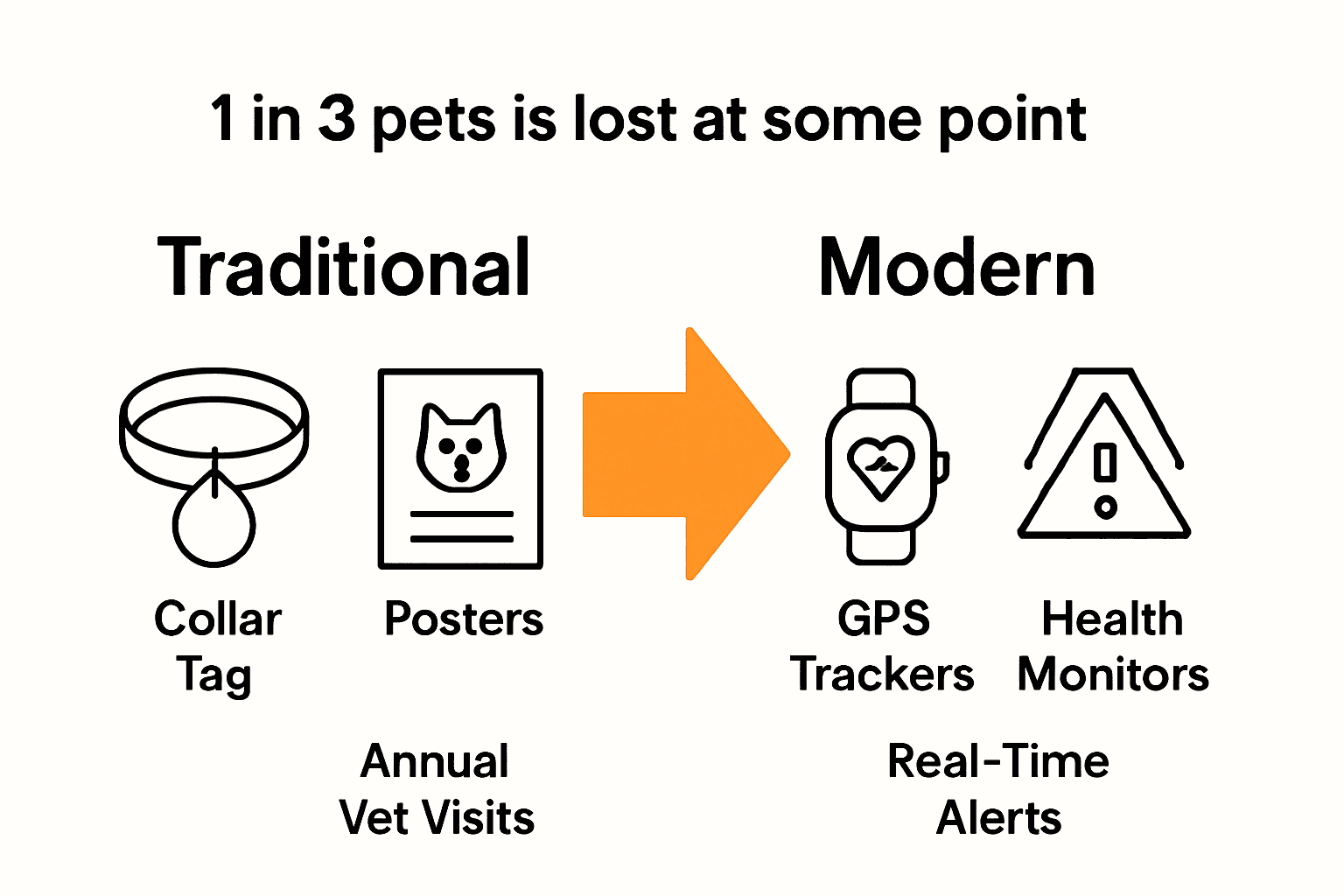
| Feature | Traditional Methods | Modern Technologies |
|---|---|---|
| Identification | Collar tags | Microchips GPS trackers |
| Supervision | Physical monitoring | Smart cameras Wi-Fi sensors |
| Recovery Support | Community posters Lost & found calls |
Real-time location alerts Geo-fencing |
| Health Tracking | Annual vet visits | Automated health monitors AI analysis |
| Emergency Prevention | Personal vigilance | Automated alerts Presence detection systems |
Understanding pet safety requires recognizing that it’s an ongoing commitment. It’s not just about preventing immediate physical harm, but creating a holistic environment that supports your pet’s health, security, and happiness. Read more about improving dog safety to develop a more comprehensive approach to protecting your beloved companion.
Major Types Of Pet Safety Hazards
Pet safety hazards encompass a wide range of potential threats that can compromise an animal’s health and well-being. Understanding these risks is crucial for preventing accidents and protecting our furry companions from harm. From environmental dangers to human-related risks, pet owners must remain vigilant and proactive.
According to the European Convention for the Protection of Pet Animals, several critical welfare concerns pose significant safety risks to pets:
- Environmental hazards in living spaces
- Potential for physical injury
- Risk of neglectful treatment
- Inadequate nutrition and care
- Exposure to extreme temperatures
One of the most dangerous and frequently overlooked hazards involves vehicle-related risks. Research from recent technology studies highlights heatstroke as a life-threatening condition when pets are left in vehicles. Temperature can rapidly escalate inside closed cars, creating a potentially fatal environment for animals within minutes. This risk has prompted technological innovations aimed at detecting and preventing such incidents.
Beyond environmental threats, other major safety hazards include toxic household substances, potential escape routes, lack of proper identification, and inadequate medical care. Learn more about urban dog safety strategies to comprehensively protect your pet from various potential dangers. Responsible pet ownership means constantly evaluating and mitigating these risks to ensure your companion’s long-term health and safety.

Role Of Technology In Enhancing Pet Safety
Technology is rapidly transforming pet safety, offering innovative solutions that go far beyond traditional monitoring methods. Modern devices and systems are now capable of providing unprecedented levels of protection, health tracking, and emergency prevention for our animal companions.
Research from recent technological studies reveals groundbreaking developments in pet safety technology. For instance, Wi-Fi based presence detection systems like RapidPD can now detect pets left in vehicles with an astonishing 99% accuracy. These systems are designed to prevent potentially fatal scenarios like heatstroke, representing a significant leap forward in proactive pet protection.
Advanced technological solutions are emerging across multiple domains of pet care. According to innovative research, modular pet feeding devices now combine several critical safety features:
- Automated feeding schedules
- AI-powered health monitoring
- Behavioral pattern analysis
- Early detection of potential health anomalies
- Nutrition management
These intelligent systems represent more than just convenience—they’re transformative tools that provide real-time insights into a pet’s well-being. Explore our guide on dog alert device usage to understand how technology can be seamlessly integrated into your pet care routine. As technology continues to evolve, we can expect even more sophisticated solutions that prioritize the safety and health of our beloved animal companions.
Legal Duties And Responsibilities For Owners
Pet ownership is not just an emotional commitment but a legal responsibility that carries significant obligations. Understanding these legal requirements is crucial for ensuring the well-being of your animal companion and avoiding potential legal consequences.
According to the UK’s Animal Welfare Act of 2006, pet owners have a comprehensive set of legal duties that extend far beyond basic care. These fundamental responsibilities include:
- Providing a suitable living environment
- Ensuring proper nutrition and diet
- Allowing pets to exhibit natural behaviors
- Protecting animals from pain and injury
- Maintaining regular veterinary care
Research from international legal sources reveals that legal requirements can vary significantly between jurisdictions. Some regions, like Thailand, impose strict liability for animal-caused damages and require special permits for exotic pets. This means owners are legally accountable for their pet’s actions and must demonstrate responsible care.
Beyond legal compliance, these responsibilities reflect a deeper ethical commitment to animal welfare. Read more about safety tips for responsible dog ownership to understand how to navigate these legal and moral obligations effectively. Ultimately, being a responsible pet owner means treating your animal not just as a companion, but as a living being with fundamental rights to safety, health, and dignity.
Preventing Accidents: Best Practices And Mistakes
Pet safety requires a proactive and comprehensive approach that goes beyond basic care. Understanding potential risks and implementing strategic prevention methods can significantly reduce the likelihood of accidents and ensure your pet’s well-being.
According to technology safety trends, several best practices can dramatically enhance pet safety:
- Implement GPS tracking systems
- Use NFC identification tags
- Micro-chip your pet
- Establish 24/7 safety command systems
- Create comprehensive recovery protocols
Research on pet owner responsibilities highlights critical mistakes that can compromise pet safety. Common errors include failing to supervise pets, neglecting proper identification, and delaying veterinary response after incidents. Timely intervention and consistent monitoring are crucial in preventing potential accidents and ensuring swift action during emergencies.
Maintaining vigilance doesn’t mean constant stress—it means developing smart habits and leveraging available technologies. Learn more about safety training for your puppy to build a strong foundation of preventative care. Remember, preventing accidents is about creating a safe environment, understanding your pet’s unique needs, and being prepared to act quickly when unexpected situations arise.
Give Your Pet Real Safety and Independence Today
Are you worried about accidents at home or missing the signs your pet is trying to communicate? The Essential Guide to the Importance of Pet Safety highlights how traditional methods often fall short, especially for owners with service dogs, new puppies, or rescue animals. Your pet deserves more than just basic protection. With serious risks like emergency situations, failure to communicate, or leaving pets unsupervised, proactive solutions are more important than ever.
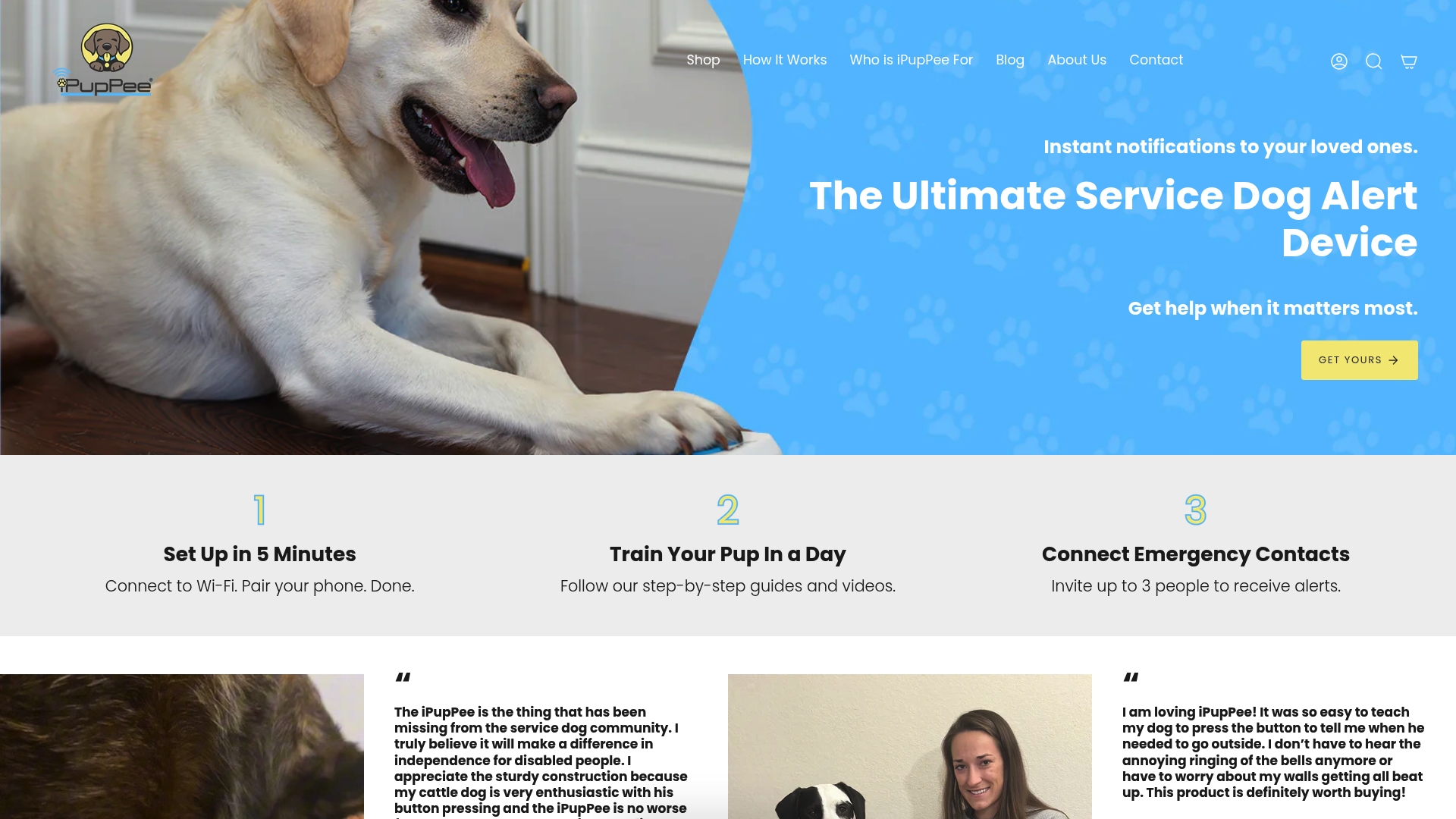
See how the iPupPee device helps bridge the gap between detection and action. Make your pet part of a safer environment while giving yourself real peace of mind. Our training guide for dog alert devices shows you how to teach your dog to use the device for instant communication, whether you are living alone, managing a service animal, or want to avoid preventable accidents. Explore real customer stories and let your own pet take the next step towards safety and independence. Visit ipuppee.com now to discover practical pet safety solutions that put control in your hands.
Frequently Asked Questions
What does pet safety entail?
Pet safety encompasses a comprehensive approach to protecting your animal companion, including providing adequate nutrition, proper shelter, regular veterinary care, and utilizing identification methods like microchips and GPS tracking.
How can technology improve pet safety?
Technology enhances pet safety through innovations like GPS tracking systems, automated health monitoring, and presence detection systems that alert owners when pets are in danger, such as being left in a hot vehicle.
What are common pet safety hazards I should be aware of?
Common pet safety hazards include environmental dangers, vehicle-related risks, toxic household substances, inadequate nutrition, and lack of proper identification, all of which can compromise your pet’s health and safety.
What legal responsibilities do pet owners have?
Pet owners have legal responsibilities that include providing a suitable living environment, proper nutrition, care, and ensuring their pets do not cause harm to others. These obligations reflect both legal and ethical commitments to ensuring animal welfare.