

Keeping your dog safe in urban environments can feel overwhelming. From constant noise to crowded sidewalks, city life introduces unique risks that many pet owners overlook. Whether you rely on a service dog for daily support or share your home with a beloved senior companion, every outing and even life at home carries its own set of challenges.
These challenges go beyond simple daily routines. Research shows that urban stressors like artificial light and pollution can disrupt your dog’s natural communication and well-being. Understanding these factors is the first step in protecting your dog’s health and creating a secure environment.
You will discover straightforward solutions that address real problems. Get ready for actionable tips that make city living safer and more comfortable for both you and your dog.
Table of Contents
- 1. Understanding Safe Urban Environments for Dogs
- 2. Choosing the Right Safety and Communication Devices
- 3. Leash, Harness, and Collar Safety Made Simple
- 4. Training Emergency Alerts and Signals
- 5. Creating a Secure Home for Dogs of All Ages
- 6. Safe Outdoor Practices for Walks and Outings
- 7. Recognizing and Preventing Common Urban Hazards
Quick Summary
| Takeaway | Explanation |
|---|---|
| 1. Recognize urban stressors. | Understanding the impact of noise, pollution, and artificial light on your dog enhances their safety in the city. |
| 2. Choose appropriate safety devices. | Equip your dog with fitting collars and harnesses that enhance security and communication in emergencies. |
| 3. Train emergency alerts consistently. | Focused training enables your dog to recognize and signal for help effectively during emergencies. |
| 4. Create a secure home environment. | Modify your living space to eliminate hazards and provide safe areas tailored to your dog’s needs across age stages. |
| 5. Conduct safe outdoor practices. | Maximize your dog’s enrichment during walks while ensuring safety through thoughtful route planning and leash use. |
1. Understanding Safe Urban Environments for Dogs
Your dog experiences the city differently than you do. While you navigate traffic and crowded sidewalks, your dog processes a sensory-rich environment full of unfamiliar stimuli that can trigger stress and anxiety. Urban spaces present unique challenges that affect how your dog communicates, socializes, and stays safe. The concrete jungle that defines city living introduces constant noise, artificial lighting, sealed surfaces, and pollution that fundamentally alter your dog’s natural behavior patterns. Understanding these environmental stressors is the foundation for keeping your service dog or senior companion safe in an urban setting.
Research into how urbanization affects animal behavior reveals that 92% of studies document significant impacts on social relationships and communication among city dwellers, whether human or canine. Cities interfere with animals’ ability to build stable social groups, acquire food naturally, and avoid perceived threats. For your dog, this means the constant drone of traffic can mask important audio cues that normally help them navigate their environment. Sealed concrete surfaces eliminate the natural scents dogs rely on for wayfinding and territorial awareness. Artificial lighting disrupts circadian rhythms that influence sleep quality and stress levels. These factors combine to create a high-stress environment that demands active management from you as a responsible owner.
The good news is that recognizing these urban stressors empowers you to adapt your daily routine. This might mean choosing quieter routes for walks during peak traffic hours, using noise-reducing harnesses or protective gear, and ensuring your dog has access to green spaces that provide sensory relief. Service dogs particularly benefit from predictable, controlled exposure to urban stimuli combined with dedicated recovery time in calm environments. For senior dogs living in cities, understanding that their senses may already be compromised by age makes environmental awareness even more critical. By acknowledging how the urban landscape affects your dog’s wellbeing, you transition from simply managing behavior to actively creating conditions that support their safety and stability.
Pro tip Schedule regular walks in quieter neighborhoods or parks during off-peak hours, and establish a safe indoor retreat space where your dog can decompress from urban sensory overload daily.
2. Choosing the Right Safety and Communication Devices
The right safety device can transform how you and your dog interact, especially when you need reliable communication during emergencies or daily activities. Whether you’re a senior navigating urban streets with your service dog or managing a companion animal in a busy household, selecting appropriate safety equipment goes beyond basic collars and leashes. Your choice determines not only how secure your dog remains but also how effectively they can alert you to important situations. This decision requires understanding what different devices do, how they fit your dog’s specific needs, and whether they meet established safety standards that protect your pet during unexpected situations.
When evaluating safety devices, look for options that match your dog’s size, temperament, and daily activities. Properly fitting collars come in several varieties, each serving different purposes. Flat collars work for everyday wear with identification tags, while martingale collars prevent slip escapes for dogs prone to backing out of regular collars. For anxious dogs, calming collars offer soothing properties that reduce stress during walks. Tech collars equipped with GPS tracking and health monitoring provide peace of mind for senior owners or those with service dogs who need continuous oversight. Beyond collars, harnesses distribute pressure more evenly across your dog’s body, reducing neck strain and providing better control during walks or travel. When your dog needs to travel safely in vehicles, look for carriers and restraints that have been tested by independent organizations. The Center for Pet Safety certifies products through rigorous crash testing, ensuring manufacturers meet standards that genuinely protect your dog during emergencies.
For service dogs and seniors living in urban areas, communication devices add an essential layer of safety that traditional equipment alone cannot provide. These tools allow your dog to initiate contact, alert you to medical situations, or signal when they need immediate assistance. The key is matching the device to your dog’s training level and your lifestyle needs. A device that works perfectly for a highly trained service dog may overwhelm a rescued dog still learning basic commands. Test multiple options in low-stress environments before relying on them during critical moments. Consider devices with clear feedback mechanisms so both you and your dog understand when communication has been successful. This builds confidence in your dog and ensures you recognize alerts when they happen. Start with equipment that feels natural to your daily routine, then gradually introduce more specialized devices as your dog becomes comfortable.
Pro tip Invest time testing devices in calm home environments first, allowing your dog to become familiar with how each piece functions before depending on it during stressful situations in public.
3. Leash, Harness, and Collar Safety Made Simple
Your leash, harness, and collar system is literally what keeps your dog connected to you during walks and outings. These simple tools become critical safety infrastructure when you’re managing a service dog or navigating crowded urban environments with a senior companion. Many pet owners treat these basics as afterthoughts, grabbing whatever is lying around in the garage. But the right combination of equipment, fitted correctly and used properly, dramatically reduces the risk of escape, injury, or loss during unexpected situations. Understanding how each component works and which setup suits your specific dog transforms everyday walks into safe, controlled experiences.
The type of harness or collar you choose significantly impacts how much pulling force your dog can generate and how comfortable they remain during walks. Dogs using back-connection harnesses tend to pull stronger and more steadily compared to those wearing neck collars, especially when motivated by exciting stimuli like food or other dogs. This doesn’t mean back harnesses are bad, it simply means they distribute force differently across your dog’s body. Neck collars work well for dogs with minimal pulling issues but pose risks for heavy pullers who could experience tracheal damage over time. Martingale collars offer a middle ground, tightening slightly when your dog pulls to provide gentle correction without the harness bulk. For seniors with reduced grip strength, a front-clip harness gives more control with less physical effort. Proper leash handling techniques including methods like the thumb lock grip help you maintain better control and reduce injury risks from sudden pulling or lunging.
When selecting equipment for your specific situation, consider your dog’s size, strength, and pulling behavior first. A 10-pound senior dog needs completely different equipment than a 90-pound service dog in training. For urban environments where unexpected situations occur frequently, redundancy provides peace of mind. Use a properly fitted collar with identification tags as your baseline, then add a harness for walks where you need extra control. Make sure you can comfortably fit two fingers under the collar without it sliding around your dog’s neck. Check harness fit regularly, especially for growing dogs or those prone to slipping. Teach your dog that the sight of leash and harness means positive things, not restraint, by pairing equipment with treats and praise. This builds confidence and reduces anxiety during transitions between home and outdoor environments.
Pro tip Practice your leash and harness setup in your home before relying on it during public walks, ensuring your dog is comfortable and you can attach everything quickly without fumbling if an emergency requires rapid movement.
4. Training Emergency Alerts and Signals
Your dog has an instinctive ability to sense distress and respond, but that instinct needs focused training to become a reliable safety tool. For seniors living alone or service dog handlers managing complex medical conditions, teaching your dog to alert and signal during emergencies transforms them from a companion into an active safety partner. Emergency alerts differ from basic obedience because they require your dog to initiate communication when sensing a specific situation, not simply respond to your commands. This distinction matters tremendously because during a genuine emergency, you may be unable to give commands at all. Your dog must recognize danger signs and act independently to protect you and attract help.
Training emergency alerts begins with understanding what your dog can realistically detect and communicate. Dogs excel at sensing physiological changes like drops in blood pressure, seizure onset, diabetic episodes, and emotional distress through scent and behavioral cues. The training process involves three core phases. First, you establish the alert behavior itself, teaching your dog a specific action like barking, pawing, or pressing a button that consistently signals an emergency. Second, you pair this behavior with the actual precursor signs of your specific condition or emergency scenario. Third, you reinforce the alert through repetition and reward until your dog performs it reliably even under stress. Recognizing distinct dog alert signals helps you respond appropriately and reinforces the behavior during training sessions. Organizations like the American Red Cross offer resources on dog first aid and emergency response, which provides valuable context for understanding what emergencies your dog should alert for and how you should respond once an alert occurs.
For seniors and service dog handlers in urban environments, consistency becomes critical because you may not have immediate support nearby. Start training alerts in a calm home environment where you can control variables and practice repeatedly. Work with one alert behavior at a time, ensuring your dog masters it before adding complexity. Use high-value rewards that your dog only receives during alert training, creating strong motivation. Practice regularly but in short sessions to prevent frustration. Have someone you trust witness your dog’s alert behavior and your response so they can help during real emergencies when you may be incapacitated. Document your dog’s alert signals in writing and share this information with family, neighbors, and emergency services in your area. This preparation dramatically increases the likelihood that help arrives when you need it most.
Pro tip Record video of your dog performing trained alerts in controlled practice sessions and keep copies with emergency contacts, ensuring responders understand exactly what behavior signals a medical emergency in your household.
5. Creating a Secure Home for Dogs of All Ages
Your home should be a sanctuary where your dog feels safe and protected from hazards, but creating that environment requires intentional planning and ongoing attention. Whether you share your space with a senior dog whose mobility is declining, a service dog who needs reliable rest areas, or a puppy still learning boundaries, home safety principles remain consistent. The difference lies in recognizing how each life stage presents unique risks and vulnerabilities. A home that feels completely secure for a young adult dog may contain multiple hazards for an arthritic senior or a dog with medical conditions requiring careful management. Your role is to move beyond basic supervision and actively modify your physical space to eliminate preventable accidents before they happen.
Creating security starts with understanding how dogs read their environment through body language and identifying situations that trigger fear or stress responses. Dogs cornered or trapped often resort to biting as a fear response. Dogs interrupted while eating, sleeping, or caring for puppies may react defensively to protect resources. These behavioral responses aren’t aggression problems, they are normal canine stress signals telling you the dog needs a different home setup. Provide dedicated safe spaces where your dog can retreat without interruption. Use baby gates to create boundaries rather than closed doors that feel isolating. Keep food and water stations in quiet areas away from main household traffic. For seniors, install ramps or steps to reduce joint strain from jumping on furniture or navigating stairs. Ensure temperature control because older dogs struggle with heat and cold. Remove tripping hazards like throw rugs that destabilize arthritic dogs. Keep medications and cleaning supplies secured because older dogs may accidentally consume dangerous substances when handlers become distracted.
Secure housing that provides adequate space and freedom of movement reduces fear and stress while minimizing injury risk across all ages. Walk through your home from your dog’s perspective, noting potential hazards at ground level that you might normally overlook. Check fencing for gaps, ensure gates latch securely, and verify that escape routes exist if your dog becomes frightened. For service dogs managing handlers with medical conditions, a secure home means predictable environments where the dog can focus on their work without environmental distractions. For seniors living alone, home security means your dog cannot accidentally escape and become lost in a potentially dangerous urban environment. Test your home security by having someone else attempt to find escape routes your dog might exploit during panic or play.
Pro tip Create a detailed map of your home identifying hazards specific to your dog’s age and health status, then address the highest-risk items first before gradually working through remaining concerns.
6. Safe Outdoor Practices for Walks and Outings
Walks are more than exercise for your dog, they are essential mental stimulation sessions where your dog gathers information about their world. Yet many owners rush through walks, focusing only on getting the bathroom break done and returning home. This approach misses the opportunity to build safety awareness while allowing your dog to engage in natural behaviors that support their wellbeing. For seniors managing service dogs or those with limited mobility, understanding how to maximize walk safety while still providing enrichment becomes crucial for maintaining your dog’s health and behavioral stability. Outdoor outings require intentional planning that considers terrain hazards, temperature conditions, your dog’s fitness level, and your ability to maintain control in unpredictable situations.
Your dog communicates constantly during walks through sniffing and scent marking, behaviors that serve purposes far beyond bathroom breaks. Allowing dogs time to sniff and explore provides mental stimulation essential for canine wellness and prevents stress buildup that leads to behavioral problems. When you rush your dog through a walk, you deny them this natural enrichment and create frustration that builds over time. The key to safe outdoor practices is finding balance between allowing natural exploration and maintaining reliable control. For urban environments, this means choosing quieter routes during off-peak hours when possible, using designated dog parks with proper fencing, and keeping your dog on leash in public spaces where unexpected hazards appear constantly. For trail walks or natural areas, the risks multiply significantly. Keeping dogs on leash protects them from hazards like rattlesnakes, poison oak, injured wildlife, and other dangers that could injure or kill an off-leash dog.
Preparation determines whether your outdoor outing remains enjoyable or becomes an emergency. Bring sufficient water for your dog, especially during warm months when dehydration happens quickly. Check temperature and avoid walking on hot pavement that burns paw pads. Consider your dog’s fitness level, particularly for seniors whose joints and cardiovascular systems are compromised. A 15-minute walk might exhaust a 12-year-old dog in ways you do not immediately notice. Service dogs working in urban heat need extra hydration and cooling breaks. Always clean up after your dog to maintain access to shared spaces and protect other dogs and people from parasites or pathogens. Practice your emergency alert signals during calm walks so your dog remains familiar with communication methods if an emergency occurs while you are away from home. By treating each walk as a training opportunity and safety practice session, you build a partnership where your dog knows exactly what to expect and how to behave.
Pro tip Carry a small notebook documenting walk routes, duration, temperature, and any incidents encountered, helping you identify patterns and adjust outdoor schedules to match your dog’s changing needs with age.
7. Recognizing and Preventing Common Urban Hazards
Urban environments present a complex web of hazards that most pet owners never consider until an emergency occurs. Your dog faces dangers that extend far beyond traffic and aggressive dogs. Chemical agents, toxic substances, unfamiliar stimuli, and environmental stressors combine to create a uniquely challenging landscape for canine safety. For seniors living independently with service dogs, and for any urban dweller navigating city streets, recognizing these hazards becomes a critical survival skill. You cannot protect your dog from every danger, but you can dramatically reduce injury and poisoning risks by understanding what threatens your dog and taking deliberate preventative action.
Many common urban hazards hide in plain sight within your home and neighborhood. Household items and substances pose dangers including cleaning products containing chlorine bleach or formaldehyde, foods toxic to dogs like chocolate and xylitol found in sugar-free products, medications, and chemical agents like antifreeze that taste sweet but cause rapid organ failure. Antifreeze poisoning can occur from small spills in parking lots or driveways that your dog licks from their paws. Many over-the-counter pain relievers and cold medicines contain ingredients that destroy canine liver and kidney function. Even seemingly harmless items like certain houseplants, essential oil diffusers, and fabric softener sheets cause serious illness. The solution requires vigilant storage of hazardous materials in locked cabinets that your dog cannot access even if they knock things around or if you become incapacitated. For seniors managing service dogs, this means enlisting family members or trusted neighbors to periodically check your storage systems and identify new hazards you might have overlooked.
Beyond chemical hazards, urban environments create behavioral and psychological dangers that affect your dog’s wellbeing. Dogs in urban settings face hazards including traffic and unfamiliar people that can trigger fear responses leading to bolting, biting, or freezing behaviors. Attentive supervision means keeping your dog within arm’s reach in public spaces, not simply in your visual line. Safe walking practices with properly fitted leashes and harnesses ensure you maintain control even if your dog lunges toward something frightening. Learn to recognize signs of canine distress including tucked tail, pinned back ears, whale eye, stiff posture, and avoidance behaviors. These signals indicate your dog is experiencing stress that could escalate to aggression if ignored. Remove your dog from triggering situations before stress reaches dangerous levels. When walking near construction sites, delivery areas, or parks where off-leash dogs roam, maintain heightened awareness and adjust your route if necessary. Your proactive hazard recognition today prevents tragedy tomorrow.
Pro tip Create a photographic inventory of every hazardous item in your home and yard with labels indicating why each poses danger, then share this guide with emergency contacts and first responders who might need to help your dog.
Below is a comprehensive table summarizing key safety strategies, considerations, and equipment options for managing dogs in urban environments as discussed in the article.
| Aspect | Details and Actions | Benefits and Impacts |
|---|---|---|
| Sensory Stressors in Urban Areas | Recognize triggers such as noise, artificial lighting, and sealed surfaces. Implement quieter routes and green spaces for relief. | Improves dog’s wellbeing and reduces anxiety levels. |
| Selecting Safety Devices | Choose appropriate devices such as collars, harnesses, and tech tools tailored to your dog’s needs. Test suitability in calm environments before use. | Ensures safety, enhances communication, and supports daily activities. |
| Leash and Harness Utilities | Use properly fitted equipment and maintain leash techniques. Adjust setups for dog size and strength. | Enhances control during walks and ensures security in stressful conditions. |
| Training Emergency Alerts | Teach alert behaviors specific to potential situations using positive reinforcement and controlled settings. | Empowers dogs to act effectively during emergencies, aiding owners in critical moments. |
| Home Safety Adjustments | Modify environments to accommodate dogs’ life stages, such as ramps for seniors. Secure hazardous items and create dedicated spaces. | Reduces injury and stress while fostering a secure living area. |
| Outdoor Practices | Plan outings with consideration for terrain, weather, and environmental hazards. Allow time for exploration and manage safety proactively. | Combines enrichment with safety, supporting mental and physical health. |
| Identifying Urban Hazards | Monitor for toxic substances, traffic risks, and aggressive behavior triggers. Create a system for hazard inventory and management. | Minimizes risks associated with urban living and provides protection for your dog. |
Enhance Your Dog’s Safety with Smart Communication Solutions
Urban life challenges every dog owner who wants to keep their furry companion safe and connected. The article highlights essential safety practices like choosing the right collars, training emergency alerts, and creating secure home environments. Many dog owners struggle with recognizing emergencies quickly and maintaining reliable communication during stressful moments. This is where leveraging technology designed specifically for dogs can transform your daily routine and peace of mind.
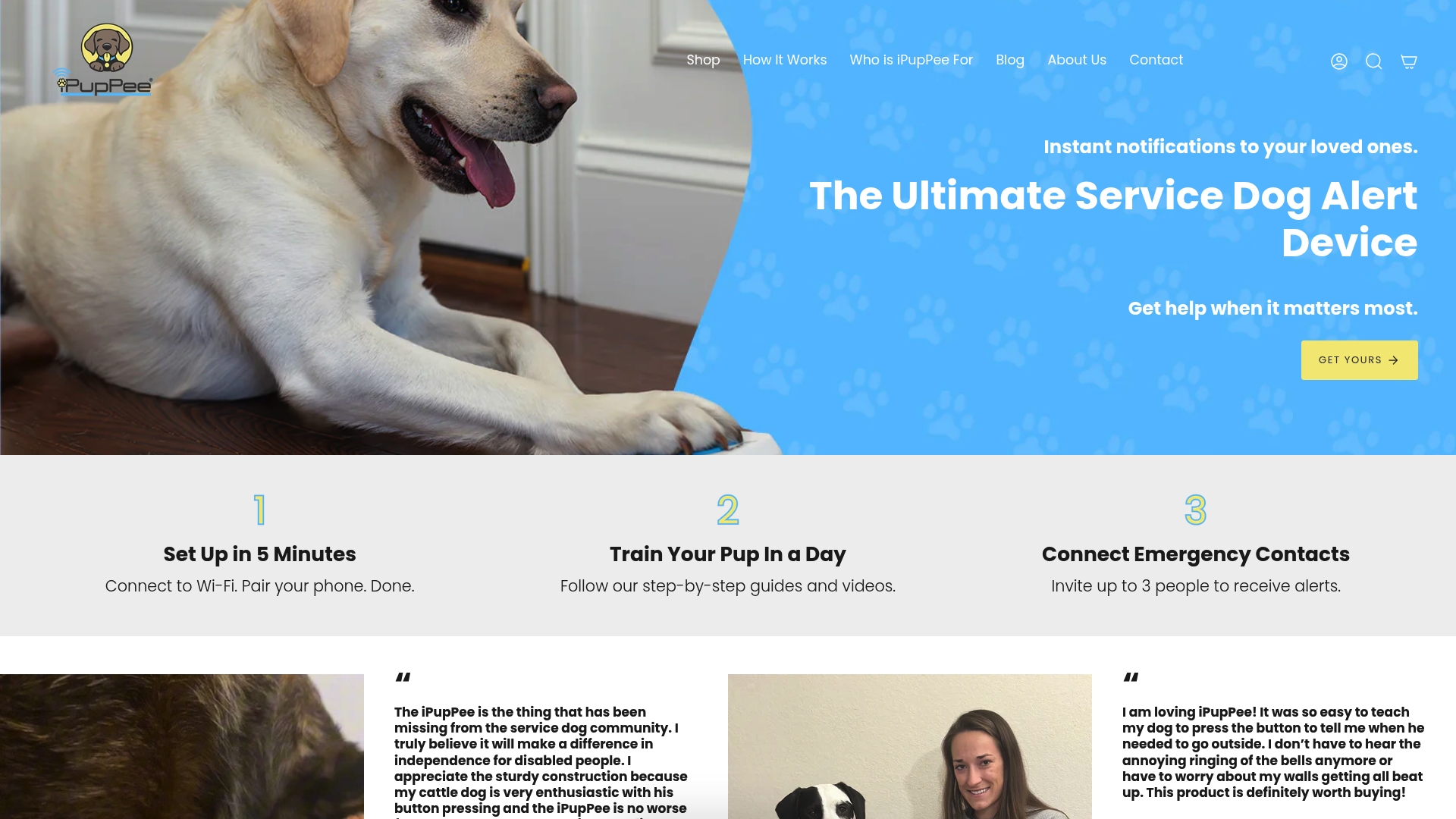
Discover how the iPupPee alert device can bridge the gap between your dog and you by enabling easy communication through a simple button press. It empowers seniors, service dog handlers, and all dog owners to respond promptly during emergencies or to everyday needs. Start building that trusted connection today. Learn more about how to train your dog with iPupPee and explore real customer experiences that prove the difference smart safety devices can make. Don’t wait for an emergency to take action. Visit iPupPee.com now to equip your dog with safety and independence.
Frequently Asked Questions
How can I create a safe environment for my dog at home?
To create a safe environment for your dog at home, remove hazards such as toxic substances and sharp objects. Regularly inspect your living space from your dog’s perspective and address high-risk items first.
What should I consider when choosing a leash, harness, and collar for my dog?
When choosing a leash, harness, and collar, evaluate your dog’s size, strength, and pulling behavior. Ensure the equipment fits correctly; for example, you should be able to fit two fingers under the collar without it sliding off.
How can I train my dog to alert me during medical emergencies?
To train your dog to alert you during emergencies, start by establishing a specific alert behavior, like barking or pawing. Then, pair this behavior with signs that indicate a medical issue and reinforce it with rewards through consistent practice.
What are common urban hazards that can affect my dog’s safety?
Common urban hazards include traffic, toxic substances, and unfamiliar people or animals that can provoke stress or fear in your dog. Regularly assess your environment and adapt your walking routes to minimize exposure to these dangers.
How can I ensure my dog gets enough mental stimulation during walks?
To provide mental stimulation during walks, allow your dog time to sniff and explore their surroundings. Schedule longer, more engaging walks that include various routes or visit dog parks where your dog can interact with other dogs safely.
Recommended
- Complete Guide to Pet Owner Safety Guidelines – iPupPee
- The Essential Guide to the Importance of Pet Safety – iPupPee
- Top Safety Tips for Dog Owners: Essential Guidance for 2025 – iPupPee
- The Importance of Dog Safety: What Every Owner Should Know in 2025 – iPupPee
- Hundepflege bei kaltem Wetter: Von richtiger Ernährung bis zum Schutz vor Kälte - toritierwelt.de