

Traveling with a service dog brings unique challenges for American pet owners, especially those seeking to support independence for disabled individuals and seniors. Over 70 percent of travelers with assistance animals report anxiety about meeting complex travel requirements while keeping their dogs safe and comfortable. With clear guidance, you can anticipate your dog’s needs, minimize stress, and enjoy smoother journeys where safety and effective communication come first.
Table of Contents
- Step 1: Prepare Your Dog for Safe Travel
- Step 2: Pack Essential Safety and Comfort Items
- Step 3: Train Effective Communication for Travel
- Step 4: Install Safety Devices and Confirm Functionality
- Step 5: Monitor and Respond to Your Dog’s Needs
Quick Summary
| Key Point | Explanation |
|---|---|
| 1. Consult your veterinarian before travel | Ensure your dog’s health is secure and obtain necessary health documents, including vaccination updates and health certificates well in advance. |
| 2. Pack a comprehensive travel kit | Include essential items like food, water, medications, and comfort items to help reduce your dog’s stress during travel. |
| 3. Train your dog for travel scenarios | Use positive reinforcement to acclimate your dog to travel gear and environments, teaching them commands for better behavior while traveling. |
| 4. Use safety devices properly | Secure your dog with a high-quality harness or crate designed to prevent movement during sudden stops, ensuring their protection. |
| 5. Monitor your dog’s needs throughout the journey | Keep an eye on your dog’s comfort and stress levels, providing necessary breaks and familiar items to ease anxiety during travel. |
Step 1: Prepare Your Dog for Safe Travel
Preparing your dog for a stress free journey requires thoughtful planning and gradual acclimation. Understanding key safety protocols will transform your travel experience from potentially overwhelming to smoothly manageable.
Start by consulting your veterinarian and obtaining necessary travel documentation. Advance preparation is critical for ensuring your dog remains comfortable and secure during transportation. This means updating vaccinations, checking microchip registration, and acquiring health certificates well in advance of your departure date. Consider practicing short car trips to help your dog become familiar with travel environments, using secure harnesses or well ventilated crates that allow comfortable movement.
International travelers should pay extra attention to specific regulations. International pet travel requirements can be complex, involving specific documentation, potential quarantine periods, and breed specific restrictions. Research destination country rules meticulously and prepare all necessary paperwork to prevent potential travel disruptions.
Pro Tip: Pack a dedicated travel kit for your dog including familiar blankets, portable water bowls, medications, and copies of vaccination records to reduce potential travel stress.
Here’s a quick reference guide on essential travel preparations for your dog:
| Preparation Area | Why It Matters | Action Steps |
|---|---|---|
| Veterinary Check | Secures health and safety | Book appointment, update shots |
| Microchip Registration | Supports identification | Verify chip info, update ID |
| Acclimation Training | Reduces travel anxiety | Practice short trips, observe |
| Documentation | Prevents travel issues | Obtain certificates, copies |
Step 2: Pack Essential Safety and Comfort Items
Packing the right travel gear for your dog means the difference between a smooth journey and a stressful experience. Creating a comprehensive travel kit requires thoughtful preparation and careful selection of essential items that support your dog’s safety and comfort.
Start by assembling critical emergency supplies for pets, including multiple days worth of food and water, portable bowls, medications, and medical records. Your travel kit should include a secure harness or crate, identification tags with current contact information, a first aid kit specific to dogs, and any necessary prescriptions. Consider packing familiar comfort items like a favorite blanket or toy to help reduce travel anxiety and provide a sense of security.

Specifically for travel documentation, make waterproof copies of vaccination records, health certificates, and microchip information. Keep these documents easily accessible alongside your dog’s medical information and emergency contact details. Consider investing in a dedicated travel bag or container that keeps all pet supplies organized and protected from potential damage.
Pro Tip: Create a digital backup of your dog’s medical records and store them in a cloud service or email them to yourself to ensure you have access even if physical documents are lost.
Step 3: Train Effective Communication for Travel
Successful dog travel hinges on establishing clear communication and building your dog’s confidence in new environments. Understanding how to prepare your dog for different travel scenarios will transform potential stress into a smooth shared experience.
Travel training techniques should focus on gradually introducing your dog to travel experiences through positive reinforcement. Start by creating positive associations with travel gear like carriers and harnesses. Use treats, praise, and calm reassurance when your dog interacts with these items. Practice short trips to help your dog become comfortable with movement and unfamiliar sounds. Teach basic commands like sit, stay, and quiet that can help manage your dog’s behavior during travel.
Consistent training requires patience and repetition. Begin with brief carrier exposure at home, rewarding calm behavior. Progressively increase duration and complexity of training scenarios. Simulate travel conditions by playing recordings of airplane or car noises, helping your dog develop resilience. Learn to read your dog’s stress signals and have strategies ready to provide comfort and redirection.
Pro Tip: Practice emergency commands and recall in increasingly distracting environments to ensure your dog remains responsive during potentially stressful travel situations.
Step 4: Install Safety Devices and Confirm Functionality
Ensuring your dog’s safety during travel requires careful selection and proper installation of protective equipment. Understanding how to secure your pet and verify device functionality can prevent potential injuries and provide peace of mind throughout your journey.
Pet safety device regulations mandate specific transportation standards that protect dogs during vehicle travel. Choose a high quality harness or crate that attaches securely to your vehicle’s seat belt system. Verify that the restraint allows your dog to sit, stand, and lie down comfortably while preventing unexpected movement during sudden stops. For car travel, select devices specifically designed to distribute potential impact forces and minimize risk of injury. Inspect all safety equipment thoroughly before each trip checking for signs of wear fraying or structural weakness.
Test your chosen safety devices in a controlled environment before actual travel. Practice securing your dog and observe their comfort level. Adjust harness or crate positioning to ensure maximum security and minimal stress. Some dogs may require gradual introduction to restraint systems using positive reinforcement techniques like treats and calm praise. Remember that proper installation is not just about following guidelines but creating a sense of security for your canine companion.
Pro Tip: Conduct a five minute safety check of all travel restraints before each journey to catch potential equipment failures before they become dangerous.
Here’s a summary comparing dog travel safety devices:
| Device Type | Best Use Case | Key Benefit | Consideration |
|---|---|---|---|
| Harness | Car trips, short rides | Distributes impact safely | Check fit, inspect for wear |
| Crate | Flights, long journeys | Prevents movement injuries | Ensure ventilation & comfort |
| Barrier | SUVs, large vehicles | Limits dog cabin movement | Secure to prevent shifting |
Step 5: Monitor and Respond to Your Dog’s Needs
Successful pet travel requires constant attentiveness to your dog’s physical and emotional state. Creating a responsive travel environment means being proactive about understanding and addressing your dog’s changing needs throughout the journey.

International pet travel guidelines emphasize the importance of vigilant pet monitoring during transportation. Watch for signs of stress such as excessive panting, restlessness, whining, or changes in body language. Maintain a consistent feeding and hydration schedule while providing frequent bathroom breaks. Pack a travel kit with necessary medications, fresh water, portable bowls, and familiar comfort items that can help soothe your dog during potentially overwhelming travel moments.
Establish a communication system that allows you to quickly assess and respond to your dog’s signals. Learn to recognize subtle stress indicators and have strategies ready to provide comfort. This might include speaking in a calm voice, offering a familiar toy, or creating a quiet space within your travel vehicle. Some dogs might benefit from light coverage over their crate or designated travel area to reduce visual stimulation and create a sense of security.
Pro Tip: Create a simple dog stress assessment checklist that you can quickly reference during travel to help you systematically evaluate your dog’s comfort and well being.
Enhance Your Dog’s Travel Safety and Communication Today
Traveling with your dog safely can be challenging, especially when it comes to monitoring their needs and ensuring clear communication during every step of the journey. The article highlights vital steps like preparing your dog for travel, packing essential safety items, and understanding how to respond to your dog’s signals. One key challenge many pet owners face is the ability to quickly and effectively communicate with their dog, especially in stressful or emergency situations.
That is where innovative solutions like the iPupPee device can become lifesaving. Designed to bridge the communication gap between dogs and their owners, the iPupPee alert device allows your dog to send you clear messages with just a button press. This technology supports safer travels by empowering your dog to indicate their needs, reducing anxiety and ensuring you respond promptly. Whether you are a service dog handler, a new puppy owner, or traveling with a rescue dog, this communication tool integrates perfectly with the critical safety preparations outlined in the article.
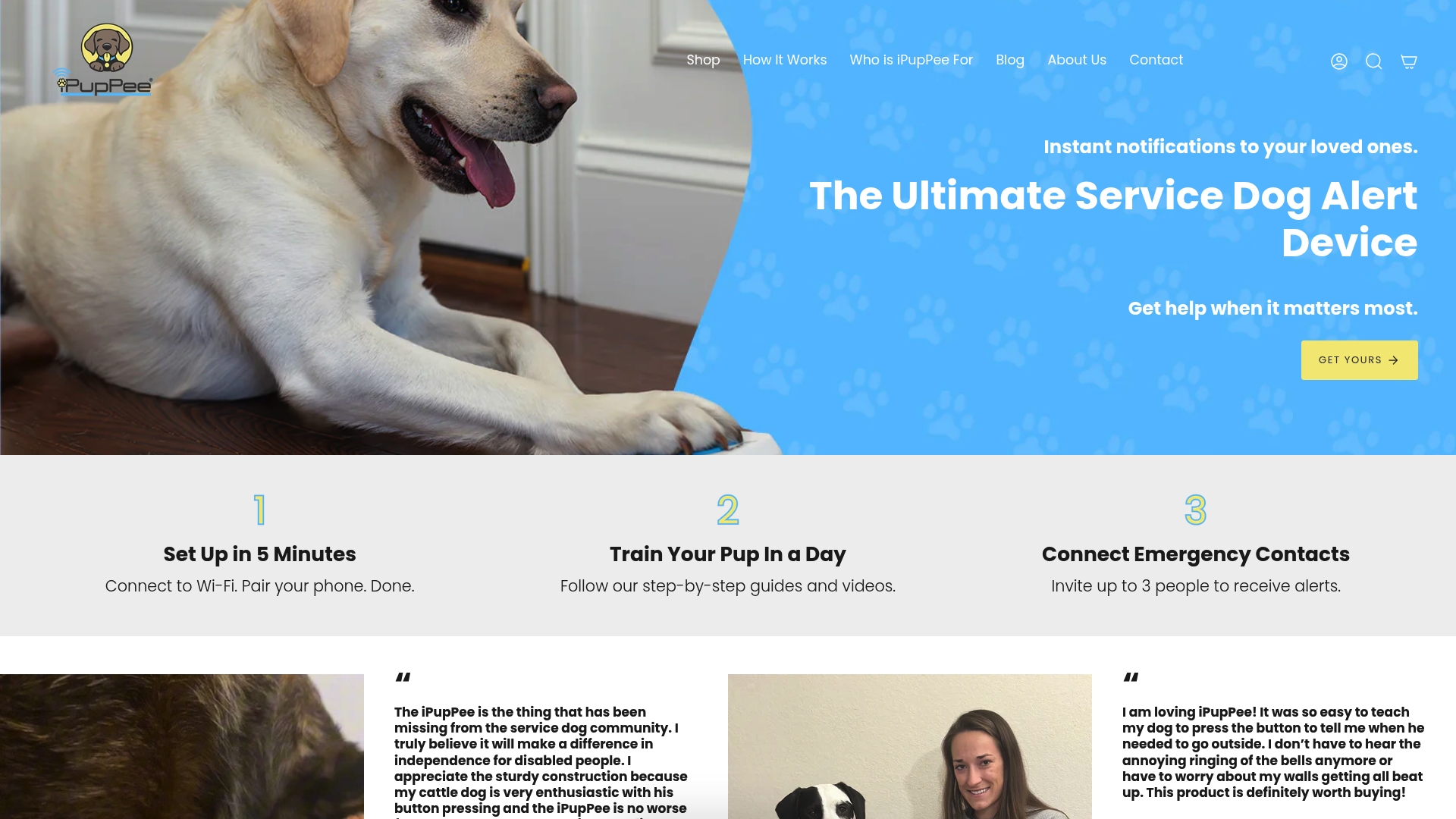
Take control of your dog’s travel experience now by visiting ipuppee.com to explore the iPupPee device, access helpful training resources, and see testimonials from owners just like you. Don’t wait until the next trip to face the stress of uncertainty. Equip your dog and yourself with the tools needed for confident, stress-free journeys every time.
Frequently Asked Questions
How can I prepare my dog for safe travel?
To prepare your dog for safe travel, start by consulting your veterinarian to update vaccinations and obtain necessary health certificates. Additionally, practice short car trips to help your dog acclimate to travel environments over a few weeks.
What essential items should I pack for my dog’s travel kit?
Pack essential items such as food and water, portable bowls, medications, a first aid kit, and familiar comfort items like a blanket or toy. Having these items ready will help ensure your dog is comfortable and secure during the journey.
What types of safety devices are recommended for traveling with dogs?
Recommended safety devices include secure harnesses and crates that can be safely attached to your vehicle’s seat belt system. Verify that these devices allow your dog to sit and lie down comfortably, and conduct a safety check before each trip to ensure they are in good condition.
How do I recognize signs of stress in my dog while traveling?
Look for signs of stress in your dog, such as excessive panting, restlessness, whining, or unusual body language. Monitoring your dog’s behavior throughout the journey allows you to promptly address any discomfort or anxiety, ensuring a smoother travel experience.
What should I do if my dog becomes anxious during travel?
If your dog becomes anxious, use calming techniques such as speaking in a gentle voice, offering familiar toys, or creating a quiet space. Implement these strategies as soon as you notice signs of stress to help soothe your dog and enhance their comfort during the trip.
How can I ensure my dog’s safety during international travel?
To ensure your dog’s safety during international travel, research and comply with all specific travel regulations of your destination country. Also, make sure to have all required documentation, such as health certificates and vaccination records, organized and easily accessible for a smooth experience.