

Over 500,000 American service dogs assist individuals with disabilities every day, yet few tools offer the life-saving abilities of alert dogs. For handlers and disabled pet owners, safety and communication are never optional—they are the foundation of independence. This overview explains how highly trained alert dogs recognize medical changes, respond with calm precision, and bring disabled owners greater assurance, whether at home or navigating public American spaces.
Table of Contents
- What Are Alert Dogs And How They Help
- Types Of Alert Dogs And Key Differences
- How Alert Dogs Enhance Safety And Independence
- Training Requirements And Essential Skills
- Owner Responsibilities And Legal Rights
Key Takeaways
| Point | Details |
|---|---|
| Importance of Alert Dogs | Alert dogs provide critical support for individuals with medical conditions, enabling them to live more independently and safely. |
| Types of Alert Dogs | Different alert dogs are trained for specific medical needs, including diabetes detection, seizure assistance, and psychiatric support. |
| Training Requirements | Alert dogs undergo extensive training to develop specialized skills necessary for their handlers’ medical conditions. |
| Owner Responsibilities | Owners must understand their legal rights and responsibilities about controlling their alert dogs in public spaces. |
What Are Alert Dogs and How They Help
Alert dogs are highly specialized service animals trained to assist individuals with specific medical conditions, providing critical support and enhancing independence for their handlers. These remarkable canines go beyond traditional companion roles, serving as living medical assistance devices that can detect physiological changes and respond proactively.
For individuals with conditions like diabetes, alert dogs perform life-saving interventions. Diabetic alert dogs are trained to detect changes in blood sugar levels through their extraordinary sense of smell, warning their owners about potential hypo- or hyperglycemic episodes before they become dangerous. These dogs can detect minute biochemical shifts, allowing their handlers to take preventive medical actions and manage their health more effectively.
Similar specialized support exists for people with neurological conditions. Epileptic seizure response dogs assist individuals by performing critical tasks during and after seizures, such as retrieving medications, activating emergency alert systems, and providing physical support. While these dogs cannot predict seizures with absolute certainty, their presence significantly improves safety and provides emotional reassurance.
Alert dogs are trained through intensive programs that teach them to recognize specific medical symptoms and respond with predetermined actions. Their training involves developing acute sensory awareness, learning precise communication signals, and maintaining calm under potentially stressful medical situations. These dogs are not just pets - they are professionally trained medical support partners who dramatically improve their handlers’ quality of life.
Pro tip: When considering an alert dog, work closely with specialized training organizations that understand your specific medical needs and can match you with a precisely trained service animal.
Types of Alert Dogs and Key Differences
Medical response dogs represent a specialized category of service animals designed to support individuals with various medical conditions. These dogs are trained to assist individuals with specific medical disabilities, ranging from physical health challenges to neurological and psychiatric conditions, providing critical support that goes far beyond traditional pet companionship.
Different types of alert dogs serve unique medical needs. Diabetic alert dogs specialize in detecting blood sugar fluctuations, warning their handlers about potential hypo- or hyperglycemic episodes. Seizure response dogs focus on providing immediate assistance during and after epileptic events, helping to ensure the handler’s safety. Psychiatric service dogs support individuals with mental health conditions by recognizing and interrupting potential anxiety or panic attacks, providing emotional grounding and practical assistance.
Here’s a quick comparison of the main types of alert dogs and the medical conditions they support:
| Alert Dog Type | Targeted Medical Condition | Unique Skill Focus |
|---|---|---|
| Diabetic Alert Dog | Diabetes (Type 1 or 2) | Detect blood sugar changes |
| Seizure Response Dog | Epilepsy and seizure disorders | Assist during/after seizures |
| Psychiatric Service Dog | Anxiety, PTSD, panic disorders | Interrupt and ground anxiety episodes |
While detection dogs are primarily used in law enforcement and conservation settings to identify specific scents like drugs or explosives, medical alert dogs are distinctly different. Medical alert dogs are specifically trained to monitor physiological and neurological changes in their handlers, responding with precise, life-saving interventions. Their training involves developing extraordinary sensory awareness and learning complex communication signals that allow them to effectively warn or assist their handlers during medical emergencies.
These specialized dogs undergo rigorous training programs that teach them to recognize minute physiological changes, maintain composure in stressful situations, and perform specific tasks tailored to their handler’s unique medical needs. Each alert dog is essentially a living, breathing medical support system, providing not just practical assistance but also emotional comfort and increased independence for individuals with chronic medical conditions.
Pro tip: When selecting an alert dog, consult with specialized training organizations that can precisely match a dog’s skills to your specific medical requirements and lifestyle needs.
How Alert Dogs Enhance Safety and Independence
Alert dogs represent more than just companionship for disabled individuals - they are sophisticated support systems that dramatically transform daily life. These remarkable animals enhance safety by providing immediate warnings of medical or environmental dangers, enabling disabled owners to react promptly and confidently, creating a profound sense of security and autonomy.
The psychological impact of alert dogs extends far beyond practical assistance. Strong relationships with these specialized dogs contribute to improved emotional support, companionship, and mental wellbeing. By detecting potential health crises early, these dogs reduce reliance on human assistance, allowing handlers to navigate daily challenges with increased confidence and reduced anxiety. This transformative partnership empowers individuals with disabilities to live more independently, breaking down traditional barriers that might otherwise limit their mobility and personal agency.
Alert dogs provide multifaceted support across various domains of daily living. For individuals with medical conditions like epilepsy or diabetes, these dogs can detect physiological changes before they become critical, alerting their handlers or nearby assistance. For those with mobility challenges, alert dogs can retrieve items, open doors, activate emergency systems, and provide physical stability during movement. Their training goes beyond simple task completion - these dogs develop an intricate understanding of their handler’s unique needs, creating a symbiotic relationship that adapts dynamically to changing circumstances.
The independence fostered by alert dogs is not just about practical assistance, but about restoring personal agency and emotional resilience. By mitigating risks, providing consistent support, and offering unconditional companionship, these dogs help their handlers reimagine their capabilities and potential. They transform limitations into opportunities, proving that disability does not define a person’s capacity for achievement and autonomy.
This summary shows how alert dogs foster independence and security for their handlers:
| Benefit Area | Example Action | Impact on Handler |
|---|---|---|
| Safety | Warn of medical episodes | Reduces health emergencies |
| Independence | Retrieve objects or medication | Less reliance on others |
| Emotional Support | Provide calming companionship | Eases anxiety and stress |
Pro tip: Research and connect with specialized alert dog training organizations that offer comprehensive assessment and matching services tailored to your specific medical and lifestyle requirements.
Training Requirements and Essential Skills
Alert dog training represents a complex and rigorous process that transforms an ordinary canine into a specialized medical support partner. Assistance dogs require a minimum of 120 hours of formal training over at least six months, focusing intensively on obedience, socialization, and task-specific medical alert skills, ensuring they can perform critical functions reliably and unobtrusively in public environments.
Medical alert dogs undergo specialized training using positive reinforcement techniques to detect specific medical scent profiles associated with conditions like diabetes, epilepsy, and psychiatric disorders. The training process involves sophisticated scent recognition protocols, teaching precise response behaviors such as nudging, pawing, or activating emergency systems. These dogs learn to distinguish subtle physiological changes, transforming their natural sensory capabilities into life-saving communication tools for their handlers.

The training curriculum for alert dogs encompasses multiple critical skill domains. Foundational obedience training establishes core behavioral expectations, including walking calmly in public, ignoring distractions, and maintaining focused attention on their handler. Advanced medical alert training then layers specialized skills like detecting blood sugar fluctuations, recognizing pre-seizure neurological signals, or interrupting potential anxiety attacks. This multifaceted approach ensures the dog can seamlessly transition between everyday companionship and critical medical support roles.
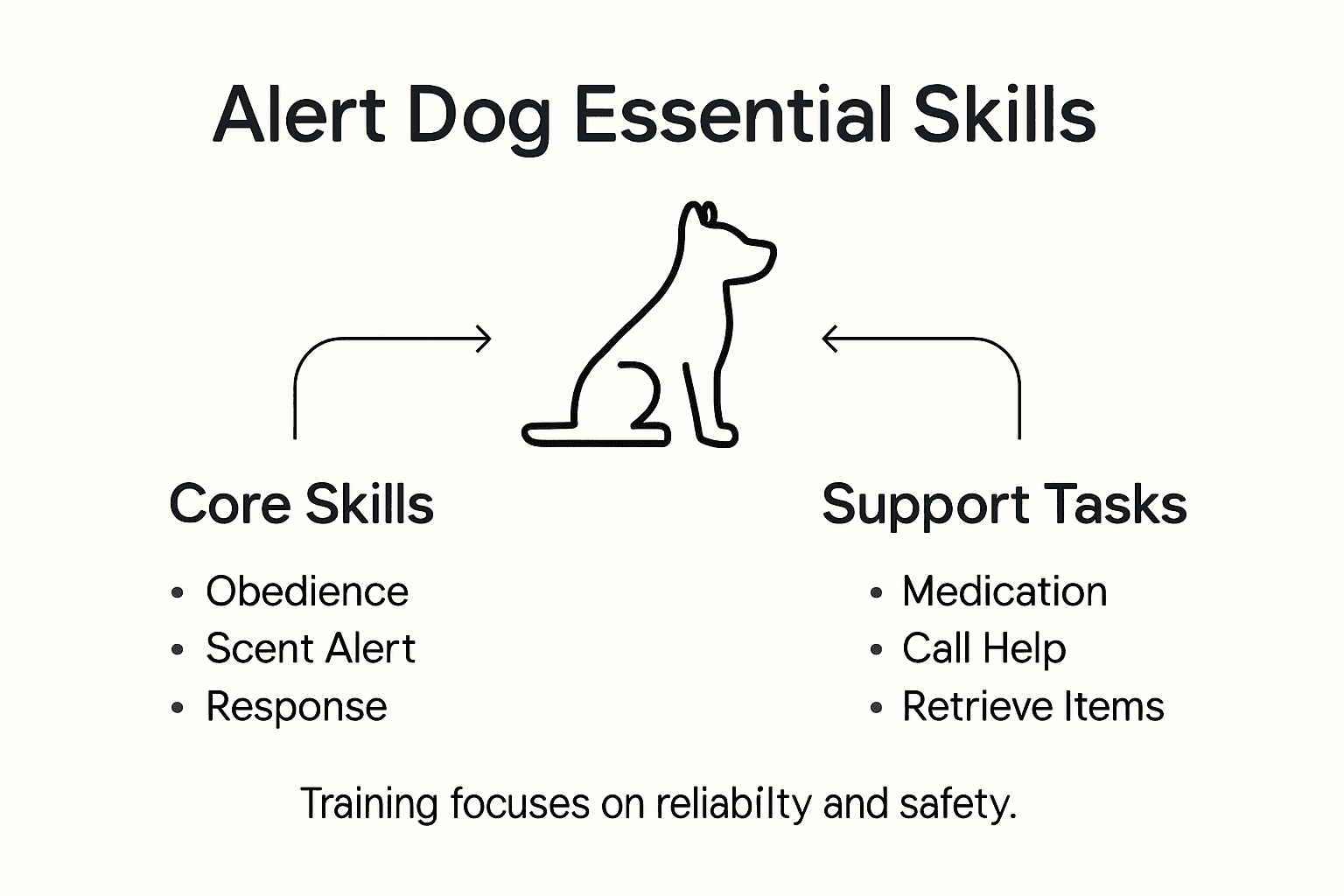
Successful alert dog training depends on selecting dogs with specific temperamental characteristics. Ideal candidates demonstrate high emotional intelligence, consistent temperament, quick learning abilities, and an innate desire to work collaboratively with humans. Professional trainers carefully assess potential service dogs, considering factors like adaptability, stress tolerance, and capacity for complex task learning. The training process is not just about teaching skills, but about developing a deep, intuitive partnership between dog and handler.
Pro tip: Work with certified service dog training organizations that specialize in medical alert dog preparation and offer comprehensive temperament assessments and personalized training programs.
Owner Responsibilities and Legal Rights
Alert dog ownership involves a complex web of legal protections and personal responsibilities that extend far beyond typical pet ownership. Under the Americans with Disabilities Act (ADA), owners of service dogs have critical legal rights that protect their ability to access public spaces with their medical support animals, ensuring they can navigate daily life with their essential medical companions.
Owners bear significant legal responsibilities to maintain control of their alert dogs and ensure safe, appropriate public behavior. This includes adhering to strict behavioral standards, managing the dog’s interactions in public spaces, and preventing any potential incidents that could compromise public safety. Businesses may legally ask only two specific questions about service animals: whether the dog is required because of a disability and what task the dog has been trained to perform.
The legal landscape for alert dog owners involves understanding nuanced rights and obligations. Owners must ensure their dogs remain well-behaved, remain on a leash when required, and respond immediately to commands. This includes maintaining proper vaccination records, addressing any property damage, and demonstrating that the dog can perform its specific medical alert functions consistently. Failure to control an alert dog can result in potential legal liabilities, including removal from public spaces or potential financial penalties.
Training and certification play crucial roles in establishing and maintaining legal protections for alert dog owners. While the ADA does not mandate specific certification, having documented training records and clear evidence of the dog’s medical support functions can help prevent potential disputes. Owners should maintain comprehensive documentation of their dog’s training, medical alert capabilities, and behavioral standards to protect their legal rights and ensure smooth public interactions.
Pro tip: Maintain a professional folder with your alert dog’s training certifications, medical documentation, and behavioral records to quickly address any legal questions or public access challenges.
Enhance Independence and Safety with Innovative Alert Solutions
Alert dogs play a vital role in supporting disabled individuals by providing timely warnings and critical assistance during medical emergencies. However, effective communication between you and your alert dog is essential to maximize safety and independence every day. Many handlers face challenges in ensuring their service dogs can easily alert them when immediate help is needed or when an emergency arises.
At iPupPee, we understand the unique needs of disabled owners and their dedicated alert dogs. Our innovative alert device bridges the communication gap by allowing dogs to press a simple button that can notify caregivers or signal for assistance. This technology empowers both the handler and their service animal to maintain control, confidence, and safety in any situation.
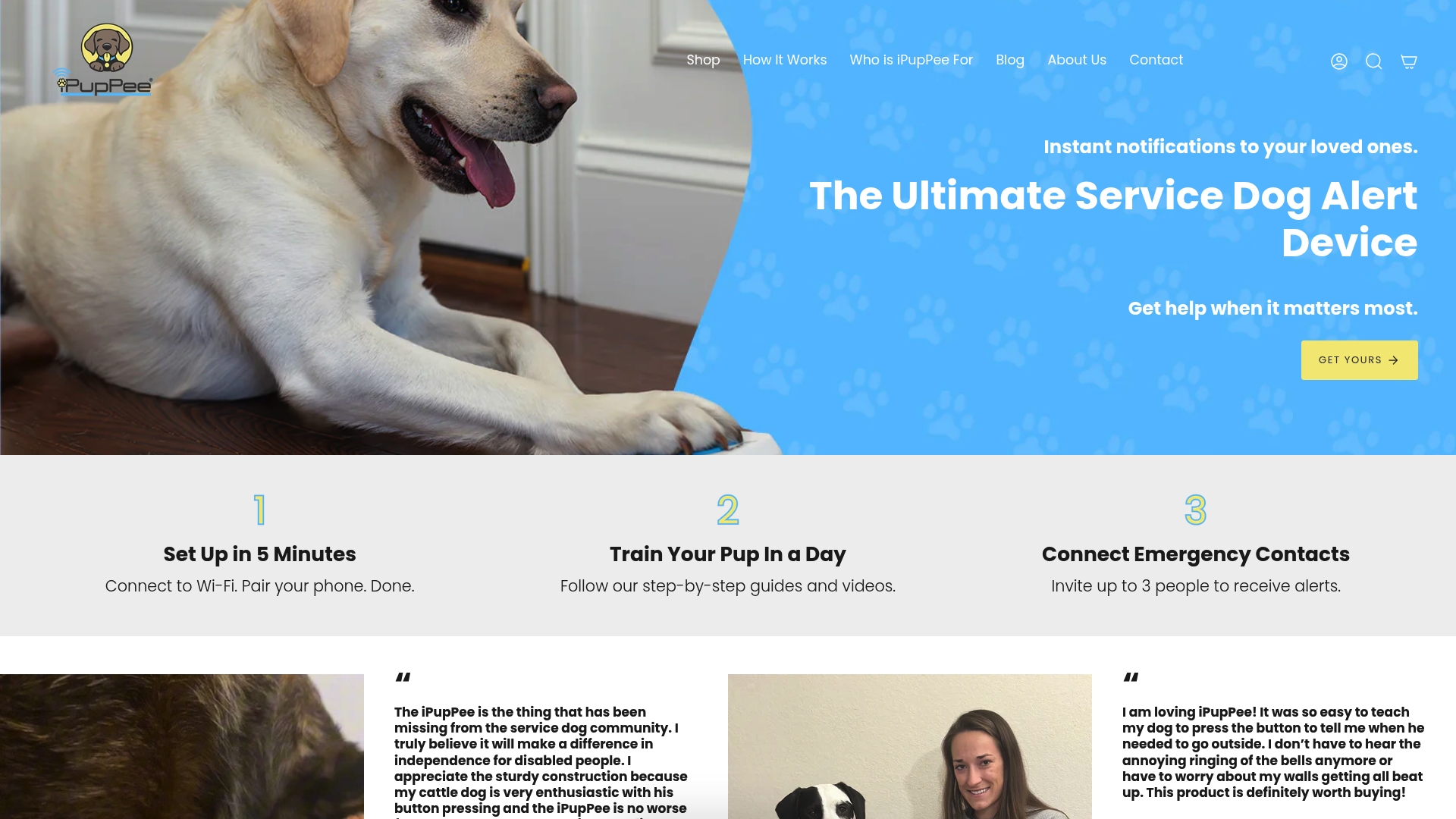
Discover how the iPupPee alert device can transform your daily routine by enhancing your dog’s ability to communicate urgent needs quickly and clearly. Don’t wait until a critical moment arises. Visit https://ipuppee.com today to explore product details, training guides, and customer success stories tailored for alert dog owners seeking greater independence and peace of mind.
Frequently Asked Questions
What are the main benefits of alert dogs for disabled owners?
Alert dogs enhance safety by alerting their handlers to potential health crises, providing independence through task assistance, and offering emotional support that reduces anxiety and boosts mental wellbeing.
How do alert dogs detect medical conditions?
Alert dogs are trained to recognize specific medical scent profiles or physiological changes associated with conditions like diabetes or epilepsy, allowing them to warn their handlers before emergencies occur.
What types of medical conditions can alert dogs assist with?
Alert dogs can support individuals with various medical conditions, including diabetes, epilepsy, anxiety disorders, and other psychiatric conditions by providing specialized assistance tailored to each condition.
What training do alert dogs undergo?
Alert dogs undergo formal training that includes obedience, socialization, and specialized medical alert skills, requiring a minimum of 120 hours to ensure they can reliably assist their handlers in public and during medical emergencies.
Recommended
- Dog Alert Systems Explained: A 2025 Guide for Owners and Handlers – iPupPee
- Dog Alerts Explained: Communication, Safety, and Use Cases – iPupPee
- Understanding How Dog Alerts Work for Owners and Handlers – iPupPee
- Understanding the Benefits of Dog Alerts for Everyone – iPupPee
- ADHD Personal Assistant – Stress-Free Support - Stealth Agents