

What makes puppy training truly effective is more than just commands—it is about building a foundation of trust and clear communication with your new companion. For new service dog owners and those with disabilities, every lesson shapes your puppy’s ability to respond in real-world situations. Focusing on positive reinforcement and early guidance supports both safety and confidence, laying the groundwork for a lasting partnership that works in everyday life and crucial moments.
Table of Contents
- Defining Puppy Training And Its Purpose
- Types Of Puppy Training Approaches
- Core Principles Of Positive Reinforcement
- Tools For Safe And Effective Training
- Avoiding Common Puppy Training Mistakes
Key Takeaways
| Point | Details |
|---|---|
| Early Training is Critical | Start training your puppy between eight and sixteen weeks to foster emotional stability and instill trust. This early period sets the foundation for their adult behavior. |
| Positive Reinforcement is Most Effective | Use reward-based methods to encourage desired behaviors, promoting a strong bond and enhancing learning without fear. Avoid punishment-based methods, as they lead to anxiety and mistrust. |
| Consistency is Key | Ensure that all household members use the same commands and rules to avoid confusion. Inconsistent training prolongs the learning process and can result in behavioral issues. |
| Utilize the Right Tools | Employ appropriate training tools like flat collars and high-value treats to enhance training effectiveness. Choosing the right equipment fosters a safer and more positive training environment. |
Defining Puppy Training and Its Purpose
Puppy training is far more than teaching your dog to sit or come when called. It’s the deliberate process of shaping your puppy’s behavior, building their confidence, and establishing clear communication between you and your dog. For service dog handlers, owners with disabilities, and anyone bringing home a new puppy, training becomes the foundation that determines whether your dog can reliably respond in critical situations.
At its core, puppy training involves teaching skills that allow dogs to fulfill specific roles effectively while strengthening the human-dog relationship. This goes beyond basic obedience. Training combines what we know about how dogs learn with practical methods that work in real-world situations. Your puppy doesn’t know how to communicate with you naturally—training teaches that language.
The timing of training matters significantly. Early training between eight and sixteen weeks of age builds emotional stability, reduces aggressive tendencies, and establishes trust when your puppy’s brain is most receptive to learning. This window shapes not just what your dog can do, but who they become as an adult.
For you specifically, training serves three critical functions. First, it establishes safety—teaching your puppy reliable responses to commands that keep them safe and protect those around them. Second, it creates communication systems where your dog learns to signal their needs through consistent behaviors. Third, it builds the foundation for any specialized tasks your service dog may need to perform later.
Consistent positive reinforcement during these early weeks prevents common behavioral problems that become much harder to address in adult dogs. Your puppy learns that responding correctly to you results in good things, making them eager to listen and cooperate.
Pro tip: Start training immediately when your puppy arrives home, even if they’re only eight weeks old—this critical window closes quickly, and early consistency prevents the majority of behavioral issues before they develop.
Types of Puppy Training Approaches
Not all training methods are created equal. The approach you choose shapes how your puppy learns, how they respond to stress, and ultimately how safe and reliable they become. Understanding the different training philosophies available helps you make an informed decision about what works best for your situation.
Training methods fall into three main categories. Positive reinforcement rewards desired behaviors, encouraging your puppy to repeat them. Punishment-based methods use corrections or discomfort to discourage unwanted behaviors. Mixed approaches combine both rewards and corrections. The distinction matters more than you might think, especially when training a service dog or working with a puppy who needs to communicate reliably.
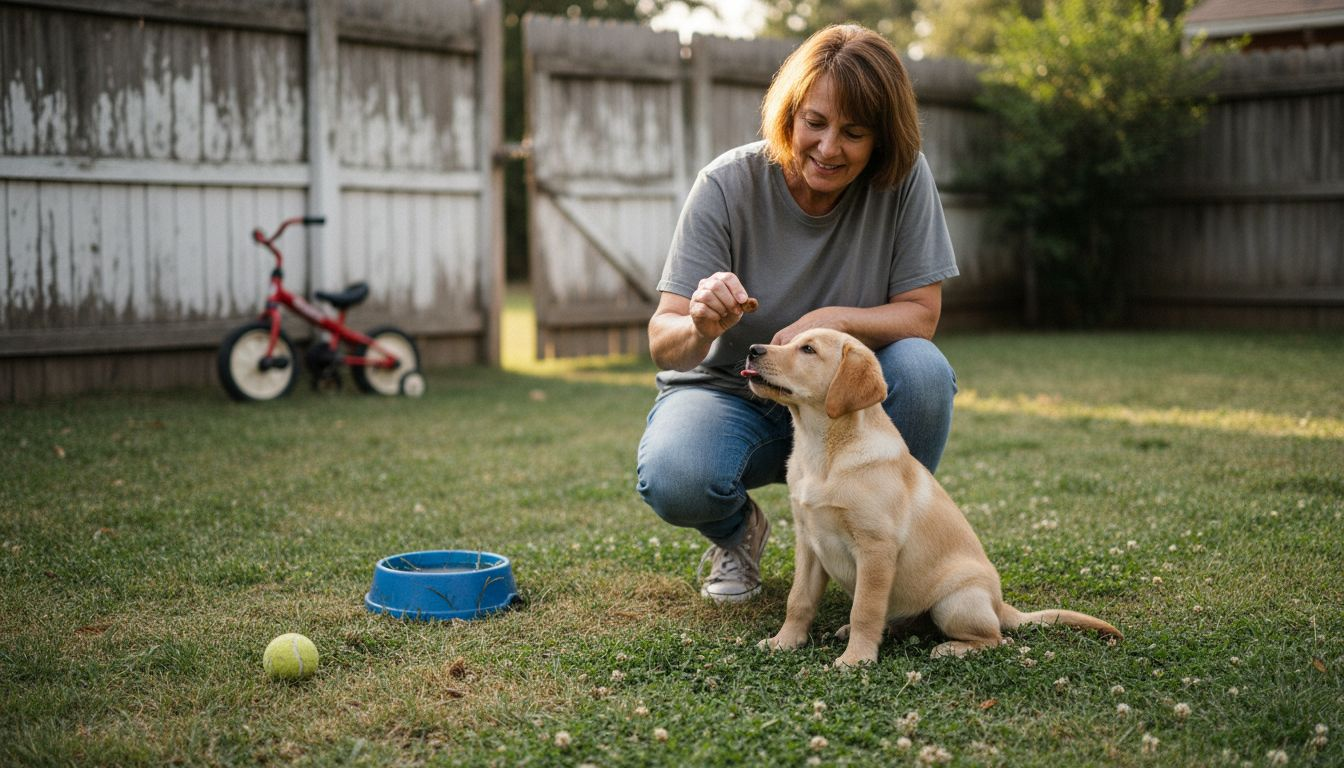
Positive reinforcement training has been shown to be more effective and humane, improving obedience while supporting your puppy’s overall welfare. When your puppy does something right and immediately receives a reward, they understand the connection. They become eager to cooperate because good behavior leads to good outcomes.
Punishment-based methods carry serious costs. These approaches are linked to increased anxiety, stress responses, and behavioral problems that actually make training harder in the long run. Your puppy may learn to avoid the punishment, but they don’t learn to trust you. For someone training a service dog or relying on communication signals, trust becomes critical.
There’s growing consensus among veterinary professionals and animal welfare experts recommending avoidance of aversive methods such as shock collars due to their negative welfare impacts. These methods can create fear and unpredictable responses, the opposite of what you need in a reliable service dog.
For your purposes—whether you’re training a companion puppy or a service dog—reward-based methods deliver superior results with better welfare outcomes. Your puppy learns to respond consistently because they want to cooperate, not because they fear consequences.
Here’s a comparison of common puppy training methods and their outcomes:
| Training Method | Typical Outcomes | Effect on Bond |
|---|---|---|
| Positive Reinforcement | High obedience, low stress | Builds strong trust |
| Punishment-Based | Increased anxiety, confusion | Reduces trust |
| Mixed Approach | Inconsistent results | Variable trust |
Pro tip: Start with reward-based methods using high-value treats or toys your puppy loves, and avoid any training method involving physical corrections, shock devices, or intimidation tactics that damage trust and reliability.
Core Principles of Positive Reinforcement
Positive reinforcement works because it speaks to how your puppy’s brain actually learns. When your puppy performs a behavior and something good happens immediately after, they make the connection. That behavior becomes more likely to happen again. This isn’t magic—it’s applied learning science that works reliably across every breed and personality type.
The foundation rests on three core elements. Timing matters most. Your reward must arrive within seconds of the desired behavior, or your puppy won’t connect the two events. Consistency ensures your puppy knows what earns rewards and what doesn’t. Appropriate rewards mean choosing what genuinely motivates your specific puppy, whether that’s treats, praise, play, or access to something they love.
Positive reinforcement uses rewarding stimuli to strengthen learning while minimizing anxiety and fear responses. This approach aligns with how canine brains are wired. Your puppy learns to offer good behavior because they’ve learned that cooperation brings positive outcomes. They’re not acting from fear or confusion—they’re actively choosing to work with you.
For service dog handlers and owners with disabilities, this matters tremendously. Your dog needs to respond reliably even under stress, in unfamiliar environments, or when distracted. A dog trained through positive reinforcement maintains that reliability because their motivation comes from genuine cooperation, not avoidance of punishment.
The efficacy of positive reinforcement lies in its ability to motivate dogs through rewards, fostering a positive learning environment that strengthens your human-dog bond. Your puppy learns faster, retains lessons longer, and develops confidence rather than anxiety. When training becomes enjoyable for both of you, consistency becomes easier to maintain.
Start small. Capture moments when your puppy naturally does something right, then immediately reward. Your puppy soon learns which behaviors open the reward door.
Pro tip: Identify three high-value rewards your puppy loves most, rotate them during training sessions to maintain excitement, and mark the exact moment of correct behavior with a word like “yes” before delivering the reward so your puppy learns precisely what earned it.
Tools for Safe and Effective Training
The right tools make training easier, safer, and more effective. But not all training equipment is created equal. Your choices now affect how your puppy learns, how safe they are, and how willing they become to cooperate with you during critical moments.
Start with flat collars or front-clip harnesses for control and comfort. Flat collars and front-clip harnesses reduce neck pressure while keeping your puppy secure during walks and training sessions. Front-clip harnesses redirect your puppy’s body rather than creating pressure on their neck, making them ideal for puppies still learning impulse control. Never use choke chains, pinch collars, or retractable leashes that encourage pulling and create unpredictable control.
A lightweight leash gives you reliable control without excessive weight pulling on your puppy’s neck. Pair this with a clicker or marker word like “yes” to mark the exact moment your puppy performs a desired behavior. This bridges the gap between the behavior and the reward, helping your puppy understand precisely what earned the positive outcome.
High-value treats fuel your training sessions. These aren’t everyday kibble. Choose small, soft treats your puppy goes crazy for—freeze dried chicken, tiny pieces of cheese, or special training treats. Size matters. Small pieces let you reward frequently without overfeeding. Variety prevents boredom and keeps your puppy engaged across multiple training sessions.
Safe spaces support your puppy’s confidence and safety. A properly introduced crate or playpen becomes a secure zone where your puppy learns to settle. These tools protect your puppy from dangerous situations and help with house training. Always make these spaces positive associations, never places of punishment.
For service dog handlers and owners with disabilities, having tools that work predictably becomes non-negotiable. Your puppy’s collar, harness, and leash should feel natural to them, not something creating fear or resistance.
Pro tip: Invest in one quality flat collar or front-clip harness that fits properly now and can be adjusted as your puppy grows, test your clicker or marker word until the sound becomes instantly recognizable to your puppy, and keep high-value treats in a separate pouch during training so they feel special and different from regular meals.
Below is a quick reference table on essential training tools and their main benefits:
| Tool | Primary Benefit | Considerations |
|---|---|---|
| Flat Collar | Daily control, ID tag holder | Choose proper sizing |
| Front-Clip Harness | Reduces pulling, protects neck | Ensure proper adjustment |
| Clicker/Marker Word | Clear communication, immediate cue | Consistency is key |
| High-Value Treats | Motivates and speeds learning | Use small, soft pieces |
| Crate/Playpen | Safe space, aids house training | Make it a positive place |
Avoiding Common Puppy Training Mistakes
Most training failures happen not because you lack good intentions but because small, repeated errors compound over time. Your puppy doesn’t wake up planning to misbehave. Usually, they’re responding to mixed signals, inconsistent rules, or training approaches that confuse rather than clarify what you want.
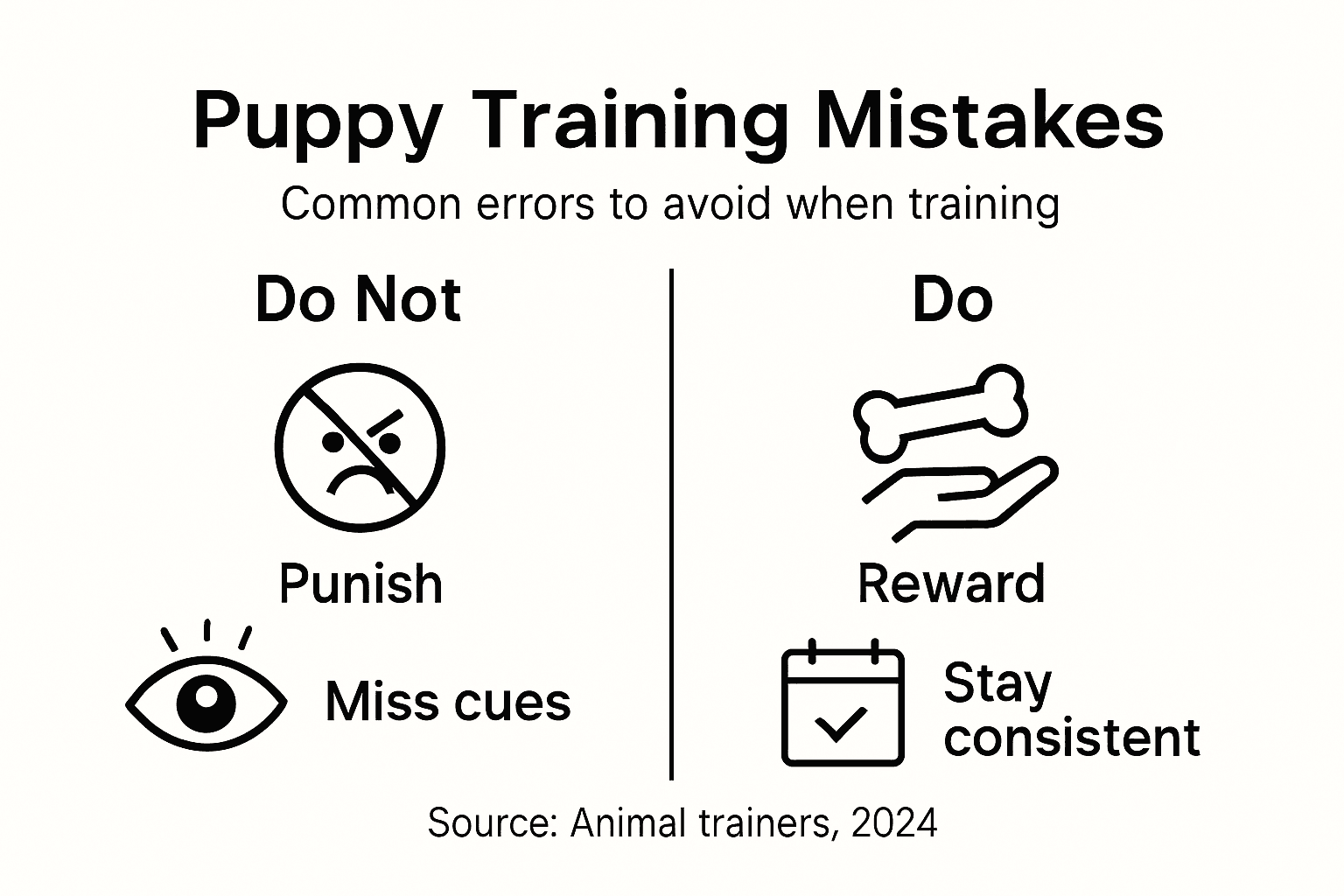
The biggest mistake is inconsistent commands and expectations. If you say “off” one day when your puppy jumps on the couch but ignore it the next day, your puppy learns that jumping sometimes works. Inconsistent commands and insufficient patience create confusion that makes training take three times longer. Every person in your household needs to use the same words, apply the same rules, and follow through every single time.
Punishing mistakes instead of rewarding good behavior redirects your energy in the wrong direction. Your puppy doesn’t understand punishment the way you think they do. They learn fear, not lessons. Focus on catching them doing something right and making that moment valuable. This is harder than it sounds because good behavior often happens quietly while mistakes grab your attention.
Another critical error is reinforcing bad behaviors unknowingly while skipping socialization opportunities. When your puppy barks for attention and you respond, you’ve just taught them barking works. Early exposure to different people, places, and experiences prevents fear and builds confidence that carries into adulthood. Without this, your puppy becomes anxious and reactive.
Skipping crate training costs you later. A properly introduced crate becomes your puppy’s safe space and essential tool for house training, preventing destructive behavior, and managing safety. Never use it as punishment. Your puppy should want to go in because good things happen there.
For service dog handlers and those with disabilities, these mistakes become safety issues. An inconsistent puppy can’t reliably perform critical tasks when their training foundation was built on confusion.
Pro tip: Document your training rules and share them with everyone in your household, practice for five to ten minutes daily instead of long random sessions, and immediately interrupt any behavior you don’t want, then redirect to something you do want rather than simply punishing the mistake.
Enhance Your Puppy’s Safety and Communication with Cutting-Edge Tools
Training a puppy to respond reliably and communicate effectively is essential, especially when safety and trust matter most. The article highlights how positive reinforcement, consistent communication, and safe tools shape a confident and obedient puppy. Yet, even with the best training methods, bridging the communication gap between you and your puppy can remain a challenge — particularly for service dog handlers, individuals with disabilities, or anyone seeking dependable signals from their four-legged companion.
At iPupPee, we understand these challenges deeply. Our innovative alert device provides an easy and reliable way for dogs to communicate their needs with a simple button press. This tool complements your positive training efforts by creating a clear communication channel that fosters independence and safety for both you and your puppy. Whether you are a new puppy owner laying the foundation for communication or training a service dog that must respond in critical moments, the iPupPee system enhances your dog’s ability to interact with you confidently and securely.
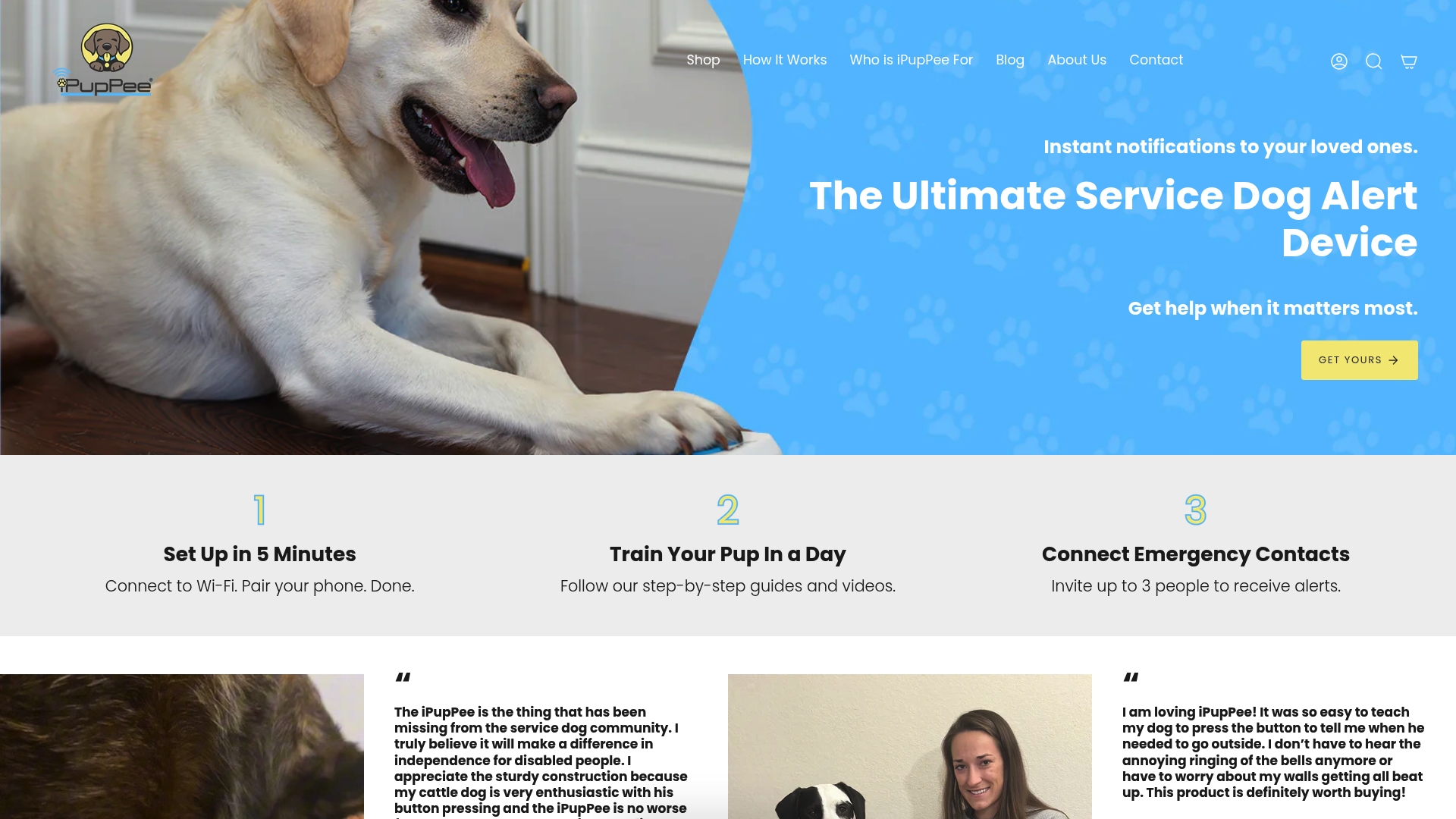
Take the next step in your puppy’s training journey by integrating proven communication technology designed to work hand in hand with effective training principles. Visit iPupPee now to explore how our solution can transform your relationship with your puppy through safety and clear communication. Start empowering your puppy today with tools that build trust, reinforce training, and provide peace of mind.
Frequently Asked Questions
What is the purpose of puppy training?
Puppy training is designed to shape behavior, build confidence, and establish communication between you and your dog. It lays the foundation for safety, effective interaction, and any specific tasks your puppy may need to perform.
Why is early training important for puppies?
Early training, especially between eight and sixteen weeks, takes advantage of a puppy’s receptiveness to learning. It promotes emotional stability, reduces aggressive tendencies, and helps establish trust, shaping who your dog will become as an adult.
What are the main types of training approaches for puppies?
The main training approaches include positive reinforcement, punishment-based methods, and mixed approaches. Positive reinforcement, which rewards desired behaviors, is shown to be the most effective and humane way to train puppies.
What tools are essential for safe and effective puppy training?
Essential tools include flat collars or front-clip harnesses, lightweight leashes, clickers or marker words, high-value treats, and safe spaces like crates or playpens. These tools enhance training efficiency and promote a positive learning environment.