

Most American dog owners underestimate the complexity of alert communication training, yet studies show only about one in three dogs display the focus and temperament needed for success. Choosing the right candidate and environment is crucial before you begin. This guide breaks down the essential first steps, helping you identify if your American dog is truly suited for alert training and how to create the best setting for positive results.
Table of Contents
- Step 1: Assess Your Dog’s Suitability and Environment
- Step 2: Introduce the Alert Device and Build Curiosity
- Step 3: Pair the Alert Cue With Positive Reinforcement
- Step 4: Practice and Strengthen the Alert Behavior
- Step 5: Test and Confirm Reliable Alert Responses
Quick Summary
| Key Insight | Explanation |
|---|---|
| 1. Assess Your Dog’s Traits | Evaluate temperament and social skills to ensure effective communication training. Calm, attentive dogs excel in this area. |
| 2. Create Positive Associations | Use rewards to connect the alert device with enjoyable experiences, making it an engaging training tool for your dog. |
| 3. Consistent Training Practice | Regular, short sessions help solidify alert communication skills. Gradually increase complexity and adjust environments to enhance learning. |
| 4. Monitor Engagement and Comfort | Pay attention to your dog’s body language and motivation. Adjust training methods or environments based on their responses. |
| 5. Conduct Rigorous Testing | Validate your dog’s abilities by testing in varied situations. Ensure consistent and precise alert responses in increasingly complex environments. |
Step 1: Assess Your Dog’s Suitability and Environment
Training an alert dog requires understanding your specific dog’s personality, capabilities, and living situation. Not every dog will naturally excel at communication signaling, so a careful initial assessment determines whether your canine companion can become a reliable communication partner.
Start by evaluating your dog’s baseline temperament and social skills. Dogs with calm dispositions and moderate energy levels typically perform best in alert communication training. Dog socialization skills play a critical role in their ability to learn complex communication tasks. Look for indicators like attentiveness to human cues, willingness to learn, and consistent responsiveness when you provide commands or signals.
Carefully examine your home environment and daily routine. Alert communication training requires consistent practice spaces with minimal distractions. Consider factors like available training time, household noise levels, and potential interruptions that might impact your dog’s learning process. Some dogs adapt more quickly in quieter environments with structured daily schedules.
Pro tip: When assessing your dog’s training potential, observe their natural problem solving abilities and social interactions with family members. Dogs who demonstrate curiosity and an eagerness to engage will likely become more successful communication partners.
Here is a summary of key factors affecting alert dog training success:
| Factor | Positive Influence | Potential Challenge | Training Tip |
|---|---|---|---|
| Dog’s Temperament | Calm, attentive, responsive | Nervous, overly energetic | Choose positive reinforcement |
| Socialization Skills | Well-socialized | Fearful or unsocialized | Gradual exposure to environments |
| Home Environment | Quiet, low distractions | Noisy, frequent interruptions | Use designated training space |
| Motivation Level | Eager to learn, curious | Disinterested or easily bored | Rotate toys and treats for variety |
Step 2: Introduce the Alert Device and Build Curiosity
In this critical stage of alert dog training, you will familiarize your dog with the communication device and spark their natural curiosity about its purpose and potential rewards. The goal is to transform the alert device from an unfamiliar object into an exciting tool for interaction.
Marker training techniques reveal that introducing a signal predicting a reward can effectively build a dog’s engagement with new devices. Start by placing the alert device in an accessible location where your dog can investigate naturally. Allow them to approach and sniff the device, rewarding any positive interaction with high value treats or enthusiastic praise. This approach helps create positive associations and reduces potential anxiety about the new object.
Consider making the initial interactions playful and low pressure. Incorporate the device into short games or training sessions, using treats and verbal encouragement to demonstrate that touching or interacting with the device leads to immediate rewards. Watch your dog’s body language closely watching for signs of comfort and curiosity. Some dogs may take longer to warm up to new objects, so patience and consistent positive reinforcement are key.
Pro tip: Create a sense of excitement around the alert device by using a special treat or toy that only appears during these training sessions. This will help your dog view the device as something unique and compelling.
This table compares different alert device introduction strategies:
| Introduction Strategy | Engagement Level | Speed of Adaptation | Example Tactic |
|---|---|---|---|
| Free Exploration | Moderate | Gradual | Allow sniffing, low pressure |
| Play-Based Introduction | High | Fast | Incorporate into games |
| Reward-Based Approaches | Very High | Very Fast | Treats for direct interactions |
| Structured Sessions | Variable | Moderate | Short, regular practice times |
Step 3: Pair the Alert Cue With Positive Reinforcement
This stage of training focuses on creating a strong positive association between the alert device and your dog’s desired communication behavior. Your goal is to transform the alert mechanism into an enjoyable and rewarding interaction that your dog will eagerly repeat.
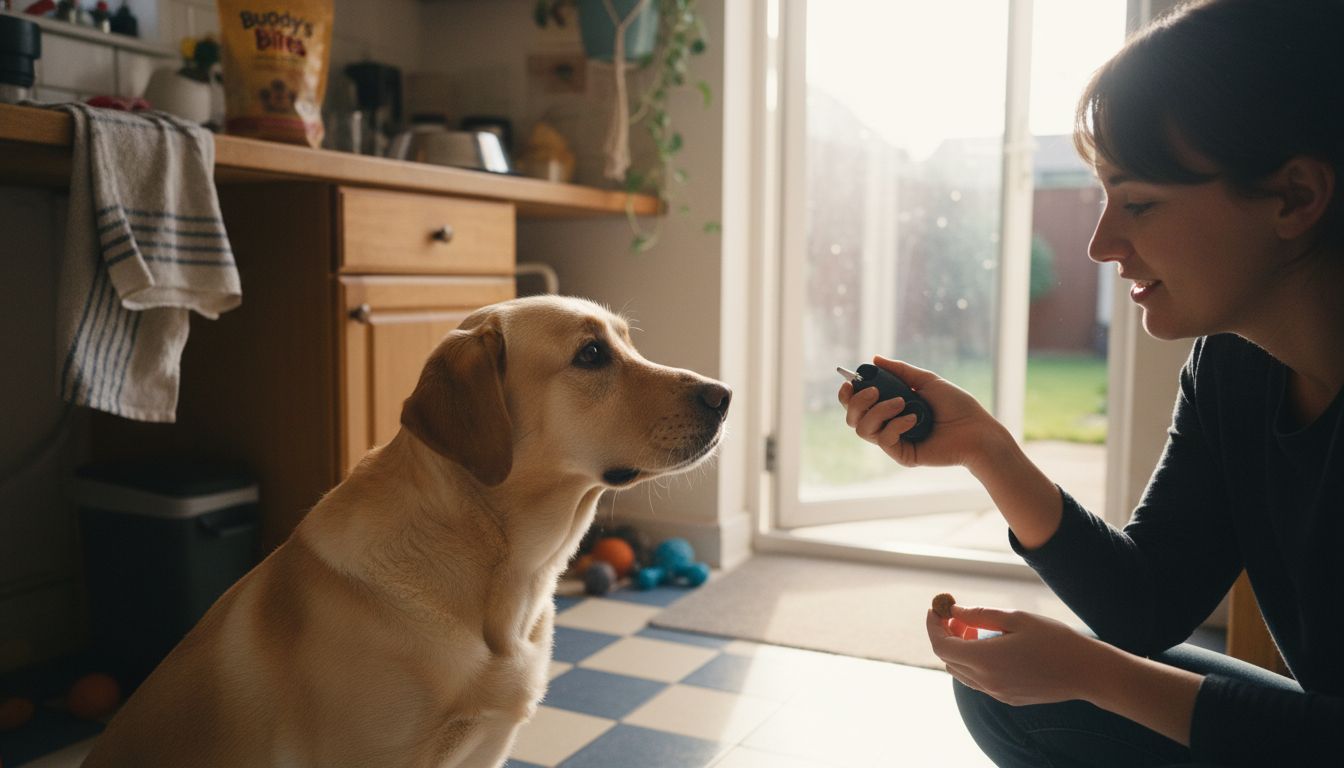
Marker training research demonstrates that systematically pairing alert cues with immediate rewards significantly enhances a dog’s learning process. Begin by selecting high value treats that your dog finds irresistible small pieces of chicken, cheese, or specially designed training treats work best. Whenever your dog successfully interacts with the alert device or demonstrates the beginning of the desired alert behavior, immediately offer the treat and provide enthusiastic verbal praise. The key is timing consistency rewards must come within two seconds of the desired action to create a clear connection.
Gradually increase the complexity of the alert behavior you expect. Start with simple interactions like touching the device with their nose or paw, then progressively shape the behavior toward more precise alert signals. Watch for subtle cues in your dog’s body language that indicate understanding and engagement. Some dogs learn quickly while others require more repetition and patience. Maintain a light hearted and positive atmosphere during training sessions to keep your dog motivated and prevent frustration.
Pro tip: Always end training sessions on a positive note with a successful interaction to ensure your dog maintains enthusiasm and looks forward to future alert communication practice.
Step 4: Practice and Strengthen the Alert Behavior
This stage focuses on developing your dog’s alert communication skills through consistent and strategic practice. Your objective is to transform the initial alert behavior into a reliable and precise communication method that your dog can perform confidently and consistently.
Marker training research demonstrates that systematic and repeated practice is essential for solidifying alert behaviors. Begin with short training sessions of 5 to 10 minutes, gradually increasing duration as your dog becomes more proficient. Practice in different environments with varying levels of distraction to ensure your dog can perform the alert behavior reliably across different scenarios. Start in a quiet room with minimal interruptions, then slowly introduce more complex settings like different rooms, outdoor spaces, or areas with moderate background noise.
Progress the complexity of alert behaviors incrementally. If your initial goal was a simple nose touch to the device, now challenge your dog to activate the device more deliberately or from a greater distance. Watch for signs of understanding and engagement such as increased focus, quicker response times, and spontaneous attempts to interact with the alert device. Some dogs will learn quickly while others might require more repetition and patience. Maintain a positive and encouraging atmosphere throughout training to keep your dog motivated and prevent frustration.
Pro tip: Record your training sessions on video to track your dog’s progress and identify areas that need more focused practice or refinement.
Step 5: Test and Confirm Reliable Alert Responses
In this critical stage of alert dog training, you will systematically verify your dog’s ability to consistently and accurately perform alert behaviors across various scenarios. Your goal is to ensure the communication method is dependable and precise.
Research on alert dog reliability highlights the importance of rigorous testing to validate communication performance. Design a comprehensive testing protocol that challenges your dog in multiple environments and situations. Create scenarios with increasing complexity start in a controlled indoor setting with minimal distractions, then gradually introduce more challenging conditions like outdoor spaces, rooms with background noise, or environments with multiple people.
During testing, carefully observe your dog’s alert response consistency. Look for key indicators of reliable performance such as immediate and deliberate device activation, consistent response times, and accurate signaling across different contexts. Some dogs might excel quickly while others require additional practice. Pay attention to your dog’s stress levels and motivation keep training sessions short, positive, and enjoyable. If performance begins to decline, return to earlier training stages to rebuild confidence and reinforce core skills.
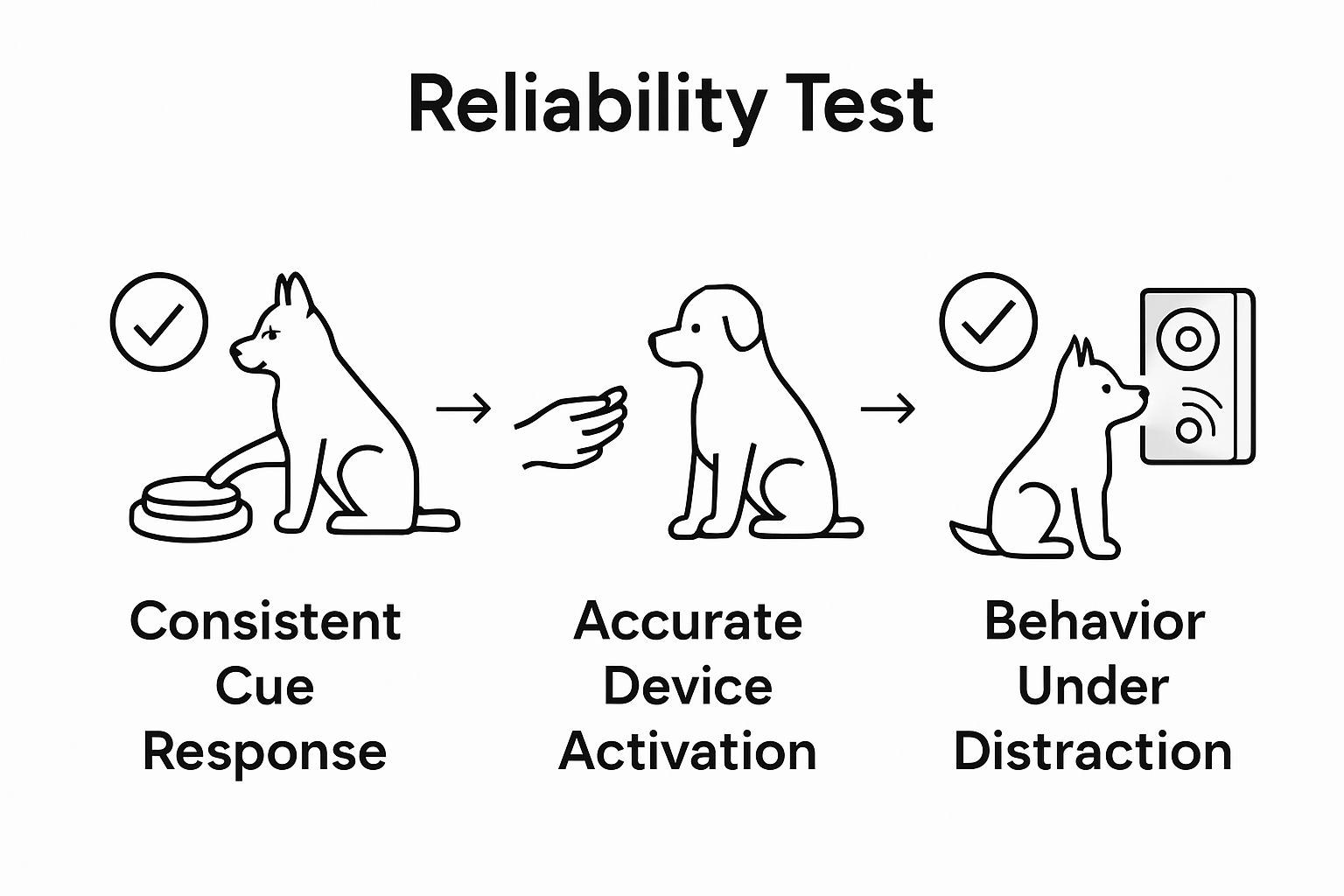
Pro tip: Invite trusted friends or family members to help conduct blind tests where they create scenarios without your knowledge, providing an unbiased assessment of your dog’s alert communication skills.
Empower Your Alert Dog Training with the Right Tools
Training your dog to reliably communicate alerts is both a rewarding and challenging journey that calls for patience, consistency, and the right support. This article highlights critical steps such as introducing alert devices, pairing cues with positive reinforcement, and testing reliable responses. If you want to deepen your dog’s alert capabilities and transform these promising steps into everyday success, having an intuitive and dependable communication device is essential.
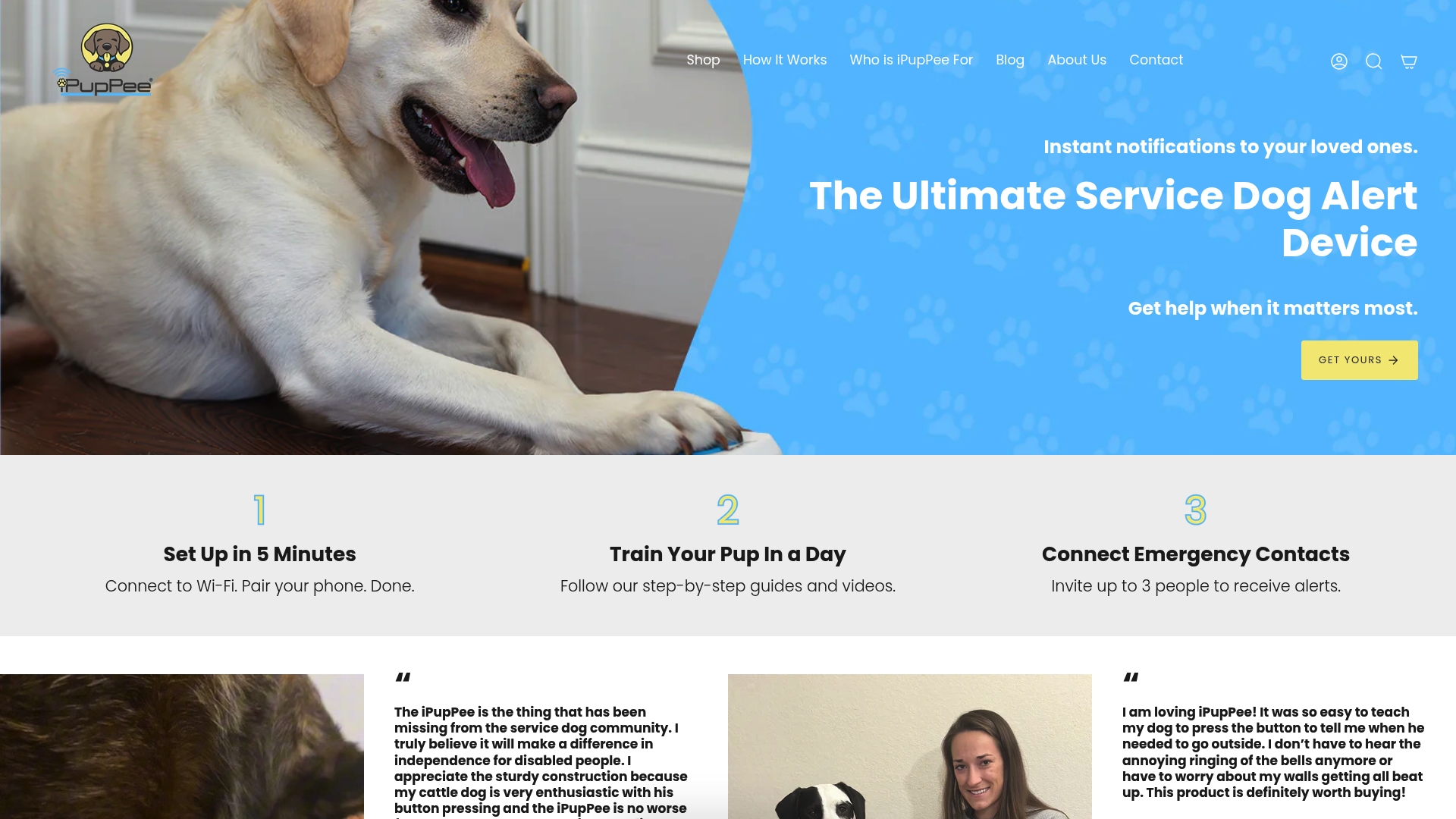
Discover how the innovative iPupPee device enhances your training efforts by providing a simple, user-friendly alert button your dog can easily learn to use. With proven designs focused on safety and independence for pet owners and individuals with special needs, the iPupPee device integrates seamlessly with your dog’s training process as described in the article. Explore detailed training instructions and hear from other pet owners who have witnessed powerful communication breakthroughs. Take the next step today and empower your dog’s alert skills through smart tools and expert guidance at ipuppee.com.
Frequently Asked Questions
How can I assess if my dog is suitable for alert communication training?
Begin by evaluating your dog’s temperament and social skills. Look for signs of attentiveness, willingness to learn, and a calm disposition; these traits contribute to a successful training experience. Observe these qualities over a week or two to make a more informed decision.
What is the best way to introduce my dog to an alert device?
Start by allowing your dog to explore the alert device on their own without pressure. Use treats or praise to create positive associations as they interact with the device, making them curious and comfortable about its purpose. Aim for a short session of about 5 to 10 minutes during initial introductions.
How do I effectively pair alert cues with positive reinforcement?
Select high-value treats that your dog loves and use them consistently when they interact with the alert device. Keep the timing precise by rewarding your dog within two seconds of their action, which helps create a strong connection between the behavior and the reward. Practice this pairing during several short sessions each week.
What strategies can I use to practice and strengthen the alert behavior?
Conduct consistent training sessions in various environments to solidify your dog’s alert behavior. Start in quiet areas, then gradually present distractions, increasing complexity as your dog becomes proficient. Aim for sessions of 5 to 10 minutes, increasing duration as your dog improves.
How can I confirm my dog’s reliability in alert communication?
Design a testing protocol that evaluates your dog’s performance in different scenarios and environments. Observe for consistent and deliberate responses, adjusting difficulty as needed, and conduct regular assessments to track their progress. This should be part of your training regimen every few weeks.
What should I do if my dog shows signs of stress during training?
If your dog appears stressed, take a break and return to simpler training techniques that they are comfortable with. Maintain a light-hearted atmosphere to keep them engaged, and gradually reintroduce complexity as their confidence grows. Monitor their stress levels closely to ensure they remain enthusiastic about training.
Recommended
- Dog Alerts Explained: Communication, Safety, and Use Cases – iPupPee
- Dog Alert Signals: Recognize and Respond for Safety in 2025 – iPupPee
- Dog Alert Device Training Guide for 2025: Easy Steps & Tips – iPupPee
- Dog Alert Training Methods: Best Techniques for 2025 – iPupPee
- 7 Essential Long Distance Relationship Communication Tips - Wisdom
- Understanding How Walkie Talkies Work for Kids – The Zoofamily