

Dog owners everywhere think a wagging tail always means happiness. Turns out that could not be more misleading. Research shows that tail wagging can reveal everything from excitement to anxiety, so misreading these signals can actually cause problems for you and your dog. Most people miss these subtle clues completely and that is where things get truly interesting.
Table of Contents
- What Is Dog Communication?
- Why Understanding Dog Communication Matters
- How Dog Communication Works
- Key Concepts In Dog Communication
- Practical Benefits For Owners And Handlers
Quick Summary
| Takeaway | Explanation |
|---|---|
| Dogs use multiple communication signals. | Canine communication includes vocalizations, body language, and facial expressions to convey emotions and intentions. |
| Recognizing subtle signals prevents conflicts. | Misinterpreted canine cues can lead to behavioral issues like aggression or anxiety, highlighting the importance of understanding them. |
| Context is crucial for interpreting messages. | The same signal can mean different things based on environmental factors and the dog’s physical state, requiring careful observation. |
| Effective communication enhances training. | Understanding dog’s signals allows for tailored training approaches that respect their emotional states and improve learning outcomes. |
| Stronger relationships come from empathy. | By comprehending canine communication, owners can foster deeper, more meaningful connections with their pets, improving overall companionship. |
What is Dog Communication?
Dog communication is a complex and nuanced system of interaction that extends far beyond simple barking or tail wagging. Research from animal behavior experts reveals that dogs possess an intricate language comprising vocal, physical, and visual signals designed to express emotions, intentions, and needs.
The Multilayered Language of Dogs
Canine communication involves multiple channels of expression. Dogs communicate through:
- Vocalizations like barks, whines, growls, and howls
- Body postures and movements
- Facial expressions
- Scent marking and chemical signals
- Tail and ear positioning
Each of these communication methods carries specific meanings that help dogs interact with both their own species and humans.
To clarify the various channels dogs use to communicate, the table below breaks down the main types of canine signals and their specific purposes.
| Communication Channel | Description | Example Signals |
|---|---|---|
| Vocalizations | Sounds dogs produce to convey emotions or alerts | Barks, whines, growls |
| Body Posture/Movement | Positioning and motions showing intent or emotion | Stiff stance, play bow |
| Facial Expressions | Movements of eyes, mouth, or ears to indicate mood | Raised eyebrows, exposed teeth |
| Tail and Ear Positioning | Tail or ear placement reflecting inner state | Wagging, tucked tail, ears back |
| Scent Marking | Chemical signals to identify territory or mood | Urine marking, gland secretions |
| Tactile Interactions | Direct touch as communication | Nudging, pawing, licking |
Interpreting Canine Signals
Understanding dog communication requires keen observation and recognizing subtle nuances. Dogs use complex combinations of signals to convey precise messages. A dog might combine a specific ear position, tail movement, and vocalization to communicate complex emotional states or intentions.
For dog owners interested in deeper communication techniques, our guide on dog button communication provides additional insights into advanced interaction methods. By learning to read and respond to these signals, owners can build stronger, more empathetic relationships with their canine companions.
Why Understanding Dog Communication Matters
Research exploring human-animal interactions demonstrates that understanding dog communication is far more than a fascinating academic pursuit. It represents a critical skill that directly impacts the quality of life for both dogs and their human companions.
Preventing Behavioral Challenges
Dog communication is a sophisticated system that helps prevent misunderstandings and potential conflicts. Misinterpreted signals can lead to significant behavioral problems that might result in aggression, anxiety, or social withdrawal. By learning to recognize and respond to canine communication cues, owners can:
- Reduce the likelihood of fear-based reactions
- Minimize potential aggressive incidents
- Create a more harmonious home environment
- Build trust and mutual understanding
For instance, a dog displaying subtle stress signals like lip licking or ear pinning might be communicating discomfort that, if ignored, could escalate into more serious behavioral issues.
Enhancing Human-Canine Relationships
Comprehensive dog communication understanding transforms relationships from basic pet ownership to deep, meaningful companionship. Dogs are not just animals living in our homes but complex beings with rich emotional landscapes. Our guide on pet communication methods offers deeper insights into developing this nuanced connection.
By becoming fluent in dog communication, owners can provide more responsive care, anticipate their dog’s needs, and create an environment of mutual respect and understanding. This approach goes beyond training and enters the realm of genuine interspecies empathy, benefiting both the dog’s mental health and the owner’s emotional connection with their companion.
How Dog Communication Works
Research from the National Institutes of Health reveals that dog communication is a sophisticated, multilayered process involving complex interactions between biological, psychological, and environmental factors. Unlike human language, dogs rely on an intricate system of non-verbal and verbal signals that communicate detailed information about their emotional and physical state.
Biological Foundations of Canine Communication
Dogs have evolved specialized communication mechanisms that allow them to convey nuanced messages through multiple channels. These communication pathways are deeply rooted in their evolutionary history as social pack animals. The primary communication channels include:
- Acoustic signals (barks, whines, growls)
- Visual body language
- Olfactory communication (scent marking)
- Tactile interactions
- Facial expressions
Each channel carries specific information, with dogs capable of combining these signals to express complex emotional states. A single communication event might involve multiple simultaneous signals, creating a rich, layered message.
Signal Interpretation and Context
Contextual understanding plays a crucial role in decoding dog communication. The same signal can mean different things depending on the environment, the dog’s physical state, and the presence of other animals or humans. For example, a tail wag might indicate excitement in one scenario and potential aggression in another.
For dog owners seeking to enhance their understanding of canine communication, our guide on dog voice commands provides valuable insights into interpreting these intricate communication systems. By learning to read these signals accurately, owners can develop deeper, more empathetic relationships with their canine companions.
Key Concepts in Dog Communication
Research from animal behavior studies reveals that dog communication is a sophisticated system encompassing multiple intricate layers of interaction. Understanding these key concepts allows owners to develop deeper, more meaningful connections with their canine companions.
Fundamental Communication Signals
Dog communication operates through several critical signal types that work together to convey complex emotional and situational information. These signals are not random but deliberate, evolutionary-developed methods of expression. The primary signal categories include:
- Postural signals (body positioning)
- Vocal signals (barking, whining)
- Facial expression indicators
- Tail and ear positioning
- Scent-based communication
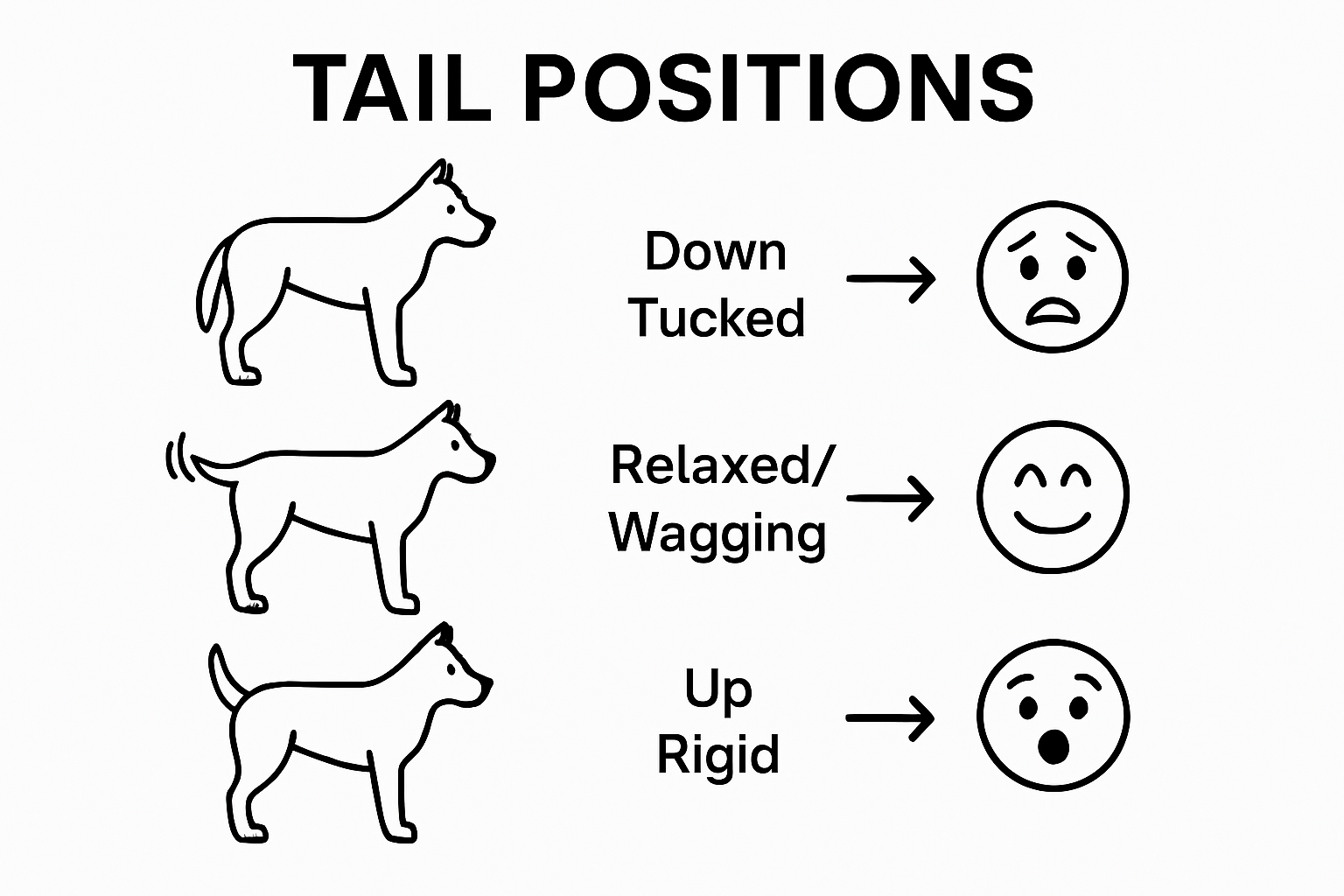
Each signal type provides unique information about the dog’s internal state, intentions, and immediate environmental perceptions. For example, a tucked tail might indicate fear, while an erect tail could signal confidence or alertness.
Contextual Communication Interpretation
Successful dog communication understanding requires recognizing that signals are not isolated events but interconnected responses to specific contexts. A single behavior can have multiple meanings depending on environmental factors, the dog’s physical state, and surrounding social dynamics.
Our comprehensive signal training guide offers additional insights into decoding these nuanced communication patterns. By learning to read these complex interactions, owners can develop a more empathetic and responsive relationship with their dogs, transforming basic pet ownership into a genuine interspecies dialogue.
Practical Benefits for Owners and Handlers
Research exploring human-dog interactions demonstrates that understanding dog communication provides substantial practical advantages for owners and handlers across various contexts. Effective communication transforms the fundamental relationship between humans and dogs, creating more harmonious, responsive, and supportive interactions.
Enhanced Training and Behavioral Management
Proficient dog communication skills directly impact training effectiveness and behavioral management. By recognizing and responding to subtle canine signals, owners can:
- Prevent potential aggressive behaviors
- Reduce training time and frustration
- Address anxiety and stress indicators early
- Develop more trust-based training approaches
- Create personalized training strategies
For instance, understanding a dog’s stress signals allows handlers to modify training techniques, making learning more comfortable and efficient for the animal.
The following table summarizes the practical benefits for owners and handlers when they understand their dogs communication signals.
| Benefit | How It Helps Owners/Handlers |
|---|---|
| Prevents Aggressive Behaviors | Early signal detection allows intervention before escalation |
| Reduces Training Time and Frustration | Tailors learning to the dogs emotional needs and signals |
| Addresses Anxiety and Stress | Identifies subtle discomfort, enabling prompt support |
| Fosters Trust-Based Training | Builds mutual understanding for collaborative training |
| Enables Personalized Approaches | Adapts methods to individual dog communication styles |
Safety and Emotional Well-being
Comprehensive dog communication skills are particularly crucial for specific handler groups. Service dog handlers and individuals with disabilities benefit immensely from nuanced communication understanding. Our service dog handler guide provides additional insights into developing these critical communication skills.
By learning to interpret their dog’s communication signals, handlers can anticipate needs, prevent potential health or safety issues, and maintain a strong, responsive partnership.
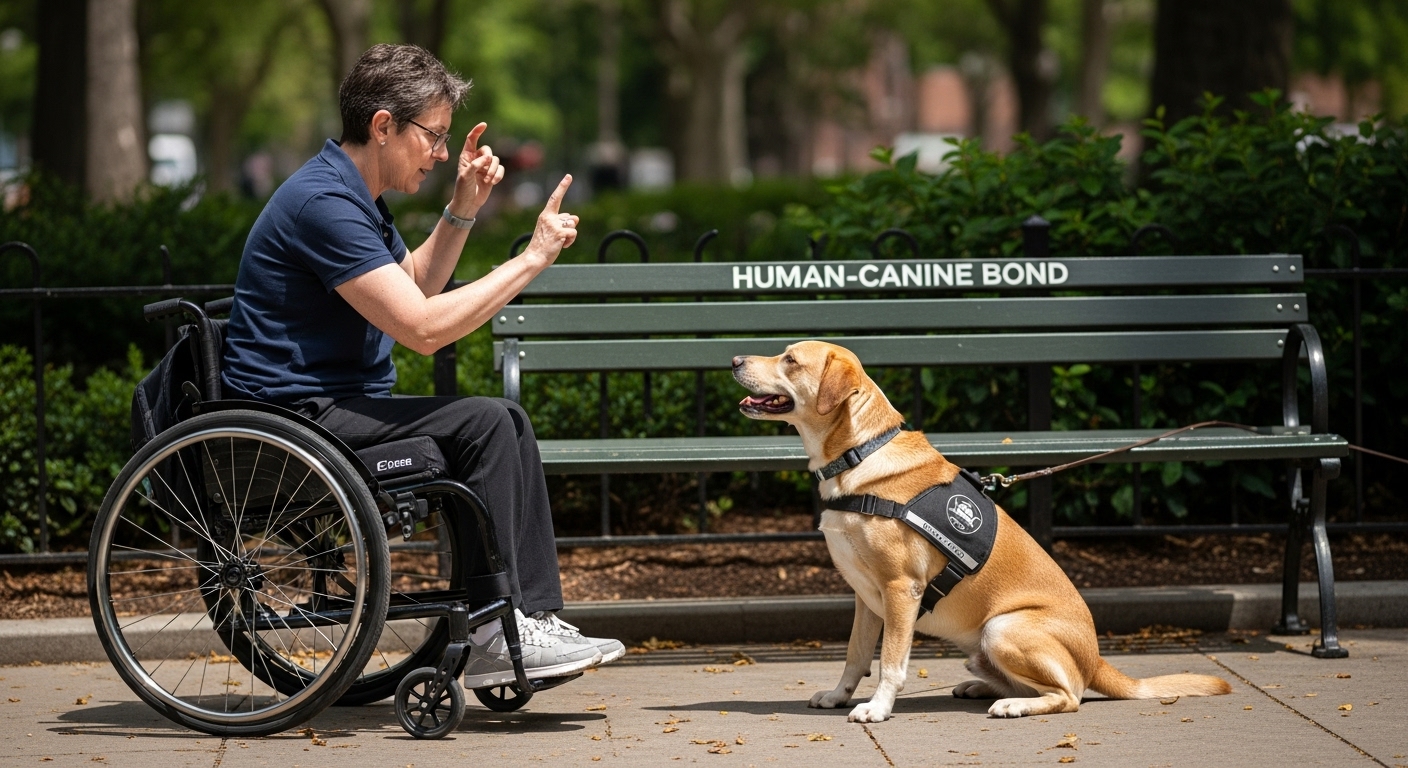 This understanding goes beyond basic training, creating a deep, empathetic connection that supports both the dog’s and handler’s emotional and physical well-being.
Transform Dog Communication Into Real Understanding — Experience the Benefits Today
If you have ever felt uncertain about your dog’s needs or missed subtle signals that trigger stress or behavior issues, you are not alone. This article highlights how misreading canine signals can result in anxiety, distance, or even aggression. At iPupPee, we believe every dog owner deserves clear and reliable communication, especially those caring for service dogs, rescue dogs, or puppies adjusting to a new home. Our iPupPee device turns complex dog communication cues into easy-to-understand alerts, preventing frustration and misunderstandings. Discover a direct approach to confidence, safety, and companionship.

Why wait to give your dog a voice? See real stories from owners who use our device and read step-by-step training resources in our dedicated product information section. Join a community focused on building trust and staying connected with your pet, whether you live alone, rely on service dogs, or want to protect your rescue’s unique needs. Shop today at iPupPee.com and help your dog communicate clearly starting now.
Frequently Asked Questions
What are the main ways dogs communicate?
Dogs communicate through various methods including vocalizations (barks, growls), body postures, facial expressions, tail movements, and scent marking. Each method conveys specific emotions or intentions.
Why is understanding dog communication important for owners?
Understanding dog communication is crucial as it helps prevent misunderstandings that can lead to behavioral problems like aggression or anxiety. It also enhances the overall relationship between dogs and their owners.
How can I improve my ability to interpret my dog’s signals?
Improving your ability to interpret your dog’s signals involves observation and learning about canine body language and vocalizations. Resources such as guides on dog communication techniques can provide valuable insights.
What practical benefits can I gain from understanding my dog’s communication?
Understanding your dog’s communication can lead to better training, more effective behavioral management, prevention of aggression, and enhanced emotional connections. It enables you to respond to your dog’s needs promptly and empathetically.