

Caring for a service dog comes with real challenges and important responsibilities. You want your service dog to stay healthy, safe, and ready to support you every single day, but it can feel overwhelming to keep track of everything they need. With health requirements, diet choices, regular vet visits, and daily routines to manage, it’s easy to wonder if you’re truly covering all the bases.
This list breaks down clear, achievable steps you can take to protect your service dog’s well-being and strengthen your partnership. You’ll discover practical habits, expert tips, and must-know insights grounded in industry guidelines that will help you support your service dog at every stage of life. Ready to learn how these simple changes can make your daily life together smoother and more rewarding?
Table of Contents
- 1. Prioritize Regular Vet Checkups And Vaccinations
- 2. Maintain A Nutritious And Balanced Diet For Your Dog
- 3. Engage In Daily Physical And Mental Exercise
- 4. Incorporate Effective Communication Tools Like Ipuppee
- 5. Establish A Consistent Grooming And Hygiene Routine
- 6. Create A Safe And Accessible Home Environment
- 7. Monitor For Early Signs Of Health Or Behavioral Changes
Quick Summary
| Takeaway | Explanation |
|---|---|
| 1. Schedule Regular Vet Checkups | Consistent veterinary examinations help detect health issues early, ensuring your service dog remains healthy and capable. |
| 2. Provide a Balanced Diet | Tailor your service dog’s diet to meet their nutritional needs for optimal performance and well-being. |
| 3. Engage in Daily Exercise | Physical and mental stimulation through regular exercise is essential for a service dog’s health and functionality. |
| 4. Use Effective Communication Tools | Advanced communication tools facilitate better understanding between handlers and their service dogs, enhancing teamwork. |
| 5. Monitor Health Changes Closely | Keep an eye on your service dog’s behavior and health indicators for early detection of potential issues. |
1. Prioritize Regular Vet Checkups and Vaccinations
Service dogs are more than companions - they are critical lifelines for individuals with disabilities. Maintaining their optimal health through consistent veterinary care is not just recommended but essential.
Regular veterinary checkups play a pivotal role in ensuring your service dog remains healthy and capable of performing vital tasks. These comprehensive examinations help detect potential health issues early and prevent complex medical complications down the line.
Key aspects of routine veterinary care include:
- Annual comprehensive physical examinations
- Updated vaccination protocols
- Preventive screenings for common health conditions
- Dental health assessments
- Parasite prevention evaluations
The Veterans Affairs program emphasizes the importance of current veterinary documentation for service dogs. This means keeping meticulous records of all medical treatments and maintaining current vaccination status is crucial for your dog’s continued service eligibility.
A healthy service dog is a reliable partner in maintaining independence and safety.
Particularly for international travel or cross-border work, service dog handlers must stay vigilant about vaccination requirements. Different regions have specific health documentation standards that must be carefully followed.
Pro tip: Schedule your service dog’s veterinary checkups six months in advance and set calendar reminders to ensure you never miss an important health screening.
2. Maintain a Nutritious and Balanced Diet for Your Dog
A service dog’s performance and overall health are directly tied to their nutrition. Proper dietary management is not just about feeding your dog - it is about providing precise, targeted nutrition that supports their demanding work and lifestyle.
Service dogs require a diet that goes beyond basic sustenance. They need carefully calibrated nutritional intake that supports their physical stamina, mental alertness, and immune system functionality.
Key nutritional considerations for service dogs include:
- High-quality protein sources
- Balanced macronutrient ratios
- Age and activity-level specific caloric intake
- Essential vitamins and minerals
- Consistent hydration
The FDA emphasizes that complete and balanced pet food is crucial for maintaining optimal canine health. Not all commercial foods are created equal - look for products that meet established nutritional standards.
Nutrition is the foundation of your service dog’s ability to perform critical tasks effectively and safely.
Understanding that dogs are omnivores helps handlers make informed dietary choices. Balanced diet guidelines recommend incorporating both animal and plant-based nutrients tailored to your dog’s specific health requirements.
Pro tip: Consult with a veterinary nutritionist annually to develop a personalized diet plan that adapts to your service dog’s changing health needs and work demands.
3. Engage in Daily Physical and Mental Exercise
Service dogs require consistent physical and mental stimulation to maintain their peak performance and overall well-being. Exercise is more than just physical movement - it is a critical component of maintaining your dog’s health mental sharpness and ability to perform essential tasks.
For service dogs physical activity serves multiple purposes beyond basic fitness. It helps maintain muscle tone supports cognitive function and prevents potential health complications associated with sedentary lifestyles.
Effective exercise strategies include:
- Daily walks with varied terrain and pace
- Interactive puzzle toys and training games
- Obedience training sessions
- Swimming or low-impact cardiovascular activities
- Agility training adapted to the dog’s specific abilities
Physical activity guidelines emphasize the importance of tailoring exercise to individual capabilities and health requirements. The goal is not intense workout but consistent meaningful engagement.
Mental stimulation is just as crucial as physical exercise for maintaining a service dog’s readiness and performance.
Research from the VA highlights how service dogs support mental health through regular physical and cognitive activities. This mutual engagement benefits both the dog and handler improving overall quality of life.
Pro tip: Rotate exercise activities weekly to prevent boredom and maintain your service dog’s enthusiasm for physical and mental challenges.
4. Incorporate Effective Communication Tools Like iPupPee
Communication is the cornerstone of successful service dog partnerships. Modern technology offers innovative solutions to bridge understanding between handlers and their canine companions.
Service dog handlers need reliable methods to understand their dog’s needs signals and potential emergencies. Advanced communication tools like iPupPee provide an additional layer of connection beyond traditional training methods.
Key features of effective communication tools include:
- Real-time video alert capabilities
- WiFi-connected communication interfaces
- Customizable alert systems
- Emergency signal mechanisms
- Intuitive user interfaces for handlers
Dog communication strategies emphasize the importance of clear reliable interactions between service dogs and their handlers. Technology complements traditional communication methods by providing additional safety and understanding channels.
Effective communication transforms a service dog from a helper to a true partner in daily life.
The iPupPee system represents a breakthrough in service dog communication technologies designed to enhance handler-dog interactions. These tools go beyond basic training providing intelligent ways to understand and respond to a dog’s signals.
Pro tip: Practice using communication tools regularly to build mutual understanding and trust with your service dog.
5. Establish a Consistent Grooming and Hygiene Routine
Grooming is far more than cosmetic maintenance for service dogs. Hygiene directly impacts health performance and the critical bond between handler and service animal.
A consistent grooming routine helps prevent potential health issues and maintains the professional appearance required of service dogs. Regular maintenance supports skin health coat condition and overall well-being.
Critical grooming and hygiene practices include:
- Weekly brushing to remove loose fur and check skin condition
- Monthly bathing with dog-specific hygiene products
- Regular ear and dental cleaning
- Nail trimming every 4-6 weeks
- Paw pad inspection and cleaning
Hygiene practices around animals are essential for preventing disease transmission and maintaining mutual health. Understanding these protocols protects both the service dog and handler.
A well-groomed service dog communicates professionalism and attentiveness.
While veterinary care guidelines do not cover routine grooming expenses they emphasize its importance in comprehensive dog care. Consistent grooming supports skin health reduces allergens and prevents discomfort that could impact performance.
Pro tip: Create a dedicated grooming station with all necessary supplies to make maintenance quick and stress-free for both you and your service dog.
6. Create a Safe and Accessible Home Environment
Service dog handlers require thoughtful home design that supports both their mobility needs and their dog’s working capabilities. Creating an accessible living space is about removing barriers and enabling seamless interaction.
A safe home environment goes beyond basic accommodation - it means intentionally designing spaces that support independence functionality and mutual comfort for service dog teams.
Key home accessibility considerations include:
- Wide doorways and clear pathways
- Non-slip flooring surfaces
- Strategically placed rest areas for the service dog
- Adjustable furniture configurations
- Proper lighting and visibility
- Minimal tripping hazards
Accessible housing guidelines emphasize creating environments that support freedom of movement. This means thinking critically about every aspect of home design.
An accessible home is not just about physical space - it is about creating an environment of mutual support and independence.
The Americans with Disabilities Act requires reasonable home modifications to accommodate service animals. This legal framework underscores the importance of designing living spaces that truly work for handlers and their service dogs.
Pro tip: Conduct a monthly home safety audit with your service dog to identify and remove potential obstacles or hazards.
7. Monitor for Early Signs of Health or Behavioral Changes
Service dogs are living partners whose subtle health signals can dramatically impact their handler’s safety and independence. Proactive health monitoring is not just recommended - it is essential for maintaining a reliable service dog team.
Early detection of potential health or behavioral changes can prevent minor issues from becoming significant challenges that compromise a service dog’s ability to perform critical tasks. Handlers must develop a keen observational approach that goes beyond surface-level assessments.
Key areas to monitor consistently include:
- Appetite and eating patterns
- Sleep quality and duration
- Energy levels and mobility
- Emotional responsiveness
- Physical symptoms like limping or unusual movements
- Bathroom habits
- Interaction patterns with handler
Veterinary research highlights the critical importance of recognizing subtle health indicators before they escalate into more serious conditions.
A service dog’s smallest behavioral change can signal significant underlying health concerns.
The VA’s research on service dog health monitoring underscores how early intervention preserves the dog’s capacity to provide essential support.
Pro tip: Keep a daily log of your service dog’s behavior to track subtle changes and establish a baseline for quick anomaly detection.
Below is a comprehensive table summarizing effective strategies for ensuring the well-being, efficiency, and health of service dogs as presented in the article.
| Aspect | Focus | Steps and Benefits |
|---|---|---|
| Routine Veterinary Care | Regular health maintenance | Schedule annual exams, update vaccinations, and monitor overall health to ensure early issue detection. |
| Nutrition | Balanced diet for performance | Provide high-quality food tailored to age and activity level, ensuring consistent hydration and nutrient adequacy. |
| Exercise | Physical and mental engagement | Use diversified activities, such as walks and training, for cognitive sharpness and muscle-tone maintenance. |
| Communication Tools | Handler-dog interaction | Utilize devices like iPupPee for enhanced understanding and response to a dog’s needs. |
| Grooming | Hygiene and health | Establish a routine for brushing, bathing, and nail care to prevent issues and maintain professionalism. |
| Home Environment | Accessibility and function | Design living spaces with non-slip surfaces and clear pathways to support service requirements. |
| Health Monitoring | Prevention and responsiveness | Observe daily behavior for changes to proactively address health or emotional concerns. |
Enhance Your Service Dog’s Wellness with Smart Communication Solutions
Caring for a service dog involves managing many challenges from maintaining health and nutrition to ensuring clear communication. This article highlights essential wellness tips that every service dog handler must prioritize such as regular vet checkups, balanced diets, and consistent exercise. Yet one crucial aspect often overlooked is effective communication between you and your dog, which can dramatically improve your ability to monitor health changes and respond to emergencies quickly.
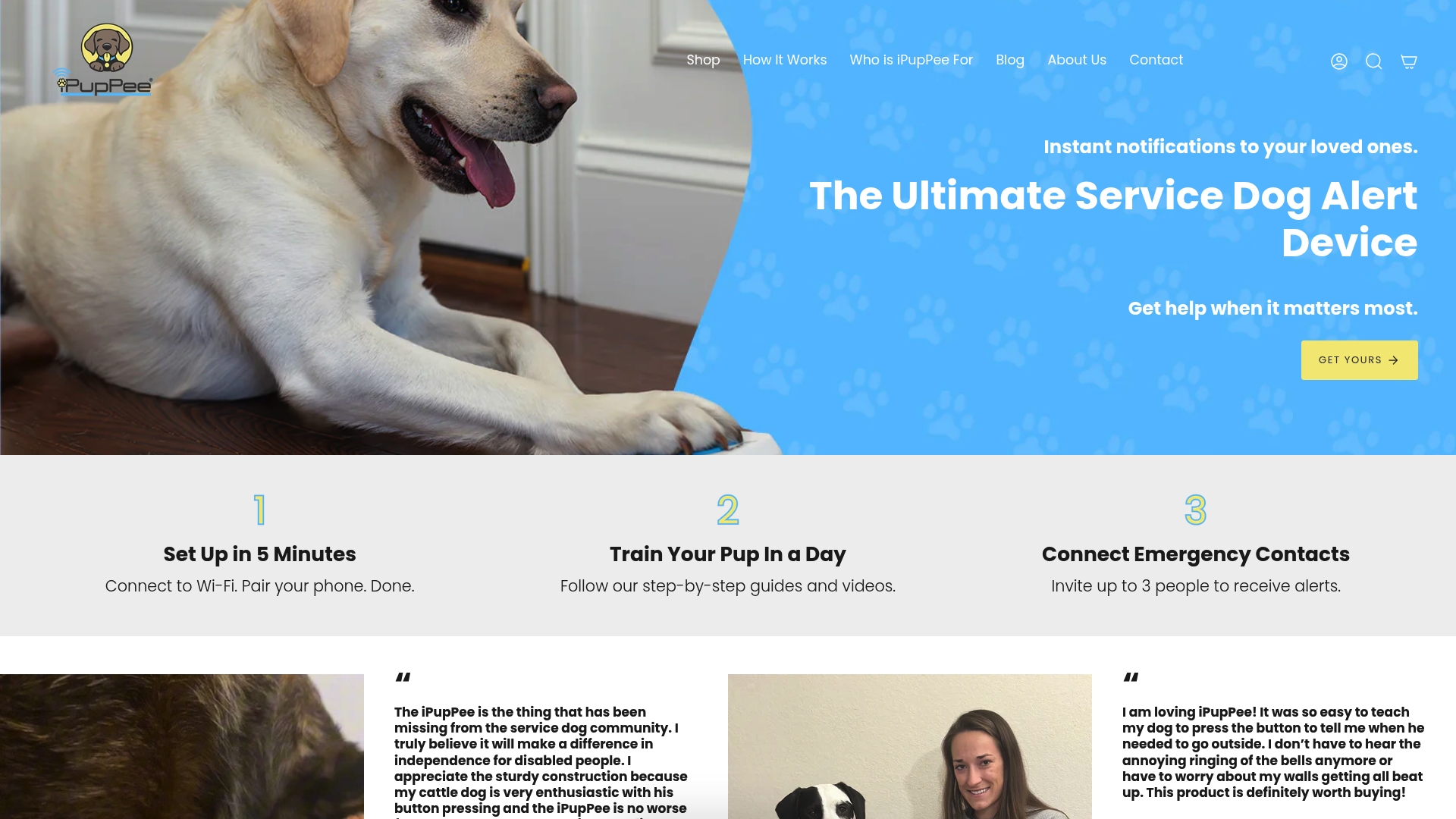
Discover how the innovative iPupPee device from ipuppee.com empowers service dog handlers by offering real-time alerts and seamless communication. This technology enhances safety and supports the vital bond you share with your dog. Don’t wait until small health or behavioral changes become emergencies. Visit ipuppee.com today to explore detailed training instructions and benefits that can transform your service dog partnership and keep wellness at the forefront of your care routine.
Frequently Asked Questions
How often should I schedule veterinary checkups for my service dog?
To maintain optimal health, you should schedule annual veterinary checkups for your service dog. Set reminders to ensure you don’t miss these important health screenings.
What should I include in my service dog’s diet to ensure they stay healthy?
Provide a balanced diet that includes high-quality protein, essential vitamins, and adequate hydration. Consult with a veterinary nutritionist to create a personalized feeding plan based on your dog’s age and activity level.
What types of exercise are best for service dogs?
Engage your service dog in daily physical and mental exercises, including walks, training games, and agility activities. Aim for at least 30 minutes of varied exercise to keep them healthy and stimulated.
How can I effectively communicate with my service dog?
Utilize modern communication tools to enhance understanding between you and your service dog. Regularly practice these tools to build trust and improve mutual communication.
What grooming practices should I follow for my service dog?
Implement a regular grooming routine that includes brushing, bathing, and dental care. Schedule grooming at least once a week to prevent health issues and maintain a professional appearance.
How can I monitor my service dog’s health effectively?
Keep a daily log of your service dog’s behavior, appetite, and energy levels to detect any changes early. This will help you identify potential health issues before they escalate, ensuring your dog remains fit for service.
Recommended
- Service Dog Care Essentials: Must-Know Tips for 2025 – iPupPee
- Top Service Dog Handler Tips for Success and Bonding – iPupPee
- Understanding Service Dog Behavior: 2025 Guide for Owners & Handlers – iPupPee
- Master Service Dog Daily Routines for Success – iPupPee
- 7 Best Taxi That Takes Dogs Services in 2026 - Capital Cars