

Communicating with your service dog can sometimes feel confusing, especially when you find yourself guessing what their body language or signals really mean. Many handlers unintentionally project human emotions onto their dogs, which can cloud your understanding and affect your daily partnership. This can lead to miscommunication and missed cues, making effective teamwork more challenging than it should be.
The good news is that realistic, actionable strategies can help you better interpret your dog’s needs, build trust, and create a safe working relationship. By learning to spot unique signals, applying consistent positive training, and embracing new communication tools, you can support your dog’s wellbeing while making your own life easier.
Get ready to uncover practical tips that will help you recognize your dog’s true intentions, structure your routines, stay prepared for emergencies, and connect with other handlers for everyday support. Each step brings you closer to a stronger, more reliable bond with your canine partner.
Table of Contents
- Understand Your Dog’s Unique Communication Needs
- Practice Consistent and Positive Training Methods
- Utilize Safe and Effective Communication Devices
- Create a Structured Daily Routine for Your Dog
- Implement Emergency Preparedness Plans
- Promote Independence While Supporting Safety
- Connect with Supportive Communities and Resources
Quick Summary
| Takeaway | Explanation |
|---|---|
| 1. Understand Dog Communication | Watch body language and avoid humanizing behaviors to communicate effectively with your dog. |
| 2. Emphasize Positive Training | Use consistent, reward-based methods to foster trust and enhance learning experiences for your dog. |
| 3. Create a Structured Routine | Establish a daily schedule that includes consistent feeding, exercise, and rest periods for your dog’s well-being. |
| 4. Prepare for Emergencies | Develop a comprehensive emergency plan with supplies and evacuation routes to ensure safety for you and your dog. |
| 5. Connect with Supportive Communities | Engage with assistance dog networks to gain support, training resources, and shared experiences with fellow handlers. |
1. Understand Your Dog’s Unique Communication Needs
Effective dog handling starts with deciphering your canine companion’s intricate communication system. Unlike humans who primarily rely on verbal language, dogs communicate through a complex network of behavioral signals and body language.
Dogs express themselves through multiple channels including:
- Vocal signals like barks and growls
- Body posture and positioning
- Tail movements
- Facial expressions
- Ear and eye positions
Research from Arizona State University reveals that humans frequently misinterpret dog emotions by projecting human characteristics onto their pets. This misunderstanding can lead to miscommunication and potential safety risks for both the handler and the dog.
Understanding your dog’s unique communication style is not just about interpretation it is about building a safe and trusting relationship.
To effectively understand your dog’s communication needs:
- Observe their body language closely
- Learn to recognize stress signals
- Pay attention to context and environmental cues
- Avoid anthropomorphizing their behaviors
Body language speaks volumes more than verbal commands. A tucked tail might signal fear while raised ears could indicate alertness or curiosity.
Pro tip: Keep a journal documenting your dog’s specific communication patterns to develop a personalized understanding of their unique signals.
2. Practice Consistent and Positive Training Methods
Successful dog handling requires a strategic approach to training that emphasizes positive reinforcement and consistent methodology. Training effectiveness depends on systematic approaches that build trust and encourage desired behaviors.
Key principles of effective dog training include:
- Creating clear expectations
- Using reward-based techniques
- Maintaining predictable responses
- Avoiding punishment-based methods
- Adapting techniques to individual dog personalities
Consistent training means establishing a structured environment where your dog understands boundaries and expectations. This approach helps reduce anxiety and builds a stronger handler-dog relationship.
Positive reinforcement transforms training from a challenging task to a collaborative learning experience.
Successful training involves:
- Setting specific behavioral objectives
- Breaking complex skills into manageable steps
- Practicing regular short training sessions
- Tracking and celebrating incremental progress
Repetition builds canine confidence and helps dogs understand what is expected of them. By remaining patient and maintaining a supportive atmosphere, handlers can achieve remarkable results.
Pro tip: Create a consistent training schedule and stick to it to help your dog develop reliable learning patterns and predictable responses.
3. Utilize Safe and Effective Communication Devices
In the world of dog handling communication devices play a pivotal role in enhancing safety and understanding between handlers and their service dogs. Emerging communication technologies offer innovative ways to bridge the interaction gap for handlers with diverse needs.
Communication devices serve critical functions such as:
- Providing discrete command signals
- Enabling hands-free interactions
- Supporting handlers with mobility limitations
- Enhancing situational awareness
- Promoting independent navigation
Under the Americans with Disabilities Act guidelines, service animals require specialized training that incorporates safe communication methods. This means choosing devices that respect both the handler’s needs and the dog’s welfare.
Effective communication devices transform limitations into opportunities for independence.
When selecting communication tools consider:
- Compatibility with your specific disability
- Ease of use and ergonomic design
- Battery life and reliability
- Durability in various environments
- Cost and insurance coverage options
Technological solutions empower handler autonomy by creating clear pathways for instruction and interaction. Modern devices range from vibration-based signals to advanced wearable technologies that interpret both human and canine communication needs.
Pro tip: Always test communication devices extensively with your specific service dog to ensure mutual understanding and comfort.
4. Create a Structured Daily Routine for Your Dog
A structured daily routine is the foundation of a healthy and confident service dog. Consistent daily schedules provide dogs with predictability and a sense of security that enhances their performance and emotional well-being.
Key components of an effective daily routine include:
- Regular feeding times
- Consistent exercise periods
- Scheduled training sessions
- Designated rest and relaxation times
- Predictable bathroom breaks
- Grooming and health check intervals
The goal of a structured routine is to create a predictable environment that reduces anxiety and supports your dog’s physical and mental health. By establishing clear expectations dogs develop confidence and a stronger sense of purpose.
Predictability transforms uncertainty into a pathway of trust and understanding.
To implement an effective routine:
- Wake up and sleep at consistent times
- Feed meals at the same hours daily
- Schedule training during low-distraction periods
- Include regular health and bonding activities
- Adjust routine gradually if changes are necessary
Routine builds canine confidence and competence by providing a framework that helps dogs anticipate and prepare for daily activities. This predictability is especially crucial for service dogs who rely on stability to perform critical tasks.
Pro tip: Use a visual calendar or smartphone app to track and maintain your dog’s daily routine, ensuring consistency and making adjustments as needed.
5. Implement Emergency Preparedness Plans
Emergency preparedness is crucial for dog handlers to ensure the safety of both themselves and their service dogs during unexpected situations. Pet emergency planning requires strategic thinking and comprehensive preparation to protect your canine companion.
Key elements of an emergency preparedness plan include:
- Assembling a comprehensive pet emergency kit
- Creating multiple evacuation routes
- Maintaining current identification documents
- Establishing communication protocols
- Planning for medical contingencies
- Identifying pet-friendly shelters
Understanding the potential risks in your specific geographic area helps create a targeted and effective emergency strategy. Different regions face unique challenges such as hurricanes wildfire zones or earthquake-prone territories.
Preparation transforms potential chaos into a manageable response.
To develop a robust emergency plan:
- Create a detailed evacuation checklist
- Store emergency supplies in easily accessible locations
- Keep digital and physical copies of medical records
- Practice emergency scenarios with your dog
- Update your plan annually
Anticipation prevents panic during emergencies. Service dogs rely on their handlers to remain calm and provide clear guidance during stressful situations.
Pro tip: Store emergency supplies in waterproof containers with copies of medical records and identification in sealed plastic bags for quick retrieval during urgent evacuations.
6. Promote Independence While Supporting Safety
Balancing dog independence with safety requires a nuanced approach that empowers service dogs while maintaining critical protective boundaries. Person-centered support strategies help handlers develop trust and autonomy.
Key principles of promoting independence include:
- Allowing controlled decision-making opportunities
- Recognizing and rewarding problem-solving skills
- Creating predictable training environments
- Gradually reducing direct intervention
- Supporting natural canine problem-solving abilities
- Maintaining clear safety boundaries
Independent dogs are more confident and responsive in complex situations. By strategically reducing micromanagement handlers can help their service dogs develop critical thinking skills and situational awareness.
Independence is not about removing support but about building capability.
To foster independence safely:
- Start with small autonomous tasks
- Use positive reinforcement techniques
- Monitor progress without excessive intervention
- Adjust support levels based on individual dog responses
- Celebrate incremental achievements
Autonomy enhances canine confidence and performance. Well-supported dogs develop stronger problem-solving skills and maintain greater emotional resilience.
Pro tip: Practice incrementally expanding your dog’s independent decision-making by creating controlled scenarios that challenge their problem-solving abilities while ensuring overall safety.
7. Connect with Supportive Communities and Resources
Navigating the world of service dogs requires more than individual effort. Assistance dog networks provide critical support systems that help handlers overcome challenges and share invaluable experiences.
Benefits of connecting with supportive communities include:
- Access to shared knowledge and experiences
- Emotional support from understanding peers
- Professional guidance and mentorship
- Updated training resources
- Advocacy and legal support
- Networking opportunities
Professional organizations offer structured support through multiple channels including online forums, local meetups, workshops, and certification programs. These resources help handlers develop skills and stay informed about best practices.
Community connection transforms individual challenges into collective strength.
Strategies for building support networks:
- Join professional assistance dog organizations
- Attend local and national handler workshops
- Participate in online support groups
- Follow specialized social media communities
- Engage with regional disability support networks
Collaborative learning accelerates personal growth and provides critical insights that individual experience cannot offer.
Pro tip: Research and join at least two professional networks that specialize in service dog support to maximize your access to resources and community knowledge.
Below is a comprehensive table summarizing key strategies and insights for effective dog handling as discussed in the article.
| Topic | Key Strategies | Benefits |
|---|---|---|
| Understanding Communication | Observe and learn your dog’s body language and signals. Avoid anthropomorphizing. | Building trust and interpreting behavior accurately. |
| Positive Training | Use consistent methods and positive reinforcement. Set clear objectives. | Fosters learning, trust, and reduced anxiety. |
| Communication Devices | Select devices aiding in communication tailored to individual needs. | Enhances handler-dog connection and safety. |
| Daily Routine | Establish structured schedules for feeding, exercise, and training. | Provides predictability and reduces anxiety. |
| Emergency Preparedness | Prepare tailored evacuation strategies and kits. Practice scenarios. | Ensures safety and readiness for emergencies. |
| Encouraging Independence | Allow autonomous problem-solving in controlled settings. | Promotes confidence and situational adaptability. |
| Community Connection | Engage with assistance organizations and networks. | Enhances learning and access to resources. |
Enhance Safety and Communication with Innovative Solutions for Dog Handlers
Understanding your dog’s unique communication and maintaining safety are at the heart of effective dog handling. This article highlights the challenges of interpreting canine signals, practicing consistent training, and preparing for emergencies—all essential for creating a secure environment for both handlers and their dogs. If you are seeking to bridge these skills with practical tools that empower independence and improve communication, the solutions at iPupPee offer exactly that.
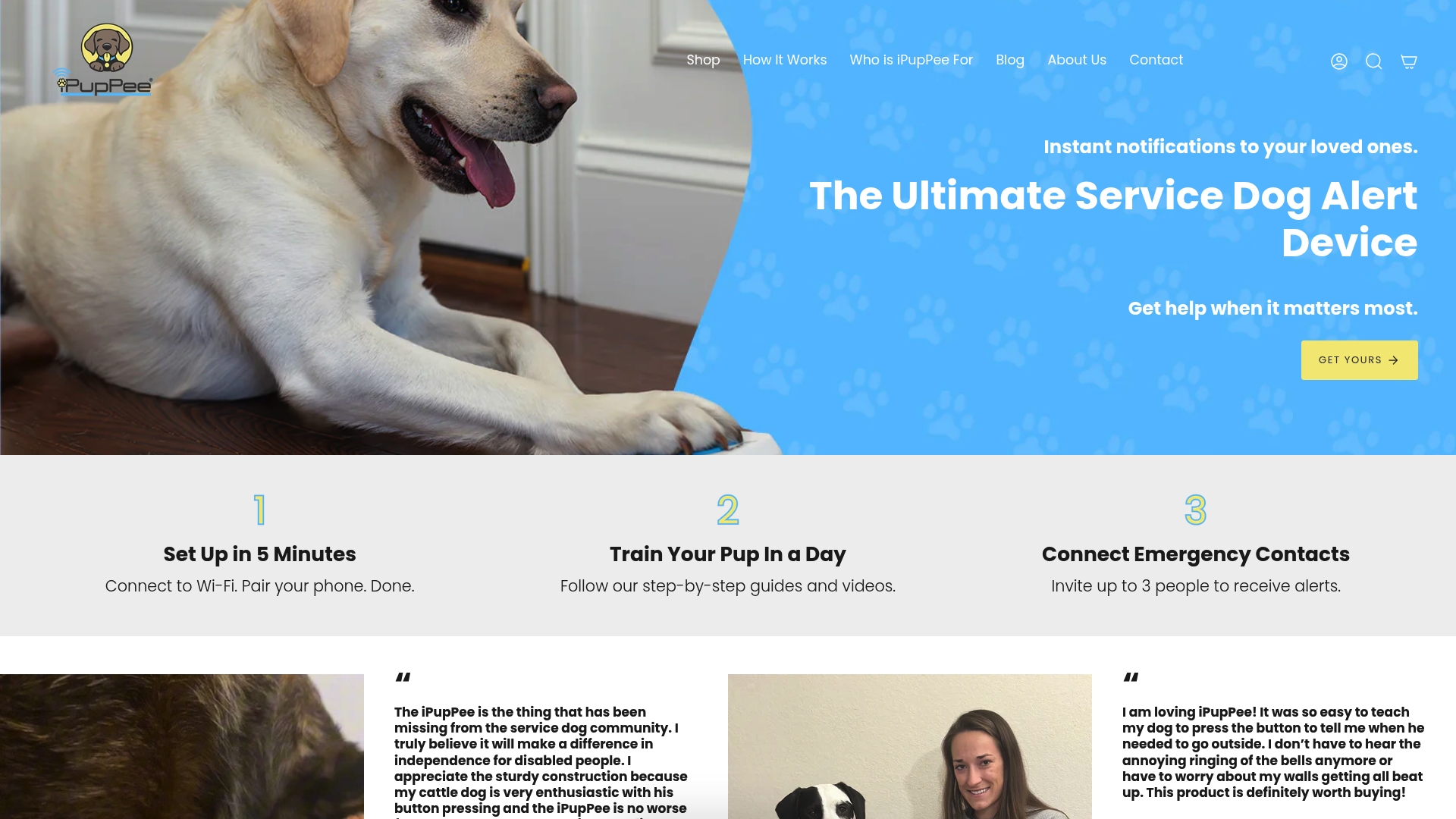
Take control of your service dog’s safety and communication today with the specialized alert device from iPupPee. Designed to support service dog handlers, seniors, and individuals with special needs, this device simplifies interaction through a single button press. Combine positive training tips from this guide with an innovative device that complements your dog’s skillset—building confidence, independence, and peace of mind all at once. Visit iPupPee now to explore product features, learn from helpful training instructions, and take the next step toward stronger safety and communication for you and your dog.
Frequently Asked Questions
How can I better understand my dog’s communication signals?
Understanding your dog’s communication signals involves closely observing their body language, vocalizations, and environmental context. Start by noting specific behaviors and their meanings to build a deeper connection with your dog over time.
What are effective training methods for my service dog?
Implement positive reinforcement and consistent training methods to effectively train your service dog. Ensure to set clear behavioral objectives, use rewards, and maintain a structured environment to achieve reliable outcomes.
What should I include in my dog’s emergency preparedness plan?
An effective emergency preparedness plan for your dog should include a comprehensive pet emergency kit, up-to-date identification, evacuation routes, and communication protocols. Create a detailed checklist and practice emergency scenarios to ensure you and your dog are ready for unexpected situations.
What daily routine is best for maintaining my dog’s well-being?
A well-structured daily routine should incorporate regular feeding times, consistent exercise, designated training sessions, and rest periods. Create a schedule that provides predictability, helping your dog feel more secure and confident.
How can I promote my service dog’s independence while ensuring their safety?
Promoting your service dog’s independence involves allowing them controlled decision-making opportunities while maintaining safety boundaries. Begin with small tasks and gradually reduce intervention as they develop their problem-solving abilities while monitoring their progress.
How can I connect with supportive communities for my service dog?
Connect with supportive communities by joining professional assistance dog organizations, participating in local workshops, and engaging in online support groups. Building a network can provide valuable resources, shared experiences, and emotional support as you navigate the challenges of being a dog handler.
Recommended
- How to Improve Dog Safety at Home and Outdoors 2025 – iPupPee
- 7 Essential Safety Tips for Support Dogs and Owners – iPupPee
- Top Service Dog Handler Tips for Success and Bonding – iPupPee
- 8 Essential Dog Safety Training Tips Every Owner Should Know – iPupPee
- Preventing Workplace Injuries: Essential Safety Steps – WorkWearComfort