

Finding the right safety gear for service dogs can be daunting when every American senior or pet owner with disabilities wants peace of mind and freedom. Support dogs face unique demands, and over 60 percent of handlers report worrying about their pets’ well being in unpredictable environments. Discover simple solutions and new communication devices that empower both you and your support dog, helping maintain independence while strengthening safety at home and outdoors.
Table of Contents
- Understand the Unique Safety Needs of Support Dogs
- Set Up Reliable Communication Tools for Emergencies
- Train Your Support Dog to Use Alert Devices
- Create a Safe Home Environment for Your Dog and You
- Prepare for Safe Outdoor Activities with Your Support Dog
- Teach Basic and Advanced Safety Commands
- Stay Informed on Latest Safety Devices and Trends
Quick Summary
| Key Insight | Explanation |
|---|---|
| 1. Recognize Support Dog Safety Needs | Understand their specialized training and psychological demands to enhance their well-being and performance in public settings. |
| 2. Establish Emergency Communication Plans | Create a contact list and use SMS technology for rapid alerts during emergencies involving your support dog. |
| 3. Train with Alert Devices | Use positive reinforcement for teaching your support dog to interact with alert devices for improved communication and safety. |
| 4. Create a Safe Home Environment | Dog-proof your living space by identifying hazards and designing secure areas to promote comfort and safety for your support dog. |
| 5. Stay Updated on Safety Technology | Regularly evaluate new wearable devices and assistive technologies to enhance the safety and effectiveness of your support dog. |
1. Understand the Unique Safety Needs of Support Dogs
Support dogs play a critical role in enhancing independence for individuals with disabilities, requiring specialized safety considerations beyond typical pet care. These remarkable animals navigate complex social environments while maintaining balanced behavior and performing specific tasks that directly support their handlers.
Understanding the unique safety needs of support dogs involves recognizing their specialized training and the intricate interdependent relationship with their handlers. Unlike standard companion animals, these dogs must remain alert and responsive while managing potential stress triggers in various public settings.
Key safety considerations include maintaining the dog’s physical and psychological well being. This means protecting them from overstimulation, ensuring they have clear boundaries, and providing opportunities for decompression after intense work periods. Support dogs operate under significant mental and physical demands that require careful monitoring and proactive management.
Proper safety protocols involve understanding your dog’s specific training, recognizing stress signals, and creating environments that support their working capacity. This includes managing interactions with strangers, controlling exposure to potential distractions, and maintaining consistent training reinforcement.
Pro tip: Schedule regular veterinary check ups and psychological assessments to monitor your support dog’s overall health and working capacity.
2. Set Up Reliable Communication Tools for Emergencies
Emergency communication is a critical aspect of safety for support dog owners, requiring strategic planning and reliable technologies that enable quick and effective response mechanisms. Support dogs and their handlers need robust communication systems that can function across various scenarios and potential challenges.
SMS technology provides an exceptional foundation for emergency communication, offering network independent and rapid alert capabilities that transcend traditional communication barriers. This technology allows handlers to quickly transmit critical information about their location, medical needs, or support dog status during unexpected situations.
Building a comprehensive emergency communication toolkit involves multiple strategic components. First, create a contact list with emergency services, veterinary professionals, family members, and local animal rescue organizations. Ensure these contacts are programmed into multiple devices and include alternative communication methods like backup phone numbers and email addresses.
Consider investing in specialized emergency alert devices designed specifically for support dog handlers. These tools can include wearable communication buttons, GPS tracking systems, and mobile applications that enable quick distress signaling. Prepare pre written message templates that can be instantly transmitted during high stress scenarios, reducing communication complexity when every second counts.
Pro tip: Practice emergency communication scenarios with your support dog and designated contacts to ensure smooth coordination during actual crisis situations.
3. Train Your Support Dog to Use Alert Devices
Training support dogs to effectively utilize alert devices requires patience, consistency, and strategic skill development. These communication tools are essential for enhancing independence and safety for handlers with disabilities.
The foundation of successful alert device training involves positive reinforcement techniques that create clear associations between specific device actions and desired outcomes. Alert device training follows systematic learning protocols that help dogs understand precise communication mechanisms.
Begin training by selecting a specific alert device compatible with your support dog’s physical capabilities and your specific needs. This might include button press systems, sound activated devices, or wearable communication tools. Introduce the device gradually using short training sessions that make learning feel like an engaging game rather than a complex task.
Break down device interaction into small achievable steps. Start with basic familiarization where your dog learns to touch or interact with the device without pressure. Use treats and verbal praise to create positive associations. Progress incrementally to more complex interactions such as pressing buttons in specific sequences or responding to different types of signals.
Consistent practice is critical. Schedule regular training sessions that are brief but focused, typically 5 to 10 minutes multiple times per day. Monitor your dog’s stress levels and always end training on a positive note to maintain motivation and enthusiasm.
Pro tip: Practice alert device training in multiple environments to help your support dog generalize the skills and remain responsive regardless of potential distractions.
4. Create a Safe Home Environment for Your Dog and You
Creating a safe home environment is crucial for support dogs and their handlers, ensuring both physical safety and psychological comfort. This involves thoughtful design and strategic planning that addresses potential risks while promoting well being.
Dog proofing your living space requires a comprehensive approach that considers multiple potential hazards from your dog’s perspective. Start by conducting a thorough home inspection at your dog’s eye level to identify potential dangers such as exposed electrical cords, small ingestible objects, and accessible toxic substances.
Secure electrical outlets with protective covers and use cord management systems to prevent chewing or entanglement. Store cleaning chemicals, medications, and other potentially harmful substances in locked cabinets well beyond your dog’s reach. Pay special attention to houseplants, as many common varieties can be toxic if ingested.
Design specific zones within your home that provide both safety and stimulation for your support dog. Create a comfortable resting area with a supportive bed that allows your dog to feel secure while maintaining visibility of their surroundings. Establish clear pathways that minimize obstacles and potential tripping hazards for both you and your support dog.
Implement climate control strategies that maintain consistent temperatures and good air circulation. Consider using air purifiers to reduce allergens and create a healthier indoor environment. Ensure your home has proper ventilation and maintains a comfortable temperature range suitable for your dog’s specific breed and health requirements.
Pro tip: Conduct monthly safety audits of your home environment, moving potential hazards and reassessing your support dog’s changing needs and capabilities.
5. Prepare for Safe Outdoor Activities with Your Support Dog
Outdoor activities with support dogs require meticulous planning and strategic preparation to ensure safety and comfort for both handler and dog. These activities are not just recreational but essential for maintaining physical and mental well being.
Comprehensive outdoor safety involves multiple strategic considerations that go beyond simple supervision. Before venturing outside, conduct a thorough health assessment of your support dog, checking their physical condition, current vaccination status, and overall readiness for outdoor engagement.
Equip yourself with specialized outdoor gear designed for support dogs. This includes weather appropriate clothing, protective footwear to prevent paw injuries, and specialized harnesses that provide enhanced control and communication. Choose equipment that allows your dog to maintain their working capabilities while protecting them from environmental challenges.
Prepare a comprehensive safety kit containing essential items such as portable water containers, first aid supplies, emergency contact information, and any necessary medical documentation. Consider the specific environmental conditions you will encounter such as temperature variations, potential wildlife interactions, and terrain challenges.
Develop a communication strategy that allows you to maintain control and provide guidance in various outdoor scenarios. Practice basic obedience commands in different environments, gradually increasing complexity to build your dog’s confidence and responsiveness. Teach your support dog to recognize and respond to subtle cues that indicate potential risks or necessary changes in activity.
Pro tip: Conduct short practice runs in controlled outdoor environments to gradually build your support dog’s outdoor confidence and assess their comfort level with different stimuli.
6. Teach Basic and Advanced Safety Commands
Teaching safety commands is a critical component of support dog training that goes beyond standard obedience. These commands create a foundation of communication and protection that can potentially save lives in unexpected situations.
Establishing clear communication through strategic command training requires a structured and patient approach. Basic safety commands like ‘sit’, ‘stay’, ‘come’, and ‘leave it’ form the core of essential training that helps maintain control and prevent dangerous scenarios.
Start with foundational commands that provide immediate control. ‘Stay’ becomes crucial when protecting your dog from potential hazards like approaching vehicles or unfriendly animals. ‘Come’ is equally important as a recall command that can prevent your support dog from wandering into dangerous situations. Practice these commands in progressively more challenging environments to build reliability.
Advanced safety commands should include specific actions tailored to your unique needs. These might involve commands that signal medical alerts, help navigate complex public spaces, or provide immediate assistance during emergencies. Examples include teaching your dog to recognize specific hand signals, respond to proximity warnings, or perform specific tasks that mitigate potential risks.
Consistent positive reinforcement is key to successful command training. Use high value treats, enthusiastic praise, and create training scenarios that make learning feel like an engaging game. Break complex commands into smaller achievable steps, gradually increasing difficulty as your support dog demonstrates mastery.
Pro tip: Practice safety commands in diverse environments with varying levels of distraction to ensure your support dog can reliably respond when it matters most.
7. Stay Informed on Latest Safety Devices and Trends
Technology is rapidly transforming support dog safety, offering innovative solutions that enhance communication, tracking, and overall well being. Staying current with emerging technologies can significantly improve the quality of life for both support dogs and their handlers.
Advanced wearable devices now provide comprehensive health and location monitoring through sophisticated smart collars and harnesses. These technologies offer real time tracking, vital sign analysis, and behavioral insights that were previously unavailable to dog owners.
Key technological innovations include GPS enabled tracking systems that provide precise location data, health monitors capable of detecting early signs of medical issues, and intelligent behavior analysis tools. These devices integrate seamlessly with smartphone applications, allowing handlers to receive instant alerts and detailed reports about their support dog’s condition and environment.
Emergent assistive technologies are pushing the boundaries of what is possible for dogs with mobility challenges. Cutting edge developments like powered exoskeletons can help dogs regain movement after injury, providing hope and practical solutions for handlers dealing with physical limitations.
To stay informed, subscribe to specialized technology newsletters, follow veterinary technology blogs, and attend professional conferences focusing on animal assistance technologies. Regularly research and evaluate new devices that might improve your support dog’s safety and effectiveness.
Pro tip: Schedule quarterly technology reviews to explore new support dog safety devices and assess their potential benefits for your specific needs.
Here is a comprehensive summary of the key strategies, tips, and considerations discussed in the article regarding the safety and training of support dogs.
| Main Topic | Key Details | Benefits |
|---|---|---|
| Understand safety needs of support dogs | Recognize specialized training requirements and interdependent relationships with handlers | Ensures dogs remain responsive and balanced under working conditions |
| Establish emergency communication tools | Utilize SMS technology and wearable alert devices. Prepare an emergency contact list and templates. | Enhances preparedness for quick response in unpredictable scenarios |
| Train dogs for alert device usage | Gradually introduce and train with selected tools using positive reinforcement | Improves communication capabilities between dog and handler |
| Ensure a safe home environment | Conduct inspections and create secure, stimulating zones for your dog | Promotes safety, reduces risks, and boosts comfort and well-being |
| Prepare for outdoor activities | Use weather-appropriate gear, pack a safety kit, and practice outdoor commands | Provides safe, enjoyable experiences while mitigating outdoor risks |
| Teach safety commands and advanced training | Develop basic and advanced commands tailored to handler needs | Enhances safety and functional support for handlers in daily activities |
| Stay informed on the latest safety technologies | Explore options like health monitors, GPS devices, and wearable tech | Leverages innovation to improve the dog’s safety and working conditions |
Enhance Safety and Communication with iPupPee for Support Dogs and Owners
Ensuring your support dog’s safety while maintaining clear communication can be challenging. This article highlights key concerns like managing emergency communication, training your dog to use alert devices, and creating safe environments. If you want to take control and empower your support dog to alert you with ease in critical moments, the innovative iPupPee alert device is designed exactly for that purpose. It helps overcome the communication barriers that often cause stress and delay assistance when every second matters.
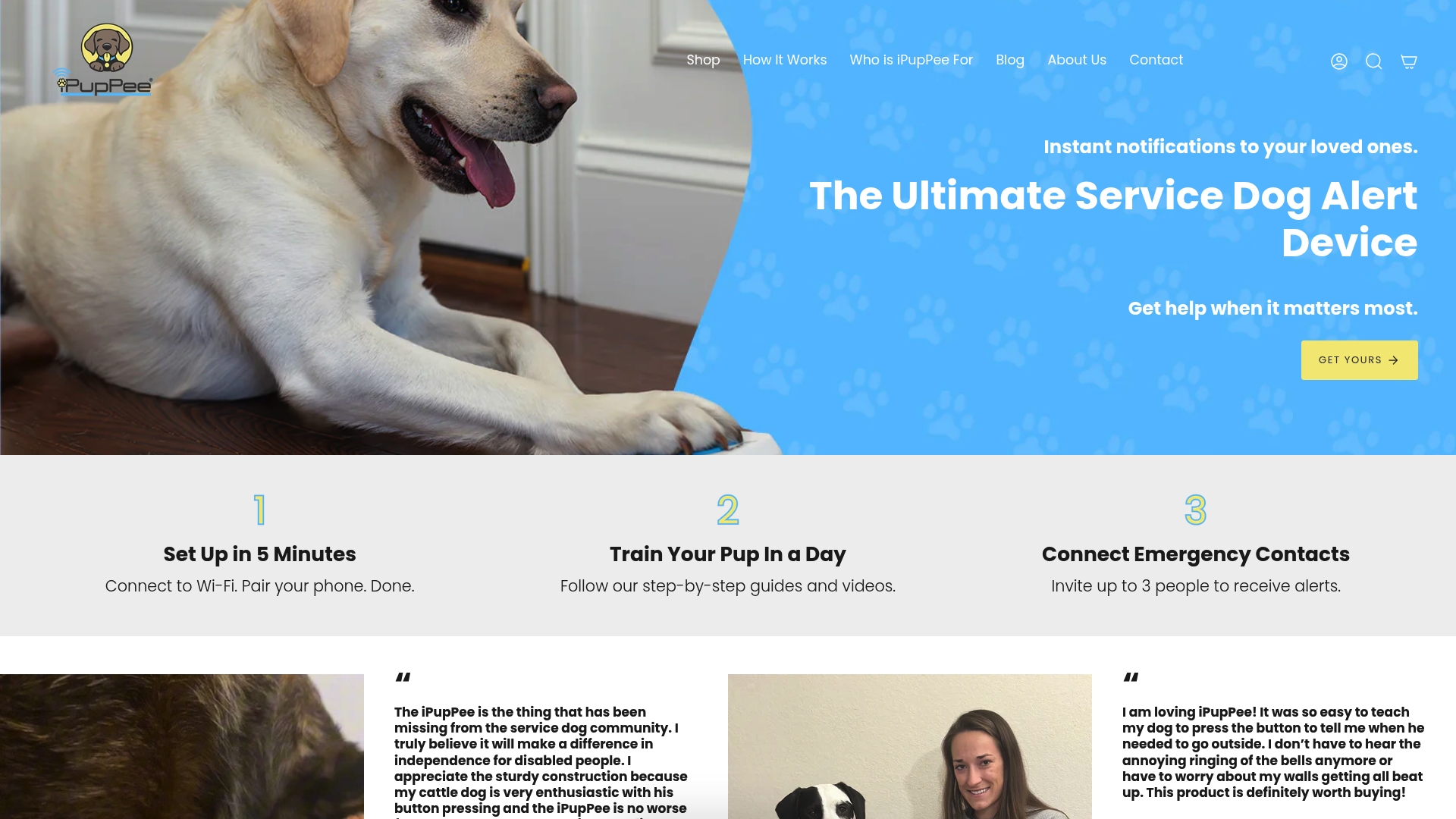
Discover how iPupPee’s simple button press system can transform your daily routine, boost your support dog’s confidence using technology, and give you peace of mind with reliable safety tools. Visit iPupPee now to explore training resources and customer testimonials that show real results. Don’t wait until an emergency to wish you had better communication. Act now and enhance your support dog’s safety and your independence today.
Frequently Asked Questions
How can I understand the unique safety needs of my support dog?
To understand your support dog’s unique safety needs, recognize their specialized training and the demands of their role. Monitor their stress signals, provide defined boundaries, and ensure they have time to decompress after work. Conduct regular veterinary check-ups to maintain their overall health.
What tools should I include in my emergency communication plan for my support dog?
In your emergency communication plan, include a comprehensive contact list with emergency services, veterinarians, and family. Consider investing in wearable alert devices and prepare pre-written message templates for quick communication during crises. Ensure these tools are easily accessible on multiple devices.
How do I train my support dog to use alert devices effectively?
Train your support dog to use alert devices by using positive reinforcement techniques. Start with short training sessions, gradually increase complexity, and always end on a positive note. Aim for daily 5 to 10 minute training sessions to enhance their comfort and ability with the device.
What should I do to create a safe home environment for my support dog?
Conduct a thorough inspection of your home from your dog’s perspective to identify hazards. Secure electrical outlets, store harmful substances out of reach, and create a cozy resting space for your dog. Regularly perform safety audits to adapt to your support dog’s changing needs.
How can I prepare for safe outdoor activities with my support dog?
To prepare for outdoor activities, assess your support dog’s health and equip yourself with appropriate gear, such as harnesses and protective footwear. Create a comprehensive safety kit with essentials like water, first aid supplies, and emergency contact information. Practice basic commands in various outdoor settings to build your dog’s confidence.
What advanced safety commands should I teach my support dog?
Teach your support dog foundational commands like ‘sit’, ‘stay’, and ‘come’, which are essential for safety. Progress to advanced commands based on your specific needs, such as medical alerts or navigating public spaces. Consistently reinforce these commands with positive feedback to ensure reliability when it matters most.
Recommended
- Top Safety Tips for Dog Owners: Essential Guidance for 2025 – iPupPee
- 8 Essential Dog Safety Training Tips Every Owner Should Know – iPupPee
- Service Dog Care Essentials: Must-Know Tips for 2025 – iPupPee
- How to Improve Dog Safety at Home and Outdoors 2025 – iPupPee
- 7 Crucial Steps for a Complete Home Safety Inspection Checklist | Chicago Home Inspect LLC