

Over three million Americans rely on service dogs to help manage daily tasks and boost independence. Finding the right canine partner takes more than picking a friendly face. It means matching a dog to your personal needs, lifestyle, and even the devices you use. Whether you are seeking mobility help, medical alerts, or emotional support, making informed choices at every step sets the stage for a stronger partnership and a better quality of life.
Table of Contents
- Step 1: Define Your Specific Service Needs
- Step 2: Assess Suitable Dog Breeds And Temperaments
- Step 3: Evaluate Training Requirements And Resources
- Step 4: Select A Reputable Service Dog Provider
- Step 5: Verify Compatibility With Communication Devices
Quick Summary
| Key Point | Explanation |
|---|---|
| 1. Define your service needs early | Identify specific tasks a service dog should perform to meet your individual challenges effectively. |
| 2. Assess dog breeds and temperaments | Choose breeds with suitable characteristics, prioritizing temperament traits such as calmness and adaptability over breed alone. |
| 3. Careful training selection is vital | Engage professional trainers experienced in service dog preparation to fulfill your specific skill requirements for the dog. |
| 4. Choose a reputable provider | Select a service dog provider with proven training protocols and ask for clear documentation about their methods and success rates. |
| 5. Verify compatibility with devices | Ensure the service dog can interact positively with communication devices and technology relevant to your lifestyle needs. |
Step 1: Define your specific service needs
Choosing the right service dog begins with understanding the precise ways a canine companion can support your unique needs. According to Psychiatric Dog Partners, identifying the specific tasks a service dog will perform is crucial for effectively mitigating an individual’s disability.
Start by making a detailed list of the daily challenges you experience and how a service dog might help. For example, the Centaur Program highlights potential tasks like retrieving objects, alerting to medical conditions, or providing deep pressure therapy. Consider mobility limitations, sensory processing needs, medical conditions, or emotional support requirements. Be specific about tasks such as helping you navigate spaces, interrupting anxiety episodes, retrieving dropped items, or providing stability while walking.
Pro tip: Write down every potential task without judging its feasibility. Some needs might seem small but could be significant for a service dog to address. Your comprehensive list will become a roadmap for trainers to understand exactly how to prepare your future canine partner. Next, you will move into researching dog breeds and characteristics that align with these specific needs.
Step 2: Assess suitable dog breeds and temperaments
Selecting the right service dog breed is about matching specific characteristics to your unique needs. According to SPCA, certain breeds like Labradors and Golden Retrievers are particularly well suited for service work due to their inherent retrieving instincts and friendly temperaments.
Research from the National Center for Biotechnology Information emphasizes that choosing a service dog goes beyond just breed characteristics it requires a comprehensive assessment of individual temperament. When evaluating potential service dog candidates, look for dogs that demonstrate key traits such as calmness, focus, adaptability, and a strong desire to work. These qualities are more important than pure breed lineage. Pay attention to traits like the dog’s ability to remain composed in different environments, responsiveness to commands, and natural inclination to help.
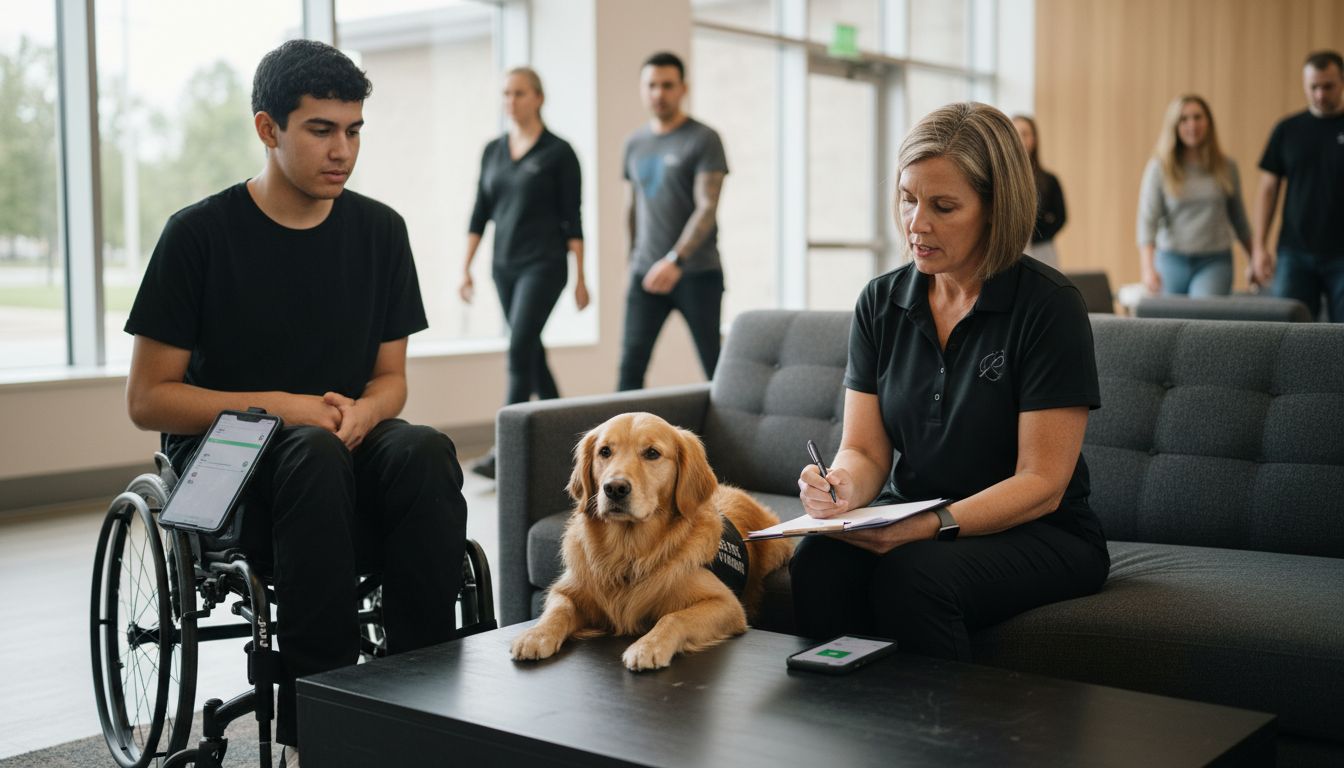
Pro tip: Work with professional service dog trainers who can conduct thorough temperament assessments. They can help you identify dogs with the right psychological profile for your specific needs. Learn more in our 7 Top Dog Breeds for Service You Should Know guide. Next, you will prepare to evaluate potential service dog candidates through structured training and observation.
Step 3: Evaluate training requirements and resources
Training a service dog requires understanding comprehensive protocols and specialized skill development. According to Service Dog Standards, successful service dog training involves detailed guidelines and rigorous behavioral expectations that go far beyond basic obedience.
The training process progresses from fundamental skills to complex task specific abilities tailored to your unique needs. As outlined by the South African Guide Dogs Association, service dog training follows a structured approach that gradually builds the dog’s capabilities. This typically involves initial socialization training, foundational obedience work, task specific skill development, and public access training.
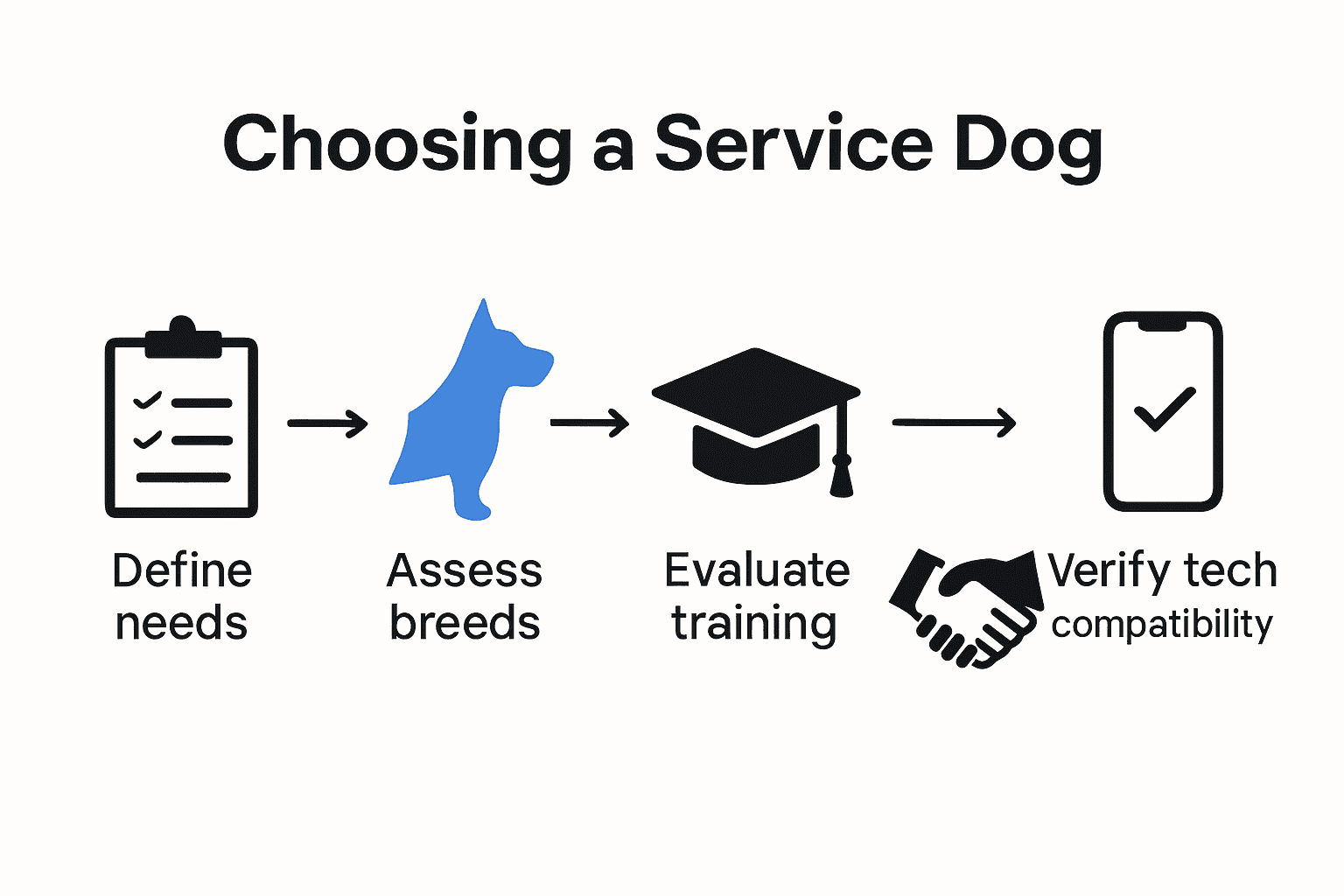 You will want to focus on finding professional trainers who specialize in service dog preparation and understand the nuanced requirements of your specific disability.
Pro tip: Not all dog trainers have experience with service dog preparation. Seek out professionals with certified credentials in service dog training who can demonstrate proven experience working with dogs for disability support. For more insights, check out our Service Dog Training Challenges in 2025 guide. Next, you will begin exploring potential training programs and professional resources that can support your service dog journey.
Step 4: Select a reputable service dog provider
Choosing the right service dog provider is critical to ensuring you receive a well trained companion that meets your specific needs. According to the Wisconsin Department of Health Services, obtaining a dog from a provider with extensive experience in structured service dog training is essential for successful support.
Psychiatric Service Dog Partners emphasizes the importance of professional temperament testing when selecting a service dog provider. Look for organizations that demonstrate comprehensive evaluation processes including detailed behavioral assessments, clear training protocols, and a deep understanding of how dogs can support specific disabilities. Your ideal provider should offer transparent documentation about their training methods, provide extensive background on potential dogs, and be willing to discuss how they match dogs with individual handlers.
Pro tip: Request references from previous clients and verify the provider’s professional certifications. Do not hesitate to ask detailed questions about their training philosophy and success rates. For additional guidance, explore our How to Get Your Dog Service Animal Certified in 2025 guide. Next, you will prepare for the initial assessment and potential matching process with your selected service dog provider.
Step 5: Verify compatibility with communication devices
Ensuring your service dog can effectively work with communication devices is a critical step in finding the right partnership. According to research from the National Center for Biotechnology Information, selecting a service dog involves carefully considering their morphological characteristics and potential compatibility with assistive technologies.
The SPCA recommends thoroughly evaluating how a service dog will integrate with your specific lifestyle and communication needs. This means assessing the dog’s ability to work alongside devices like alert systems, communication buttons, or specialized equipment. During your evaluation process, observe how the dog responds to different technological interactions. Pay attention to their comfort level near electronic devices, their ability to remain calm and focused, and their willingness to learn new interaction protocols.
Pro tip: Work with your service dog trainer to conduct systematic tests that simulate real world scenarios with your communication devices. This helps ensure the dog can reliably work alongside your specific technological supports. For additional insights into communication device integration, check out our How to Have Your Dog as a Service Dog guide. Next, you will begin the process of acclimating your service dog to your specific communication tools and environment.
Enhance Your Service Dog Journey with Smart Communication Solutions
Choosing the right service dog involves careful planning to meet your unique needs like mobility support, anxiety management, or effective communication. The article highlights the importance of evaluating training requirements and verifying compatibility with communication devices to build a strong partnership. We understand how critical it is for a service dog to integrate seamlessly with assistive technology, so you never miss an important alert or signal.
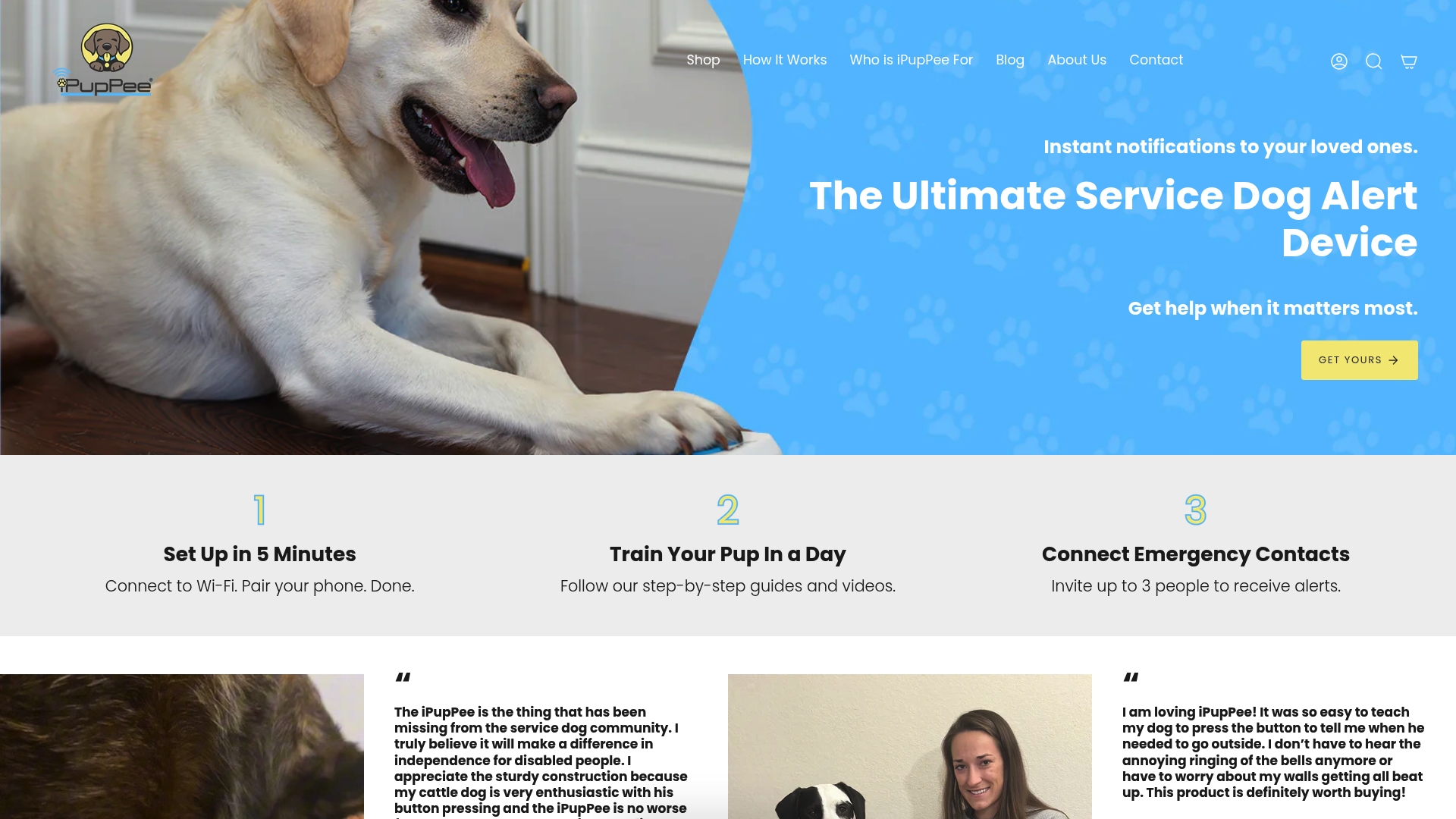
Discover how the innovative iPupPee device can transform communication between you and your service dog. Designed to bridge the gap with simple and reliable button presses, iPupPee enhances independence and safety for those living with disabilities or special needs. Act now to equip your canine partner with a proven tool that complements your tailored training and strengthens your daily interactions. Explore more about maximizing your service dog’s potential at iPupPee.com and start your smooth journey to effective communication today.
Frequently Asked Questions
How do I define my specific service dog needs?
Begin by making a list of the daily challenges you face and how a service dog could help mitigate those issues. Be specific about tasks, such as retrieving items or providing emotional support, to create a clear roadmap for your future service dog.
What dog breeds are best suited for service work?
Certain breeds, like Labradors and Golden Retrievers, are known for their friendly temperaments and strong desire to work. Research various breeds and assess individual temperaments to find the best fit for your unique needs.
What training requirements should I consider for my service dog?
Successful service dog training includes foundational skills and task-specific abilities tailored to your needs. Look for trainers who specialize in service dog preparation and use structured training methods to ensure your dog is well-equipped.
How can I choose a reputable service dog provider?
Check for service dog providers with comprehensive evaluation processes and transparent training methods. Request references and ask detailed questions to confirm their experience and success in matching dogs with individuals needing support.
How do I verify my service dog’s compatibility with communication devices?
Evaluate how well the service dog interacts with your specific communication devices by observing their comfort level and focus around technology. Conduct systematic tests with your trainer to ensure the dog can reliably work alongside your assistive tools.
What steps should I follow to prepare for the matching process with a service dog provider?
Be ready to discuss your specific needs and how you envision your service dog assisting you. Gather all necessary documentation and outline your expectations to facilitate a smooth initial assessment and matching process.
Recommended
- How to Choose Service Dog: A 2025 Guide for Owners & Handlers – iPupPee
- How to Have Your Dog as a Service Dog: A Step-by-Step Guide – iPupPee
- Training Service Dogs 101: Essential Steps for Success in 2025 – iPupPee
- How to Get Your Dog Service Animal Certified in 2025 – iPupPee
- MY SON CAN’T SPEAK—BUT HIS SERVICE DOG KNEW EXACTLY WHAT HE WAS TRYING TO SAY - press24.click