

Most American pet owners are surprised to learn that different dog breeds need wildly different exercise routines. Caring for a service dog or supporting a disabled companion in a busy city means exercise choices directly affect your dog’s health and your daily communication. Ignoring breed differences or age can lead to stress and injury, but understanding recent research and expert veterinary advice ensures your dog thrives physically and emotionally in every environment.
Table of Contents
- Understanding Dog Exercise Needs And Myths
- Breed, Age, And Activity-Level Differences
- Service Dogs: Special Exercise Considerations
- Tailoring Exercise For Disabled Owners
- Risks, Safety Concerns, And What To Avoid
Key Takeaways
| Point | Details |
|---|---|
| Tailored Exercise is Essential | Each dog has unique exercise needs based on breed, age, and health; consult a veterinarian for a personalized plan. |
| Myths Can Be Harmful | Avoid assuming all dogs require high-intensity workouts; misjudging needs can lead to injuries. |
| Service Dogs Have Special Requirements | Service dogs need exercise that combines fitness with skills training; their routines must support both health and task readiness. |
| Safety Is Paramount | Monitor for signs of overexertion during exercise and adjust plans to meet your dog’s comfort and safety needs. |
Understanding Dog Exercise Needs and Myths
Exercise is not a one-size-fits-all approach for dogs. Different breeds, ages, and individual health conditions significantly impact their physical activity requirements. Understanding canine exercise variations means recognizing that what works for an energetic Labrador Retriever might be harmful for an older Bulldog or a small Chihuahua.
Common myths about dog exercise often mislead pet owners. Many assume all dogs need identical high-intensity workouts, but this misconception can lead to potential injury or exhaustion. Dogs require tailored exercise routines that consider their specific physical capabilities, age, breed characteristics, and overall health status. For service dogs or dogs supporting individuals with disabilities, understanding these nuanced exercise needs becomes even more critical.
Professional veterinarians and canine experts recommend developing an exercise plan that balances physical activity with mental stimulation. Comprehensive dog health guidelines suggest incorporating activities like walking, controlled play, obedience training, and scent work. These approaches not only provide physical exercise but also strengthen communication between dogs and their handlers, particularly important for service animals who require consistent, structured interaction.
Pro tip: Start by consulting with a veterinarian to design an exercise plan specifically tailored to your dog’s unique physical condition and needs.
Breed, Age, and Activity-Level Differences
Dog exercise needs are far from uniform, with scientific research revealing significant breed-specific variations in activity levels and energy requirements. Heritable genetic traits play a crucial role in determining a dog’s natural exercise capacity, with breeds originally developed for specific working purposes showing markedly different activity profiles. High-energy working breeds like Border Collies, Australian Shepherds, and Huskies typically require more intense and prolonged physical activity compared to companion breeds like Bulldogs or Shih Tzus.
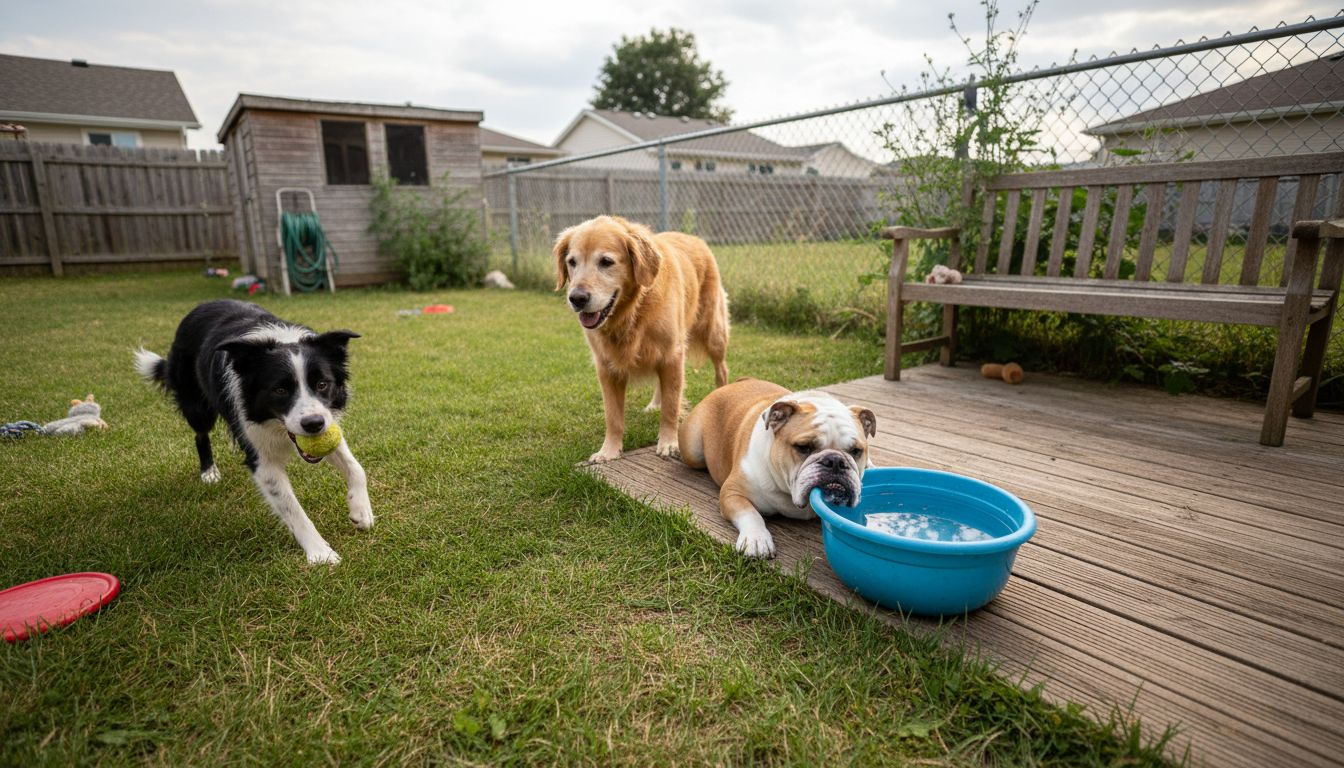
Age is another critical factor in determining appropriate exercise routines. Canine exercise recommendations vary substantially across different life stages, with puppies, adults, and senior dogs requiring distinctly tailored approaches. Young puppies need short, frequent bursts of activity to protect their developing joints, while adult dogs in their prime can handle more sustained and intense exercise. Senior dogs benefit from gentler, low-impact activities that maintain mobility without causing undue stress on aging bodies.
Activity levels are not just about physical movement but also mental engagement. Different breeds have varying mental stimulation needs that complement their physical exercise requirements. Working and herding breeds often require complex tasks and problem-solving activities, while companion breeds might be satisfied with shorter, less intense interactions. For service dogs and those supporting individuals with disabilities, understanding these nuanced differences becomes even more critical to maintaining their health, performance, and overall well-being.
Pro tip: Consult with a veterinarian to develop a personalized exercise plan that accounts for your dog’s specific breed characteristics, age, and individual health conditions.
Here’s how exercise needs differ by breed type and age stage:
| Dog Category | Typical Energy Level | Recommended Exercise Type | Duration Per Day |
|---|---|---|---|
| Working Breeds | Very high | Running, agility, herding tasks | 90–120 minutes |
| Companion Breeds | Moderate to low | Leisure walks, gentle play | 30–60 minutes |
| Puppies | Bursts of high energy | Short play, supervised exploration | 5 min × months of age |
| Senior Dogs | Low, loves structure | Slow walks, gentle activities | 20–40 minutes |
Service Dogs: Special Exercise Considerations
Service dogs represent a unique category of working animals with exercise requirements that extend far beyond typical companion dogs. Public access rights and specialized training mandate specific exercise protocols that balance physical fitness with their critical assistance responsibilities. These remarkable animals must maintain peak physical condition while preserving their ability to perform intricate tasks for handlers with disabilities, making their exercise regimens substantially more complex than those of standard pets.
Exercise for service dogs must be strategically designed to support both their physical health and professional capabilities. Training protocols require carefully structured physical activities that enhance strength, endurance, and mental acuity without causing fatigue or compromising their working performance. This might include specialized movements that mimic their assistance tasks, controlled walking routines, and targeted strength-building exercises that directly relate to their specific service functions.
Understanding the holistic needs of service dogs means recognizing that their exercise is not just about physical movement, but about maintaining a delicate balance between fitness, mental alertness, and task readiness. Different service roles demand different exercise approaches mental health support dogs might require calming, low-intensity activities, while mobility assistance dogs need more strength-focused routines. The goal is always to preserve the dog’s capacity to provide reliable, consistent support to their handler while maintaining their own physical and psychological well-being.
Pro tip: Work with a professional trainer experienced in service dog conditioning to develop a customized exercise plan that aligns precisely with your dog’s specific service role and individual health requirements.
Tailoring Exercise for Disabled Owners
Physical activity for disabled individuals and their dogs requires innovative approaches that prioritize both the owner’s capabilities and the dog’s exercise needs. Exercise adaptations become crucial in creating meaningful, safe, and enjoyable physical activities that work within the unique constraints of different disabilities. Some owners might use specialized equipment like mobility aids, adaptive leashes, or modified walking paths to ensure both dog and handler can engage in beneficial movement.
The relationship between a disabled owner and their dog is deeply symbiotic, with pets providing critical support and motivation for physical activity. Exercise routines can be customized to match various mobility levels, including seated play sessions, short controlled walks, indoor interactive games, and carefully planned outdoor activities. The key is creating exercise experiences that accommodate the owner’s physical limitations while meeting the dog’s natural need for movement and mental stimulation.
Technological and environmental adaptations play a significant role in making exercise accessible. This might include using remote-controlled toys for owners with limited mobility, designing home spaces with clear pathways, utilizing assistive devices that allow for easier dog handling, and developing communication systems that help dogs understand their owner’s physical constraints. The goal is to create an exercise environment that promotes mutual independence, strengthens the human-dog bond, and supports both physical and emotional well-being.
Pro tip: Consult with a professional dog trainer specializing in adaptive training to develop a personalized exercise strategy that matches your specific physical capabilities and your dog’s energy requirements.
Risks, Safety Concerns, and What to Avoid
Canine exercise safety requires careful, nuanced understanding of potential risks that can compromise a dog’s physical and mental well-being. Exercise is not simply about duration or intensity, but about creating a balanced approach that considers the dog’s individual health, breed characteristics, age, and environmental conditions. Potential hazards can range from physical injuries caused by inappropriate movement to psychological stress triggered by overly demanding or inconsistent exercise routines.
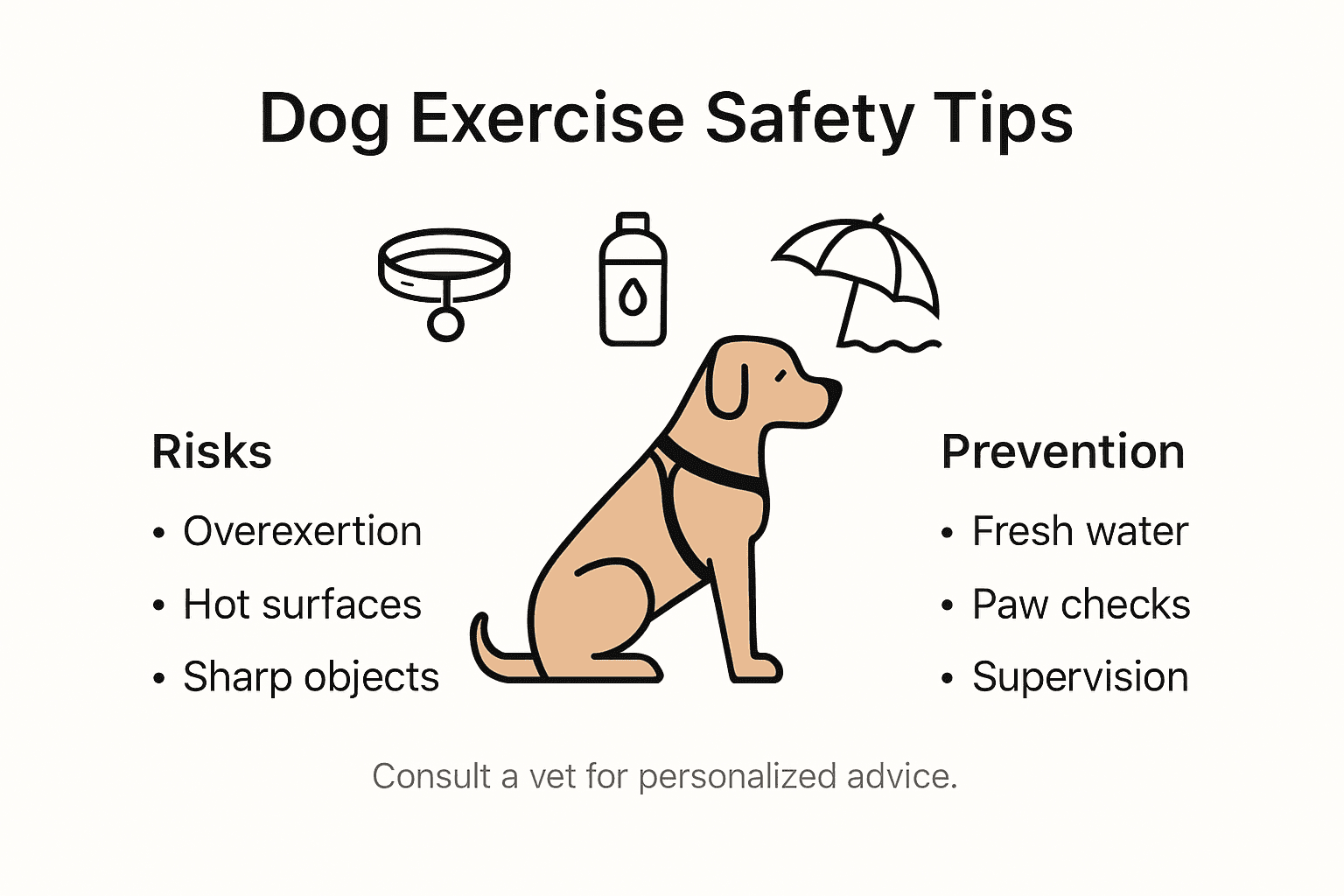
Environmental factors play a critical role in dog exercise safety, with temperature, terrain, and external stimuli presenting significant challenges. Hot pavement can burn sensitive paw pads, extreme temperatures can cause heat exhaustion or hypothermia, and uneven surfaces might lead to joint stress or potential injuries. Dogs with pre-existing health conditions, puppies, and senior dogs are particularly vulnerable and require more cautious, modified exercise approaches that prioritize their specific physical limitations.
Dog owners must learn to recognize subtle signs of exercise-related stress or potential injury. These include excessive panting, reluctance to continue moving, limping, sudden behavioral changes, or unusual fatigue. Overexertion can lead to long-term health complications, making it crucial to gradually build exercise intensity, provide adequate rest periods, and consistently monitor the dog’s physical and mental response to different activities. Understanding breed-specific exercise needs and consulting with veterinary professionals can help create a safe, enjoyable exercise experience that supports the dog’s overall health and happiness.
Below is a summary of key dog exercise safety risks and their prevention:
| Risk Factor | Common Cause | Prevention Strategy |
|---|---|---|
| Overexertion | Too much intensity or duration | Gradually increase activity level |
| Heat-Related Illness | Exercising in hot temperatures | Exercise during cool hours |
| Joint Injury | High-impact activities, rough terrain | Use flat, soft surfaces |
| Dehydration | Lack of water access | Bring water, offer frequent breaks |
| Behavioral Stress | Inconsistent or harsh routines | Maintain a gentle exercise plan |
Pro tip: Always carry water, monitor your dog’s energy levels closely, and be prepared to modify or stop exercise if your dog shows any signs of discomfort or fatigue.
Enhance Your Dog’s Exercise Routine with Smarter Communication
Understanding your dog’s unique exercise needs and challenges is only half the battle. The real goal is improving health and communication simultaneously, especially for service dogs and pets supporting disabled owners. This article highlights how tailored exercise boosts physical well-being while requiring consistent, clear interaction between handler and dog to prevent overexertion and ensure safety.

Take control of your dog’s exercise and wellbeing by integrating effective communication tools designed just for your needs. Discover how the innovative iPupPee device simplifies connecting with your dog through easy alert functions. Whether you manage a high-energy working breed or a service dog with special exercise demands, our solutions empower you to maintain safety, independence, and trust. Don’t wait to make every walk, play session, or training moment safer and more rewarding. Visit ipuppee.com today and start improving your dog’s health and communication with the right tools and expert guidance.
Frequently Asked Questions
How much exercise does my dog need?
The amount of exercise a dog needs varies by breed, age, and health condition. Generally, high-energy breeds require 90–120 minutes of exercise daily, while lower-energy breeds may only need 30–60 minutes.
What types of exercise are best for my dog?
Effective exercise routines for dogs can include walking, running, playtime, obedience training, and scent work. Tailor the activities to your dog’s physical capabilities and mental stimulation needs.
How can I tell if my dog is overexerted or fatigued?
Signs of overexertion in dogs include excessive panting, reluctance to continue moving, limping, and unusual fatigue. Always monitor your dog closely and adjust activities to prevent exhaustion or injury.
What special considerations should I have for service dogs’ exercise?
Service dogs require exercise that not only maintains their physical health but also supports their ability to perform tasks. Their routine should include structured activities that mimic their service roles and ensure their fitness without causing fatigue.
Recommended
- Top Tips for Pet Communication in 2025: Simple Methods for Success – iPupPee
- 10 Healthy Dog Habits for Happy and Active Pets – iPupPee
- Complete Guide to Dog Training for Health – iPupPee
- Top Benefits of Dog Training for All Pet Owners in 2025 – iPupPee
- Communication Barriers: Everything You Need to Know - Mastering Conflict