

Over three million Americans rely on the unique abilities of service dogs to help them overcome daily challenges related to disabilities. These specially trained animals do far more than offer comfort or companionship. Their precise skills—from guiding individuals around obstacles to detecting medical emergencies—give people greater independence and security. Understanding how canine-enabled independence works opens new possibilities for those seeking practical ways to navigate life with more confidence and control.
Table of Contents
- Defining Canine-Enabled Independence
- Types Of Assistance And Service Dogs
- How Dogs Support Independent Living
- Training, Requirements, And Legal Protections
- Risks, Challenges, And Limitations Explained
Key Takeaways
| Point | Details |
|---|---|
| Canine-Enabled Independence | Dogs enhance human autonomy by performing specialized tasks for individuals with disabilities, fostering greater independence and confidence. |
| Types of Assistance Dogs | Service dogs are categorized into specific types tailored to unique assistance needs, such as mobility support and emotional regulation. |
| Training and Legal Protections | Rigorous training is required to ensure service dogs meet performance standards, with legal protections under the ADA guaranteeing access for handlers. |
| Challenges and Limitations | Successful integration of service dogs presents challenges, including inconsistent performance and varying dog capabilities, necessitating realistic expectations for handlers. |
Defining Canine-Enabled Independence
Canine-enabled independence represents a transformative approach where dogs actively support human autonomy by performing specialized tasks that mitigate disability challenges. According to AAHA, service dogs are “individually trained to perform tasks for individuals with disabilities,” which goes far beyond traditional pet companionship.
These remarkable animals provide targeted assistance across multiple domains of human functionality. As Britannica Kids explains, assistance dogs can be categorized into three primary types: guide dogs for individuals with visual impairments, hearing dogs for those with auditory challenges, and service dogs supporting people with various other disabilities.
Key Independence-Enabling Tasks Include:
- Mobility support and physical navigation
- Medical alert and response capabilities
- Emotional regulation and psychiatric assistance
- Daily living task facilitation
- Personal safety monitoring
The core philosophy of canine-enabled independence centers on empowering individuals to navigate life’s challenges with greater confidence and reduced dependency. These highly trained dogs do not simply accompany their handlers but actively contribute to creating more accessible, navigable environments. Understanding Dog Independence Benefits highlights how these animals transform potential limitations into opportunities for greater personal autonomy.
By providing targeted, personalized assistance, service dogs fundamentally reimagine what independence can look like for people with diverse abilities. Their training goes beyond basic obedience, focusing instead on nuanced, context-specific support that adapts to their handler’s unique needs and challenges.
Types Of Assistance And Service Dogs
Service dogs represent a sophisticated category of working animals designed to support individuals with specific needs. According to Hearts of Gold, these remarkable animals can be classified into several distinct types, each tailored to address unique challenges faced by their handlers.
Purina provides a comprehensive overview of the primary service dog categories, highlighting their specialized functions:
Primary Types of Service Dogs:
- Hearing Dogs: Assist individuals with auditory impairments
- Mobility Assistance Dogs: Support people with physical limitations
- Seizure Alert and Response Dogs: Detect and respond to medical emergencies
- Autism Service Dogs: Provide emotional and navigational support
Beyond traditional service roles, dogs also contribute to emotional and therapeutic support. The How Service Dogs Help guide explains that these animals do more than perform tasks they create meaningful connections that enhance their handler’s quality of life.
Each service dog undergoes extensive training to develop precise skills matching their handler’s specific requirements. Their capabilities extend far beyond basic obedience, representing a nuanced partnership that transforms potential limitations into opportunities for greater independence and personal empowerment.
How Dogs Support Independent Living
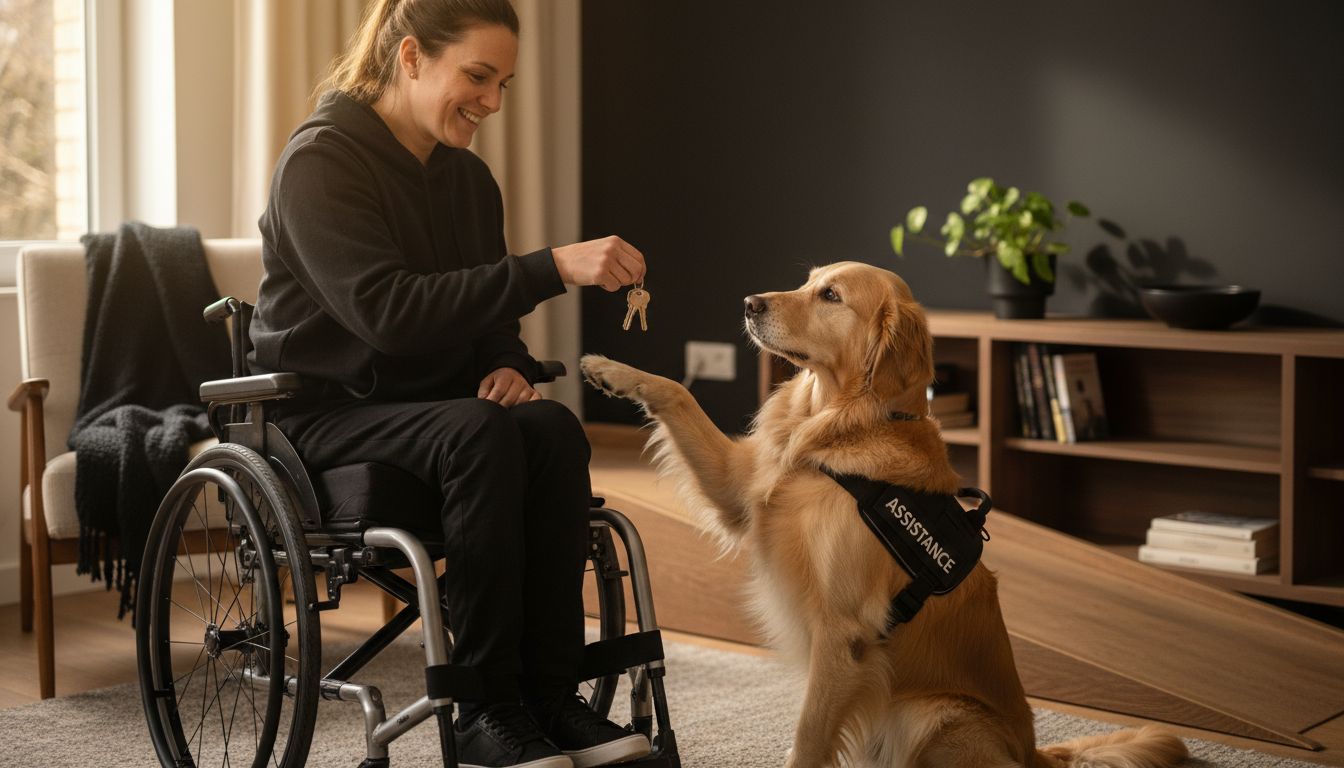
Independent living transforms dramatically when dogs provide targeted support across multiple functional domains. Wikipedia highlights that mobility assistance dogs offer comprehensive support by performing critical tasks like picking up objects, opening doors, pulling wheelchairs, and operating light switches, fundamentally enhancing their handler’s autonomy.
For individuals with visual impairments, guide dogs represent a revolutionary approach to navigation. These highly trained animals lead their handlers safely around obstacles, creating pathways of independence that were previously challenging or impossible. By providing real-time environmental awareness, guide dogs dramatically reduce mobility barriers.
Key Independent Living Support Methods:
- Physical navigation assistance
- Object retrieval and manipulation
- Environmental interaction facilitation
- Safety monitoring and obstacle detection
- Emotional and psychological support
Beyond physical tasks, these remarkable animals provide nuanced support that extends into emotional and psychological realms. How Dogs Help Seniors demonstrates that their presence alone can reduce anxiety, increase confidence, and create a sense of security for individuals navigating complex daily challenges.
The relationship between a handler and their assistance dog represents a sophisticated partnership. Each dog is meticulously trained to understand and respond to their handler’s unique needs, transforming potential limitations into opportunities for greater personal agency and meaningful interaction with the world.
Training, Requirements, And Legal Protections
Service dog training represents a complex and rigorous process that goes far beyond basic obedience. According to AAHA, these specialized animals are typically trained through registered organizations like Assistance Dogs International or via private professional training programs, ensuring they meet stringent performance standards.
Elon University highlights the critical legal protections afforded to service dogs, particularly under the Americans with Disabilities Act (ADA). These protections guarantee handler access to public facilities, transportation, and accommodations, recognizing the essential role these animals play in supporting individual independence.
Key Training and Legal Requirements:
- Specialized task-specific training
- Consistent behavioral standards
- Public access certification
- Health and temperament evaluations
- Ongoing performance monitoring
The journey to becoming a certified service dog is demanding. Training Service Dogs 101 emphasizes that not every dog qualifies, with only a small percentage successfully completing the comprehensive training required to support individuals with disabilities.
Ultimately, service dogs represent more than just trained animals they are highly skilled partners who undergo extensive preparation to provide critical support. Their training focuses on developing nuanced skills that directly address their handler’s unique needs, creating a sophisticated partnership built on trust, communication, and mutual understanding.
Risks, Challenges, And Limitations Explained
Service dog integration presents complex challenges that extend beyond simple training and deployment. APSEA highlights the critical need for comprehensive policies and staff understanding when introducing assistance animals into specialized environments, particularly in educational settings for individuals with unique needs.
Wikipedia reveals that not all service dogs perform uniformly, with significant variations in capabilities. Seizure response dogs, for instance, demonstrate inconsistent predictive abilities, underscoring the importance of understanding each dog’s specific limitations and individual performance potential.
Primary Challenges in Service Dog Deployment:
- Inconsistent task performance
- Variable individual dog capabilities
- Complex environmental adaptation
- Ongoing training requirements
- Potential public misunderstandings
The financial and emotional investment in service dogs can be substantial. Service Dog Training Challenges emphasizes that not every dog will successfully complete advanced training, and handlers must be prepared for potential setbacks and alternative strategies.
Ultimately, while service dogs offer remarkable support, they are not infallible solutions. Handlers must maintain realistic expectations, understanding that these animals are living beings with individual strengths and limitations, requiring continuous training, adaptation, and mutual understanding to create truly effective partnerships.
Empower Independence with Smarter Communication Solutions
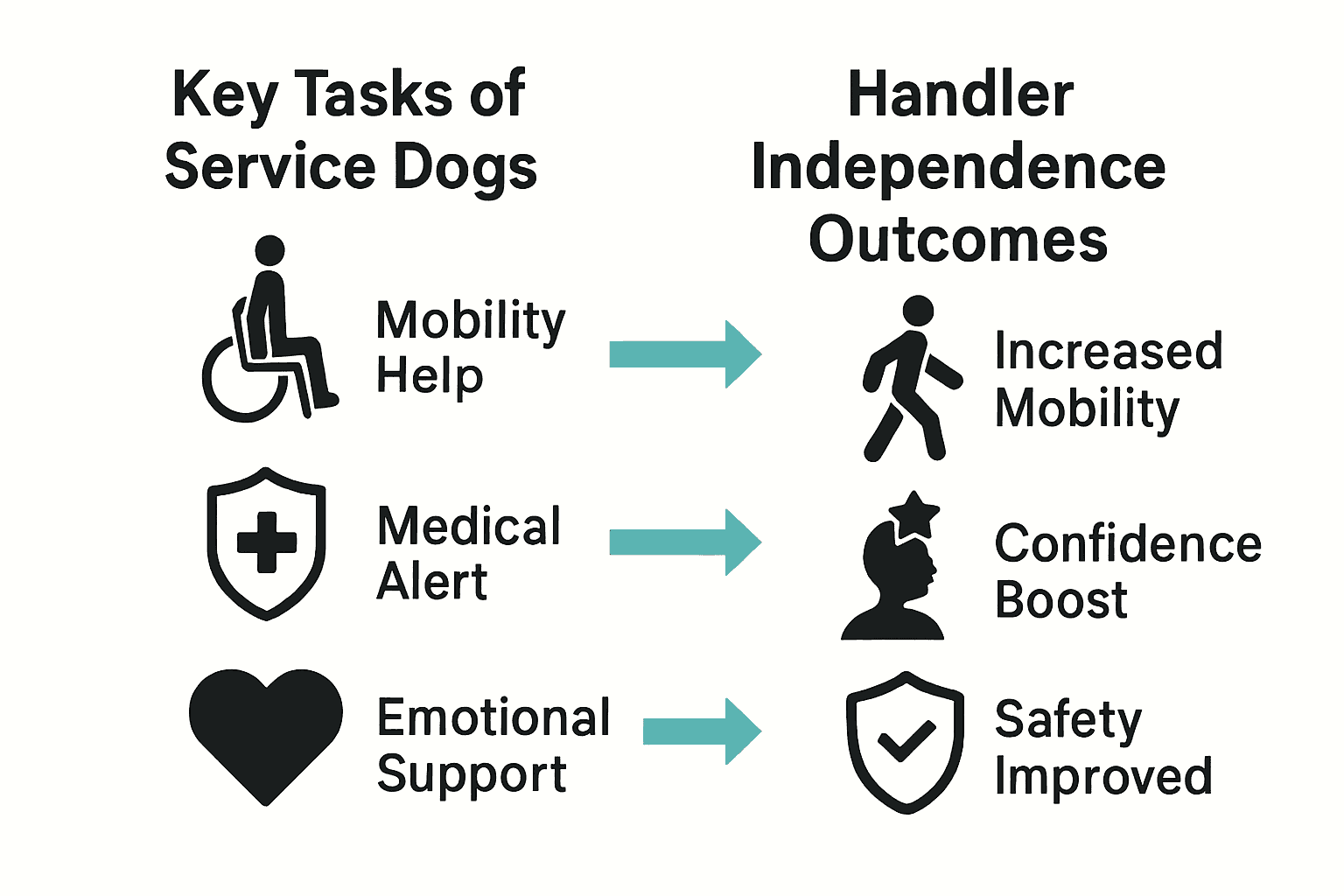
The article highlights the transformative role of service dogs in providing independence through specialized tasks like mobility support, medical alerts, and emotional assistance. Yet these partnerships face challenges such as consistent communication and real-time safety monitoring. If you are seeking innovative tools to enhance your service dog’s ability to support your daily living with confidence, understanding these pain points is essential.
Visualize increasing your dog’s effectiveness with a device designed specifically for clear, reliable communication. The iPupPee alert system was created to bridge the gap between handler needs and canine capabilities by enabling your dog to signal instantly through simple button presses. This solution aligns perfectly with the article’s emphasis on tailored support and personal autonomy.
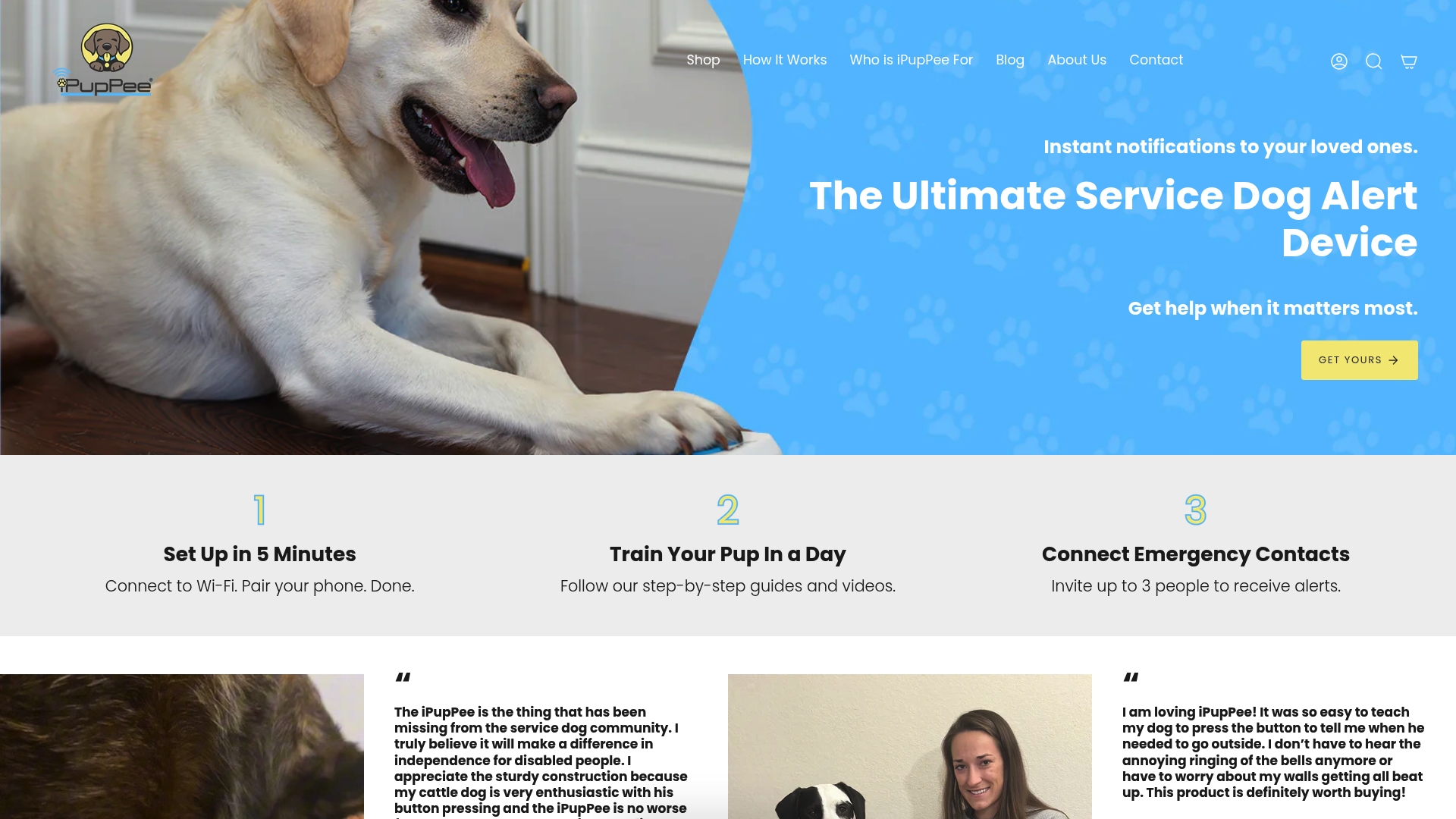
Take control of your independence today. Discover how the iPupPee device can strengthen your partnership and improve safety and communication. Visit https://ipuppee.com now to explore detailed training instructions and read real user testimonials about the profound impact on service dog handlers and seniors alike. Empower your journey toward greater autonomy by equipping your service dog with the tools to communicate effectively right now.
Frequently Asked Questions
Can service dogs really provide independence to individuals with disabilities?
Service dogs can significantly enhance independence by performing specific tasks tailored to their handler’s needs, including mobility support, medical alerts, and emotional assistance, thereby reducing reliance on others.
What types of tasks do service dogs perform to aid their handlers?
Service dogs perform various tasks such as picking up objects, alerting to medical emergencies, providing physical navigation assistance, and supporting emotional well-being, all aimed at promoting greater autonomy for their handlers.
How are service dogs trained to assist individuals?
Service dogs undergo extensive, specialized training often through registered organizations, focusing on task-specific skills, behavioral standards, and public access certification to ensure they meet the unique needs of their handlers.
What legal protections do service dogs have?
Under the Americans with Disabilities Act (ADA), service dogs are granted legal protections that allow their handlers access to public spaces, ensuring they can accompany them in various environments to provide necessary support.